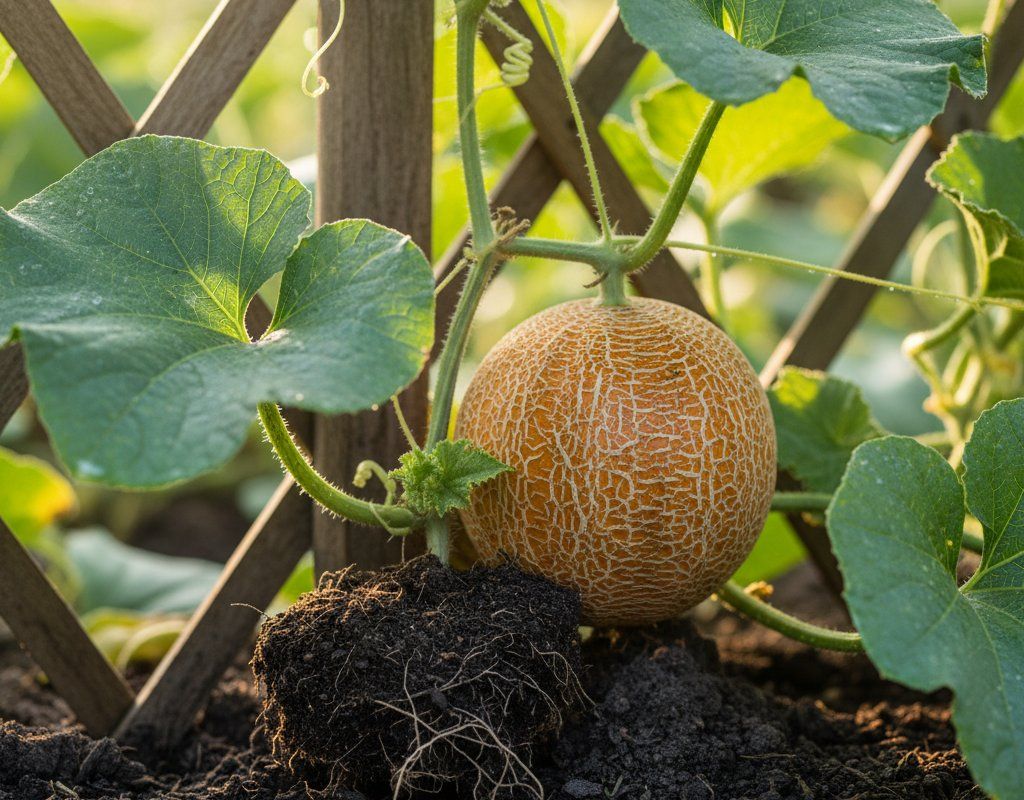
Cantaloupe in Zone 7A — Northern California
Cucumis melo · Your Complete 2026 Planting Guide
Planning Ahead — Great!
You’re ahead of the season. Here’s when to start.
Mark Your Calendar
How to Plant Cantaloupe in Zone 7A — Northern California
Here are all your options for getting cantaloupe in the ground, from the easiest method to more advanced approaches.
Direct Sow Seeds
RecommendedEarly April through early August
around April 3
Consider succession planting every 2-3 weeks for continuous harvest.
Same as watermelon — needs warm soil, direct sow works in most zones.
Buy Starts
Works WellEarly April through early May
around April 3
Plant purchased starts after last frost (March 20).
Start Seeds Indoors
Works WellEarly to late March
around March 13
Then transplant: Early April through early May
Start seeds 3-5 weeks before transplanting outdoors.
Transplant Outdoors
Timing InfoEarly April through early May
around April 3
Wait until nighttime temperatures stay above 50°F.
You have a nice window — no need to rush.
Overview
Cantaloupe thrives in Northern California's Mediterranean climate, where our warm, dry summers and long 235-day growing season create ideal conditions for developing the sweet, aromatic fruit that grocery stores simply can't match. You'll get the satisfaction of harvesting perfectly ripe melons that slip right off the vine, with that unmistakable cantaloupe fragrance that signals peak flavor – something you rarely find in shipped produce.
Our early spring warmth and extended fall season give you flexibility with planting times, though you'll want to work around our typical late spring cool spells and plan your watering strategy for the dry summer months ahead. With proper timing and consistent irrigation, cantaloupe becomes one of the most rewarding warm-season crops in your Northern California garden.
Starting Seeds Indoors
Starting cantaloupe seeds indoors works well in Northern California if you want to get a jump on the season or extend your harvest window. Start seeds in early to late March, about 3 weeks before you plan to transplant outdoors. Our early spring character means you can often transplant earlier than gardeners in harsher climates.
Use seed trays with good drainage and keep the soil consistently moist through bottom watering – this prevents damping off and encourages strong root development. Cantaloupe seeds germinate best with soil temperatures around 70-80°F, so consider using a heat mat if your indoor space runs cool. Provide bright light once seedlings emerge, either from a south-facing window or grow lights.
Since cantaloupe doesn't love root disturbance, use biodegradable pots or cell trays that make transplanting easier. The indoor start method gives you more control over germination, but direct sowing often works just as well in our mild Northern California springs.
Transplanting Outdoors
Plan to transplant your cantaloupe seedlings outdoors from early April through early May, once soil temperatures consistently reach 65°F and nighttime temperatures stay above 50°F. Our spring weather can be variable, so watch for those late cool spells that occasionally sneak through in mid-April.
Harden off seedlings gradually over a full week by placing them outdoors for increasing periods each day. Start with 2-3 hours of morning sun, then gradually increase exposure to a full day outdoors. This process is especially important in Northern California where the transition from indoor growing to our intense afternoon sun can shock tender seedlings.
Space transplants 36-48 inches apart to allow for proper air circulation and vine spread. Plant them at the same depth they were growing in containers, and water thoroughly after transplanting. Consider using row covers for the first few weeks if late spring temperatures dip unexpectedly.
Direct Sowing
Direct sowing is the preferred method for cantaloupe in Northern California, and you have an excellent window from early April through early August. Wait until soil temperatures reach at least 65°F – usually by mid-April in most areas, though cooler microclimates might need another week or two.
Prepare your planting area by working compost into the soil and creating slight mounds or raised rows for better drainage and soil warming. Sow seeds 1 inch deep, planting 2-3 seeds per location spaced 36-48 inches apart. Once seedlings are established with their first true leaves, thin to the strongest plant at each location.
The beauty of direct sowing cantaloupe is that the plants develop stronger root systems without transplant shock, often leading to more vigorous vines and better fruit production. Your August sowings can still produce fruit before our first frost in early November, giving you fresh cantaloupe well into fall.
Watering Cantaloupe in Zone 7A (Northern California)
Cantaloupe needs consistent, deep watering throughout the growing season, requiring about 1-2 inches per week during our dry Northern California summers. Check soil moisture using the finger test – if it's dry 2 inches down, it's time to water. This becomes especially critical during our typical August heat waves when temperatures climb into the 90s.
Water at the base of plants rather than overhead to keep leaves dry and reduce disease pressure. Our low humidity actually works in your favor here, as wet foliage in humid climates often leads to fungal problems. Set up soaker hoses or drip irrigation if possible – this is essential during water restriction periods and helps maintain consistent soil moisture.
Monitor your plants closely during hot spells, as cantaloupe can quickly show stress with wilted leaves and stunted fruit development. Signs of underwatering include wilting during the heat of the day (even with adequate soil moisture), while overwatering shows up as yellowing leaves and poor fruit development.
Stop watering completely 5-7 days before harvest – this concentrates sugars and dramatically improves flavor. Apply 2-3 inches of mulch around plants to conserve moisture and keep roots cool during our intense summer sun, but keep mulch away from the main stem to prevent pest issues.
🧪Fertilizing Cantaloupe
Feeding Schedule
Organic Fertilizer Options
Harvest Time
Expect your first cantaloupe harvest from late June through early November, with 80 days from planting to maturity. The extended Northern California growing season means successive plantings can provide fresh melons from midsummer straight through to first frost, which typically arrives in early November.
Look for three key ripeness indicators: the netting pattern should be fully developed and raised, the stem should separate easily from the fruit with gentle pressure (called "slipping"), and you'll notice a sweet, musky aroma at the blossom end. The skin color usually changes from green to tan or cream under the netting when ready.
Harvest in the morning when temperatures are cooler and sugars are concentrated. Unlike some fruits, cantaloupe won't continue to ripen or sweeten once removed from the vine, so timing is crucial. Gently lift the fruit and apply slight pressure where the stem meets the melon – if it's ready, it will slip right off.
As early November approaches and night temperatures start dropping into the 40s, harvest any remaining fruits that show signs of ripeness, even if they're not perfectly mature. These can be used for cooking or preserved, ensuring you don't lose your harvest to our first frost.
Common Problems in Zone 7A (Northern California)
Powdery mildew appears as white or grayish powdery coating on leaves, stems, and sometimes fruit surfaces. Leaves curl, yellow, and eventually die, reducing plant vigor significantly. In Northern California, this fungal disease thrives during our typical summer conditions of warm days, cool nights, and low humidity – the dry leaf surfaces actually favor powdery mildew unlike most other fungi. Improve air circulation through proper spacing and remove affected leaves immediately. Neem oil or potassium bicarbonate sprays help control spread, and surprisingly, milk spray (1 part milk to 9 parts water) works effectively as a preventive treatment.
Aphids show up as clusters of tiny, soft-bodied insects in green, black, or white on stems and leaf undersides, leaving sticky honeydew residue and causing curled or distorted new growth. These sap-sucking insects multiply rapidly in our warm summers, and ant colonies often farm them for their honeydew. Knock them off with strong water sprays, encourage natural predators like ladybugs and lacewings, and apply insecticidal soap for heavy infestations. Avoid excess nitrogen fertilizer, which makes plants more attractive to aphids.
Poor sweetness in cantaloupe occurs when fruits look ripe but lack the expected flavor intensity. This usually results from overwatering near harvest time, insufficient heat accumulation, or harvesting too early. Stop watering 5-7 days before harvest to concentrate sugars, ensure plants receive full sun exposure during our peak summer heat, and wait for proper ripeness indicators before harvesting.
Northern California Specific Challenges: Our moderate-to-hot, dry summers with low humidity create unique conditions where powdery mildew can flourish despite the lack of moisture, while our water restrictions during peak growing season require careful irrigation planning to maintain consistent soil moisture without waste.
Best Companions for Cantaloupe
Plant these nearby for healthier Cantaloupe and better harvests.


Keep Away From
Companion Planting Details
Plant cantaloupe with corn and sunflowers, which provide beneficial shade during our intense afternoon sun while their tall structure doesn't compete for ground space. Lettuce works well as a living mulch between cantaloupe plants, helping retain soil moisture during our dry summers while utilizing space efficiently. These companions also help create beneficial microclimates that moderate soil temperature.
Avoid planting cantaloupe near potatoes, which can harbor similar pests and diseases, and cucumbers, which compete for the same nutrients and water while potentially spreading cucumber beetles and bacterial wilt. In our water-conscious Northern California gardens, grouping plants with different water needs can lead to either overwatering drought-tolerant companions or underwatering your thirsty cantaloupe.
🌸Best Flowers to Plant with Cantaloupe
These flowers protect your Cantaloupe from pests and attract pollinators for better harvests.


Get a Reminder When It's Time to Plant
We'll email you when key planting windows open for your zone.