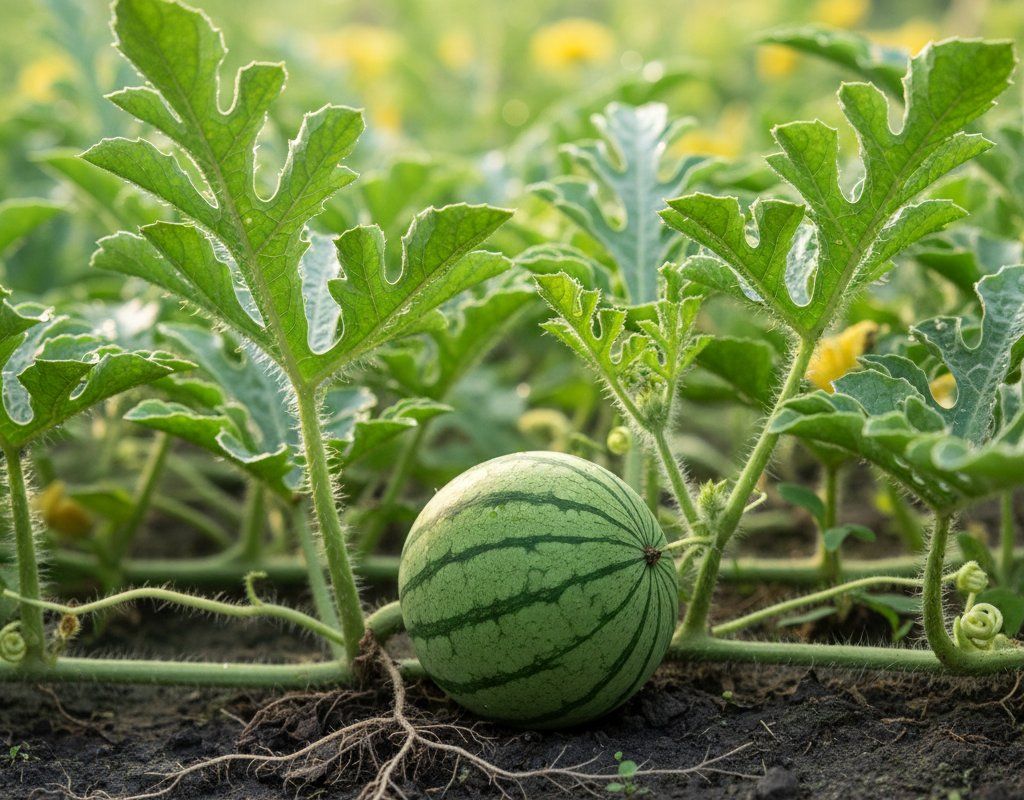
Watermelon in Zone 7A — Northern California
Citrullus lanatus · Your Complete 2026 Planting Guide
Planning Ahead — Great!
You’re ahead of the season. Here’s when to start.
Mark Your Calendar
How to Plant Watermelon in Zone 7A — Northern California
Here are all your options for getting watermelon in the ground, from the easiest method to more advanced approaches.
Direct Sow Seeds
RecommendedEarly April through early August
around April 3
Consider succession planting every 2-3 weeks for continuous harvest.
Needs warm soil. Direct sow works in zones 6+. Start indoors in colder zones.
Buy Starts
Works WellEarly April through early May
around April 3
Plant purchased starts after last frost (March 20).
Start Seeds Indoors
Works WellEarly to late March
around March 13
Then transplant: Early April through early May
Start seeds 3-5 weeks before transplanting outdoors.
Handle seedlings carefully — melons resent root disturbance.
Transplant Outdoors
Timing InfoEarly April through early May
around April 3
Wait until nighttime temperatures stay above 50°F.
You have a nice window — no need to rush.
Overview
Watermelon thrives in Northern California's Mediterranean climate, where our long 235-day growing season and warm, dry summers create ideal conditions for these heat-loving vines. Our extended warm weather means you can grow full-sized varieties that need the complete 85+ days to develop their signature sweet flavor, something gardeners in shorter-season climates often struggle with. The payoff is incredible — nothing beats the taste of a sun-warmed watermelon grown in your own backyard, especially when store-bought varieties pale in comparison to what you can achieve here.
While watermelons need consistent moisture in our dry summers and plenty of space to sprawl, the timing works beautifully with our climate patterns. Our early spring allows for both direct sowing and transplanting once soil warms, and our mild fall extends the harvest window well into early November. With some planning around water-wise gardening practices, you'll find watermelons surprisingly manageable in our region.
Starting Seeds Indoors
Starting watermelon seeds indoors isn't the preferred method here in Northern California, but it can give you a head start if you want to maximize your growing season or try varieties with longer maturity periods. Start seeds in early to late March, about three weeks before you plan to transplant outdoors. Our early spring character means you'll often have suitable outdoor conditions by early April.
Use biodegradable pots or peat pellets since watermelons hate root disturbance — you'll plant the whole container directly in the ground. Keep seeds warm (75-85°F) and use bottom watering to prevent damping off. Provide bright light once they germinate, either from a sunny south-facing window or grow lights.
Handle seedlings with extreme care when transplanting. Melons are notorious for transplant shock, so this method only makes sense if you're trying to squeeze extra growing time or have specific space management needs in your garden.
Transplanting Outdoors
If you've started watermelon seedlings indoors, transplant them outdoors from early April through early May, once nighttime temperatures consistently stay above 50°F and soil has warmed to at least 65°F. Our NorCal springs can have temperature swings, so wait until you're confident winter weather has passed — usually after mid-April in most areas.
Harden off seedlings gradually over a week, starting with just a few hours of morning sun and working up to full outdoor exposure. Plant them at least 6-8 feet apart in each direction — watermelon vines will sprawl extensively and need room to roam. Choose the sunniest, most protected spot in your garden.
Handle the root ball gently and plant at the same depth they were growing in containers. Water well after transplanting and consider using row covers if cool nights persist. Our dry spring air can stress newly transplanted melons, so keep soil consistently moist for the first few weeks while they establish.
Direct Sowing
Direct sowing is the best method for watermelons in Northern California, eliminating transplant shock while taking advantage of our warming spring soils. Sow seeds from early April through early August, with the sweet spot being late April through early June when soil temperatures reach 70°F or higher. You have a generous planting window thanks to our long growing season.
Prepare planting hills about 6-8 feet apart in each direction — these vines need serious space to spread. Work compost into each planting area and ensure good drainage. Plant 4-6 seeds per hill about 1 inch deep, then thin to the strongest 2-3 plants once they're established. Seeds germinate quickly in warm soil, usually within 7-10 days.
Our Mediterranean climate is perfect for direct sowing since you don't have to worry about unexpected late frosts once May arrives. The key is waiting for consistent warmth — soil temperature matters more than air temperature for good germination. A soil thermometer takes the guesswork out of timing.
Watering Watermelon in Zone 7A (Northern California)
Watermelons are thirsty plants that need consistent moisture throughout their growing cycle, which presents both challenges and opportunities in our dry-summer climate. Plan on providing 1-2 inches of water per week, delivered deeply and less frequently rather than light daily watering. This encourages deep root development that helps plants access moisture during our hot summer months.
Water at soil level rather than overhead to minimize disease issues and water waste — our low humidity means less disease pressure, but efficient watering is crucial given potential water restrictions. Use the finger test: stick your finger 2 inches into the soil near the base of plants. If it's dry at that depth, it's time to water. During fruit development, maintain steady moisture to prevent cracking or poor fruit development.
As harvest approaches, reduce watering about 1-2 weeks before picking to concentrate sugars and improve flavor. This timing trick works particularly well in our climate since September and October often provide just enough natural moisture without the heavy rains that can dilute flavor. Watch for signs of stress: wilting during the hottest part of the day is normal, but wilting in morning or evening indicates insufficient water.
Apply a thick layer of mulch around plants to retain soil moisture and keep weeds down. Straw or shredded leaves work well in our climate, helping conserve water while preventing soil from getting too hot during those 88°F summer days. This is especially important given our dry summers and the need for water-wise gardening practices.
🧪Fertilizing Watermelon
Feeding Schedule
Organic Fertilizer Options
Harvest Time
Your first watermelons will be ready from late June through early November, depending on when you planted and which variety you chose. With our long growing season, you can often get multiple plantings if you start early. Most varieties need their full 85+ days to develop proper sweetness, so be patient — the wait is worth it.
Look for several ripeness indicators working together: the ground spot (where the melon rests on soil) turns from white to creamy yellow, the tendril nearest to where the fruit attaches turns brown and dry, and the melon sounds hollow when you thump it with your knuckles. The skin should look dull rather than shiny, and you might notice the melon stops growing larger.
Cut the stem with pruning shears rather than pulling — watermelons don't slip from the vine like cantaloupe. Unlike some fruits, watermelons won't ripen further once picked, so make sure they're truly ready. A ripe watermelon will keep for 2-3 weeks in cool storage.
As our first frost approaches in early November, harvest any remaining fruit regardless of size. Green watermelons won't ripen off the vine, but smaller ones can sometimes be used for pickles or preserves. Our extended fall season often allows melons planted in mid-summer to fully ripen before cold weather arrives.
Common Problems in Zone 7A (Northern California)
Fusarium Wilt This shows up as wilting on one side of the plant first, then gradually spreading to the whole vine. You'll notice yellowing leaves starting on one side, and if you cut the stem open, you'll see brown streaks inside. Unlike temporary heat stress, this wilting doesn't recover with watering or cooler evening temperatures.
Fusarium wilt is caused by a soil-borne fungus that enters through the roots and persists in soil for years. Our warm summer soils actually favor this pathogen, making it a particular concern in Northern California. Once a plant is infected, there's no cure — remove and destroy the entire plant immediately. Look for varieties with 'F' resistance on seed packets, rotate your melon crops on a 4-year cycle, and maintain soil pH above 6.5 to discourage the fungus.
Anthracnose You'll see dark, sunken, circular spots on fruits, stems, and leaves that look like small craters. In our occasional humid morning fog conditions, these spots may show pink or orange spore masses. The fruit spots make melons unmarketable and can lead to complete fruit rot.
This fungal disease spreads through rain splash and thrives when humidity rises, which can happen during our marine layer events along the coast or after irrigation. Avoid overhead watering and remove any infected plant debris immediately. Apply copper fungicide preventatively if you've had problems before, and always use disease-free seeds from reputable sources.
Poor Pollination Your melons develop small, misshapen fruits or flowers bloom and drop without forming fruit. Sometimes you'll get lopsided melons that developed unevenly. This is especially frustrating since the vines look healthy and vigorous.
Poor pollination often happens when weather is too hot (above 90°F) or during those occasional cool spells that can hit even in summer. Our dry climate can also stress pollinators. Plant bee-friendly flowers nearby like sunflowers or cosmos, avoid pesticides during flowering, and consider hand-pollinating with a small brush during early morning hours. Providing a shallow water source for bees helps too.
Northern California Specific Challenges Our Mediterranean climate creates unique challenges for watermelon growing. The combination of moderate-to-hot days and low humidity means plants can stress quickly if watering lapses, while our dry summers require consistent irrigation management. Microclimates vary dramatically — coastal areas may struggle with adequate heat units while inland valleys can get too hot for good pollination during heat waves.
Best Companions for Watermelon
Plant these nearby for healthier Watermelon and better harvests.

Keep Away From
Companion Planting Details
Corn makes an excellent companion for watermelons in Northern California, providing afternoon shade during our hottest summer days while the melons spread beneath without competing for the same soil nutrients. Plant corn on the south side of your melon patch to create natural cooling. Radishes planted around the edges help deter cucumber beetles and other pests while their quick growth and harvest doesn't interfere with the spreading vines.
Sunflowers work beautifully as companions, attracting beneficial pollinators that watermelons desperately need while adding vertical interest to your garden design. Plant them where they won't shade the melons but close enough for bees to easily move between crops. Avoid planting potatoes anywhere near watermelons — they're susceptible to similar diseases, and potatoes can harbor pathogens that will jump to your melon vines in our warm soil conditions.
🌸Best Flowers to Plant with Watermelon
These flowers protect your Watermelon from pests and attract pollinators for better harvests.


Get a Reminder When It's Time to Plant
We'll email you when key planting windows open for your zone.