
Carrot in Zone 10A — Desert Southwest
Daucus carota · Your Complete 2026 Planting Guide
Still Time to Sow!
The sowing window is still open for Carrot.
Sow Seeds Soon
Carrots have a taproot and don't transplant. Direct sow only.
How to Plant Carrot in Zone 10A — Desert Southwest
Here are all your options for getting carrot in the ground, from the easiest method to more advanced approaches.
Direct Sow Seeds
RecommendedEarly January through early October
around January 6
Consider succession planting every 2-3 weeks for continuous harvest.
Carrots have a taproot and don't transplant. Direct sow only.
Buy Starts
Works WellEarly January through early February
around January 6
Plant purchased starts after last frost (January 20).
Start Seeds Indoors
ChallengingThis plant is typically not started indoors.
Transplant Outdoors
Timing InfoEarly January through early February
around January 6
Can tolerate light frost, but wait for soil to be workable.
You have a nice window — no need to rush.
Fall Planting
Early October through early November
October 23 ideal · Direct sow for fall harvest
Plant a second crop in mid-summer for fall harvest. Carrot actually prefers the cooling temperatures of fall.
Overview
Carrots offer exceptional value in the Desert Southwest, where their natural sweetness becomes even more pronounced in our cool winter growing season. Unlike store-bought carrots that often taste bland, homegrown varieties develop complex flavors through our temperature swings and low humidity conditions. You'll find varieties like Nantes and Chantenay particularly well-suited to our alkaline soils, and the satisfaction of pulling perfect orange roots from your own desert garden makes the effort worthwhile.
While our extreme summer heat and alkaline soil present challenges for carrot growing, proper timing transforms this crop from difficult to delightful. Your 339-day growing season provides two distinct windows for success - a main winter crop and a shorter spring harvest before the heat arrives. The key lies in working with our desert climate rather than against it.
Transplanting Outdoors
Carrots develop a long taproot that makes transplanting nearly impossible without damaging the root system. Even if you start seeds indoors, you'll face significant transplant shock that stunts growth or kills the plants entirely.
The transplant window from early January through early February exists primarily for gardeners who want to try pre-grown seedlings from nurseries, though success rates remain low. If you must attempt transplanting, choose only the youngest seedlings with minimal root development and handle them with extreme care during the brief hardening-off period.
Skip transplanting entirely and direct sow instead - carrots strongly prefer this method and will reward you with straighter, healthier roots when grown in their permanent location from seed.
Direct Sowing
Direct sowing remains the only reliable method for growing carrots in the Desert Southwest, and you have an extensive window from early January through early October to work with. Plant your main crop during the cooler months from early January through late February, then again in early October through early November for a fall harvest that avoids our brutal summer heat.
Prepare loose, well-draining soil by working in compost to improve our naturally alkaline conditions. Carrot seeds need soil temperatures between 45-85°F to germinate properly - perfect for our mild winter weather. Sow seeds ¼ inch deep and keep the soil consistently moist during the 10-21 day germination period, which can be challenging in our arid climate.
Space seeds about ½ inch apart initially, then thin seedlings to 2-3 inches apart once they reach 2 inches tall. This final spacing gives each carrot room to develop properly without competing for nutrients in our mineral-rich but often compacted desert soils.
Watering Carrot in Zone 10A (Desert Southwest)
Consistent moisture proves absolutely critical for carrots in our arid Desert Southwest climate, especially during the 2-3 week germination period when seeds need constant dampness to sprout. Use light, frequent watering during this stage - your soil surface should never completely dry out, which happens quickly in our low humidity environment.
Once established, carrots need about 1 inch of water per week, but delivery method matters significantly in our climate. Water deeply at soil level rather than overhead to prevent rapid evaporation and reduce disease pressure. The finger test works well here - stick your finger 2 inches into the soil, and if it's dry at that depth, it's time to water.
During our extreme summer heat, any carrots still growing will need extra attention as temperatures soar past 105°F. Mulch becomes essential to retain moisture and keep roots cool, though avoid thick mulches that can cause green shoulders. Inconsistent watering during our hot, dry periods causes root cracking and splitting - better to water deeply twice weekly than daily shallow watering.
Watch for overwatering signs like yellowing leaves or soft, rotting roots, which can occur if you're fighting our dry climate too aggressively. Underwatered carrots develop woody, bitter roots and may bolt prematurely - particularly problematic during late spring when temperatures begin climbing toward summer extremes.
🧪Fertilizing Carrot
Feeding Schedule
Organic Fertilizer Options
Harvest Time
Your first carrots will be ready for harvest about 70 days after planting, with main winter crops typically ready from mid-March through early May before summer heat becomes overwhelming. Look for carrot tops emerging at the soil surface showing about ¾ inch diameter - this indicates the roots have reached harvest size below ground.
Gently brush away soil from around the carrot shoulders to check size and color development. Mature carrots should show bright orange color (or purple, yellow, or white depending on variety) and feel firm when gently squeezed. Pull carrots straight up with a gentle twisting motion, or use a fork to loosen compacted soil first to prevent snapping the roots.
Harvest becomes urgent as our first frost approaches in late December, though carrots can tolerate light frosts and may even become sweeter after cold exposure. However, hard freezes will damage the roots, so plan to harvest your fall crop by mid-December.
Unlike tomatoes or peppers, carrots won't continue ripening after harvest, so timing matters. Overmature carrots become woody and bitter, while undermature ones lack the sweet flavor that makes homegrown carrots special in our desert climate.
Common Problems in Zone 10A (Desert Southwest)
Forking Carrot roots that split into multiple branches or grow in twisted, deformed shapes instead of straight, smooth roots indicate forking problems. You'll notice Y-shaped or multi-pronged carrots at harvest time that look more like mangled fingers than proper vegetables.
This occurs when carrot roots hit obstacles in compacted desert soil, encounter rocks common in our caliche-heavy ground, or grow in soil amended with fresh manure. Our naturally hard desert soils exacerbate this problem significantly. Create loose, deeply worked growing beds by adding compost and sand to break up clay or caliche layers. Raised beds filled with quality potting mix often provide the best solution for desert gardeners dealing with problematic native soil.
Carrot Rust Fly Small dark flies hovering around your carrot plants signal potential carrot rust fly problems, followed by rusty brown tunnels throughout the carrot roots at harvest. Plant foliage may wilt despite adequate watering, indicating root damage from larvae tunneling inside.
Adult flies lay eggs near carrot stems, and the resulting maggots bore into developing roots. Our mild Desert Southwest winters allow multiple generations per year, making this a persistent problem. Install row covers immediately after planting and maintain them until harvest for the most effective prevention. Delay spring planting until late February to avoid the first generation, and interplant with onions whose strong scent confuses the flies.
Green Shoulders Green coloration on the upper portions of carrot roots where they push above soil level creates an unsightly appearance and slightly bitter flavor. This chlorophyll development occurs when carrot shoulders receive direct sunlight exposure.
Our intense Desert Southwest sun makes this problem more severe than in cloudier climates. Regularly hill soil or apply light mulch over any exposed carrot tops as they develop throughout the growing season. Harvest carrots promptly once they reach maturity size to prevent further sun exposure. The green portions remain safe to eat but may taste bitter compared to the orange sections.
Desert Southwest Specific Challenges Our extreme heat and intense UV radiation stress carrot plants beyond their comfort zone during summer months, making spring and fall planting windows critical for success. The combination of alkaline soil, low humidity, and rapid moisture evaporation requires careful attention to consistent watering and soil amendment to achieve the loose, fertile conditions carrots demand.
Best Companions for Carrot
Plant these nearby for healthier Carrot and better harvests.

Keep Away From
Companion Planting Details
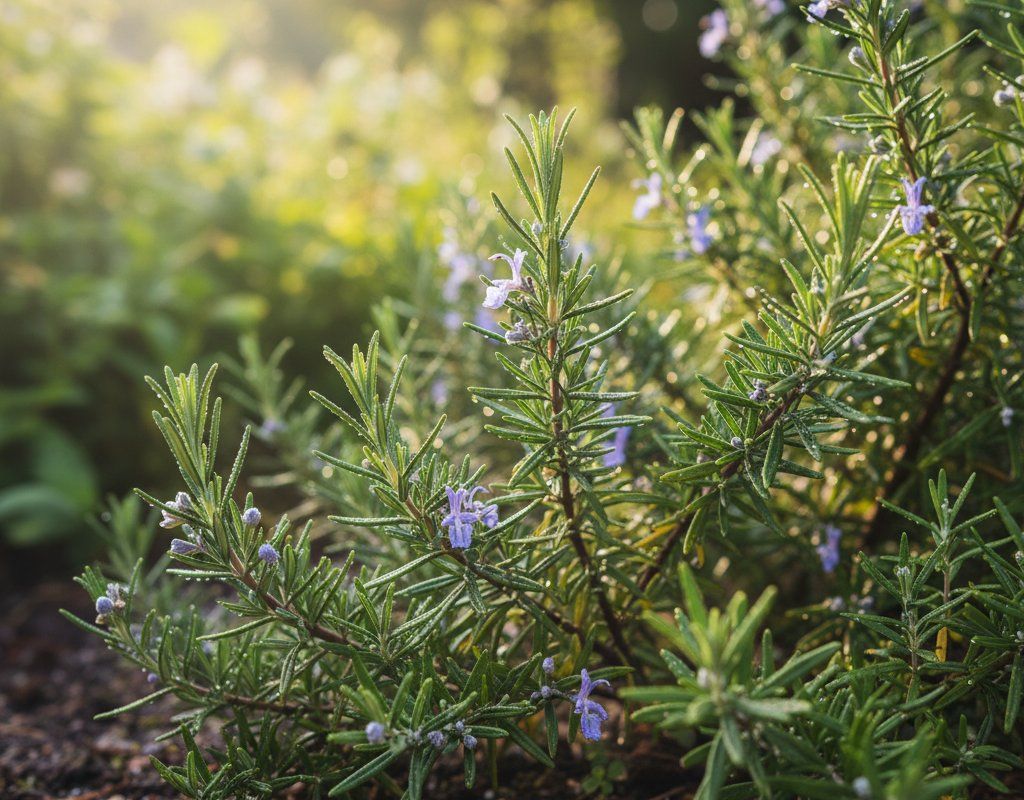
Lettuce makes an ideal companion for carrots in desert conditions, providing living mulch that shades the soil and reduces moisture evaporation while maturing quickly enough to harvest before carrots need full space. Onions offer natural pest protection against carrot rust flies while their vertical growth habit doesn't compete with developing carrot roots. Plant rosemary nearby to deter various flying insects, though keep it far enough away that its roots don't compete for water during our dry periods.
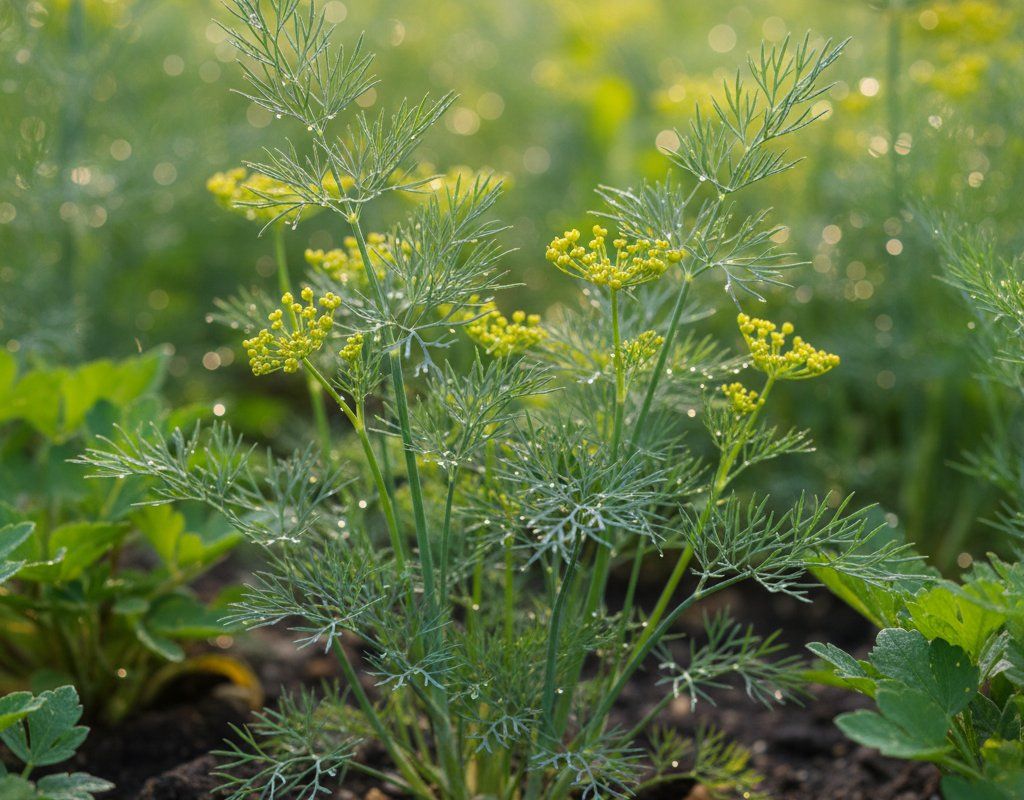
Tomatoes can work as companions when planted on the north side of carrot beds, providing afternoon shade during late spring before summer heat becomes overwhelming. Avoid planting dill near carrots as it attracts similar pests and can cross-pollinate if allowed to flower. Skip parsnips entirely as companion plants - they're nearly impossible to grow successfully in our Desert Southwest climate and compete directly with carrots for the same soil nutrients and growing space.
🌸Best Flowers to Plant with Carrot
These flowers protect your Carrot from pests and attract pollinators for better harvests.


Get a Reminder When It's Time to Plant
We'll email you when key planting windows open for your zone.