
Carrot in Zone 10B — Desert Southwest
Daucus carota · Your Complete 2026 Planting Guide
Still Time to Sow!
The sowing window is still open for Carrot.
Sow Seeds Soon
Carrots have a taproot and don't transplant. Direct sow only.
How to Plant Carrot in Zone 10B — Desert Southwest
Here are all your options for getting carrot in the ground, from the easiest method to more advanced approaches.
Direct Sow Seeds
RecommendedEarly January through early October
around January 1
Consider succession planting every 2-3 weeks for continuous harvest.
Carrots have a taproot and don't transplant. Direct sow only.
Buy Starts
Works WellEarly to late January
around January 1
Plant purchased starts after last frost (January 15).
Start Seeds Indoors
ChallengingThis plant is typically not started indoors.
Transplant Outdoors
Timing InfoEarly to late January
around January 1
Can tolerate light frost, but wait for soil to be workable.
You have a nice window — no need to rush.
Fall Planting
Mid October through mid November
October 28 ideal · Direct sow for fall harvest
Plant a second crop in mid-summer for fall harvest. Carrot actually prefers the cooling temperatures of fall.
Overview
Growing carrots in the Desert Southwest rewards you with sweet, crisp roots that put grocery store versions to shame. Our 349-day growing season gives you two distinct planting windows – cool winter months and that precious fall season before first frost. The dry desert air means fewer fungal issues, and our mild winters let carrots develop slowly for maximum sweetness.
Yes, the extreme heat and alkaline soil present challenges, but proper timing makes carrots surprisingly manageable here. Plant during our cooler months, provide consistent moisture during germination, and you'll harvest beautiful roots that thrive in our unique desert conditions.
Transplanting Outdoors
Transplanting carrots isn't recommended since they develop a deep taproot that doesn't tolerate root disturbance. If you've started seeds indoors for some reason, transplant only during early to late January when soil temperatures are cool and roots can establish before heat arrives.
Any transplant attempts need a full week of hardening off – gradually increasing outdoor exposure from shade to morning sun. Space transplants 2-3 inches apart in loose, deep soil. Even with perfect care, transplanted carrots often develop forked or stunted roots.
The reality is that carrots perform best when direct-sown in their permanent location, especially in our desert conditions where root stress can quickly become fatal.
Direct Sowing
Direct sowing is the only reliable way to grow carrots in the Desert Southwest. Your main planting windows run from early January through early October, avoiding our brutal summer months when soil temperatures soar above 90°F. Plant cool-season crops like carrots during our mild winters, then again in fall as temperatures drop.
Prepare loose, rock-free soil at least 8 inches deep – our caliche layer can cause forking if roots hit that hardpan. Soil temperature should be between 45-85°F for good germination. Sow seeds ¼ inch deep and space them about 2-3 inches apart, or plant thickly and thin later.
Keep the soil consistently damp for the critical first 2-3 weeks while seeds germinate. In our arid climate, this means daily light watering or covering with a board until sprouts emerge. Remove any covering once you see green shoots breaking through.
Watering Carrot in Zone 10B (Desert Southwest)
Carrots need consistent moisture throughout their growing cycle, making water management crucial in our desert climate. During germination, keep the top inch of soil constantly damp – this means daily watering in our dry air. Once established, carrots need about 1 inch of water per week, delivered slowly and deeply.
The finger test works well: stick your finger 2 inches into the soil near your carrots. If it's dry at that depth, it's time to water. Our extreme summer heat means any carrots growing during warm months need shade cloth and more frequent watering to prevent stress and bitter flavors.
Water at the base of plants rather than overhead – our arid conditions mean less disease pressure, but consistent soil moisture matters more than humidity around the leaves. Uneven watering causes cracking and forking, especially when dry periods are followed by heavy monsoon rains.
Apply a light mulch around established plants to conserve moisture and regulate soil temperature. In our intense sun, even winter plantings benefit from mulch to prevent the soil surface from drying out between waterings.
🧪Fertilizing Carrot
Feeding Schedule
Organic Fertilizer Options
Harvest Time
Your first carrots will be ready for harvest about 70 days after sowing, typically appearing from mid-March through early January depending on your planting window. Look for carrot shoulders pushing up at soil level – they should be about ¾ inch in diameter for standard varieties.
Gently pull smaller carrots or use a garden fork to loosen soil first for larger roots. Harvest in the morning when roots are crisp and full of moisture. Baby carrots can be harvested anytime once they reach finger thickness, while full-size carrots develop the best flavor when they've had time to mature completely.
Winter-grown carrots often taste sweetest since cool soil temperatures concentrate sugars in the roots. Fall-planted carrots can stay in the ground through our mild winter until late December when first frost threatens. Cold soil actually improves carrot flavor, so don't rush the harvest.
Once soil temperatures warm above 80°F consistently, remaining carrots tend to become woody and bitter. Harvest any stragglers before the extreme heat of late spring arrives.
Common Problems in Zone 10B (Desert Southwest)
Forking Deformed carrots with multiple roots instead of one straight taproot are common in desert soils. You'll see short, stubby roots that split into several "fingers" rather than growing straight down. Our alkaline soil and underlying caliche layer cause this when roots hit obstacles and divide around them. Improve soil by adding compost and creating raised beds with loose potting mix. Remove rocks and break up compacted soil to at least 8 inches deep.
Carrot Rust Fly Small dark flies hovering around your carrot patch, followed by rusty brown tunnels through harvested roots, indicate carrot rust fly damage. The larvae tunnel into developing carrots, creating dark trails and weakening plants. Our two growing seasons mean two potential fly generations to deal with. Row covers provide the best protection during egg-laying periods. Interplant carrots with onions – their strong scent confuses the flies and provides natural deterrence.
Green Shoulders Carrot tops exposed to sunlight develop green coloration where they push above soil level. While safe to eat, these areas taste bitter and look unappetizing. Our intense desert sun makes this problem more pronounced than in other regions. Hill soil around developing carrot shoulders or apply mulch to keep roots covered. Check plantings regularly and cover any exposed orange roots before they turn green.
Desert Southwest Specific Challenges Our extreme heat and arid conditions intensify common carrot problems. Alkaline soil can lock up nutrients, while our intense UV radiation makes any sun exposure on roots more damaging. Water scarcity means inconsistent moisture – a major cause of forking and cracking. Plan for shade cloth during transitional seasons and focus on soil improvement to overcome our challenging desert conditions.
Best Companions for Carrot
Plant these nearby for healthier Carrot and better harvests.

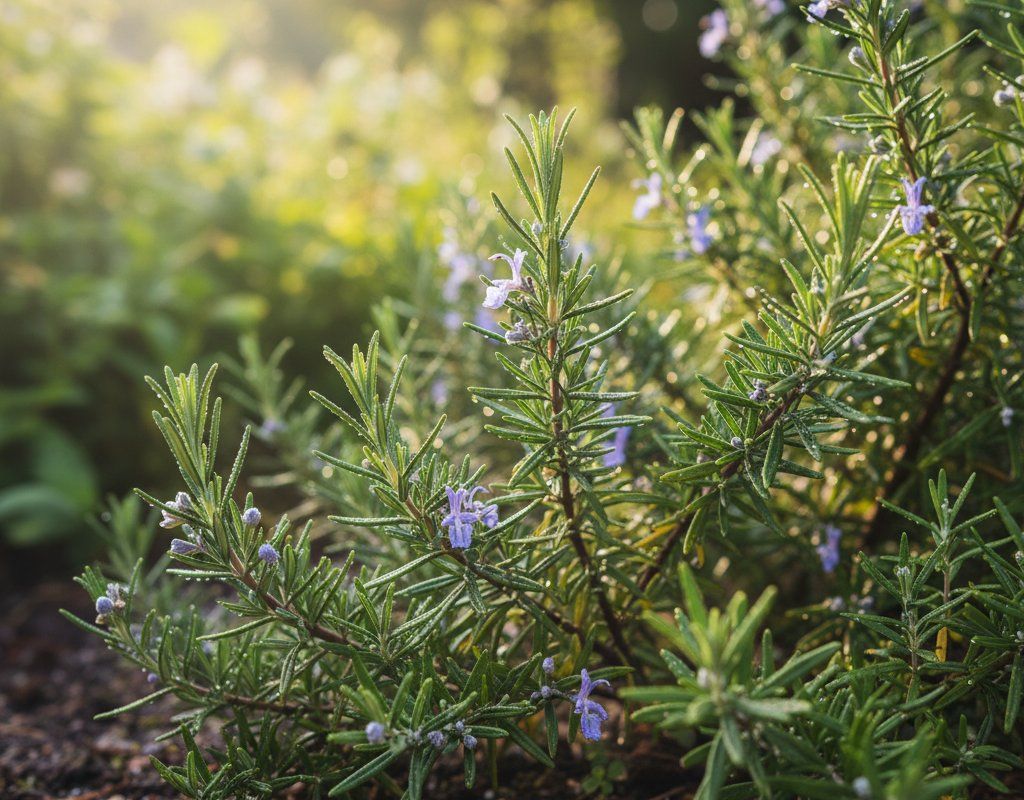
Keep Away From
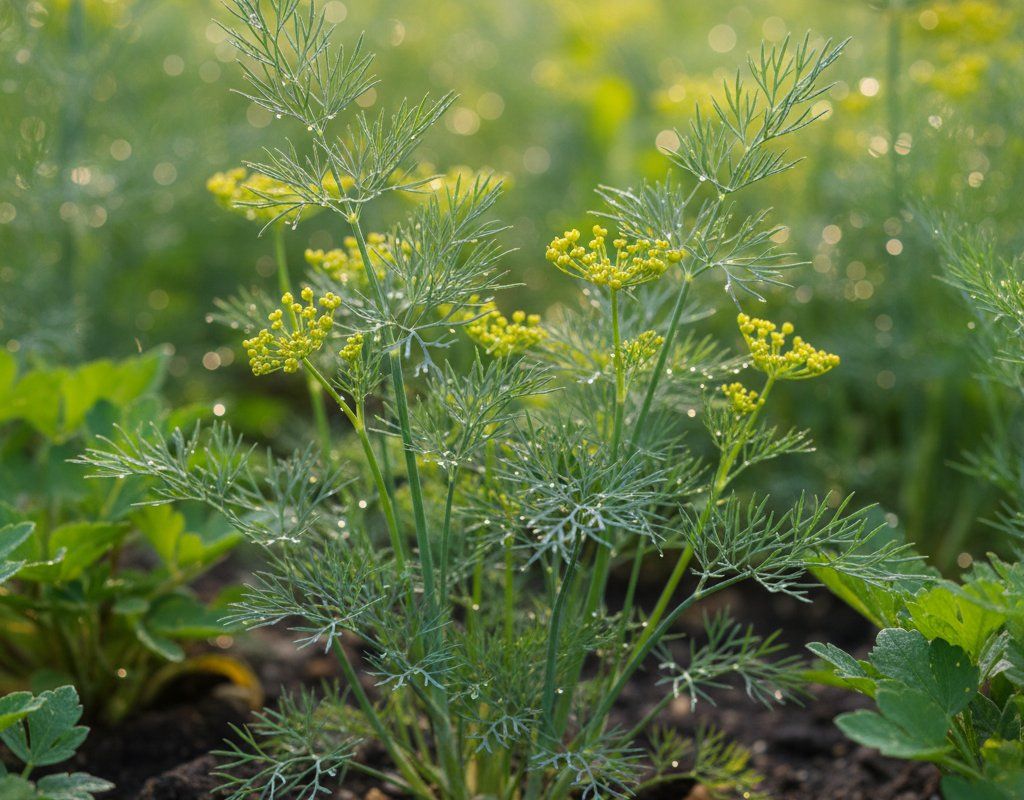
Companion Planting Details
Lettuce makes an excellent carrot companion in desert gardens – it provides living mulch that keeps carrot soil cool and moist while maturing quickly enough to harvest before carrots need full space. Onions planted nearby confuse carrot rust flies with their strong scent and don't compete for root space. Tomatoes and carrots work well together since tomato roots grow differently and shade from tomato plants helps protect carrots during our intense spring heat.
Avoid planting dill near carrots as it can cross-pollinate and affect flavor, plus dill's taproot competes directly with developing carrots. Parsnips should be grown separately since they're in the same family and attract similar pests while requiring nearly identical growing conditions – you'll end up with competition for space and nutrients.
🌸Best Flowers to Plant with Carrot
These flowers protect your Carrot from pests and attract pollinators for better harvests.


Get a Reminder When It's Time to Plant
We'll email you when key planting windows open for your zone.