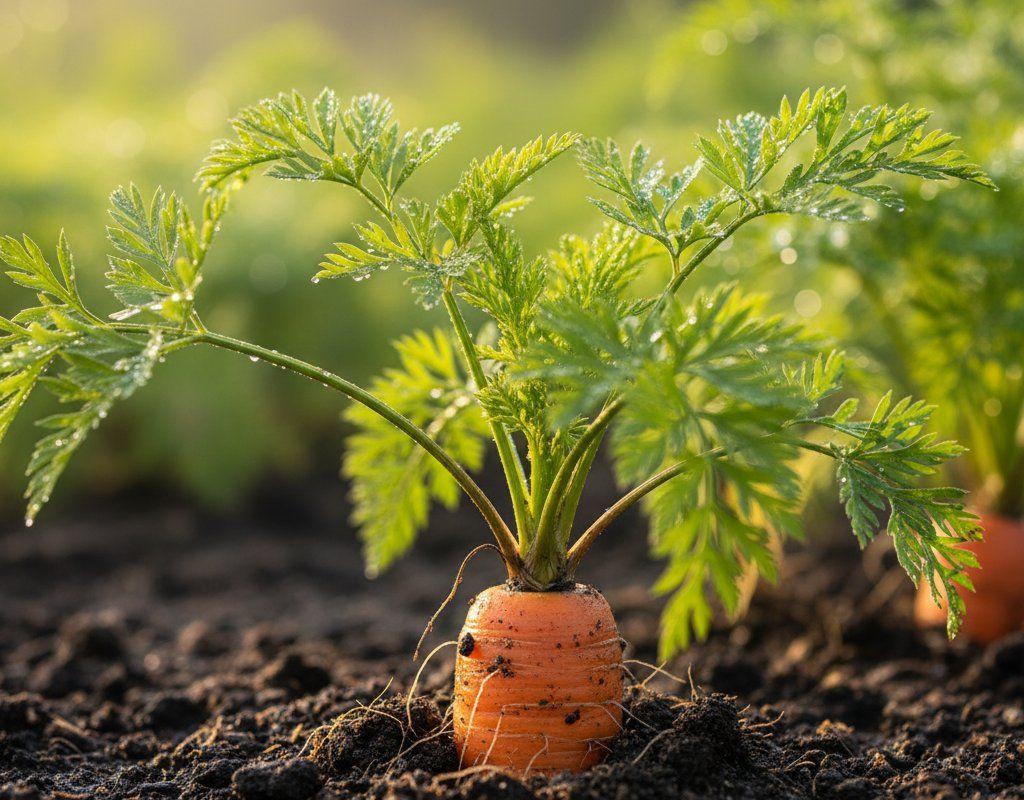
Carrot in Zone 3B — Midwest
Daucus carota · Your Complete 2026 Planting Guide
Planning Ahead — Great!
You’re ahead of the season. Here’s when to start.
Mark Your Calendar
How to Plant Carrot in Zone 3B — Midwest
Here are all your options for getting carrot in the ground, from the easiest method to more advanced approaches.
Direct Sow Seeds
RecommendedEarly May through late June
around May 6
Consider succession planting every 2-3 weeks for continuous harvest.
Carrots have a taproot and don't transplant. Direct sow only.
Buy Starts
Works WellEarly May through early June
around May 6
Plant purchased starts after last frost (May 20).
Start Seeds Indoors
ChallengingThis plant is typically not started indoors.
Transplant Outdoors
Timing InfoEarly May through early June
around May 6
Can tolerate light frost, but wait for soil to be workable.
You have a nice window — no need to rush.
Fall Planting
Late June through late July
July 14 ideal · Direct sow for fall harvest
Plant a second crop in mid-summer for fall harvest. Carrot actually prefers the cooling temperatures of fall.
Overview
Carrots in Zone 3B bring garden-to-table sweetness that store-bought roots can't match. Our fertile Midwest soil produces carrots with incredible flavor and crunch, while the moderate summer heat develops their natural sugars without stress. You'll get consistent harvests from mid-July through late September, perfect for fresh eating, storing, and preserving.
The Midwest's variable spring weather and potential late frosts can seem tricky, but carrots are actually forgiving once you get the timing right. With our 118-day growing season and reliable summer rainfall, you have plenty of flexibility for successive plantings. The key is working with our clay soil and waiting until conditions are right for germination.
Transplanting Outdoors
Carrots have a long taproot that makes transplanting nearly impossible without damaging the plant. Unlike other vegetables that you can start indoors and move outside, carrots must be direct-sown where they'll grow.
The taproot is what makes carrots so nutritious and flavorful, but it also means they don't tolerate root disturbance. Any attempt to transplant will likely result in forked, stunted, or dead plants.
Skip the indoor seed starting entirely and plan for direct sowing when soil conditions are right in your garden.
Direct Sowing
Direct sow carrot seeds from early May through late June in the Midwest, starting about two weeks after your last expected frost. Wait until soil temperature reaches at least 45°F and you can work your clay soil without it clumping. Memorial Day weekend is often ideal for your first planting.
Prepare a deep, loose seedbed by working compost into clay soil at least 8 inches down. Remove rocks and break up clods that could cause forking. Sow seeds ¼ inch deep in rows 12 inches apart, then thin seedlings to 2-3 inches apart once they're 2 inches tall. Carrot seeds are tiny and slow to germinate, so be patient.
For continuous harvest, make successive sowings every 2-3 weeks through late June. This gives you fresh carrots throughout summer and fall, taking advantage of our long growing season and reliable moisture.
Watering Carrot in Zone 3B (Midwest)
Consistent moisture is absolutely critical during carrot germination, which takes 10-21 days in our Midwest conditions. Keep the soil surface damp but not soggy for the first 2-3 weeks after sowing. Once established, carrots need about 1 inch of water per week, including rainfall.
Our wet summers usually provide adequate moisture, but check soil 2 inches deep with your finger test during heat spells. The moderate-to-humid conditions mean you can water at soil level to avoid leaf diseases, though carrots are generally resistant to foliar problems. Deep, even watering encourages straight root development and prevents cracking.
Summer heat spells above 86°F can stress shallow-rooted young carrots, so mulch lightly around plants to keep soil cool and retain moisture. Avoid overhead watering during these hot periods since wet foliage combined with our humidity can encourage problems.
Uneven watering causes carrots to crack or develop tough cores. With our 30-40 inches of annual rainfall, you'll mainly need to supplement during dry weeks in July and August. Stop regular watering about a week before harvest to concentrate flavors.
🧪Fertilizing Carrot
Feeding Schedule
Organic Fertilizer Options
Harvest Time
Your first carrots will be ready for harvest from mid-July through late September, typically 70 days after sowing. Look for carrot tops that are about ¾ inch in diameter where they meet the soil surface - you can often see the orange shoulders poking up slightly.
Test harvest by gently pulling one carrot from loose soil, or use a garden fork to loosen the soil around the root first. The carrot should slide out easily without snapping. If it resists, loosen more soil rather than yanking and breaking the root.
Harvest carrots gradually as needed rather than all at once. They'll stay fresh in the ground longer than in storage, especially during cool fall weather. As our first frost approaches in mid-September, harvest remaining carrots for storage or leave small ones in the ground - they're hardy enough to survive light frosts.
For best flavor, harvest in the morning when roots are crisp and full of moisture. Cut tops off immediately, leaving about ½ inch of stem to prevent moisture loss.
Common Problems in Zone 3B (Midwest)
Forking Forked or twisted carrots with multiple "legs" instead of straight roots are common in heavy clay soil. You'll see perfectly healthy tops but deformed, unusable roots at harvest. Our dense Midwest clay naturally compacts over winter, and any rocks or hard clods cause developing taproots to split around obstacles.
Work compost deeply into clay soil before planting and consider raised beds with loose potting mix for problem areas. Never use fresh manure, which causes excessive forking - use well-composted material instead. Choose shorter varieties like 'Paris Market' for heavy clay rather than long types like 'Imperator'.
Carrot Rust Fly Small rusty-brown tunnels through carrot roots signal carrot rust fly damage. You might notice small dark flies hovering around plants in late spring, followed by wilting despite adequate moisture. The maggots tunnel into developing roots, making them inedible.
Row covers provide the best protection, especially during peak fly activity in late May through June. Our variable spring weather means timing can shift, so keep covers on until plants are well established. Interplanting with onions helps mask carrot scent that attracts flies. Avoid thinning during fly season since bruised leaves release attractive odors.
Green Shoulders Green coloring on the top portion of carrot roots where they push above soil level is common as carrots mature. The exposed areas develop chlorophyll and turn green to bitter, though they're still safe to eat.
Hill soil or add mulch around carrot tops as they develop to keep shoulders covered. This is especially important during our summer heat spells when carrots grow rapidly. Regular side-dressing with soil prevents the problem entirely.
Midwest Specific Challenges: Our clay soil creates the perfect conditions for forking, while humid summers can encourage pest problems. However, consistent rainfall usually keeps plants healthy, and our fertile soil produces exceptional flavor when properly prepared.
Best Companions for Carrot
Plant these nearby for healthier Carrot and better harvests.

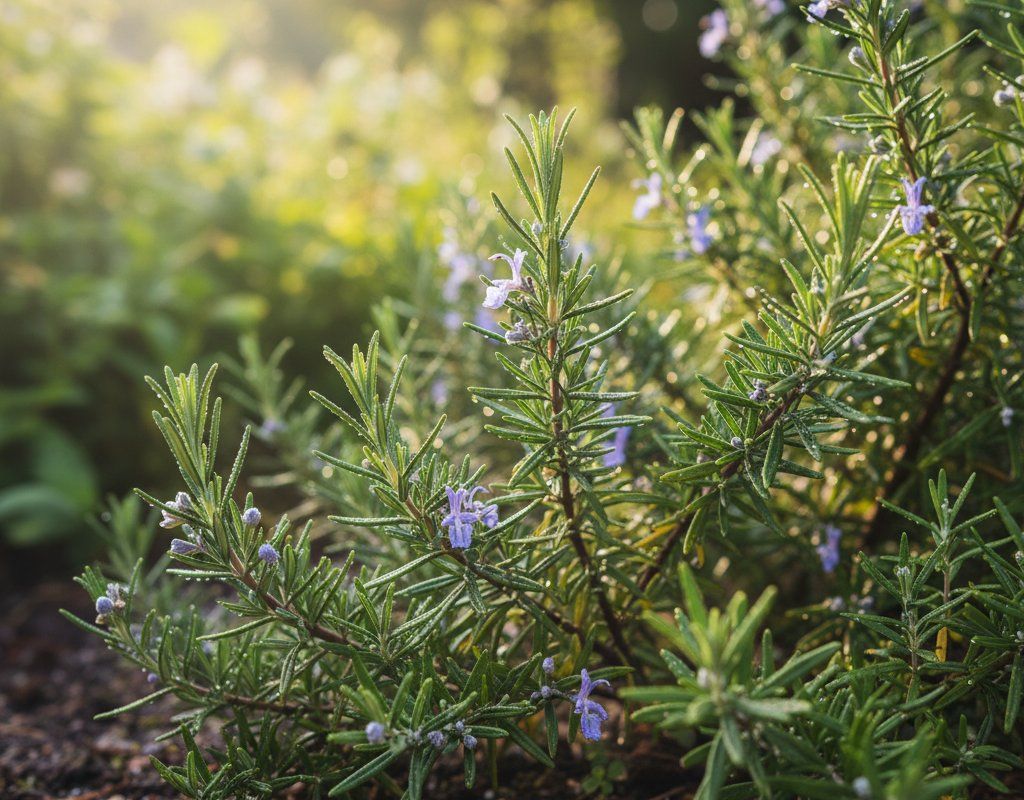
Keep Away From
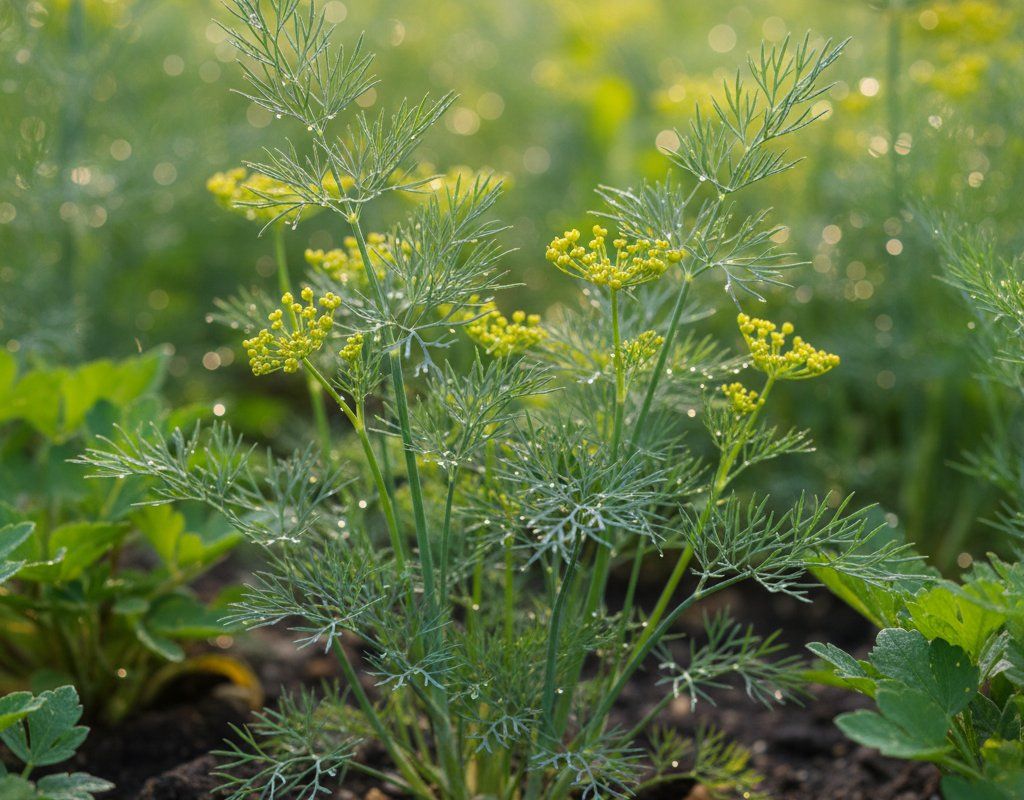
Companion Planting Details
Onions make excellent carrot companions, masking the scent that attracts carrot rust flies while their shallow roots don't compete with carrot taproots. Lettuce works well planted between carrot rows - it matures quickly and provides living mulch during our hot July weather. Tomatoes planted nearby can actually improve carrot flavor, though keep them far enough apart to avoid root competition.
Avoid planting carrots near dill, which can attract the same pests and actually reduce carrot germination rates. Parsnips should be grown separately since they're in the same family and attract similar pests, plus they need deeper soil preparation that can disturb shallow carrot roots if planted too close.
🌸Best Flowers to Plant with Carrot
These flowers protect your Carrot from pests and attract pollinators for better harvests.


Get a Reminder When It's Time to Plant
We'll email you when key planting windows open for your zone.