
Calendula in Zone 3B — Midwest
Calendula officinalis · Your Complete 2026 Planting Guide
Planning Ahead — Great!
You’re ahead of the season. Here’s when to start.
Mark Your Calendar
How to Plant Calendula in Zone 3B — Midwest
Here are all your options for getting calendula in the ground, from the easiest method to more advanced approaches.
Direct Sow Seeds
RecommendedEarly May through mid July
around May 6
Consider succession planting every 2-3 weeks for continuous harvest.
Start Seeds Indoors
RecommendedMid March through early April
around March 25
Then transplant: Early May through mid June
Start seeds 6-8 weeks before transplanting outdoors.
Buy Starts
Works WellEarly May through mid June
around May 6
Plant purchased starts after last frost (May 20).
Transplant Outdoors
Timing InfoEarly May through mid June
around May 6
Can tolerate light frost, but wait for soil to be workable.
You have a nice window — no need to rush.
Overview
Calendula is a fantastic addition to any Midwest garden. The bright, cheerful flowers bring beauty to your yard, and the petals are edible, adding a slightly peppery kick to salads. Plus, calendula is known for its medicinal properties, making it a versatile and rewarding plant to grow right here in our fertile soil.
Our Midwest weather can be unpredictable, with temperature swings in the spring and occasional summer heat spells. But with a little attention to timing, you can easily grow Calendula within our 118-day growing season. You’ll be enjoying blooms from mid-summer until the first frost.
Starting Seeds Indoors
Starting calendula indoors is definitely an option, especially if you want a head start on the season, but it's not essential. If you're eager to see those first blooms as early as possible, starting seeds indoors from mid-March through early April, about six weeks before you plan to transplant, gives you a jump.
Use seed trays with a good seed-starting mix and keep them in a warm spot, ideally around 70°F. A heat mat can help. Provide plenty of light, either with a grow light or a sunny windowsill. Don’t forget to water from the bottom to avoid damping off. Given our moderate-to-late springs, this indoor head start can be especially helpful.
Transplanting Outdoors
Transplanting calendula outdoors should be done after the danger of frost has passed, generally from early May through mid-June. Before planting them in the ground, you'll want to harden them off. This means gradually exposing them to outdoor conditions for about a week.
Start by placing them in a sheltered spot for a few hours each day, increasing the time gradually. Plant them 8-12 inches apart in a sunny spot with well-drained soil. Keep an eye on the weather forecast. We often get a late cold snap in May, so be prepared to cover your seedlings if necessary.
Direct Sowing
Direct sowing calendula is the easiest and most common method for us Midwest gardeners. Wait until the soil has warmed up a bit, usually from early May through mid-July. Calendula germinates best when the soil temperature is around 65-70°F.
Prepare the soil by loosening it and removing any weeds. Sow the seeds about ½ inch deep and 8-12 inches apart. Keep the soil consistently moist until the seedlings emerge, which usually takes about a week. Direct sowing saves you the hassle of indoor starting and transplanting, but you might get a slightly later start.
Watering Calendula in Zone 3B (Midwest)
Calendula needs moderate watering, which means paying attention to the weather and your soil. During the wetter parts of our Midwest summer, you might not need to water them at all. But during drier spells, especially if we get one of those summer heat spells, they'll need a good soak.
Stick your finger about two inches deep into the soil. If it feels dry, it's time to water. Aim for about an inch of water per week, either from rainfall or irrigation. Water at the base of the plants to avoid getting the leaves wet, especially with our moderate-to-humid conditions; this helps prevent fungal diseases.
If the leaves start to wilt or turn yellow, you're likely overwatering. If the leaves are dry and crispy, they need more water. Mulching around the plants with straw or wood chips helps retain moisture and keeps the soil cool.
Pruning & Maintaining Calendula
Deadheading is key to keeping your calendula plants blooming all season long. Simply pinch or cut off the spent flowers just below the flower head. This encourages the plant to produce more flowers rather than putting energy into seed production.
Do this regularly, every few days or once a week, depending on how quickly the flowers are fading. Towards the end of the season, around the time of our first frost in mid-September, you can let some of the flowers go to seed if you want them to self-sow for next year.
🧪Fertilizing Calendula
Feeding Schedule
Organic Fertilizer Options
Harvest Time
You can expect your first calendula harvest about 45 days after planting, typically from mid-June through late September here in the Midwest. Harvest the flowers when they are fully open, ideally in the morning after the dew has dried.
Gently pluck the flower heads from the plant, taking care not to damage the surrounding foliage. To encourage continued production, harvest regularly. As the first frost approaches, harvest all the remaining flowers, even the ones that aren't fully open, as they will continue to mature indoors. You can dry the petals for later use in teas, salves, or culinary dishes.
Common Problems in Zone 3B (Midwest)
Here are a few common problems you might encounter with calendula in the Midwest:
Powdery Mildew
- What it looks like: White or grayish powdery coating on leaves, stems. Leaves curl, yellow, and die.
- What causes it: Fungi thrive in warm days, cool nights, and moderate humidity. Dry leaf surfaces actually favor it. This can be common after a temperature swing.
- How to fix/prevent it: Improve air circulation through spacing and pruning. Remove affected leaves. Neem oil or potassium bicarbonate sprays help. Milk spray (1 part milk to 9 parts water) is surprisingly effective.
Aphids
- What it looks like: Clusters of tiny soft-bodied insects (green, black, or white) on stems and leaf undersides. Sticky honeydew residue. Curled or distorted new growth.
- What causes it: Rapid-reproducing sap-sucking insects. Populations explode in warm weather. Ant colonies may farm them for honeydew.
- How to fix/prevent it: Strong water spray knocks them off. Encourage ladybugs and lacewings (natural predators). Insecticidal soap for heavy infestations. Neem oil works systemically. Avoid excess nitrogen fertilizer (it attracts them).
Whiteflies
- What it looks like: Tiny white insects that fly up when disturbed. Yellowing leaves. Sticky honeydew residue.
- What causes it: Sap-sucking insects that thrive in warm, humid conditions. They can be a problem during our summer heat spells.
- How to fix/prevent it: Hang yellow sticky traps to catch them. Spray with insecticidal soap or neem oil. Encourage natural predators like lacewings and parasitic wasps.
Midwest Specific Challenges: Our moderate-to-hot heat and moderate-to-humid humidity, coupled with our wet-summer rainfall, can create ideal conditions for fungal diseases like powdery mildew. Monitor your plants closely and take preventative measures like ensuring good air circulation and avoiding overhead watering.
Best Companions for Calendula
Plant these nearby for healthier Calendula and better harvests.
View Full Companion Planting Chart →

Companion Planting Details
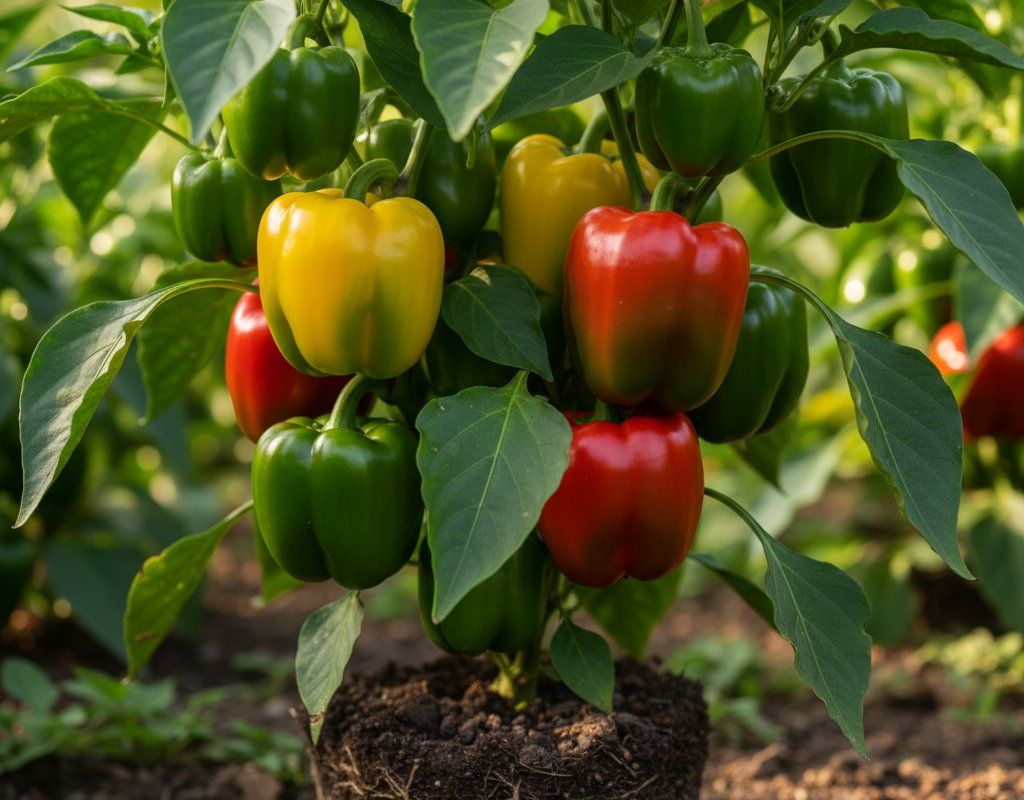
Calendula makes a great companion plant in the Midwest garden. Plant them near tomatoes and peppers to help repel pests like tomato hornworms and aphids. The calendula attracts beneficial insects that prey on these pests, keeping your tomatoes and peppers healthier.
Calendula also does well planted near green beans. It can attract pollinators to help with bean production. Avoid planting calendula near plants in the brassica family (like cabbage, broccoli, and cauliflower), as they can compete for nutrients and attract similar pests.
🥬Best Vegetables to Pair With Calendula
Calendula benefits these vegetables through pest control, pollinator attraction, or improved garden health.




Get a Reminder When It's Time to Plant
We'll email you when key planting windows open for your zone.