
Carrot in Zone 3B — Mountain West
Daucus carota · Your Complete 2026 Planting Guide
Planning Ahead — Great!
You’re ahead of the season. Here’s when to start.
Mark Your Calendar
How to Plant Carrot in Zone 3B — Mountain West
Here are all your options for getting carrot in the ground, from the easiest method to more advanced approaches.
Direct Sow Seeds
RecommendedMid May through mid June
around May 11
Direct sow as soon as conditions allow.
Carrots have a taproot and don't transplant. Direct sow only.
Buy Starts
Works WellMid May through early June
around May 11
Plant purchased starts after last frost (May 25).
Start Seeds Indoors
ChallengingThis plant is typically not started indoors.
Transplant Outdoors
Timing InfoMid May through early June
around May 11
Can tolerate light frost, but wait for soil to be workable.
You have a nice window — no need to rush.
Fall Planting
Late June through late July
July 9 ideal · Direct sow for fall harvest
Plant a second crop in mid-summer for fall harvest. Carrot actually prefers the cooling temperatures of fall.
Overview
Carrots are absolutely worth growing in our Zone 3B Mountain gardens, where our intense sunlight and cool nights produce incredibly sweet, crisp roots with concentrated flavor. The low humidity and reduced disease pressure mean your carrots develop clean, healthy foliage while the cool evenings help sugars accumulate in the roots. Plus, there's nothing quite like pulling your own perfectly straight carrots from loose mountain soil - store-bought varieties simply can't match that garden-fresh crunch and sweetness.
Our short 108-day growing season and late spring timing might seem challenging for carrots, but their hardy nature actually works in our favor. These cool-season champions handle our late May planting window beautifully and mature reliably before our early September frosts arrive. The key is understanding that carrots need consistent moisture during their long germination period, which takes extra attention in our low-humidity, high-altitude environment.
Transplanting Outdoors
Carrots develop a long taproot and absolutely cannot be transplanted successfully - they must be direct sown where you want them to grow. Any attempt to move carrot seedlings results in damaged or forked roots that never recover properly.
If you see carrot transplants at local nurseries, skip them entirely. The stress of transplanting will cause the taproot to fork or become stunted, leaving you with deformed, unusable carrots. Direct sowing is your only viable option for success with carrots in our mountain gardens.
Direct Sowing
Direct sow your carrot seeds from mid-May through mid-June, once soil temperatures consistently reach 45°F and our last frost danger has passed. In our mountain climate, this timing gives carrots the full growing season they need while avoiding the harsh temperature swings of early spring. Prepare your planting bed by working the soil deeply and removing all rocks, clods, and debris - carrots need loose, fine soil to develop straight roots.
Sow seeds about half an inch deep and initially quite close together, then thin to 2-3 inches apart once seedlings are about two inches tall. The fine seeds can be tricky to space evenly, so many mountain gardeners mix them with sand for better distribution. Keep the soil consistently moist during the 14-21 day germination period, which is critical in our low-humidity environment where soil surfaces dry quickly.
For best results in our alkaline mountain soils, choose shorter varieties like Paris Market or Chantenay types that handle heavier soil better than long, slender varieties. These compact carrots are also less likely to fork when they encounter our naturally rocky soil conditions.
Watering Carrot in Zone 3B (Mountain West)
Carrots need consistent moisture throughout their growing cycle, and this requires extra attention in our dry mountain climate where annual rainfall averages just 10-20 inches. During the critical germination period, check soil daily and keep the top inch consistently damp for the full 2-3 weeks it takes seeds to emerge. A light mulch of fine compost helps retain moisture without creating a barrier for the delicate seedlings.
Once established, carrots need about 1 inch of water per week, applied deeply and evenly. Use the finger test - stick your finger 2 inches into the soil near the plants, and water when it feels dry at that depth. In our low-humidity environment, overhead watering works fine and can actually help cool the foliage during our intense midday sun, but water early morning to reduce evaporation loss.
Inconsistent watering causes serious problems with carrots - too little water during development creates woody, bitter roots, while alternating wet and dry periods causes the roots to crack and split. Our moderate summer temperatures (typically reaching 85°F) mean carrots don't stress as much as in hotter climates, but maintaining steady soil moisture is still essential for quality roots.
Apply a thin layer of straw mulch around established plants to conserve moisture and reduce watering frequency. This is especially valuable during our dry late summer period when rainfall drops significantly and soil moisture becomes harder to maintain.
🧪Fertilizing Carrot
Feeding Schedule
Organic Fertilizer Options
Harvest Time
Your first carrots will be ready for harvest from mid-July through mid-September, typically 70 days after sowing. In our mountain climate, you can often extend harvest into early fall since carrots actually improve in flavor after experiencing a few light frosts. Look for carrot tops that are about 3/4 inch in diameter at soil level - this indicates roots that are mature and full-sized below ground.
The best harvest indicator is when you can see the orange shoulder of the carrot just peeking above the soil surface. Gently brush away soil from around one or two carrots to check their development. Mature carrots should be bright orange, firm, and about the expected size for your variety. Harvest by grasping the foliage close to the root and pulling straight up, or loosen the soil first with a garden fork if your mountain soil is compacted.
Carrots don't continue to ripen once pulled, so timing your harvest correctly is important. However, they can stay in the ground quite well until you're ready to use them - just be sure to harvest everything before our first hard frost in early September, which can damage the foliage and make harvest more difficult.
For storage, brush off soil but don't wash the carrots until you're ready to use them. Cut the foliage to about an inch above the root to prevent moisture loss, and store in your refrigerator where they'll keep for several months. Our cool mountain nights help carrots develop better storage quality than those grown in hotter climates.
Common Problems in Zone 3B (Mountain West)
Forking appears as carrot roots that split into multiple branches or develop twisted, deformed shapes instead of growing straight and uniform. This frustrating problem is especially common in our rocky mountain soils where roots hit obstacles and divide around them. Fresh manure, compacted soil, or even small stones can cause developing carrots to fork and become unusable.
To prevent forking, work your carrot bed deeply and remove every rock, stick, and clod you can find. Raised beds filled with loose, screened compost work exceptionally well in our naturally rocky soils. Never use fresh manure in carrot beds - stick to well-composted materials that won't interfere with root development. Choose shorter carrot varieties like Paris Market if your soil tends to be heavy or difficult to work.
Carrot rust fly shows up as rusty brown tunnels threading through your carrot roots, often accompanied by small dark flies hovering around the plants and wilting foliage despite adequate watering. The fly larvae tunnel into developing roots, making them inedible and disgusting. Fortunately, our high altitude and intense UV conditions make carrot rust fly less common than in lower elevations, but it can still be problematic during humid periods.
Row covers provide the most reliable protection against carrot rust fly and work especially well in our intense mountain sun where the covers don't overheat plants. Install covers immediately after sowing and keep them in place until harvest. Interplanting carrots with onions helps confuse the adult flies with competing scents. Avoid thinning during peak fly activity periods since the bruised foliage attracts egg-laying females.
Green shoulders develop when the top portions of carrot roots push above soil level and turn green from exposure to our intense mountain sunlight. While the green portions are safe to eat, they often taste bitter and detract from the carrot's appearance. Our high-altitude UV makes this problem more pronounced than in lower-elevation gardens.
Prevent green shoulders by hilling soil or mulch over any exposed carrot tops as the roots develop. Check your carrot bed regularly and cover any orange shoulders that become visible at the soil surface. Harvest carrots promptly when mature rather than leaving them in the ground where they'll continue pushing upward. A thick mulch layer helps prevent shoulders from emerging while conserving moisture.
Mountain West Specific Challenges: Our combination of intense UV, low humidity, and alkaline soil creates unique challenges for carrot growing. The intense sunlight can stress young seedlings and promote green shoulders, while low humidity makes consistent soil moisture difficult to maintain during the critical germination period. Alkaline mountain soils sometimes cause nutrient deficiencies that result in pale, stunted carrots - adding sulfur or organic matter can help lower pH gradually for better carrot performance.
Best Companions for Carrot
Plant these nearby for healthier Carrot and better harvests.

Keep Away From
Companion Planting Details
Carrots pair beautifully with lettuce in our mountain gardens since both crops appreciate consistent moisture and the lettuce provides helpful shade during our intense midday sun. Plant lettuce between carrot rows to maximize space and create beneficial microclimates. Onions make excellent carrot companions because their strong scent confuses carrot rust fly, while their upright growth doesn't interfere with carrot root development. Both crops also have similar watering needs, making garden management simpler in our dry climate.
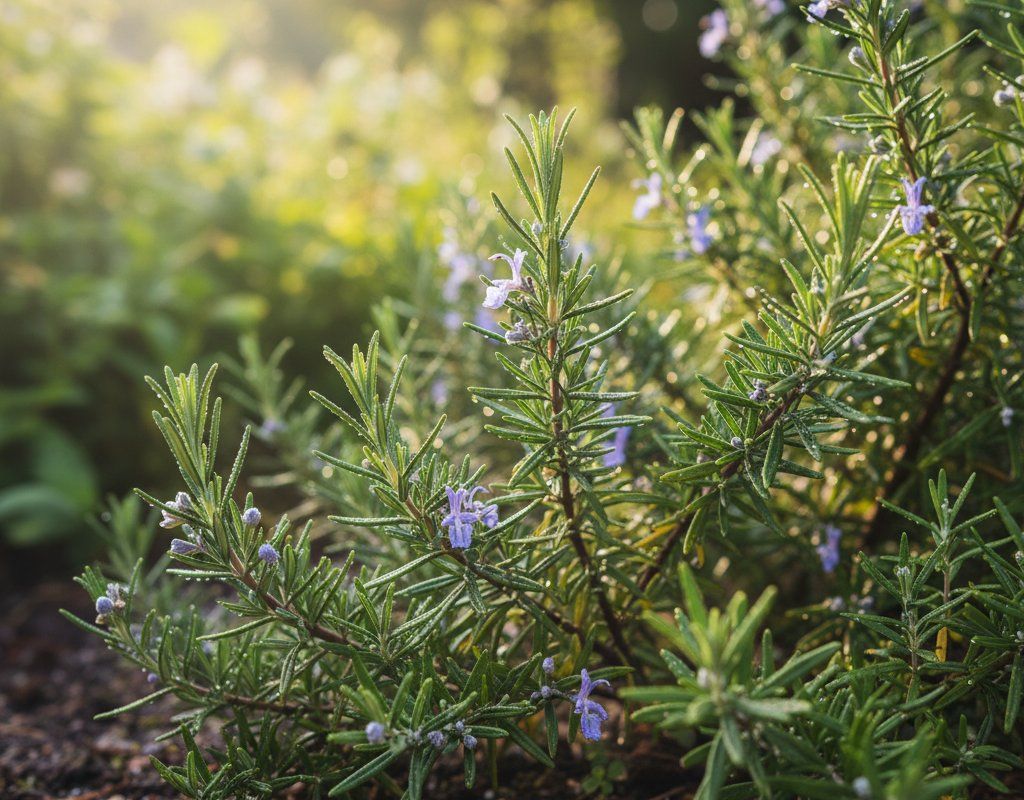
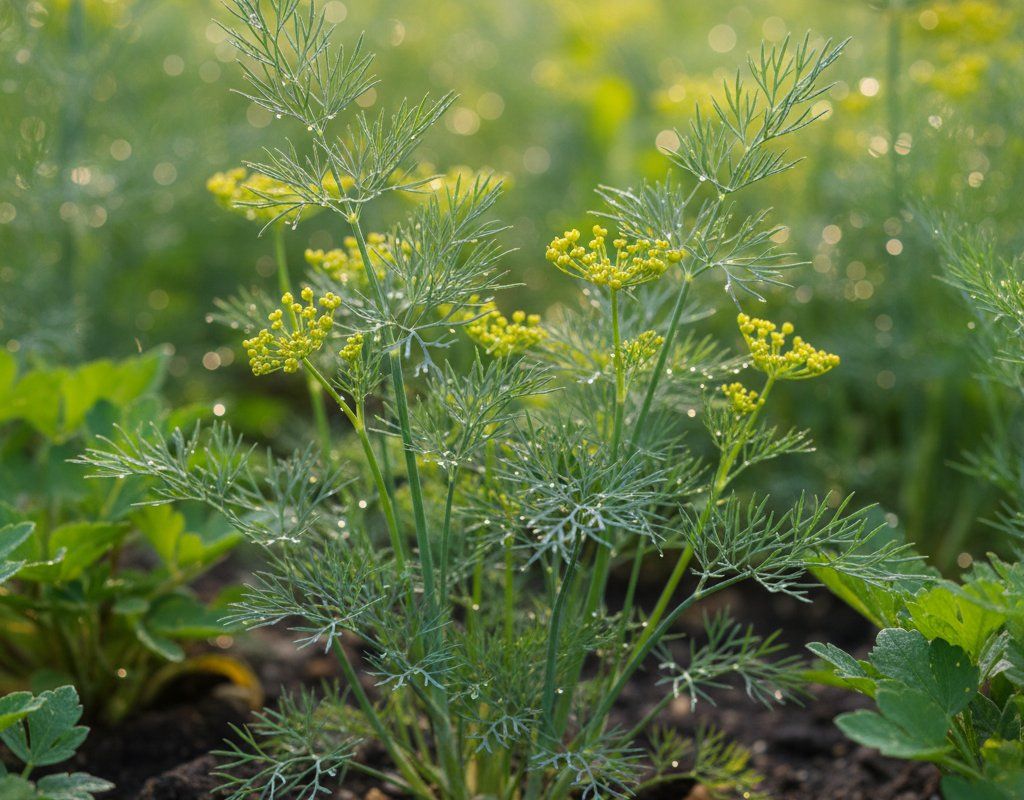
Tomatoes work well near carrots since the deep carrot roots don't compete with tomato roots, and both crops benefit from the consistent watering schedule our mountain climate requires. Rosemary planted nearby helps repel various pests while thriving in the same full-sun conditions carrots prefer. Avoid planting carrots near dill or parsnips - dill attracts pests that also target carrots, while parsnips compete directly for the same soil nutrients and growing space, often resulting in poor performance for both crops.
🌸Best Flowers to Plant with Carrot
These flowers protect your Carrot from pests and attract pollinators for better harvests.


Get a Reminder When It's Time to Plant
We'll email you when key planting windows open for your zone.