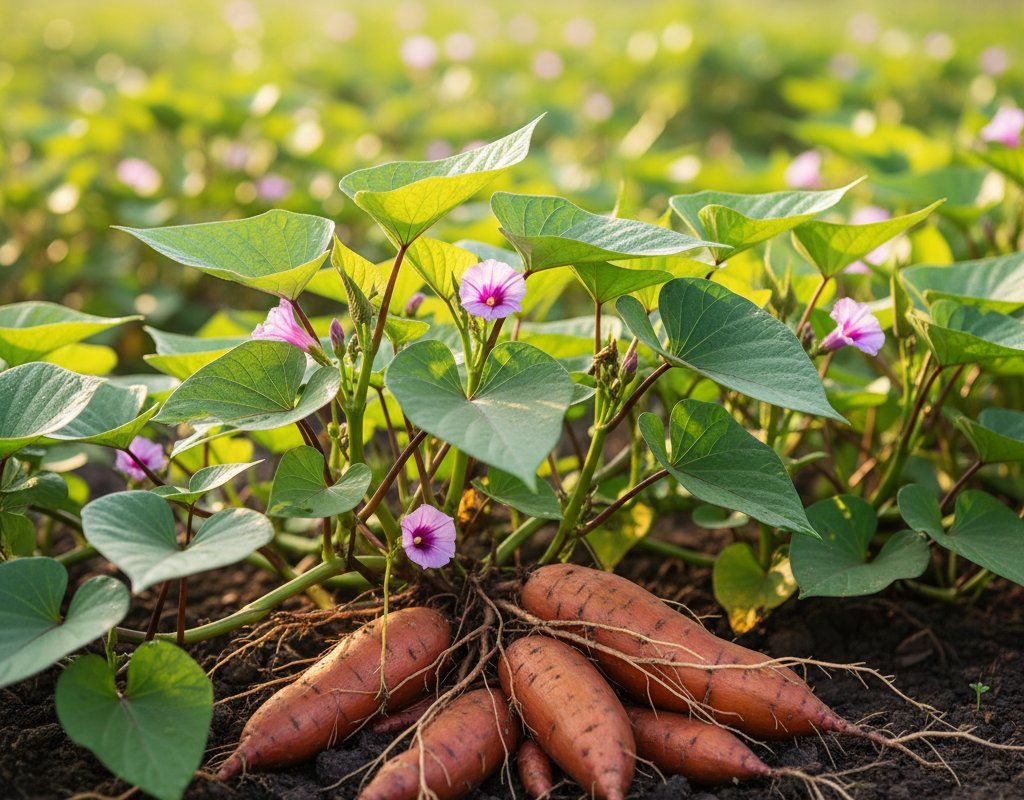
Sweet Potato in Zone 3B — Mountain West
Ipomoea batatas · Your Complete 2026 Planting Guide
Planning Ahead — Great!
You’re ahead of the season. Here’s when to start.
Mark Your Calendar
How to Plant Sweet Potato in Zone 3B — Mountain West
Here are all your options for getting sweet potato in the ground, from the easiest method to more advanced approaches.
Buy Starts
RecommendedMid to late June
around June 15
Plant purchased starts after last frost (May 25).
Plant slips (rooted sprouts) after soil is warm. Buy slips or grow your own from a sweet potato.
Start Seeds Indoors
Works WellMid April through early May
around April 20
Then transplant: Mid to late June
Start seeds 8-10 weeks before transplanting outdoors.
Direct Sow Seeds
ChallengingDirect sowing is not typical for Sweet Potato.
Transplant Outdoors
Timing InfoMid to late June
around June 15
Wait until nighttime temperatures stay above 50°F.
Timing is critical in your zone — don’t delay!
Overview
Sweet potatoes bring something special to our high-altitude gardens that you just can't get from a store. Even with our challenging Mountain climate, homegrown sweet potatoes develop incredible sweetness and creamy texture that makes the effort worthwhile. Our intense sun and cool nights create perfect conditions for developing those complex sugars, while the low humidity reduces disease pressure that plagues other regions.
Growing sweet potatoes at altitude takes patience since they need our entire 108-day growing season to reach maturity. The combination of late spring frosts and early September cold snaps means perfect timing is essential. But once you understand the rhythm of starting slips indoors and protecting them through transplant, sweet potatoes become surprisingly manageable in our Mountain gardens.
Starting Seeds Indoors
Starting sweet potato slips from tubers is your most reliable option in our short Mountain season. Begin the slip-growing process in mid-April through early May, about 8 weeks before you'll transplant outdoors. Place whole sweet potatoes halfway in warm water in a sunny window or under grow lights, securing them with toothpicks.
Set up your rooting containers in the warmest spot you can find - sweet potatoes need consistent heat to sprout. Bottom watering works best since it provides steady moisture without waterlogging the developing roots. Our late Mountain springs make indoor starting essential rather than optional.
The slips will develop roots in 2-3 weeks once they're 4-6 inches tall. You can also purchase slips from suppliers, but growing your own gives you better variety options and ensures they're adapted to our high-altitude conditions from the start.
Transplanting Outdoors
Wait until mid to late June to transplant your sweet potato slips outdoors - soil temperature needs to stay consistently above 60°F. Even though our last frost typically passes in late May, those cool Mountain nights can shock tender sweet potato plants if you rush the timing. Soil that feels warm to your hand at 6 AM is ready.
Harden off your slips gradually over a full week, starting with just 2-3 hours of morning sun and building up to full days outdoors. Plant them 12-18 inches apart in your sunniest, most protected spot. Our intense UV requires some afternoon shade for the first few days after transplanting.
Protect newly transplanted slips from our unpredictable late spring weather with row covers or water walls. Even a brief temperature drop into the 40s can set back sweet potatoes for weeks, and you can't afford that delay with our short growing season.
Watering Sweet Potato in Zone 3B (Mountain West)
Sweet potatoes need moderate but consistent water through summer, making them well-suited to our dry Mountain climate once established. Start with deep weekly watering of about 1 inch, checking soil moisture with your finger 2 inches down. The soil should feel like a wrung-out sponge, never soggy.
Our low humidity and intense sun means you'll likely need to water twice weekly during the hottest parts of summer when temperatures reach the mid-80s. Water at the base of plants early morning to minimize evaporation - overhead watering wastes precious water in our dry air. Sweet potatoes are surprisingly drought-tolerant once their roots establish, usually by mid-July.
Reduce watering significantly 3-4 weeks before your planned harvest in early September. This stress actually concentrates the sugars and prevents the tubers from continuing to grow when they should be maturing. Watch for slightly wilted leaves in late afternoon as your signal that they're getting just enough water.
Apply 2-3 inches of organic mulch around plants to maintain even soil moisture in our temperature swings. Grass clippings or shredded leaves work well and break down nicely in our alkaline soil, adding organic matter your sweet potatoes will appreciate.
🧪Fertilizing Sweet Potato
Feeding Schedule
Organic Fertilizer Options
Harvest Time
Plan to harvest your sweet potatoes in late August through early September, right around the 100-day mark from transplanting. Unlike many crops, you can't wait for visual cues - sweet potatoes are ready when they're ready, regardless of how they look above ground. Mark your calendar and stick to it with our early frost threat.
Start digging carefully about 12-18 inches from the main stem, working your way closer to avoid damaging the tubers with your shovel. Sweet potato skins are tender and any nicks will lead to rot during storage. Brush off soil gently but don't wash them until you're ready to use them.
Cure your sweet potatoes immediately after harvest by placing them in a warm (80-85°F), humid location for 1-2 weeks. A basement room with a humidifier works well, or you can create a curing box with damp towels. This process converts starches to sugars and toughens the skin for storage.
Get your entire harvest dug before that first hard frost hits in early September. Even a light frost will damage the tubers underground, so don't risk waiting. Properly cured sweet potatoes will store for months in a cool, dry place around 55-60°F.
Common Problems in Zone 3B (Mountain West)
Sweet Potato Weevils Small, dark beetles that bore into sweet potato tubers, creating tunnels filled with their larvae. You'll see small holes in harvested tubers and dark, stringy damage inside when you cut them open. The larvae create bitter-tasting tunnels that make tubers inedible.
These pests overwinter in stored tubers and crop debris, emerging when soil warms in late spring. Our dry Mountain climate actually helps reduce their numbers compared to humid regions. Remove all crop debris after harvest and rotate sweet potatoes to different garden areas each year. Don't save damaged tubers for planting next year's slips.
Wireworms Thin, hard-bodied orange or brown larvae that bore into developing sweet potato tubers, creating smooth, round holes. You'll discover the damage at harvest when tubers have clean tunnels running through them, often with the wireworm still inside.
These soil-dwelling pests are common in areas that were previously grassland - typical in many Mountain West locations. Our alkaline soil tends to harbor them longer than acidic soils elsewhere. Till your sweet potato bed thoroughly in fall to expose overwintering larvae to freezing temperatures. Crop rotation helps break their lifecycle.
Cracking Sweet potato tubers split open with deep cracks that expose the orange flesh, making them prone to rot and storage problems. The cracks typically run lengthwise along the tuber and can be quite dramatic, sometimes splitting the entire sweet potato.
Inconsistent watering causes this problem - periods of drought followed by heavy watering make tubers swell faster than their skin can expand. Our Mountain climate of dry spells interrupted by summer thunderstorms creates perfect conditions for cracking. Maintain consistent soil moisture with regular watering and mulch, and reduce irrigation as harvest approaches.
Mountain West Specific Challenges Our intense UV can stress sweet potato foliage if plants become water-stressed, while sudden temperature drops from summer thunderstorms can shock plants just when tubers are sizing up. The short season means you can't afford setbacks from these weather extremes, so protection and consistent care become even more critical than in longer-season climates.
Best Companions for Sweet Potato
Plant these nearby for healthier Sweet Potato and better harvests.


Keep Away From
Companion Planting Details
Sweet potatoes work beautifully in the classic Three Sisters combination with beans and corn, though you'll need to plan spacing carefully for our shorter season. Plant beans around the sweet potato mounds - the beans fix nitrogen in soil while sweet potato roots dive deep, and neither competes heavily for the same space. Corn provides some welcome afternoon shade during our intense summer sun.
Avoid planting sweet potatoes near heavy feeders like tomatoes or peppers, which will compete for nutrients during the critical tuber development period. The sprawling vines also need room to spread, so keep them away from upright crops that might get smothered. In our limited growing space, sweet potatoes work best with companions that either climb up (beans) or grow tall (corn) rather than spread out horizontally.
🌸Best Flowers to Plant with Sweet Potato
These flowers protect your Sweet Potato from pests and attract pollinators for better harvests.
For Pest Control




Get a Reminder When It's Time to Plant
We'll email you when key planting windows open for your zone.