
Carrot in Zone 4A — Mountain West
Daucus carota · Your Complete 2026 Planting Guide
Planning Ahead — Great!
You’re ahead of the season. Here’s when to start.
Mark Your Calendar
How to Plant Carrot in Zone 4A — Mountain West
Here are all your options for getting carrot in the ground, from the easiest method to more advanced approaches.
Direct Sow Seeds
RecommendedEarly May through late June
around May 6
Consider succession planting every 2-3 weeks for continuous harvest.
Carrots have a taproot and don't transplant. Direct sow only.
Buy Starts
Works WellEarly May through early June
around May 6
Plant purchased starts after last frost (May 20).
Start Seeds Indoors
ChallengingThis plant is typically not started indoors.
Transplant Outdoors
Timing InfoEarly May through early June
around May 6
Can tolerate light frost, but wait for soil to be workable.
You have a nice window — no need to rush.
Fall Planting
Late June through late July
July 14 ideal · Direct sow for fall harvest
Plant a second crop in mid-summer for fall harvest. Carrot actually prefers the cooling temperatures of fall.
Overview
Carrots thrive in our Mountain West climate, where cool nights and intense high-altitude sun create the perfect conditions for developing that sweet, crisp texture you just can't get from store-bought roots. Our short but intense growing season concentrates flavors beautifully, and the cool nights even in summer prevent carrots from becoming woody or bitter. There's nothing quite like pulling your own perfectly straight orange roots from the loose mountain soil after our brief but productive growing season.
While our 118-day growing season might seem challenging for a 70-day crop, carrots are actually one of the most reliable vegetables for high altitude gardening. They handle our late spring frosts without issue and can tolerate our early fall cold snaps better than most warm-season crops. The key is working with our timing windows and understanding that carrots actually prefer our cool nights to the sweltering heat other regions deal with.
Transplanting Outdoors
Carrots have a long taproot that makes them extremely difficult to transplant successfully. Unlike most vegetables, carrots rarely survive the transplant process because disturbing their taproot system stunts their growth permanently. Even if you manage to get transplanted carrots to live, they'll likely develop forked or stunted roots.
In our Mountain West climate, the direct-sow approach works perfectly with our growing season anyway. Skip the transplant headache entirely and direct sow your carrot seeds from early May through late June when soil conditions are ideal for germination.
Direct Sowing
Direct sowing is the only practical method for growing carrots in our Mountain climate, and it works beautifully with our growing patterns. Plant your carrot seeds anytime from early May through late June, once soil temperatures reach about 45°F and the ground workable after our spring snowmelt. The key is getting seeds in loose, rock-free soil at least 8 inches deep to accommodate those taproots.
Plant seeds about 1/4 inch deep and initially space them 1/2 inch apart in rows. You'll thin them later to 2-3 inches apart once seedlings are about 2 inches tall. Our intense mountain sun helps with germination, but keep that soil consistently moist for the first 2-3 weeks while seeds are sprouting.
Work your soil deeply and remove any rocks or hard clumps that could cause forked roots. In our alkaline mountain soil, adding some compost helps both with drainage and slightly lowering the pH that carrots prefer.
Watering Carrot in Zone 4A (Mountain West)
Consistent moisture is absolutely critical for carrot success in our dry Mountain West climate. During germination, keep the soil surface damp for 2-3 weeks – this is when many mountain gardeners fail with carrots because our low humidity and intense sun dry out that top layer quickly. Check daily and water lightly if the surface feels dry.
Once established, carrots need about 1 inch of water per week, but in our 10-20 inch annual rainfall climate, you'll be providing most of that through irrigation. Water deeply at the base rather than overhead – our low humidity means the water will evaporate quickly anyway, and wet foliage can attract carrot rust flies. The finger test works well: stick your finger 2 inches into the soil, and if it's dry, it's time to water.
Even watering throughout the growing season prevents cracking, which is especially important as our summer heat peaks in July and August. Inconsistent watering – letting them dry out then soaking them – causes the roots to split. In our intense sun and dry air, a thin layer of straw mulch around plants helps retain soil moisture without keeping the soil too wet.
Signs of underwatering include slow growth and tough, woody roots. Overwatering shows as yellowing foliage and potentially root rot, though this is less common in our well-draining mountain soils than in heavier clay regions.
🧪Fertilizing Carrot
Feeding Schedule
Organic Fertilizer Options
Harvest Time
Your first carrots will be ready for harvest from mid-July through late September, depending on when you planted and which variety you chose. At 70 days from sowing, start checking by gently brushing soil away from the top of a few roots. When the carrot shoulders are about 3/4 inch in diameter and the tops are visible at the soil surface, they're ready.
Harvest by loosening the soil around each carrot first, then pulling straight up by grasping the green tops close to the root. In our sometimes-compacted mountain soils, don't just yank on the tops or you'll end up with a handful of greens and the carrot still in the ground. A garden fork worked carefully alongside the row makes harvest much easier.
Carrots actually improve in flavor after a light frost, becoming sweeter as they convert starches to sugars. Since our first frost typically arrives around mid-September, you can often leave late plantings in the ground until then. However, harvest before any hard freezes that might damage the roots.
For storage, brush off soil but don't wash carrots until you're ready to use them. Cut off the green tops about an inch above the root to prevent them from drawing moisture out of the carrot during storage.
Common Problems in Zone 4A (Mountain West)
Forking What it looks like: Carrot roots split into multiple forks or grow in twisted, deformed shapes instead of straight, single roots. Sometimes you'll pull up what looks like a carrot octopus instead of a nice straight root.
What causes it: Our rocky mountain soils are often the culprit, along with compacted earth from our clay-heavy subsoils. When the growing taproot hits a rock or hard layer, it splits and grows around the obstacle. Fresh manure can also cause forking by creating hot spots in the soil.
How to fix/prevent it: Work your soil deeply to 10-12 inches and remove every stone you find. Consider raised beds filled with loose potting mix for the straightest carrots. In our alkaline mountain soil, avoid fresh manure and stick to well-composted organic matter. Choose shorter carrot varieties like Paris Market if your soil is challenging to work.
Carrot Rust Fly What it looks like: Rusty brown tunnels winding through your carrot roots, making them look like they're full of wormholes. You might see small dark flies hovering near your carrot plants, and foliage may wilt despite adequate watering.
What causes it: Small flies lay eggs near carrot stems, and the larvae tunnel into developing roots. Our intense mountain sun can stress plants, making them more attractive to these pests.
How to fix/prevent it: Row covers are your best defense in our climate – they also provide some protection from UV and hail. Delay your first planting until late May to miss the first fly generation. Interplant with onions, as their scent confuses the flies. Avoid thinning during peak fly season in early summer, as bruised leaves attract them.
Green Shoulders What it looks like: The top portion of your carrot roots turns green where they're exposed above the soil line. The green parts are safe to eat but taste slightly bitter.
What causes it: Carrot shoulders naturally push above ground as they mature, and our intense high-altitude UV causes them to produce chlorophyll when exposed to light.
How to fix/prevent it: Hill soil or add mulch over exposed carrot tops as they develop through the summer. Check your carrots regularly and cover any shoulders that appear. Harvest promptly once carrots reach maturity rather than leaving them in the ground too long.
Mountain West Specific Challenges Our intense UV and low humidity create unique challenges for carrot growing. The strong sun can stress young seedlings and cause green shoulders more quickly than in other regions. Our alkaline soil often needs amendment, and our short season means you can't afford to lose time replanting if problems occur. However, our cool nights and low disease pressure make carrots much easier to grow here than in humid climates.
Best Companions for Carrot
Plant these nearby for healthier Carrot and better harvests.

Keep Away From
Companion Planting Details
Carrots pair beautifully with several plants that thrive in our Mountain West conditions. Plant lettuce between carrot rows – it grows quickly in our cool spring weather and will be harvested before carrots need the space, plus lettuce provides some ground cover to retain moisture in our dry climate. Onions make excellent companions because their strong scent confuses carrot rust flies, and both crops appreciate similar watering schedules in our arid conditions.
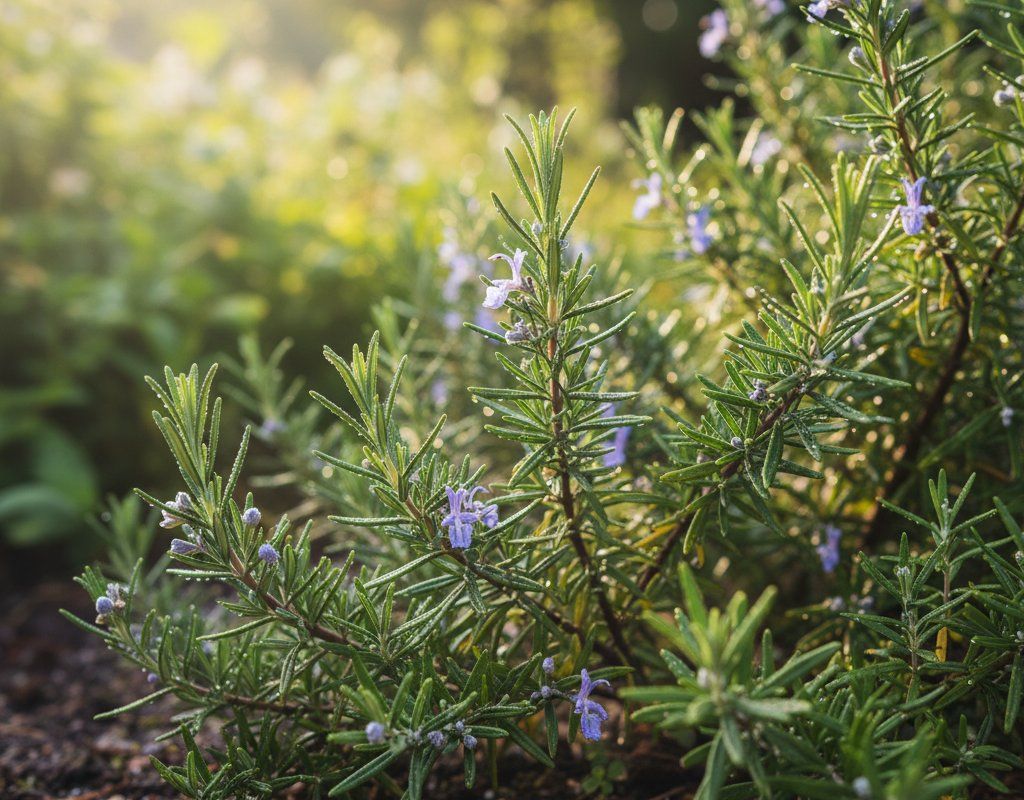
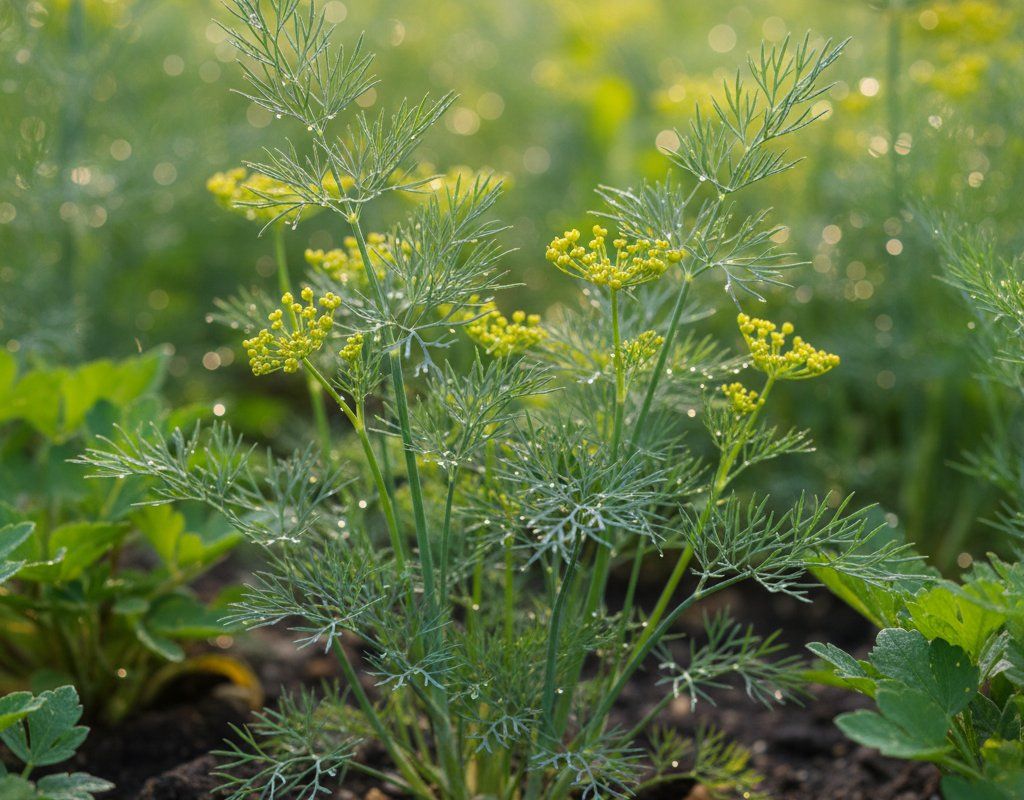
Tomatoes work well planted nearby because they have different root depths and don't compete directly. Rosemary planted at the ends of carrot rows helps repel carrot flies with its strong fragrance. Avoid planting carrots near dill, as it can attract harmful insects and may inhibit carrot growth. Also skip parsnips as companions – they're in the same family and attract the same pests, essentially doubling your potential problems in our already challenging short season.
🌸Best Flowers to Plant with Carrot
These flowers protect your Carrot from pests and attract pollinators for better harvests.


Get a Reminder When It's Time to Plant
We'll email you when key planting windows open for your zone.