
Carrot in Zone 4A — Northeast
Daucus carota · Your Complete 2026 Planting Guide
Planning Ahead — Great!
You’re ahead of the season. Here’s when to start.
Mark Your Calendar
How to Plant Carrot in Zone 4A — Northeast
Here are all your options for getting carrot in the ground, from the easiest method to more advanced approaches.
Direct Sow Seeds
RecommendedEarly May through late June
around May 1
Consider succession planting every 2-3 weeks for continuous harvest.
Carrots have a taproot and don't transplant. Direct sow only.
Buy Starts
Works WellEarly to late May
around May 1
Plant purchased starts after last frost (May 15).
Start Seeds Indoors
ChallengingThis plant is typically not started indoors.
Transplant Outdoors
Timing InfoEarly to late May
around May 1
Can tolerate light frost, but wait for soil to be workable.
You have a nice window — no need to rush.
Fall Planting
Early July through early August
July 19 ideal · Direct sow for fall harvest
Plant a second crop in mid-summer for fall harvest. Carrot actually prefers the cooling temperatures of fall.
Overview
Fresh carrots from your own garden taste nothing like those pale supermarket specimens. Here in the Northeast, our cool nights and moderate summer temperatures create ideal conditions for developing that sweet, crisp texture and complex flavor that makes homegrown carrots so rewarding. The deep, earthy taste you'll get from varieties grown in our rocky New England soil is worth every bit of effort you put into soil preparation.
With our 128-day growing season, carrots fit perfectly into your summer garden plan. While our short growing season and late spring frosts might seem challenging, carrots are actually quite forgiving once you understand their timing. These hardy vegetables can handle light frosts and even benefit from our cool nights, which concentrate sugars and improve flavor.
Transplanting Outdoors
Carrots don't transplant well due to their long taproot, so this isn't the recommended approach for our Northeast gardens. If you've started seeds indoors by accident or received transplants, you can attempt transplanting from early to late May, but expect poor results.
If you must transplant, do it during our narrow window after the last frost risk passes in mid-May. Space plants 2-3 inches apart in loose, well-worked soil. The taproot will likely become stunted or deformed, leading to short, stubby carrots rather than the long, straight roots you're hoping for.
Your best bet is to start over with direct sowing, which works much better for carrots in our climate and soil conditions.
Direct Sowing
Direct sowing is absolutely the way to grow carrots here in the Northeast. You can plant from early May through late June, giving you a long window to work with despite our short growing season. Wait until soil temperature reaches at least 45°F and you're past the risk of hard frost.
Prepare your soil well before planting - this is crucial in our often rocky New England soil. Work the bed to at least 8 inches deep, removing all stones and debris. Carrot seeds are tiny and need consistent moisture to germinate, so create a fine seedbed. Plant seeds about 1/4 inch deep and 2-3 inches apart, or plant closer and thin later.
Keep the soil consistently damp for the first 2-3 weeks while seeds germinate. This can take 10-14 days in our cool spring conditions, so be patient. Once seedlings emerge, you can reduce watering frequency but maintain even moisture throughout the growing season.
Watering Carrot in Zone 4A (Northeast)
Consistent moisture is absolutely critical for carrots, especially during their first few weeks when those tiny seeds are trying to germinate in our variable spring weather. Keep the soil surface damp (not soggy) for 2-3 weeks after planting - check daily and water lightly if the top inch feels dry.
Our Northeast climate makes watering relatively straightforward compared to hotter regions. With our moderate summer temperatures and 40-50 inches of annual rainfall, you'll typically need about 1 inch of water per week during dry spells. The finger test works well here - stick your finger 2 inches into the soil near your carrot rows. If it's dry at that depth, it's time to water.
Water at soil level rather than overhead when possible, since our moderate-to-humid conditions can encourage fungal issues if foliage stays wet too long. Inconsistent watering leads to cracked, split roots, while too much water in our sometimes heavy soils can cause rot. During our typically humid summers, morning watering gives plants time to dry before evening.
A light mulch of straw or grass clippings helps maintain even moisture and keeps carrot shoulders from turning green when they push above the soil surface. This is especially helpful during our brief but productive summer growing season.
🧪Fertilizing Carrot
Feeding Schedule
Organic Fertilizer Options
Harvest Time
Your first carrots will be ready from early July through late September, depending on when you planted and which variety you chose. After about 70 days from planting, start checking for readiness by gently brushing soil away from the top of a few roots. When carrot shoulders are about 3/4 inch in diameter and the tops are visible at the soil surface, they're ready to harvest.
Pull carrots gently straight up, or loosen the soil around them first with a garden fork if you're dealing with our typical rocky New England soil. The roots can snap easily if you pull too hard, especially in compacted ground. Harvest in the morning when plants are well-hydrated for the crispest texture.
Unlike tomatoes or peppers, carrots won't continue ripening once pulled, so harvest them at peak size for your variety. Baby carrots can be harvested earlier for tender, sweet roots, while full-size varieties should be left until they reach maturity for best flavor development.
As our first frost approaches in mid-September, you can leave carrots in the ground for a few light frosts, which actually improves their sweetness. However, harvest before any hard freeze, as our Northeast winters will kill the plants and make the roots difficult to dig from frozen soil.
Common Problems in Zone 4A (Northeast)
Forking (misshapen roots) shows up as carrots that split into multiple branches or grow in twisted, deformed shapes instead of straight, single roots. In our rocky New England soil, this is unfortunately common when carrot roots hit stones, compacted earth, or fresh manure and are forced to grow around obstacles. Heavy clay soils also cause this problem.
Fix this by working your soil deeply and removing every stone you can find. Consider raised beds filled with loose compost and sand mixture for the straightest carrots. Never use fresh manure where you're growing carrots - stick to well-composted organic matter that won't create pockets of rich soil that cause branching.
Carrot rust fly creates rusty brown tunnels throughout your carrot roots, making them inedible. You'll see small dark flies hovering around your carrot plants, and the foliage may wilt despite adequate moisture. The flies lay eggs near carrot stems, and the resulting maggots tunnel into developing roots.
Row covers are your best defense against this pest in our Northeast gardens. Cover plants immediately after planting and keep covered except when thinning. Don't thin during peak fly activity in late spring and midsummer, as the bruised leaves attract egg-laying females. Interplanting with onions helps confuse the flies with competing scents.
Green shoulders appear when the top portions of carrot roots turn green and bitter where they're exposed to sunlight. This happens when carrots push above the soil surface as they grow, which is common in our loose, well-prepared garden soils.
Prevent this by hilling soil or mulch over any exposed carrot tops as they develop throughout the summer. Check your rows regularly and cover any orange shoulders you spot. The green parts are safe to eat but taste bitter, so you'll want to cut them off before using your carrots.
Northeast Specific Challenges: Our moderate summer heat and even rainfall create ideal growing conditions for carrots, but our rocky soil and short growing season require some adjustments. Choose early varieties when possible, and invest time in thorough soil preparation to work with our challenging New England ground conditions.
Best Companions for Carrot
Plant these nearby for healthier Carrot and better harvests.

Keep Away From
Companion Planting Details
Carrots pair beautifully with lettuce in our Northeast gardens - the lettuce provides living mulch that keeps carrot soil cool and moist during our warm summer days, while carrots' deep roots don't compete with lettuce's shallow ones. Onions make excellent companions too, as their strong scent confuses carrot rust flies and other pests, plus they use different soil nutrients.
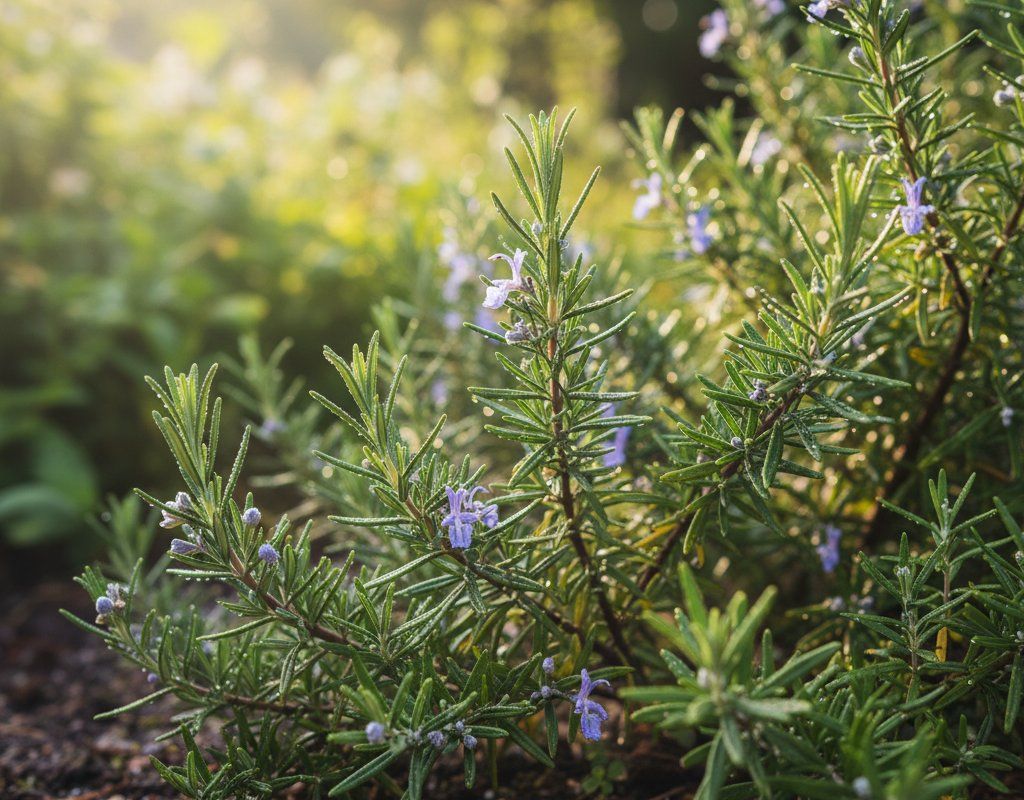
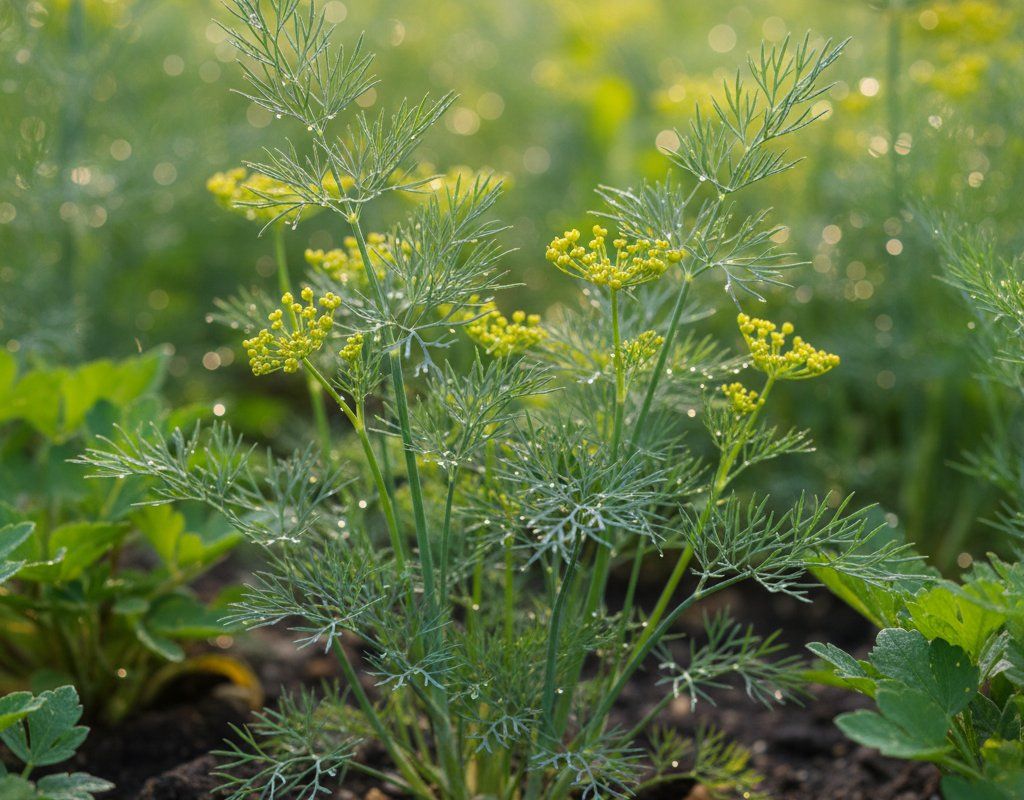
Tomatoes work well near carrots since they occupy different garden levels and have complementary growing seasons in our short summer. Rosemary planted at row ends helps deter carrot flies with its strong fragrance. Avoid planting carrots near dill, which can attract harmful insects and may cross-pollinate if allowed to go to seed. Also skip parsnips as companions - they're in the same family and compete for similar nutrients while attracting the same pests.
🌸Best Flowers to Plant with Carrot
These flowers protect your Carrot from pests and attract pollinators for better harvests.


Get a Reminder When It's Time to Plant
We'll email you when key planting windows open for your zone.