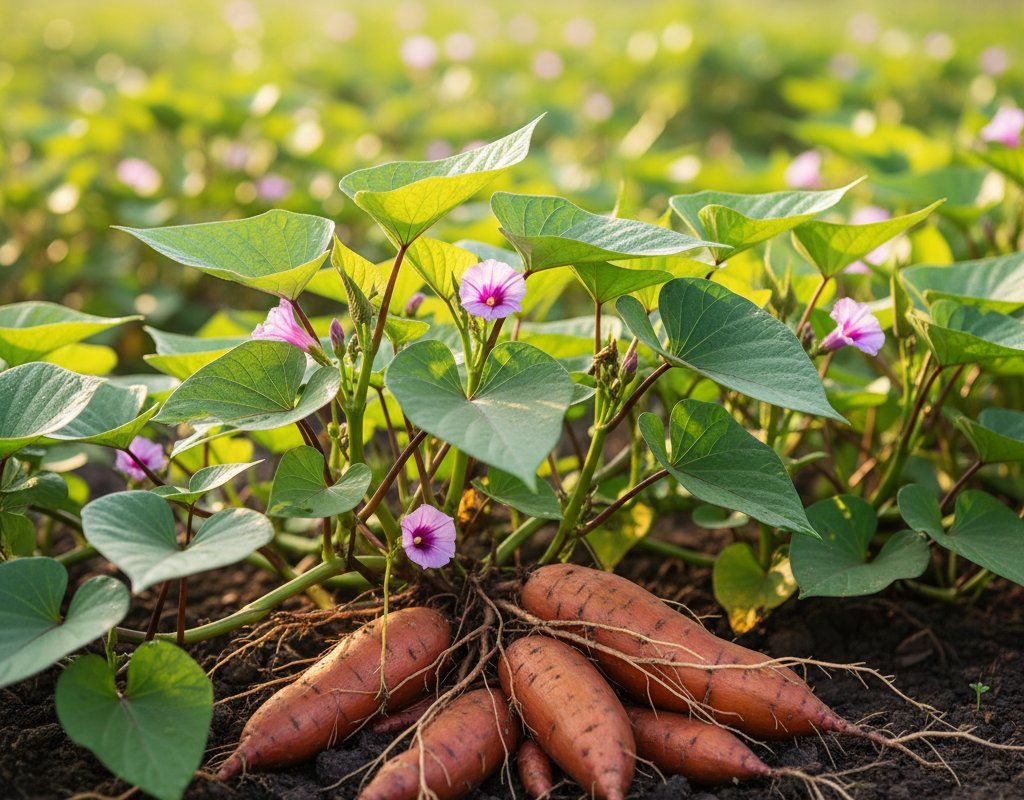
Sweet Potato in Zone 4B — Mountain West
Ipomoea batatas · Your Complete 2026 Planting Guide
Planning Ahead — Great!
You’re ahead of the season. Here’s when to start.
Mark Your Calendar
How to Plant Sweet Potato in Zone 4B — Mountain West
Here are all your options for getting sweet potato in the ground, from the easiest method to more advanced approaches.
Buy Starts
RecommendedEarly to mid June
around June 5
Plant purchased starts after last frost (May 15).
Plant slips (rooted sprouts) after soil is warm. Buy slips or grow your own from a sweet potato.
Start Seeds Indoors
Works WellEarly to late April
around April 10
Then transplant: Early to mid June
Start seeds 8-10 weeks before transplanting outdoors.
Direct Sow Seeds
ChallengingDirect sowing is not typical for Sweet Potato.
Transplant Outdoors
Timing InfoEarly to mid June
around June 5
Wait until nighttime temperatures stay above 50°F.
Timing is critical in your zone — don’t delay!
Overview
Sweet potatoes offer Mountain West gardeners a surprisingly rewarding challenge, producing nutrient-dense tubers with incredible storage life through our long winters. The intense sunlight and cool nights at high altitude actually concentrate sugars beautifully, creating sweet potatoes with exceptional flavor that rivals anything from warmer regions. While they need heat to develop properly, our consistent sunshine and low disease pressure make them worth the effort.
Growing sweet potatoes in Zone 4B requires careful timing since they need every bit of our 128-day growing season, but it's absolutely manageable with slips and season extenders. The key is working with our late spring warm-up and early fall frost risk, starting with purchased slips rather than trying to grow from seed in our short season.
Starting Seeds Indoors
Starting sweet potatoes from seed isn't the typical approach for Mountain gardeners, though it's technically possible if you start early to late April, about 8 weeks before transplanting. Most of us find better success purchasing slips (rooted sprouts) from nurseries, but if you want to try seed, you'll need consistent warmth around 75-80°F and grow lights since our April days are still unpredictable.
Set up seed trays with quality potting mix and use bottom watering to maintain consistent moisture without creating fungal problems in our dry air. Keep them under grow lights 14-16 hours daily, as even late April sun through windows isn't reliable enough at altitude. The seedlings will be slow-growing compared to warm-season regions, so patience is essential.
Given our late spring character and short season, most experienced Mountain gardeners skip the seed route entirely and focus on finding quality slips from reputable suppliers, timing arrival for early June transplanting.
Transplanting Outdoors
Transplant sweet potato slips outdoors from early to mid-June, once soil temperatures consistently reach 60°F and nighttime lows stay above 50°F. Our cool nights even in summer mean you can't rush this timing - a cold snap will set back or kill tender slips, wasting your season. Wait for that stable warm period that usually arrives by the first week of June.
Harden off slips gradually over a week, starting with just 2-3 hours of morning sun and building up to full day exposure. Space them 12-18 inches apart in your warmest, most protected location with full sun exposure. Plant slips deeper than you might expect - bury about two-thirds of the stem to encourage strong root development.
Choose your sunniest spot protected from afternoon hail and wind, ideally with some thermal mass like a south-facing wall or large rocks nearby. The intense UV at altitude can stress transplants, so consider shade cloth for the first week if slips show signs of sun scorch.
Watering Sweet Potato in Zone 4B (Mountain West)
Sweet potatoes need moderate water to establish but become surprisingly drought-tolerant once their roots spread, which suits our dry Mountain climate well. During the first month after transplanting, water deeply twice weekly with about 1 inch total, checking soil moisture 2 inches down with your finger. Our low humidity and intense sun mean surface soil dries quickly, but don't let that fool you into overwatering.
Once established by mid-July, sweet potatoes actually prefer slightly dry conditions and can handle our typical summer rainfall of just 1-2 inches per month. Water deeply once weekly during dry spells, focusing water at the base rather than overhead - our low humidity means foliar diseases aren't a major concern, but efficient water use matters more. A 2-inch layer of straw mulch helps retain moisture and keeps soil temperatures more stable through our cool nights.
Watch for signs of stress during our occasional heat waves when temperatures push above 85°F - leaves may wilt midday but should recover by evening. Yellowing lower leaves or stunted growth usually indicates overwatering in our well-draining soils. About 3-4 weeks before your expected first frost in mid-September, reduce watering significantly to encourage the plants to focus energy on tuber development rather than foliage.
The finger test works perfectly in our climate - if soil feels dry 2 inches down, it's time to water. Our alkaline soil drains well, so standing water is rarely an issue, but consistent moisture through the growing season produces the best-sized tubers.
🧪Fertilizing Sweet Potato
Feeding Schedule
Organic Fertilizer Options
Harvest Time
Begin harvesting sweet potatoes in mid-September, timing it carefully before our first frost arrives. Unlike many crops, sweet potatoes won't continue developing once frost damages the vines, so you're working with about 100 days from transplant to get maximum tuber size. The vines may look vigorous right up until frost, but the tubers stop growing once nighttime temperatures consistently drop below 55°F.
Dig carefully with a garden fork, starting about 18 inches from the plant base and working inward to avoid puncturing the tender skin. Sweet potatoes bruise easily when fresh, and any damage can lead to rot during storage. Look for tubers ranging from fingerling size to large potatoes - in our shorter season, expect smaller average sizes than you'd see from warmer regions, but the flavor concentration is excellent.
Harvest all tubers before the first hard frost, even if some seem small. Once the vines are frost-damaged, the tubers begin deteriorating underground. Brush off soil gently but don't wash them until you're ready to use them. Fresh-dug sweet potatoes need curing in a warm (80-85°F), humid place for 1-2 weeks to develop their full sweetness and storage life.
Our dry air makes curing challenging, so many Mountain gardeners use a spare bathroom with a humidifier or even a cooler with damp towels. After curing, store them in a cool (55-60°F) dark place where they'll keep for months through winter.
Common Problems in Zone 4B (Mountain West)
Sweet Potato Weevils Look for small holes in tubers and grubs inside the flesh, though this pest is less common at high altitude than in warmer regions. Adult weevils are small, dark beetles that lay eggs in sweet potato stems and tubers. Our cool nights and short season actually work in our favor here, as weevil populations don't build up as severely as in warmer climates.
Crop rotation is your best defense - don't plant sweet potatoes in the same spot for 3-4 years. Remove all plant debris after harvest, including small tuber pieces that might harbor overwintering larvae. If you do find evidence of weevils, destroy affected tubers immediately rather than composting them.
Wireworms These slender, yellow-brown larvae create perfectly round holes in tubers, making them look like they've been drilled. Wireworms are actually more problematic in our region because they thrive in the cool, moist conditions of early season and can survive our winters. You'll typically find the damage when digging, as the worms themselves burrow away quickly.
Wireworms often indicate soil that was recently in grass or weeds, so avoid planting sweet potatoes in newly broken ground. Good soil drainage helps, as does waiting until soil warms thoroughly before planting. Crop rotation with non-host plants like brassicas can help break the cycle.
Cracking Tubers split lengthwise or develop circular cracks around their circumference, exposing flesh that quickly rots. This happens when heavy watering or sudden rainfall follows dry periods, causing tubers to absorb water faster than their skin can expand. Our intense afternoon thunderstorms followed by dry spells create perfect conditions for this problem.
Maintain consistent soil moisture with mulch and regular deep watering rather than frequent shallow irrigation. During late summer when afternoon storms are common, ensure good drainage around plants. Some varieties are more crack-resistant than others, so note which ones perform best in your specific microclimate.
Mountain West Specific Challenges: Our combination of intense UV, cool nights, and dry air creates unique stresses for sweet potatoes. The short season means any setback from weather or pests significantly impacts yield, while our alkaline soils can limit nutrient availability. However, low humidity keeps most fungal diseases at bay, and our consistent sunshine produces exceptionally sweet, flavorful tubers when timing works out right.
Best Companions for Sweet Potato
Plant these nearby for healthier Sweet Potato and better harvests.


Keep Away From
Companion Planting Details
Sweet potatoes work well in traditional "Three Sisters" plantings with beans and corn, though you'll need to adjust spacing for our shorter season. Beans fix nitrogen that sweet potatoes can use later in the season, while corn provides some wind protection and vertical structure. Plant corn and beans first, then add sweet potato slips along the edges where they won't compete directly for space but can benefit from the microclimate.
Avoid planting sweet potatoes near large, aggressive plants that might shade them or compete heavily for water and nutrients during our already-short growing season. In our intense sun and dry conditions, every bit of light and water matters for developing good-sized tubers before frost. The sprawling sweet potato vines actually help suppress weeds and retain soil moisture for their companion plants once established.
🌸Best Flowers to Plant with Sweet Potato
These flowers protect your Sweet Potato from pests and attract pollinators for better harvests.
For Pest Control




Get a Reminder When It's Time to Plant
We'll email you when key planting windows open for your zone.