
Carrot in Zone 5A — Mountain West
Daucus carota · Your Complete 2026 Planting Guide
Planning Ahead — Great!
You’re ahead of the season. Here’s when to start.
Mark Your Calendar
How to Plant Carrot in Zone 5A — Mountain West
Here are all your options for getting carrot in the ground, from the easiest method to more advanced approaches.
Direct Sow Seeds
RecommendedLate April through early July
around April 26
Consider succession planting every 2-3 weeks for continuous harvest.
Carrots have a taproot and don't transplant. Direct sow only.
Buy Starts
Works WellLate April through late May
around April 26
Plant purchased starts after last frost (May 10).
Start Seeds Indoors
ChallengingThis plant is typically not started indoors.
Transplant Outdoors
Timing InfoLate April through late May
around April 26
Can tolerate light frost, but wait for soil to be workable.
You have a nice window — no need to rush.
Fall Planting
Early July through early August
July 24 ideal · Direct sow for fall harvest
Plant a second crop in mid-summer for fall harvest. Carrot actually prefers the cooling temperatures of fall.
Overview
Carrots thrive in our Mountain West conditions, delivering exceptional sweetness thanks to our cool nights and intense high-altitude sun. The combination of our dry climate and well-draining soil creates perfect conditions for straight, flavorful roots without the disease pressure that plagues more humid regions. You'll taste the difference in homegrown carrots here – the sugars concentrate beautifully in our temperature swings.
Our short 138-day growing season and late spring start might seem challenging for carrots, but their hardy nature makes them one of the most reliable crops for Mountain gardeners. With proper timing from late April through early July, you can harvest continuously through our growing season and often well past first frost, since carrots actually improve in flavor after a few light freezes.
Transplanting Outdoors
While you technically can transplant carrots during our late April through late May window, this isn't the recommended approach. Carrots develop a long taproot that's easily damaged during transplanting, often resulting in forked or stunted roots. If you must transplant (perhaps from indoor starts), do it when carrots are very small – no more than 2-3 inches tall.
Harden off any transplants gradually over a week, starting with just an hour of outdoor exposure and building up. Our intense UV and temperature swings can shock tender seedlings. Space transplants 2-3 inches apart in loose, well-worked soil.
The reality is that carrots perform so much better when direct-sown that transplanting rarely makes sense in our climate. Save yourself the hassle and sow directly in the garden for the best results.
Direct Sowing
Direct sowing is absolutely the way to go with carrots in our Mountain region. You have a generous window from late April through early July, letting you succession plant every 2-3 weeks for continuous harvests. Wait until soil temperatures reach 45°F consistently – usually by late April at our altitude.
Prepare your soil deeply, working it to at least 8-10 inches and removing every rock and clod. Carrots need loose, friable soil to develop straight roots. Our alkaline Mountain soils benefit from some compost worked in, which also helps with water retention in our dry climate. Sow seeds ¼ inch deep and cover lightly with fine soil or compost.
Space seeds about an inch apart initially, then thin to 2-3 inches once seedlings are established. The intense UV here can dry out the soil surface quickly, so consider covering the seeded area with a board or row cover until germination begins. Remove it as soon as you see green shoots emerging, usually within 10-14 days.
Watering Carrot in Zone 5A (Mountain West)
Consistent moisture during germination is absolutely critical for carrots – keep the soil surface damp for the first 2-3 weeks while seeds are sprouting and establishing. Our low humidity and intense sun can create a crusty soil surface that prevents tiny carrot seedlings from emerging. Light, frequent watering works best during this period.
Once established, carrots need about 1 inch of water per week, which is challenging in our 10-20 inch annual rainfall zone. The finger test works perfectly here – stick your finger 2 inches into the soil, and if it's dry, it's time to water. Our dry air means you'll likely need to supplement rainfall throughout the growing season.
Water at soil level rather than overhead to conserve moisture and prevent our low humidity from evaporating water before plants can use it. Inconsistent watering causes problems – too little and roots become woody, too much after dry periods causes cracking. Our moderate summer temperatures (around 85°F) mean carrots aren't as water-stressed as they'd be in hotter climates, but don't let that fool you into underwatering.
A 2-3 inch layer of straw mulch helps tremendously in our dry climate, keeping soil moisture consistent and preventing the soil surface from crusting. This is especially important around mid-summer when our afternoon thunderstorms can be sporadic and unreliable.
🧪Fertilizing Carrot
Feeding Schedule
Organic Fertilizer Options
Harvest Time
Your first carrots should be ready by early July if you planted in late April, with harvests continuing through early October in our Mountain zone. Look for carrot tops that are about ¾ inch in diameter at soil level – you can often see the orange shoulders peeking above ground as an indicator of size.
Test harvest by gently loosening soil around one carrot and pulling straight up. If it snaps off, the soil is too compacted – loosen it first with a garden fork. Mature carrots should pull easily with their tops intact. Baby carrots can be harvested anytime once they're finger-thick for tender, sweet roots.
The beauty of growing carrots at our altitude is that they actually improve after light frosts. Cool weather converts starches to sugars, making fall-harvested carrots incredibly sweet. You can often harvest well into October, sometimes even into early November if you mulch heavily around the plants.
As our first hard frost approaches in late September, harvest any remaining large carrots for storage, but don't worry about rushing smaller ones. They'll survive several light freezes and taste better for the cold treatment.
Common Problems in Zone 5A (Mountain West)
Forking What it looks like: Instead of straight, single roots, your carrots develop multiple "forks" or look like twisted, deformed parsnips. Sometimes they're short and stubby rather than long and tapered. What causes it: Our rocky Mountain soils are often the culprit, along with compacted clay or fresh manure. When the growing tip hits an obstacle, it splits and grows around it. Our alkaline soils can also be naturally compacted, making this more common here than in other regions. How to fix/prevent it: Work your soil deeply and remove every stone, no matter how small. Consider raised beds filled with loose potting mix for the best results. Never use fresh manure on carrots – only well-composted organic matter. For heavy clay soils common at higher elevations, try shorter carrot varieties like Paris Market.
Carrot Rust Fly What it looks like: Rusty brown tunnels running through your carrot roots, making them inedible. You might notice small dark flies hovering around plants, and foliage may wilt despite adequate watering. What causes it: The larvae of a small fly that's active during our growing season. Adult flies lay eggs near carrot stems, and the maggots tunnel into developing roots. Our dry climate doesn't deter them as much as you'd hope. How to fix/prevent it: Row covers are your best defense – install them right after seeding and keep them on until harvest. Time plantings to avoid the first generation of flies, which means waiting until early June in our region. Interplant with onions, as their scent confuses the flies. Avoid thinning during peak fly activity (midsummer), as bruised leaves attract them.
Green Shoulders What it looks like: The top portion of otherwise orange carrots remains green where it's been exposed to sunlight above the soil surface. What causes it: Our intense high-altitude UV causes any exposed carrot shoulders to produce chlorophyll. This is more common here than at lower elevations due to our extreme sun exposure. How to fix/prevent it: Hill soil or add mulch over any exposed carrot tops as they develop. Check plants regularly and cover orange shoulders as soon as you notice them. The green parts are safe to eat but may taste slightly bitter.
Mountain West Specific Challenges: Our intense UV, alkaline soils, and temperature swings create unique growing conditions for carrots. The good news is our dry climate means fewer fungal diseases, and our cool nights enhance flavor development. Focus on soil preparation, consistent watering, and protection from our extreme sun for the best results.
Best Companions for Carrot
Plant these nearby for healthier Carrot and better harvests.

Keep Away From
Companion Planting Details
Lettuce makes an excellent companion for carrots in our Mountain climate – it provides living mulch that helps retain soil moisture in our dry conditions while maximizing space in our short growing season. Plant lettuce between carrot rows for continuous harvests of both crops. Onions are another stellar companion, as their strong scent deters carrot rust flies while their upright growth doesn't compete for space with developing carrot roots.
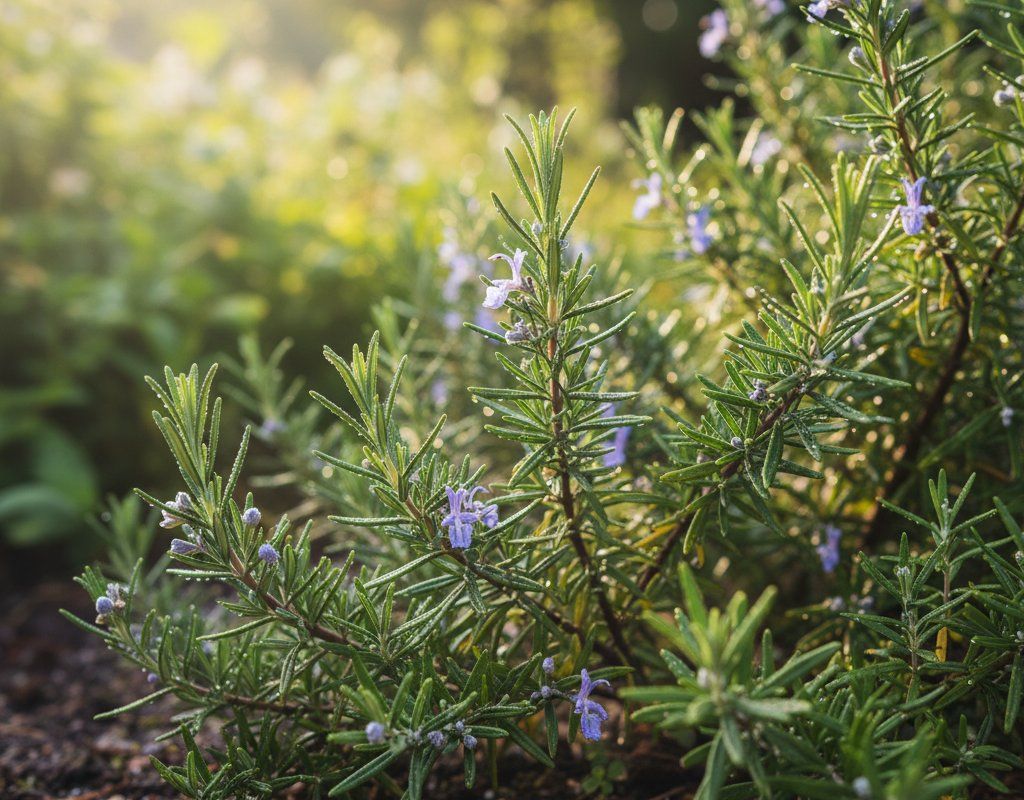
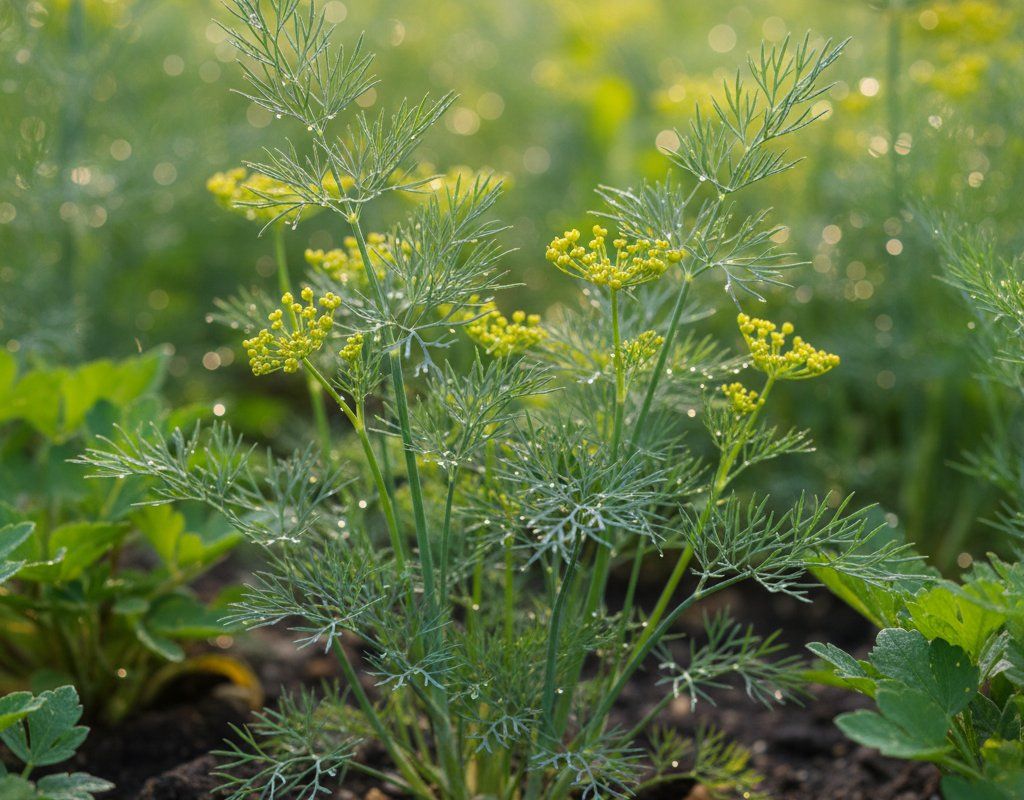
Tomatoes work well with carrots here because they provide some afternoon shade during our intense summer sun, and their deep roots don't interfere with carrot development. Rosemary planted nearby helps repel carrot flies and other pests while thriving in our alkaline soil conditions. Avoid planting dill near carrots – it can stunt carrot growth and attract the same pests. Also skip parsnips as companions since they're in the same family and compete for nutrients while attracting similar problems.
🌸Best Flowers to Plant with Carrot
These flowers protect your Carrot from pests and attract pollinators for better harvests.


Get a Reminder When It's Time to Plant
We'll email you when key planting windows open for your zone.