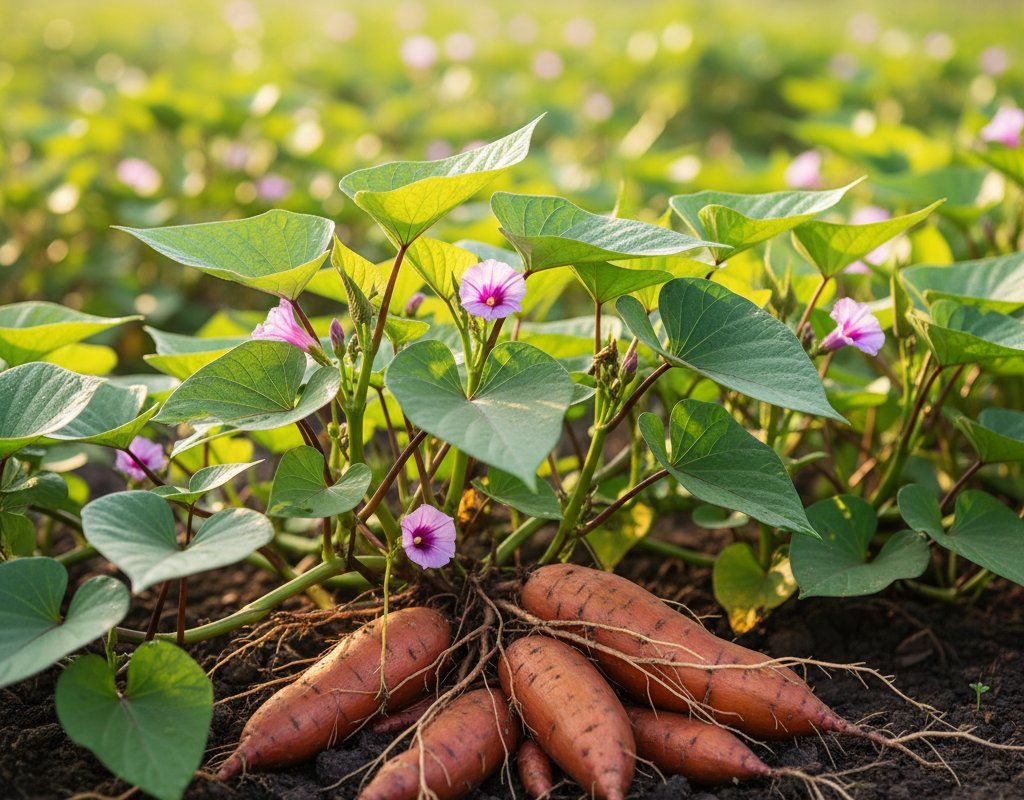
Sweet Potato in Zone 5A — Mountain West
Ipomoea batatas · Your Complete 2026 Planting Guide
Planning Ahead — Great!
You’re ahead of the season. Here’s when to start.
Mark Your Calendar
How to Plant Sweet Potato in Zone 5A — Mountain West
Here are all your options for getting sweet potato in the ground, from the easiest method to more advanced approaches.
Buy Starts
RecommendedLate May through early June
around May 31
Plant purchased starts after last frost (May 10).
Plant slips (rooted sprouts) after soil is warm. Buy slips or grow your own from a sweet potato.
Start Seeds Indoors
Works WellLate March through mid April
around April 5
Then transplant: Late May through early June
Start seeds 8-10 weeks before transplanting outdoors.
Direct Sow Seeds
ChallengingDirect sowing is not typical for Sweet Potato.
Transplant Outdoors
Timing InfoLate May through early June
around May 31
Wait until nighttime temperatures stay above 50°F.
Plan to transplant within a few weeks of your target date.
Overview
Sweet potatoes bring reliable yields and exceptional flavor to Mountain West gardens, with their natural drought tolerance and heat-loving nature perfectly suited to our intense sun and dry conditions. Our high altitude gardening environment actually enhances their sweetness, as the cool nights even in summer help concentrate sugars while the intense UV radiation promotes vigorous growth. The satisfaction of digging up these orange treasures in early fall makes the wait worthwhile, especially when you taste the difference between homegrown and store-bought varieties.
While our short growing season and late spring start might seem challenging for a heat-loving crop, sweet potatoes are surprisingly adaptable to Mountain conditions. With our 138-day growing season and careful timing, you'll have plenty of time for these 100-day beauties to mature before our first frost hits in late September. The key is starting with healthy slips and protecting them through those cool mountain nights early in the season.
Starting Seeds Indoors
Starting sweet potatoes from true seed isn't the typical approach for Mountain West gardeners, though it's technically possible if you're feeling adventurous. Most of us grow from slips (rooted sprouts) either purchased or grown from a sweet potato tuber, but if you want to try seed starting, plan for late March through mid-April, about 8 weeks before you can safely transplant outdoors.
Sweet potato seeds need consistent warmth and moisture to germinate, which means keeping your seed trays in the warmest spot you can find—ideally 75-80°F. Set up grow lights since our late spring means limited natural light during starting season. Bottom watering works particularly well here, as it maintains even moisture without creating the surface dampness that can lead to fungal issues in our low humidity environment.
Given our short season reality, most Mountain gardeners find it more reliable to purchase certified disease-free slips from reputable suppliers or grow their own slips from a healthy sweet potato tuber placed in water or sand during early spring.
Transplanting Outdoors
Wait until late May through early June to transplant your sweet potato slips outdoors—soil temperature needs to be consistently above 60°F, and those surprise late freezes can devastate tender transplants. Even though our days might feel warm by late May, remember that our cool nights even in summer mean soil warms slowly compared to lower elevations.
Harden off your slips gradually over a full week, starting with just 2-3 hours of filtered morning sun and building up to full outdoor conditions. Space plants 12-18 inches apart to give those sprawling vines room to develop, and choose your sunniest, most protected spot to maximize heat accumulation. Plant slips deep, burying about two-thirds of the stem to encourage strong root development.
Those first few weeks are critical in our Mountain climate—consider using row covers or Wall O' Water protection for the first two weeks if nighttime temperatures dip below 55°F. The intense UV at our altitude can stress newly transplanted slips, so afternoon shade cloth can help them establish without burning.
Watering Sweet Potato in Zone 5A (Mountain West)
Sweet potatoes prefer moderate, consistent moisture once established, making them surprisingly well-suited to our dry Mountain conditions. During the first month after transplanting, water deeply 2-3 times per week as plants establish their root systems, providing about 1-1.5 inches of water weekly including any natural rainfall.
Once vines start spreading in midsummer, cut back to weekly deep watering sessions—these plants are actually quite drought tolerant and prefer slightly dry conditions to constant moisture. Use the finger test: if soil feels dry 2 inches down, it's time to water. With our low humidity and intense sun, morning watering at the base of plants works best, avoiding overhead sprinklers that waste water to evaporation.
Reduce watering significantly during the last 3-4 weeks before harvest to concentrate flavors and prevent tubers from splitting. This timing usually coincides with our late August period when natural rainfall often decreases anyway. A light mulch of straw or grass clippings helps retain moisture without creating the overly damp conditions that can lead to rot.
Watch for signs of stress: wilting during the hottest part of the day is normal in our intense sun, but plants should recover by evening. Consistently yellowing leaves may indicate overwatering, while leaves that stay wilted even in cooler evening hours suggest the need for more water.
🧪Fertilizing Sweet Potato
Feeding Schedule
Organic Fertilizer Options
Harvest Time
Your sweet potatoes will be ready for harvest from early to late September, roughly 100 days after transplanting, but timing depends more on approaching frost than visual cues from the plant. Unlike other crops, sweet potato vines stay green right up until frost hits, so you'll need to track your planting date and watch weather forecasts as our typical first frost window approaches in late September.
Start checking tuber development by carefully digging around one plant in early September—mature sweet potatoes should have reached good size with smooth, firm skin. The vines may start yellowing slightly as temperatures drop, but don't wait for dramatic visual changes like you would with other crops.
Harvest on a dry day when soil isn't muddy, using a spading fork to gently lift tubers from about 18 inches away from the main stem. Dig carefully since sweet potato tubers can extend surprisingly far from the plant center and are easily damaged. Brush off excess soil but don't wash them—cured sweet potatoes keep much longer than freshly washed ones.
With our short season and reliable frost dates, plan to complete harvest by mid-September at the latest. Even light frost will damage the vines and potentially harm tubers still in the ground, so don't gamble with those last warm days that sometimes extend into early October.
Common Problems in Zone 5A (Mountain West)
Sweet Potato Weevils
Small, dark beetles and their white grubs that tunnel into sweet potato tubers, creating dark holes and making them inedible. In the Mountain West, weevils are less common than in warmer regions, but they can still appear, especially if you're growing sweet potatoes in the same location multiple years. You'll notice dark, pin-sized holes in tubers and potentially see the small beetles on vines.
Cool mountain nights actually help reduce weevil populations since they prefer consistently warm conditions. Rotate your sweet potato planting area each year, and inspect any purchased slips carefully before planting. Remove and destroy any damaged tubers immediately rather than composting them.
Wireworms
Thin, hard, yellow-brown larvae that bore perfectly round holes into sweet potato tubers, making them look like they've been shot with tiny bullets. These are particularly problematic in Mountain gardens where soil stays moist longer due to our clay-heavy soils and snow melt irrigation patterns. The larvae overwinter deep in soil and become active as soil warms.
Wireworms thrive in freshly turned sod areas, so avoid planting sweet potatoes in newly converted lawn spaces. Deep cultivation in fall can expose overwintering larvae to cold temperatures and predators. Beneficial nematodes applied to soil in late spring can help control populations naturally.
Cracking
Sweet potato tubers split open with deep fissures, exposing flesh to rot and making storage impossible. In our Mountain climate, this typically happens when heavy irrigation or unexpected late-season storms follow periods of dry conditions, causing tubers to absorb water faster than their skins can expand. Our intense sun and low humidity can create the dry conditions that make subsequent cracking more likely.
Maintain consistent soil moisture throughout the growing season rather than letting plants stress and then flooding them. Our alkaline soils can exacerbate the problem by affecting nutrient uptake, so consider adding sulfur to lower pH slightly. Reduce watering in the final month before harvest to minimize late-season cracking risk.
Mountain West Specific Challenges
Our high altitude environment creates unique stresses for sweet potatoes, including intense UV that can sunscald exposed tubers and alkaline soils that may limit nutrient availability. The combination of hot days and cool nights actually benefits flavor development, but rapid temperature swings can stress plants. Hail is always a concern during our summer thunderstorm season—row covers provide protection but may need to be removed quickly to prevent overheating during hot spells.
Best Companions for Sweet Potato
Plant these nearby for healthier Sweet Potato and better harvests.


Keep Away From
Companion Planting Details
Sweet potatoes work beautifully in traditional Three Sisters plantings alongside beans and corn, with the sprawling sweet potato vines serving as living mulch while beans fix nitrogen in our often nitrogen-poor mountain soils. The corn provides beneficial afternoon shade during our intense summer sun, while the sweet potato vines help retain soil moisture—crucial in our dry climate. This combination also maximizes space utilization, important when working with shorter growing seasons.
Avoid planting sweet potatoes near tomatoes or other nightshades, not because of direct competition but because they have similar nutrient requirements and can create localized soil depletion in our already challenging alkaline soils. The sprawling nature of sweet potato vines can also overwhelm slower-growing companions, so give them plenty of room or pair them only with tall, sturdy partners that won't be smothered by the vigorous vine growth our intense mountain sun encourages.
🌸Best Flowers to Plant with Sweet Potato
These flowers protect your Sweet Potato from pests and attract pollinators for better harvests.
For Pest Control




Get a Reminder When It's Time to Plant
We'll email you when key planting windows open for your zone.