
Carrot in Zone 5B — Mid-Atlantic
Daucus carota · Your Complete 2026 Planting Guide
Planning Ahead — Great!
You’re ahead of the season. Here’s when to start.
Mark Your Calendar
How to Plant Carrot in Zone 5B — Mid-Atlantic
Here are all your options for getting carrot in the ground, from the easiest method to more advanced approaches.
Direct Sow Seeds
RecommendedEarly April through late July
around April 6
Consider succession planting every 2-3 weeks for continuous harvest.
Carrots have a taproot and don't transplant. Direct sow only.
Buy Starts
Works WellEarly April through early May
around April 6
Plant purchased starts after last frost (April 20).
Start Seeds Indoors
ChallengingThis plant is typically not started indoors.
Transplant Outdoors
Timing InfoEarly April through early May
around April 6
Can tolerate light frost, but wait for soil to be workable.
You have a nice window — no need to rush.
Fall Planting
Late July through late August
August 13 ideal · Direct sow for fall harvest
Plant a second crop in mid-summer for fall harvest. Carrot actually prefers the cooling temperatures of fall.
Overview
Carrots grown in the Mid-Atlantic deliver unmatched sweetness and crisp texture that makes store-bought versions taste like cardboard. Our region's even rainfall and four distinct seasons provide ideal conditions for developing those deep orange roots, while our 178-day growing season gives you multiple planting opportunities from early spring through late summer. The satisfaction of pulling perfect, straight carrots from your own soil makes every gardening challenge worth it.
Our humid summers and variable spring weather can present challenges for carrot growing, but proper timing makes these manageable. Clay soil issues can be overcome with good bed preparation, and deer pressure affects the foliage more than the roots you're after.
Transplanting Outdoors
Carrots have a long taproot that makes transplanting nearly impossible without damaging the root system. Unlike many vegetables, carrots simply don't tolerate being moved once their roots have developed.
Skip the transplant method entirely with carrots. The stress of moving these plants will result in forked, stunted, or completely failed roots. Your Mid-Atlantic growing season provides plenty of time for direct seeding instead.
Direct Sowing
Direct sowing is your only viable option for growing carrots, and it works beautifully in our Mid-Atlantic climate. Sow seeds from early April through late July, giving you multiple succession plantings throughout our long growing season. Wait until soil temperatures reach at least 45°F - usually by early to mid-April in our area.
Prepare your beds by working the soil deeply to at least 8 inches, removing all rocks and breaking up clay clumps that could cause forking. Carrot seeds are tiny and need excellent soil contact, so rake the surface smooth. Sow seeds about ½ inch deep and barely cover with fine soil or compost. Space final plants 2-3 inches apart, but sow more densely since germination can be spotty.
Keep the soil consistently damp for the critical first 2-3 weeks while seeds germinate. This is where many carrot plantings fail - the soil surface dries out during our variable spring weather and seeds die before emerging.
Watering Carrot in Zone 5B (Mid-Atlantic)
Consistent moisture during germination is absolutely critical for carrot success in the Mid-Atlantic. Keep the soil surface damp (not soggy) for the first 2-3 weeks while seeds are sprouting. This can be challenging during our variable spring weather when warm days quickly dry out the soil surface.
Once plants are established, carrots need about 1 inch of water per week, which our region's even rainfall often provides naturally. Use the finger test - stick your finger 2 inches into the soil, and if it's dry at that depth, it's time to water. During our humid summers, water at the base of plants rather than overhead to reduce disease pressure and make better use of water.
Even watering throughout the growing season prevents root cracking, which can happen when dry soil is suddenly saturated. Our typical 40-50 inches of annual rainfall helps, but you'll need to supplement during dry spells, especially in late summer plantings. A 2-inch layer of straw mulch helps retain moisture and keeps the soil temperature more even during our moderate-to-hot summer days.
Watch for signs of stress - wilting during the heat of the day despite adequate soil moisture, or foliage that looks pale and stunted. Overwatered carrots in our humid climate may develop fungal issues, so aim for consistent moisture rather than soggy conditions.
🧪Fertilizing Carrot
Feeding Schedule
Organic Fertilizer Options
Harvest Time
Your first carrots will be ready for harvest about 70 days after sowing, which means mid-June harvests for early April plantings. Look for carrot shoulders (tops of the roots) that are about ¾ inch in diameter where they meet the soil surface - you can often see these pushing up slightly above ground level.
Test harvest by gently pulling one carrot to check size and flavor. The roots should slide out easily when the soil is slightly damp. If they resist, loosen the soil around them first with a garden fork to avoid snapping the roots. Harvest in the morning when plants are fully hydrated for the crispest texture.
Fall plantings can stay in the ground well past our first frost in mid-October since carrots actually improve in flavor after experiencing some cold weather. The sugars concentrate as temperatures drop, making late-season carrots incredibly sweet. You can harvest throughout fall until the ground freezes hard.
For the best storage life, harvest during dry weather and brush off excess soil rather than washing immediately. Cut the green tops to about an inch to prevent moisture loss, but leave them on until you're ready to store or use the carrots.
Common Problems in Zone 5B (Mid-Atlantic)
Forking appears as carrot roots that split into two or more main sections instead of growing as single, straight roots. You'll pull up carrots that look like tiny legs or have multiple twisted appendages rather than the classic tapered shape. This happens when roots encounter obstacles like rocks or compacted clay soil - common in our Mid-Atlantic clay conditions - or when you've added fresh manure that creates nitrogen hotspots. Work your soil deeply each season, removing all rocks and debris. Build raised beds with loose potting mix if you're dealing with heavy clay that won't improve, and always use composted rather than fresh manure.
Carrot rust fly shows up as rusty brown tunnels throughout your carrot roots, making them inedible despite healthy-looking tops. You might notice small dark flies hovering around your plants in late spring and again in late summer. The maggots tunnel extensively through roots, causing wilting even when soil moisture is adequate. Row covers provide the most effective prevention during peak fly periods in our region. Delay your first spring planting until late April to avoid the first generation of flies, and harvest fall carrots promptly. Interplanting with onions helps confuse the flies with competing scents.
Green shoulders occur when the top portions of carrot roots turn green where they're exposed to sunlight above the soil surface. This is purely cosmetic - the green parts are safe to eat but may taste slightly bitter. As carrots mature, they often push their shoulders above ground level, especially in our loose, well-prepared beds. Hill soil or add mulch around the exposed portions as carrots develop, or simply harvest promptly when roots reach maturity.
Mid-Atlantic Specific Challenges: Our humid summers create ideal conditions for fungal issues when carrots are overwatered or overcrowded. Clay soil can be particularly challenging for straight root development, making raised beds or extensive soil amendment worthwhile investments. Deer will browse carrot tops, but this rarely affects root development significantly.
Best Companions for Carrot
Plant these nearby for healthier Carrot and better harvests.

Keep Away From
Companion Planting Details
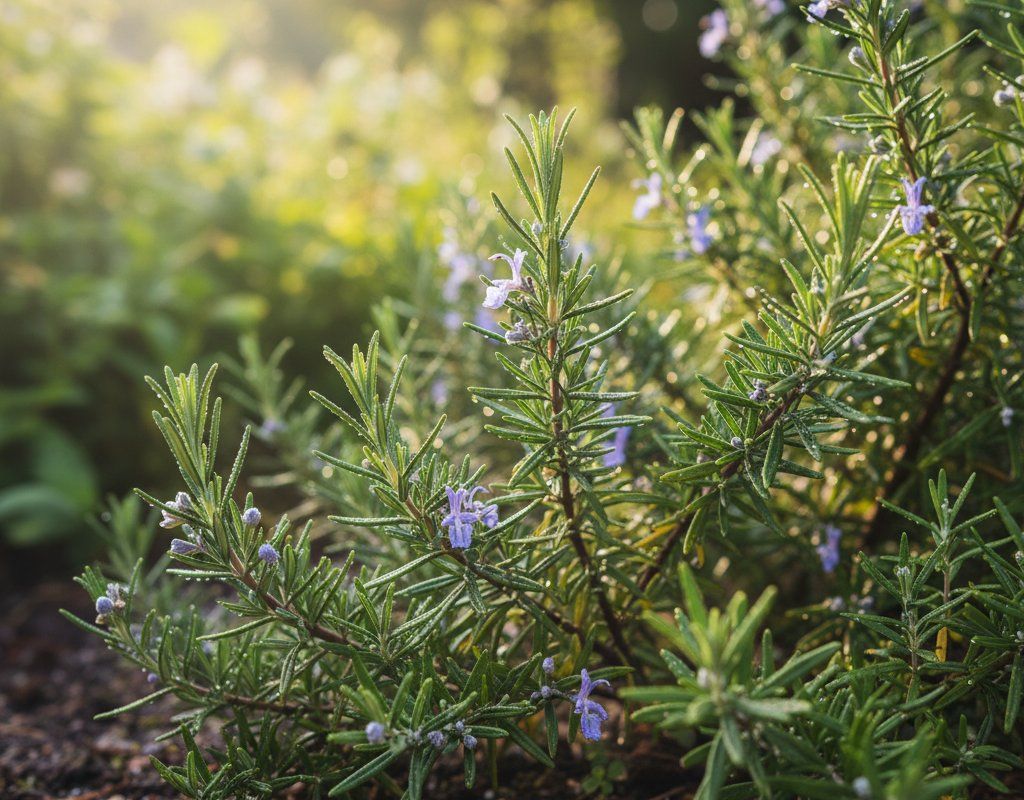
Plant carrots alongside lettuce and onions for a classic trio that works beautifully in Mid-Atlantic beds. Lettuce provides living mulch that helps retain soil moisture during our variable spring weather, while its shallow roots don't compete with developing carrot taproots. Onions repel carrot rust flies with their strong scent and use vertical space without crowding. Tomatoes make excellent neighbors since their deep roots occupy different soil layers, and some gardeners swear that carrots improve tomato flavor when planted nearby.
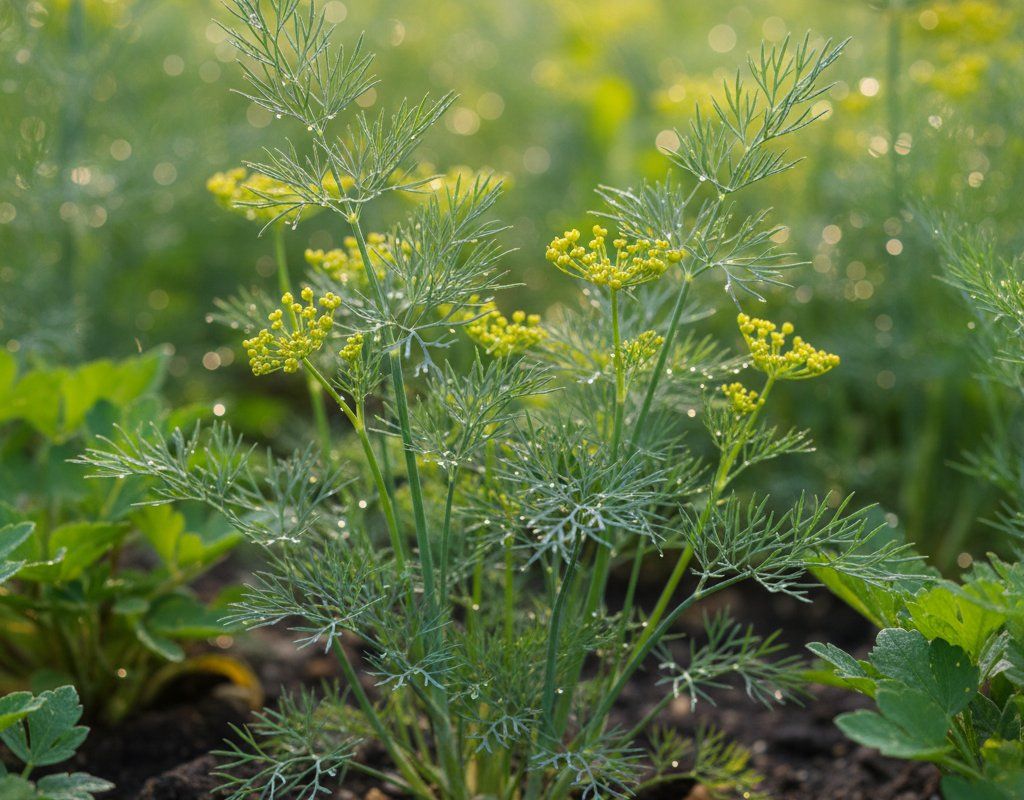
Avoid planting carrots near dill or parsnips in your Mid-Atlantic garden. Dill can attract carrot rust flies and may cross-pollinate with carrots if you're saving seeds. Parsnips are closely related and compete for the same soil nutrients while potentially sharing pest problems. Both crops also prefer similar growing conditions, making disease management more challenging when they're planted together.
🌸Best Flowers to Plant with Carrot
These flowers protect your Carrot from pests and attract pollinators for better harvests.


Get a Reminder When It's Time to Plant
We'll email you when key planting windows open for your zone.