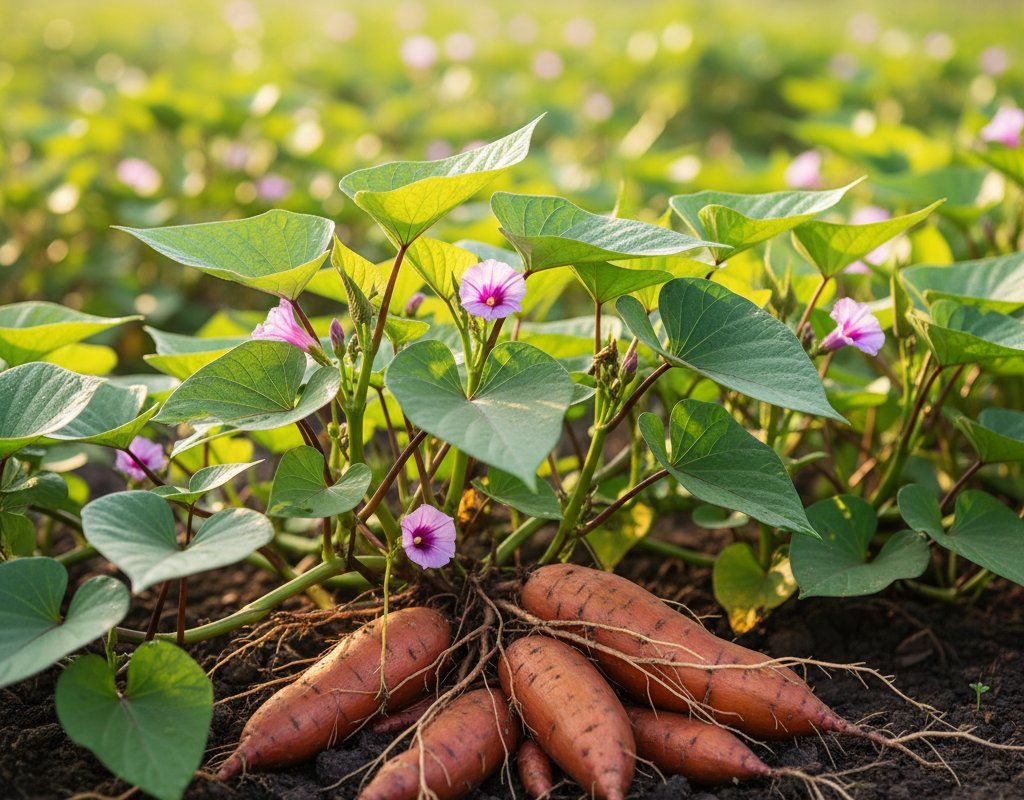
Sweet Potato in Zone 5B — Midwest
Ipomoea batatas · Your Complete 2026 Planting Guide
Planning Ahead — Great!
You’re ahead of the season. Here’s when to start.
Mark Your Calendar
How to Plant Sweet Potato in Zone 5B — Midwest
Here are all your options for getting sweet potato in the ground, from the easiest method to more advanced approaches.
Buy Starts
RecommendedMid May through early June
around May 16
Plant purchased starts after last frost (April 25).
Plant slips (rooted sprouts) after soil is warm. Buy slips or grow your own from a sweet potato.
Start Seeds Indoors
Works WellMid March through early April
around March 21
Then transplant: Mid May through early June
Start seeds 8-10 weeks before transplanting outdoors.
Direct Sow Seeds
ChallengingDirect sowing is not typical for Sweet Potato.
Transplant Outdoors
Timing InfoMid May through early June
around May 16
Wait until nighttime temperatures stay above 50°F.
Plan to transplant within a few weeks of your target date.
Overview
Sweet potatoes thrive in our Midwest summers, producing nutrient-dense tubers that store beautifully through our cold winters. The combination of our fertile soil and reliable summer heat creates ideal conditions for these vigorous vines, which can yield 3-5 pounds per plant when given proper space to spread. Unlike their finicky cousin the regular potato, sweet potatoes actually prefer our clay-based soils and handle summer heat spells without missing a beat.
With our 168-day growing season, you have plenty of time to grow substantial sweet potatoes from transplants, though the timing requires some planning around our variable spring weather. The key is getting slips (rooted sprouts) established after soil warms in mid to late May, then letting our warm Midwest summers do the heavy lifting through early October harvest.
Starting Seeds Indoors
Starting sweet potatoes from seed isn't the typical approach most Midwest gardeners take, but it's possible if you're feeling adventurous or want to try unusual varieties. Sweet potato seeds need consistent warmth (75-80°F) and take longer to germinate than most vegetables, so start them indoors from mid-March through early April if you go this route.
Set up seed trays with a heat mat and keep the soil consistently moist using bottom watering to avoid disturbing the slow-germinating seeds. Our moderate-to-late spring start means you'll have plenty of time for seedlings to develop before transplanting after Memorial Day. However, most successful Midwest sweet potato growers skip seeds entirely and either buy slips from suppliers or grow their own from store-bought organic sweet potatoes placed in water.
The slip method is far more reliable in our climate. Simply place a sweet potato half-submerged in water around early April, and harvest the rooted sprouts that emerge for transplanting in late May.
Transplanting Outdoors
Wait until soil temperatures reach at least 60°F before transplanting sweet potato slips outdoors, typically from mid-May through early June in our region. Memorial Day weekend is the traditional benchmark here in the Midwest, though you can plant earlier if we have a consistently warm May. The soil should feel warm to your hand several inches down, not just surface-warm from a sunny day.
Harden off your slips gradually over a full week, starting with 2-3 hours of morning sun and gradually increasing exposure. Our spring weather can swing dramatically, so watch for late cold snaps that might damage tender transplants. Space slips 12-18 inches apart in rows, burying the stem up to the first set of leaves to encourage strong root development.
Plant slips deep in our fertile Midwest soil, as sweet potatoes form along buried stems. If you're working with heavy clay, consider building raised rows or adding compost to improve drainage, since waterlogged conditions can rot developing tubers despite our generally well-draining conditions.
Watering Sweet Potato in Zone 5B (Midwest)
Sweet potatoes need moderate water to get established but become surprisingly drought-tolerant once their extensive root system develops in our fertile soil. Water deeply once or twice per week during the first month after transplanting, providing about 1 inch of water weekly including rainfall. Use the finger test—stick your finger 2 inches into the soil, and water if it feels dry at that depth.
Our typical 30-40 inches of summer rainfall often provides most of what sweet potatoes need, especially during July and August when afternoon thunderstorms are common. During our summer heat spells when temperatures push toward 90°F, you may need supplemental watering, but avoid overhead watering in our moderate-to-humid conditions to prevent foliar diseases. Instead, water at the base of plants using soaker hoses or drip irrigation.
Sweet potato vines actually signal their water needs clearly—leaves will start to flag slightly when they need water but perk up quickly once watered. About 3-4 weeks before your planned harvest, reduce watering significantly to concentrate sugars in the developing tubers. Too much late-season water can cause tubers to crack or develop a watery texture.
Mulch around plants with straw or grass clippings to maintain consistent soil moisture and suppress weeds. This is especially valuable in our clay soils, which can crack during dry spells and become waterlogged after heavy rains.
🧪Fertilizing Sweet Potato
Feeding Schedule
Organic Fertilizer Options
Harvest Time
Begin checking for mature sweet potatoes in late August, though most Midwest growers harvest from mid-September through early October before our first frost. Unlike above-ground crops, sweet potatoes don't give obvious visual cues when ready, so timing is based on your planting date plus 100 days of growing time. Gently dig around one plant to check tuber size—they should be well-formed but still firm.
Harvest sweet potatoes carefully using a garden fork, starting about 18 inches from the main stem to avoid spearing tubers. Our clay soil can make digging challenging, so work when soil is slightly moist but not soggy. Brush off excess soil but don't wash the tubers—curing works best with some soil still clinging to the skins.
Sweet potatoes must be harvested before the first frost, which typically arrives in early October here in the Midwest. Even a light frost will damage the tubers underground, so watch weather forecasts closely and be ready to dig everything when frost threatens. A cool but frost-free night won't hurt them, but anything below 32°F will.
After harvest, cure sweet potatoes in a warm (80-85°F), humid location for 1-2 weeks to convert starches to sugars and toughen the skins for storage. A sunny room, greenhouse, or even near your furnace works well. Properly cured sweet potatoes store for months in a cool, dry basement—perfect for enjoying your Midwest-grown crop all winter long.
Common Problems in Zone 5B (Midwest)
Sweet Potato Weevils These small, dark beetles create small holes in tubers and their white larvae tunnel through the flesh, leaving brown trails and a turpentine-like smell. Adult weevils are about 1/4 inch long with a distinctive snout and often appear metallic blue-black. The damage isn't always visible from the outside, making this pest particularly frustrating for Midwest growers.
Sweet potato weevils overwinter in stored tubers and plant debris, then emerge when temperatures warm in late spring. They're attracted to stressed plants and those growing in the same location year after year. Rotate your sweet potato planting area annually and avoid saving tubers from infested harvests. Remove all plant debris after harvest and consider solarizing the soil during our hot summer months if infestations occur.
Wireworms These yellow-brown, segmented larvae bore into developing sweet potatoes, creating smooth, round holes about 1/8 inch in diameter. The damage looks like someone took a drill to your tubers, and the holes often extend deep into the flesh. Wireworms are particularly common in Midwest gardens with heavy clay soil or areas recently converted from grass.
Wireworms are click beetle larvae that live in soil for several years, feeding on roots and tubers. They're most active in spring when soil is cool and moist, which coincides with sweet potato planting time in our region. Till your planting area in fall to expose larvae to winter freezing, and avoid planting sweet potatoes where grass grew the previous year. Trap wireworms by burying pieces of potato or carrot 2-4 inches deep, then dig them up after a few days and dispose of the larvae.
Cracking Sweet potato tubers develop splits or cracks in their skin, either as concentric circles or radiating lines from the growing tip. These cracks expose the orange flesh to rot and significantly reduce storage life. The damage often occurs underground and isn't visible until harvest time.
Heavy watering or rainfall after a dry period causes tubers to absorb water faster than their skin can expand, similar to tomato cracking. This is particularly common in our clay soils, which can go from bone-dry to saturated quickly during summer thunderstorms. Maintain consistent soil moisture with mulch and regular watering schedules. Reduce watering 3-4 weeks before harvest to minimize late-season cracking, and harvest promptly once tubers reach maturity.
Midwest Specific Challenges: Our region's combination of fertile clay soil, variable spring weather, and intense summer thunderstorms creates unique challenges for sweet potato growing. The clay holds moisture well but can become waterlogged, while our typical summer heat spells followed by heavy rains create ideal conditions for both pest problems and tuber cracking.
Best Companions for Sweet Potato
Plant these nearby for healthier Sweet Potato and better harvests.


Keep Away From
Companion Planting Details
Sweet potatoes pair beautifully with corn and beans in a modified version of the traditional "Three Sisters" planting, where the sweet potato vines spread as a living mulch beneath tall corn stalks. The corn provides vertical structure that doesn't compete with the spreading sweet potato vines, while beans fix nitrogen that benefits both companion crops. This combination works particularly well in our fertile Midwest soil, where all three crops can achieve full size without overcrowding.
Avoid planting sweet potatoes near other root crops like regular potatoes or carrots, as they'll compete for the same soil space and nutrients. However, this isn't a major concern since few crops share the sweet potato's preference for warm soil and long growing season in our Zone 5B climate.
🌸Best Flowers to Plant with Sweet Potato
These flowers protect your Sweet Potato from pests and attract pollinators for better harvests.
For Pest Control




Get a Reminder When It's Time to Plant
We'll email you when key planting windows open for your zone.