
Carrot in Zone 7A — Desert Southwest
Daucus carota · Your Complete 2026 Planting Guide
Planning Ahead — Great!
You’re ahead of the season. Here’s when to start.
Mark Your Calendar
How to Plant Carrot in Zone 7A — Desert Southwest
Here are all your options for getting carrot in the ground, from the easiest method to more advanced approaches.
Direct Sow Seeds
RecommendedMid March through mid August
around March 11
Consider succession planting every 2-3 weeks for continuous harvest.
Carrots have a taproot and don't transplant. Direct sow only.
Buy Starts
Works WellMid March through early April
around March 11
Plant purchased starts after last frost (March 25).
Start Seeds Indoors
ChallengingThis plant is typically not started indoors.
Transplant Outdoors
Timing InfoMid March through early April
around March 11
Can tolerate light frost, but wait for soil to be workable.
You have a nice window — no need to rush.
Fall Planting
Late August through late September
September 8 ideal · Direct sow for fall harvest
Plant a second crop in mid-summer for fall harvest. Carrot actually prefers the cooling temperatures of fall.
Overview
Carrots shine in our Desert Southwest gardens, offering sweet, crisp roots that put grocery store versions to shame. With our two growing seasons, you can enjoy fresh carrots from spring through fall, taking advantage of the mild winters to grow varieties that would struggle in harsher climates. The controlled desert environment means fewer pest issues and consistent growing conditions once you master the timing.
Growing carrots in extreme heat takes some planning, but our 230-day growing season gives you plenty of flexibility. The key is avoiding the brutal summer months for germination while taking advantage of our extended fall growing period. With proper timing and consistent watering, you'll harvest beautiful, straight roots that thrive in our alkaline soils.
Transplanting Outdoors
Carrots don't transplant well due to their long taproot, which easily breaks or becomes deformed when disturbed. Any damage to the main root during transplanting results in forked, twisted carrots that won't develop properly. Even seedlings started in deep containers rarely produce quality roots after transplanting.
For this reason, skip transplanting entirely with carrots. Direct sowing from mid-March through early April gives you the best results in our desert climate. If you're eager to get an early start, focus on soil preparation instead – work compost into your planting beds and ensure good drainage for when direct sowing time arrives.
Direct Sowing
Direct sowing is the only reliable method for growing carrots in the Desert Southwest. Start your first plantings from mid-March through early April when soil temperatures reach 45-50°F, then continue with successive plantings through mid-August for fall harvests. The extended window lets you avoid the extreme heat of summer while still getting good germination.
Prepare loose, well-draining soil at least 8-10 inches deep, removing all rocks and breaking up any caliche layers that could cause root deformation. Mix in compost to improve our alkaline desert soil, but avoid fresh manure which encourages root forking. Sow seeds 1/4 inch deep and 2-3 inches apart – carrot seeds are tiny, so mixing them with sand helps with even distribution.
Keep the soil consistently moist during the 14-21 day germination period, which is critical in our arid climate. Cover the seeded area with burlap or shade cloth to prevent the soil surface from crusting over in our low humidity. Once seedlings emerge, remove the cover and thin to final 2-3 inch spacing for proper root development.
Watering Carrot in Zone 7A (Desert Southwest)
Consistent moisture is absolutely critical for carrots in our arid Desert Southwest climate, especially during the lengthy germination period. Keep soil consistently damp for 2-3 weeks after sowing – check daily by sticking your finger 2 inches into the soil. If it feels dry, water gently to avoid washing away the tiny seeds. Our low humidity means surface soil dries quickly, so light daily watering works better than heavy, infrequent watering during germination.
Once established, carrots need about 1 inch of water per week through drip irrigation or soaker hoses. Water at the base to avoid wetting the foliage, which isn't an issue for disease in our arid climate but conserves precious water. During our extreme summer heat, established carrots may need watering every other day, while spring and fall plantings can go 3-4 days between waterings depending on soil type.
Even, consistent watering prevents common carrot problems like cracking and splitting that occur when dry periods are followed by heavy watering. The finger test at 2 inches deep remains your best guide – soil should feel like a wrung-out sponge. Our monsoon moisture from July through September can supplement your watering schedule, but don't rely on it entirely since desert storms are unpredictable.
Apply a thin layer of mulch around plants to conserve moisture and keep soil temperatures stable during temperature swings. Avoid thick mulch layers that can harbor pests or create overly moist conditions that our desert-adapted plants don't need.
🧪Fertilizing Carrot
Feeding Schedule
Organic Fertilizer Options
Harvest Time
Your first carrots will be ready for harvest about 70 days after sowing, typically from mid-May for spring plantings through mid-November for late summer sowings. Look for carrot tops that are about 3/4 inch in diameter where they meet the soil surface – this usually indicates roots have reached good eating size underneath. The shoulders should feel firm when you brush away a bit of soil to check.
Harvest by gently loosening the soil around each carrot with a garden fork, then pulling straight up while holding the green tops near the base. Our desert soils can become quite hard between waterings, so loosening first prevents snapping the roots. If tops break off, dig carefully with a trowel to retrieve the root without damaging neighboring plants.
Unlike some crops, carrots don't ripen off the plant and won't continue growing once pulled. However, they can stay in the ground for several weeks past maturity if needed, though they may become woody or attract pests. Our mild winter temperatures mean fall-planted carrots can often stay in the ground through December or even January, providing fresh harvests well into the cooler months.
As your first frost approaches in early November, harvest any remaining summer-planted carrots for storage. Fall plantings established by late September will continue growing through winter and can handle light frosts, giving you fresh carrots during the coolest part of our growing season.
Common Problems in Zone 7A (Desert Southwest)
Forking appears as carrot roots that split into multiple branches or grow in twisted, deformed shapes instead of straight, single roots. In the Desert Southwest, this commonly happens when roots hit caliche layers or rocky debris in our naturally compact soils. Fresh manure can also cause forking by creating pockets of rich soil that encourage side root development. Prevent forking by working soil deeply to break up caliche, removing all rocks and debris, and using only well-composted organic matter. Consider raised beds filled with loose potting mix for the most reliable straight roots in our challenging desert soils.
Carrot rust fly shows up as rusty brown tunnels throughout carrot roots, with small dark flies hovering around plants and foliage wilting despite adequate water. While less common in our arid climate than in humid regions, these flies can still appear, especially during monsoon season when moisture levels rise. Row covers provide the best prevention by blocking egg-laying adults from reaching your plants. Time plantings to avoid the first fly generation in late spring, and harvest promptly to reduce attraction. Interplanting with onions helps confuse the flies' scent-tracking abilities.
Green shoulders develop when the top portions of carrot roots push above soil level and turn green from sun exposure. This happens frequently in our intense desert sunlight and isn't harmful – the green parts are safe to eat but taste slightly bitter. Prevent green shoulders by hilling soil or applying mulch over exposed carrot tops as they develop. Our extreme sun makes this more likely than in other regions, so check plants weekly and cover any exposed shoulders promptly.
Desert Southwest specific challenges include soil compaction from our clay and caliche layers, which significantly increases forking problems. Our intense UV radiation makes green shoulders more common and severe than in other regions. The extreme heat can stress plants and make them more susceptible to pest damage, while water scarcity means any pest problems develop quickly when irrigation is inconsistent.
Best Companions for Carrot
Plant these nearby for healthier Carrot and better harvests.

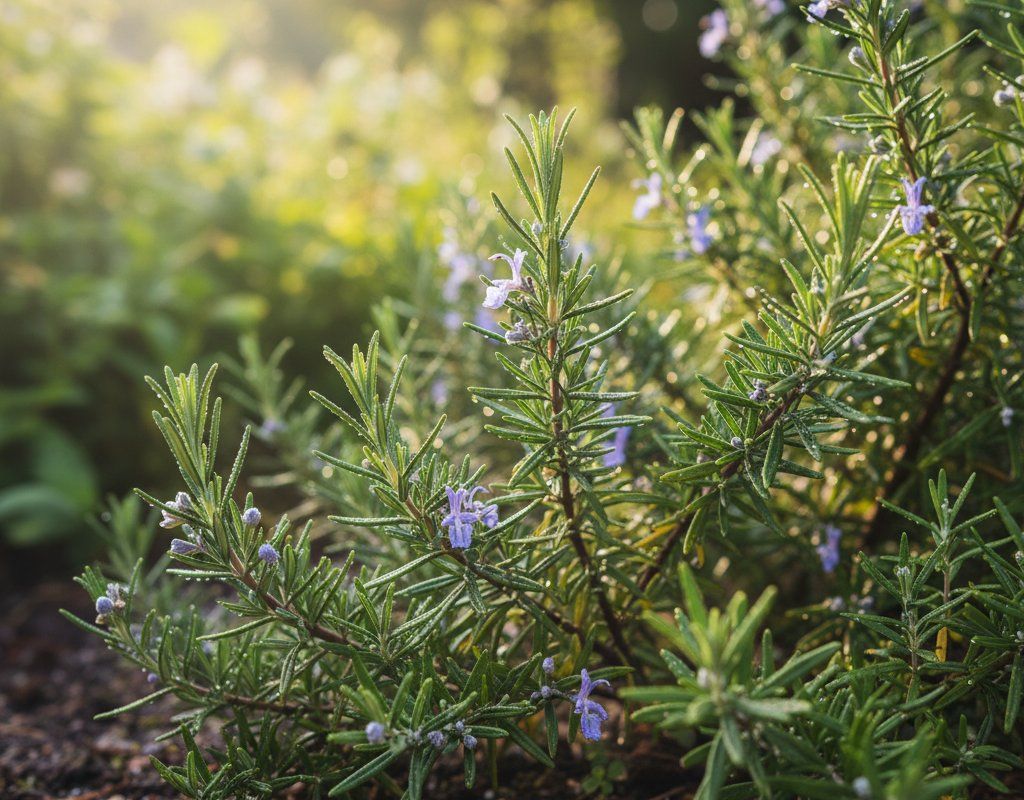
Keep Away From
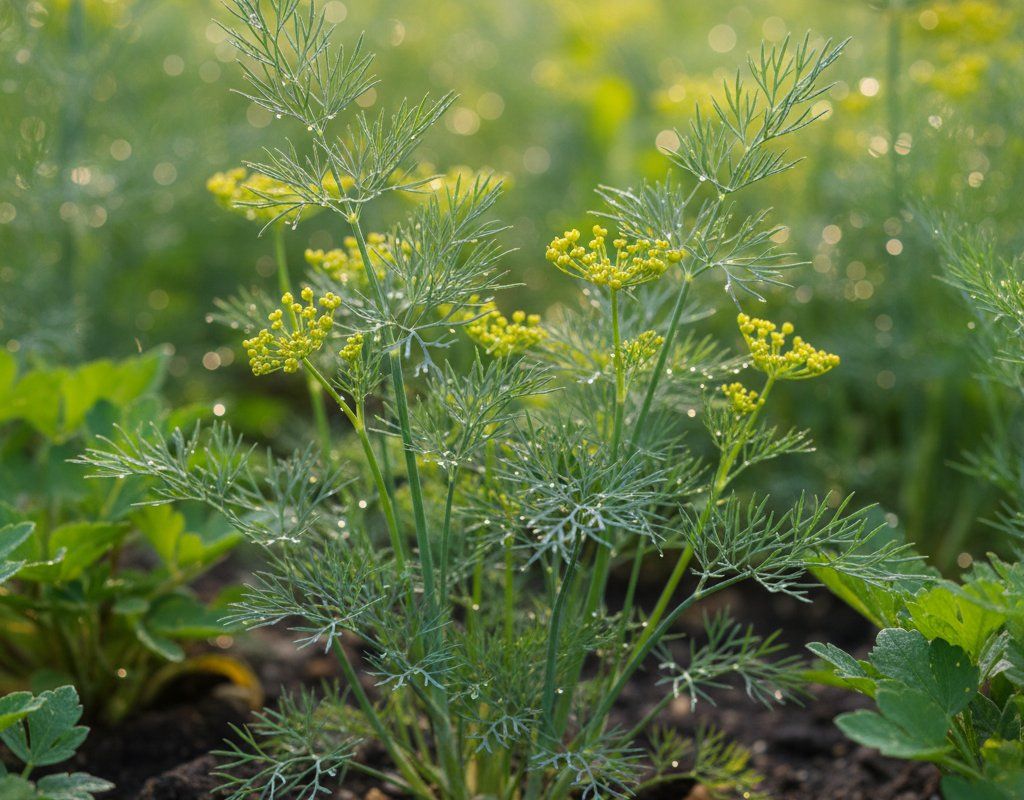
Companion Planting Details
Lettuce makes an excellent companion for carrots in desert gardens, providing living mulch that helps conserve soil moisture while not competing heavily for nutrients. Plant lettuce between carrot rows – its shallow roots won't interfere with carrot development, and you'll harvest the lettuce before carrots need the space. Onions planted nearby naturally repel carrot rust flies and other pests through their strong scent, while their upright growth habit doesn't shade the carrot tops.
Tomatoes can work as distant companions since they don't directly compete for root space, though keep them far enough away that their water and nutrient needs don't create competition. Rosemary planted at bed edges provides natural pest deterrence without taking up prime growing space. Avoid planting dill near carrots, as it can cross-pollinate and affect flavor, while parsnips should be kept separate since they're in the same family and compete for similar nutrients and growing space.
🌸Best Flowers to Plant with Carrot
These flowers protect your Carrot from pests and attract pollinators for better harvests.


Get a Reminder When It's Time to Plant
We'll email you when key planting windows open for your zone.