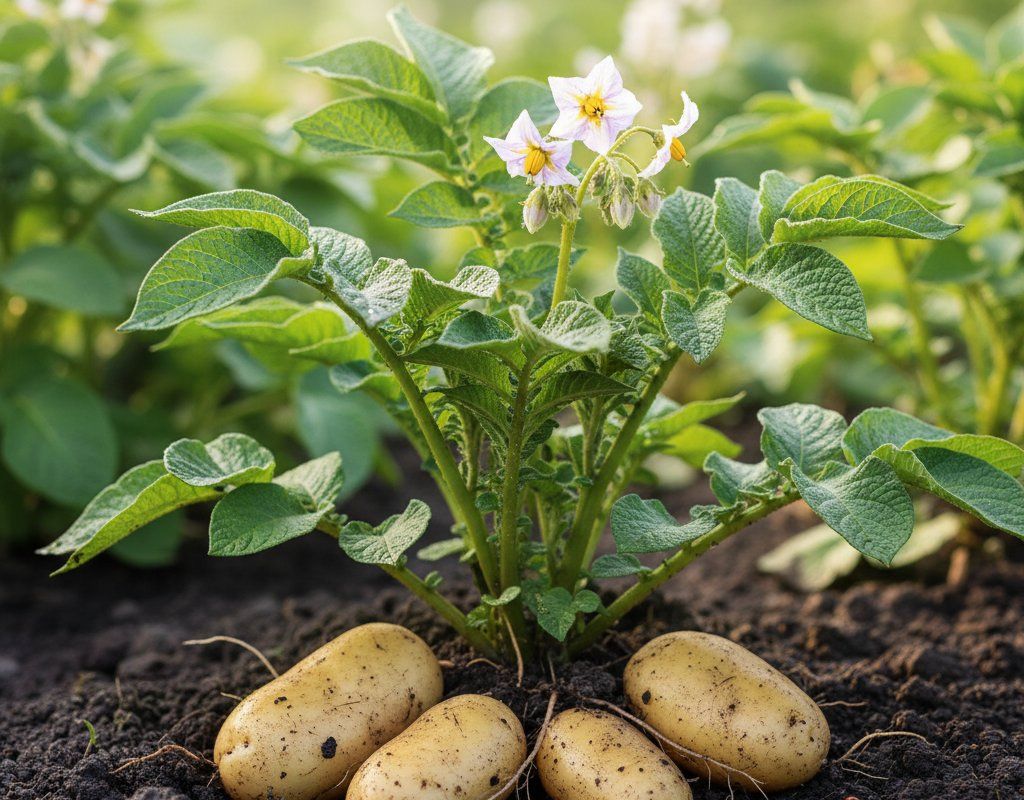
Potato in Zone 7A — Desert Southwest
Solanum tuberosum · Your Complete 2026 Planting Guide
Planning Ahead — Great!
You’re ahead of the season. Here’s when to start.
Mark Your Calendar
How to Plant Potato in Zone 7A — Desert Southwest
Here are all your options for getting potato in the ground, from the easiest method to more advanced approaches.
Direct Sow Seeds
RecommendedMid March through late July
around March 11
Consider succession planting every 2-3 weeks for continuous harvest.
Plant seed potatoes directly in the ground. Not grown from true seed.
Buy Starts
Works WellMid March through early April
around March 11
Plant purchased starts after last frost (March 25).
Start Seeds Indoors
ChallengingThis plant is typically not started indoors.
Transplant Outdoors
Timing InfoMid March through early April
around March 11
Can tolerate light frost, but wait for soil to be workable.
Plan to transplant within a few weeks of your target date.
Overview
In the Desert Southwest's Zone 7A, potatoes offer exceptional value for your gardening efforts. Our extreme heat might seem challenging for this cool-season crop, but with proper timing, you'll harvest pounds of fresh tubers that store beautifully through our mild winters. The satisfaction of digging up your own potatoes—whether creamy fingerlings or baking russets—far surpasses anything from the grocery store, especially when you consider how well they adapt to our alkaline soils.
The key to potato success here lies in working with our unique 230-day growing season and two distinct planting windows. Yes, our extreme summer heat and low humidity create challenges, but our mild winters and extended fall season give you flexibility that gardeners in harsher climates can only dream of. Plant early in spring or wait for the summer heat to break, and you'll avoid the worst conditions while still getting excellent yields.
Transplanting Outdoors
While potatoes are typically grown from seed potatoes rather than transplants, if you've started your own potato plants indoors or purchased transplants, you can set them out from mid-March through early April in our Desert Southwest climate. This narrow window takes advantage of our mild spring weather before the extreme heat arrives.
Harden off any potato transplants gradually over one week, starting with just 2-3 hours of morning sun and building up to full exposure. Space transplants 12 inches apart to allow proper tuber development and air circulation—crucial in our arid climate where good airflow helps prevent the few fungal issues we do see.
Watch for late cold snaps during this transplant window, as our desert nights can still dip into the 30s in March. Have row covers ready, and remember that even semi-hardy potatoes will suffer damage if temperatures drop below 28°F after planting.
Direct Sowing
Direct sowing seed potatoes is the preferred method here in the Desert Southwest, and you have two excellent windows: mid-March through early April for your main crop, or late June through July for a fall harvest. The spring window gives you the longest growing season before extreme heat arrives, while summer planting works well if you can provide adequate water during establishment.
Prepare your planting area by working compost into our typically alkaline soil—potatoes prefer slightly acidic conditions but will adapt. Plant seed potatoes when soil temperature reaches 45°F, which happens reliably by mid-March in most Desert Southwest locations. If you're dealing with caliche, consider raised beds or containers for better drainage and soil control.
Space seed potatoes 12 inches apart and plant 3-4 inches deep, covering with loose soil. As shoots emerge and grow, hill soil around them every few weeks until plants are 6-8 inches tall. This hilling process increases your harvest and prevents sunscald on developing tubers—particularly important given our intense desert sun.
Watering Potato in Zone 7A (Desert Southwest)
Potatoes need consistent moisture but not waterlogged conditions, which makes watering strategy crucial in our arid Desert Southwest climate. With only 8-15 inches of annual rainfall and extreme summer heat, you'll need to supplement irrigation throughout the growing season. Aim for about 1-2 inches of water per week, adjusting based on our intense summer heat and monsoon patterns.
Use the finger test—stick your finger 2 inches into the soil near your plants. If it's dry at that depth, it's time to water. During our extreme heat periods, you may need to water every 2-3 days, especially for summer-planted potatoes. Focus water at the base of plants rather than overhead watering, which helps prevent the few disease issues we see and conserves water in our arid environment.
Pay special attention during tuber formation, which occurs when plants flower—this is when consistent moisture matters most for good yields. However, reduce watering about two weeks before harvest to prevent rot issues. Wet soil at harvest time leads to storage problems, something particularly important here where we often store potatoes through our mild winters.
A 2-3 inch layer of organic mulch helps retain moisture in our low-humidity environment and keeps soil temperatures more stable during heat waves. Avoid thick mulch layers that might harbor pests, but don't skip mulching entirely—it's too valuable in desert conditions.
🧪Fertilizing Potato
Feeding Schedule
Organic Fertilizer Options
Harvest Time
Your first potato harvest typically comes in early June through mid-November, depending on your planting timing and variety choice. With our 90-day average maturity period, spring-planted potatoes are ready by early summer, while summer plantings mature beautifully in fall when temperatures moderate.
For new potatoes, start harvesting when plants flower—gently dig around plants to find marble-sized tubers perfect for roasting. For storage potatoes, wait until foliage dies back completely, which signals that tubers have reached full maturity and developed proper skin thickness for long-term storage in our mild winter conditions.
Harvest on dry days when soil isn't muddy from monsoon rains. Dig carefully with a fork, starting 12 inches away from the plant stem to avoid spearing tubers. Brush off soil but don't wash potatoes you plan to store—our low humidity means they'll cure naturally in a cool, dark place for several days before long-term storage.
As our first frost approaches in early November, harvest any remaining potatoes even if foliage hasn't completely died back. Our desert temperature swings can damage tubers left in ground after frost, though the mild nature of most Desert Southwest frosts gives you more flexibility than gardeners in harsher climates.
Common Problems in Zone 7A (Desert Southwest)
Colorado Potato Beetle These orange and black striped beetles and their red larvae can defoliate potato plants quickly. You'll see adult beetles laying orange eggs on leaf undersides, followed by clusters of red larvae that consume foliage voraciously. In our Desert Southwest climate, these pests often have multiple generations per season, making control essential. Hand-pick adults and egg masses early in the season, and consider row covers during peak beetle activity. Beneficial insects like ladybugs and lacewings, which thrive in our low-humidity environment, provide natural control.
Late Blight This devastating disease shows as large, dark green-gray water-soaked spots on leaves, with white fuzzy growth on undersides during humid conditions. While less common in our arid climate, late blight can appear during monsoon season when humidity rises. The disease spreads rapidly in cool, wet weather and can destroy entire plantings. Remove and destroy affected plants immediately—bag them rather than composting. Our low humidity actually works in your favor for preventing this disease, but stay vigilant during monsoon season and ensure excellent air circulation around plants.
Scab This bacterial disease creates rough, corky patches on potato skin, making tubers unsightly though still edible. Scab thrives in alkaline soils—a common condition throughout the Desert Southwest—and dry conditions during tuber formation. To prevent scab, work sulfur or organic matter into soil to lower pH slightly, and maintain consistent moisture during the critical flowering period when tubers are forming. Choose resistant varieties when possible, as our naturally alkaline soils make this a recurring challenge.
Desert Southwest Specific Challenges: Our extreme heat can cause sunscald on exposed tubers, while alkaline soil contributes to scab issues. However, our arid climate actually reduces disease pressure from fungal problems that plague humid regions. The key is timing plantings to avoid the worst heat and maintaining consistent moisture during our dry periods.
Best Companions for Potato
Plant these nearby for healthier Potato and better harvests.

Keep Away From

Companion Planting Details
Potatoes pair beautifully with beans and corn in our Desert Southwest gardens, creating natural shade partnerships that help all crops survive extreme heat. Beans fix nitrogen that potatoes appreciate, while corn provides afternoon shade during our most intense sun hours. Plant brassicas like cabbage or broccoli nearby—they share similar water needs and the compact brassicas don't compete heavily for root space with your potatoes.
Avoid planting tomatoes, squash, or cucumbers near potatoes in our desert climate. These plants not only share similar diseases but also compete heavily for water—a precious resource here. Sunflowers might seem like good shade companions, but they're allelopathic to potatoes and create too much competition for our limited soil moisture. Keep these separate to ensure both crops thrive in our challenging but rewarding Desert Southwest conditions.
🌸Best Flowers to Plant with Potato
These flowers protect your Potato from pests and attract pollinators for better harvests.


Get a Reminder When It's Time to Plant
We'll email you when key planting windows open for your zone.