
Carrot in Zone 7B — Mid-Atlantic
Daucus carota · Your Complete 2026 Planting Guide
Planning Ahead — Great!
You’re ahead of the season. Here’s when to start.
Mark Your Calendar
How to Plant Carrot in Zone 7B — Mid-Atlantic
Here are all your options for getting carrot in the ground, from the easiest method to more advanced approaches.
Direct Sow Seeds
RecommendedMid March through early August
around March 18
Consider succession planting every 2-3 weeks for continuous harvest.
Carrots have a taproot and don't transplant. Direct sow only.
Buy Starts
Works WellMid March through mid April
around March 18
Plant purchased starts after last frost (April 1).
Start Seeds Indoors
ChallengingThis plant is typically not started indoors.
Transplant Outdoors
Timing InfoMid March through mid April
around March 18
Can tolerate light frost, but wait for soil to be workable.
You have a nice window — no need to rush.
Fall Planting
Mid August through mid September
August 30 ideal · Direct sow for fall harvest
Plant a second crop in mid-summer for fall harvest. Carrot actually prefers the cooling temperatures of fall.
Overview
Carrots grown in your Mid-Atlantic garden offer sweetness and crunch that store-bought versions simply can't match. Our humid summers and reliable rainfall create excellent conditions for developing those deep, complex flavors that make homegrown carrots worth the wait. Plus, with our 214-day growing season, you can succession plant for fresh carrots from late spring through fall.
The Mid-Atlantic's clay soil and variable spring weather can challenge carrot growing, but proper timing and soil preparation make all the difference. Our four distinct seasons give you multiple planting windows, and once you master the timing, you'll have sweet, tender carrots for most of the year.
Transplanting Outdoors
Carrots have a long taproot that doesn't tolerate transplanting well. Even the most careful handling damages their root system, leading to forked or stunted carrots. This is why direct seeding is strongly recommended over transplanting.
If you absolutely must transplant (perhaps from indoor seed starting experiments), do it between mid-March through mid-April when soil temperatures reach 45°F consistently. Handle seedlings extremely gently and expect reduced yields compared to direct-sown carrots.
Direct Sowing
Direct sowing is the only reliable method for growing quality carrots in the Mid-Atlantic. Start your first sowings from mid-March through early April once soil temperature reaches 45°F, then continue succession plantings every 2-3 weeks through early August for continuous harvest.
Prepare loose, rock-free soil by working in compost to lighten our notorious clay. Carrot seeds are tiny and need consistent moisture to germinate - keep the top inch of soil damp for 2-3 weeks until seedlings emerge. Plant seeds ¼ inch deep and thin to 2-3 inches apart once they're 2 inches tall.
The key to straight carrots in our region is deeply worked soil. If your clay is too heavy, consider raised beds filled with loose potting mix. Summer sowings (July through early August) often perform better than spring ones since the soil stays warmer for faster germination.
Watering Carrot in Zone 7B (Mid-Atlantic)
Consistent moisture is absolutely critical for carrot success in our humid Mid-Atlantic climate. During germination, keep soil consistently damp (not waterlogged) for 2-3 weeks - this is when many gardeners lose their crop. Check daily by sticking your finger 1 inch into the soil.
Once established, carrots need about 1 inch of water per week, including rainfall. Our average 40-50 inches of annual precipitation helps, but summer dry spells still require supplemental watering. Water at soil level rather than overhead to avoid encouraging leaf diseases in our humid conditions.
Uneven watering causes carrots to crack or develop woody cores. The finger test works well - check 2 inches deep and water when soil feels dry at that level. Mulch around plants helps maintain consistent moisture, which is especially important during our hot, humid summers when soil dries quickly despite the humidity.
Signs of underwatering include wilted tops and slow growth. Overwatering shows as yellowing leaves and potentially root rot. In our clay soils, err slightly on the dry side once plants are established - the clay holds moisture longer than you might expect.
🧪Fertilizing Carrot
Feeding Schedule
Organic Fertilizer Options
Harvest Time
Your first carrots will be ready from late May through early November, typically 70 days after planting. Look for carrot shoulders (tops) visible at the soil surface - they should be about ¾ inch in diameter for most varieties. The tops will also look full and bushy when roots are mature.
Test harvest one carrot by gently pulling or loosening the soil around it first. If it feels firm and the right size, the rest of that planting is likely ready. Harvest by grasping the green tops close to the soil and pulling straight up, or use a garden fork to loosen the soil first if your clay is compacted.
Unlike tomatoes or peppers, carrots won't continue ripening once pulled. However, they can stay in the ground past maturity until you're ready to use them - just don't let them get oversized and woody. Our fall weather keeps them crisp and sweet well into October.
As our first frost approaches in early November, harvest remaining carrots and store them in the refrigerator. Light frost actually improves carrot sweetness, but hard freezes will damage the roots. A thick mulch layer can extend harvest a few weeks past first frost.
Common Problems in Zone 7B (Mid-Atlantic)
Forking Forked or twisted carrots are common in Mid-Atlantic gardens, showing as roots that split into multiple prongs instead of growing straight. Our heavy clay soil is the main culprit - roots hit compacted areas or rocks and divide around obstacles. Fresh manure can also cause forking by creating nitrogen-rich pockets that encourage excessive root branching.
Work your soil deeply and remove all stones before planting. Consider raised beds with loose potting mix if your clay is particularly heavy. Choose shorter carrot varieties like 'Paris Market' for problematic soils, and never use fresh manure where you plan to grow carrots.
Carrot Rust Fly Small rusty-brown tunnels through your carrot roots indicate carrot rust fly damage. You might notice small dark flies hovering near plants in late spring, and affected plants often wilt despite adequate moisture. The fly larvae tunnel through roots, making them inedible.
Row covers provide the best protection from egg-laying adults. In our region, delaying spring planting until late April often avoids the first generation of flies. Interplanting with onions confuses the flies with competing scents. Avoid thinning during active fly periods (May and August) since bruised carrot leaves attract them.
Green Shoulders Green tops on otherwise orange carrots occur when the shoulder pushes above soil level and produces chlorophyll in sunlight. This is purely cosmetic - green parts are safe to eat but may taste slightly bitter.
Hill soil or mulch over exposed carrot tops as they develop. Check plants regularly during our growing season and cover any exposed shoulders. Prompt harvesting prevents this issue from worsening.
Mid-Atlantic Specific Challenges Our humid summers can encourage foliar diseases, so avoid overhead watering and ensure good air circulation. Clay soil requires extra preparation but holds moisture well once improved. Japanese beetles occasionally feed on carrot tops but rarely cause serious damage. Deer pressure varies by location but isn't typically a major carrot concern since they prefer the greens to roots.
Best Companions for Carrot
Plant these nearby for healthier Carrot and better harvests.

Keep Away From
Companion Planting Details
Lettuce makes an excellent carrot companion in our Mid-Atlantic gardens - it matures quickly between carrot rows and helps shade the soil during hot summers, keeping carrot roots cool. Onions planted nearby confuse carrot rust flies with their scent and help maximize space in smaller gardens. Tomatoes grow well alongside carrots since they have different root depths and nutrient needs.
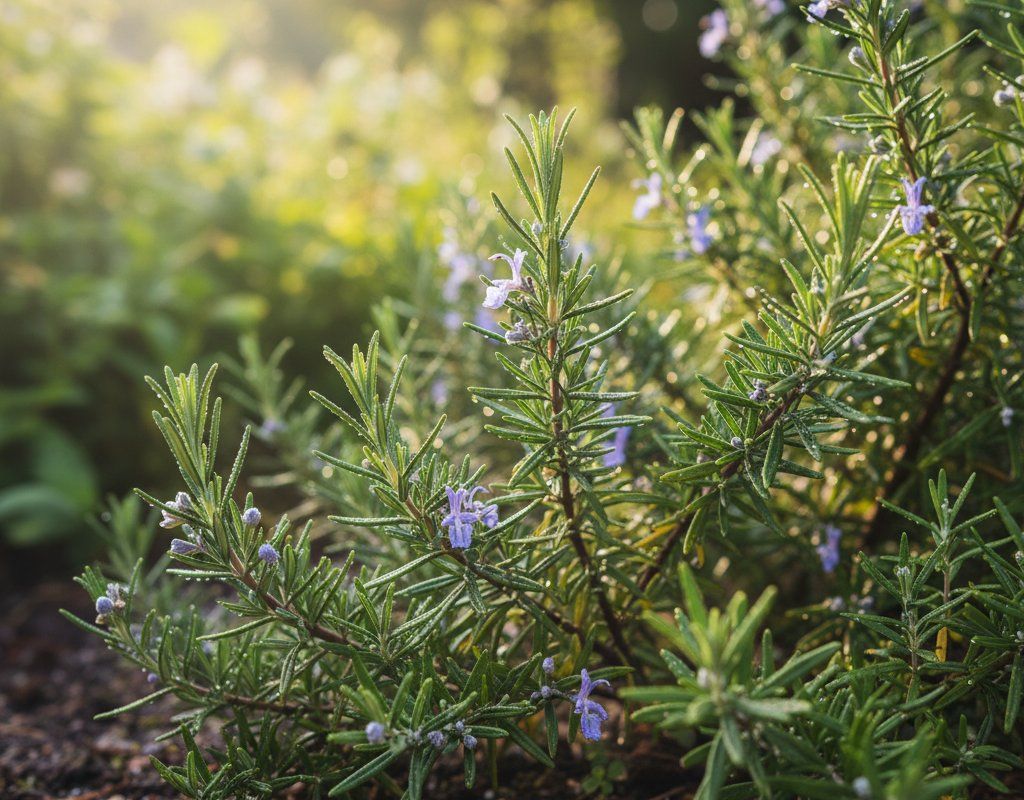
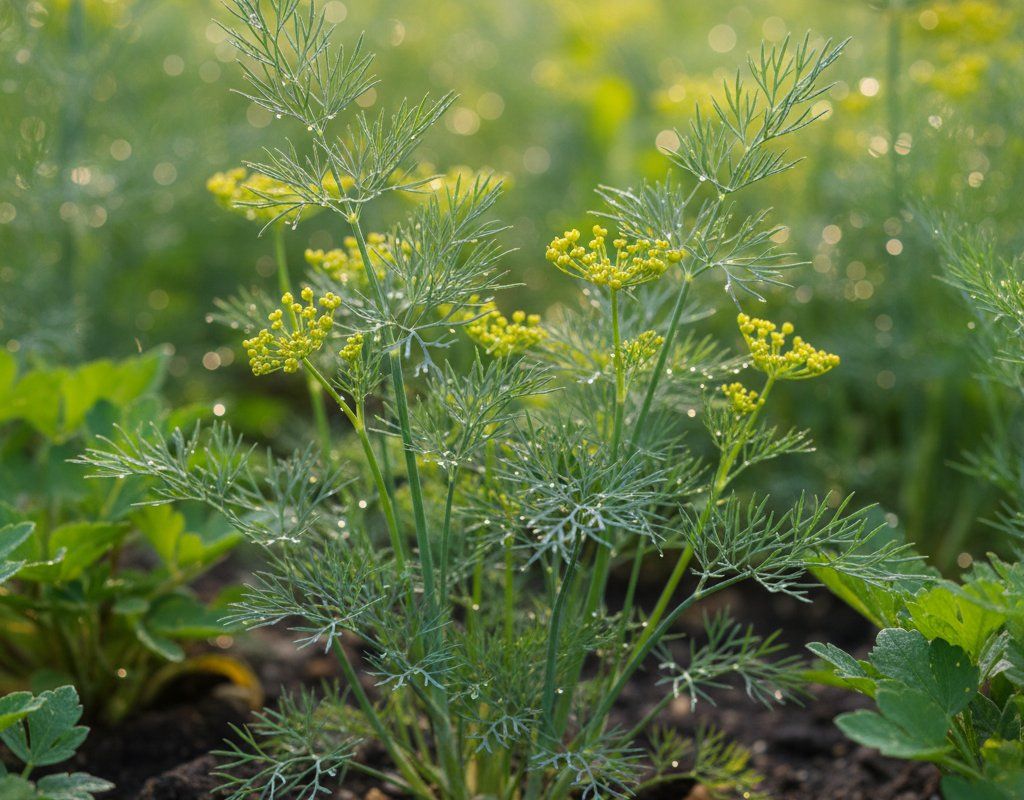
Rosemary's strong scent may help deter carrot pests, and its upright growth doesn't compete with carrots for space. Avoid planting dill near carrots - it can cross-pollinate and affect flavor, plus both attract similar pests. Skip parsnips as companions since they're closely related and compete for the same soil nutrients and growing space.
🌸Best Flowers to Plant with Carrot
These flowers protect your Carrot from pests and attract pollinators for better harvests.


Get a Reminder When It's Time to Plant
We'll email you when key planting windows open for your zone.