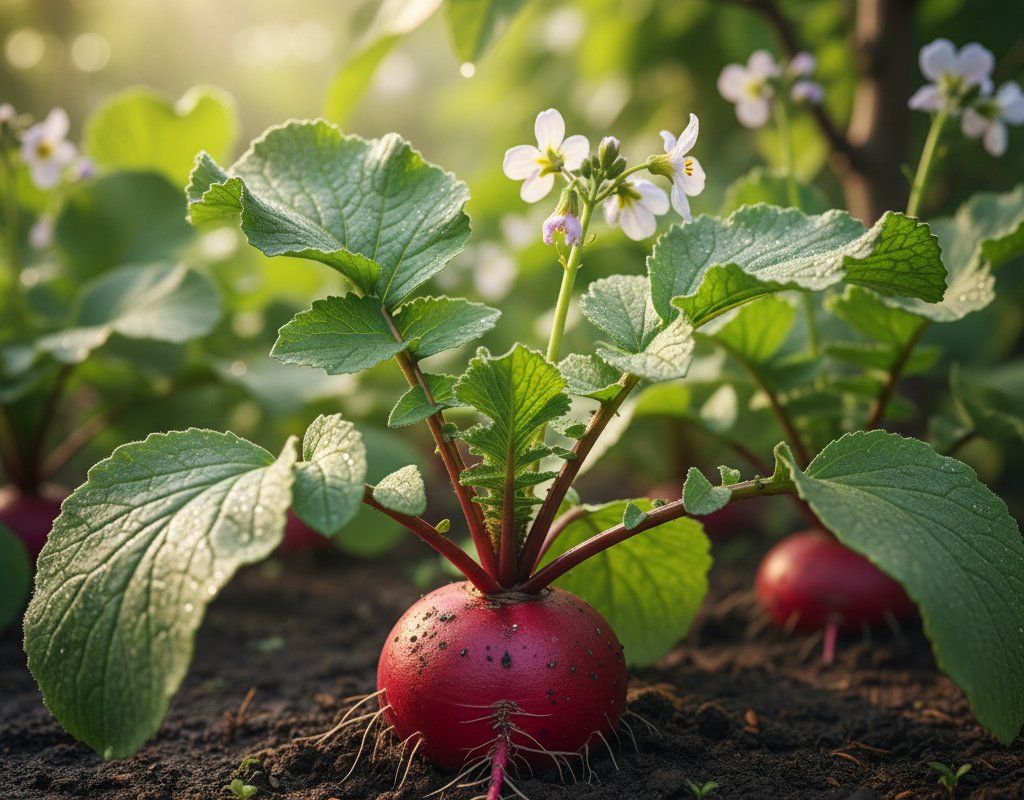
Radish in Zone 7B — Mid-Atlantic
Raphanus sativus · Your Complete 2026 Planting Guide
Still Time to Sow!
The sowing window is still open for Radish.
Sow Seeds Soon
Fast-growing and easy. No reason to start indoors.
How to Plant Radish in Zone 7B — Mid-Atlantic
Here are all your options for getting radish in the ground, from the easiest method to more advanced approaches.
Direct Sow Seeds
RecommendedEarly March through late September
around March 4
Consider succession planting every 2-3 weeks for continuous harvest.
Fast-growing and easy. No reason to start indoors.
Buy Starts
Works WellEarly March through mid April
around March 4
Plant purchased starts after last frost (April 1).
Start Seeds Indoors
ChallengingThis plant is typically not started indoors.
Transplant Outdoors
Timing InfoEarly March through mid April
around March 4
Can tolerate light frost, but wait for soil to be workable.
You have a nice window — no need to rush.
Fall Planting
Early September through early October
September 20 ideal · Direct sow for fall harvest
Plant a second crop in mid-summer for fall harvest. Radish actually prefers the cooling temperatures of fall.
Overview
Radishes are the perfect confidence-builder for Mid-Atlantic gardeners, delivering crisp, peppery roots just 25 days after planting. In our Zone 7B climate, you can grow multiple crops from early spring through late fall, taking advantage of our reliable rainfall and moderate temperatures. Spring radishes thrive in cool weather, while heat-tolerant varieties handle our humid summers surprisingly well when given adequate water.
Our 214-day growing season gives you plenty of opportunities to succession plant radishes every two weeks for continuous harvest. While our humid summers and variable spring weather can challenge some crops, radishes actually benefit from the consistent moisture and adapt well to our clay soil when properly amended. The key is timing your plantings to work with our climate patterns rather than against them.
Transplanting Outdoors
While radishes can be transplanted, it's rarely worth the effort since they grow so quickly from seed. If you do have seedlings to transplant, the window runs from early March through mid-April when soil temperatures are consistently above 40°F. Start hardening off transplants gradually over a week, giving them a few hours of outdoor exposure initially and building up to full days.
Space transplants 2-4 inches apart in rows or scatter them throughout garden beds. Our variable spring weather means you'll want to watch for late frost warnings through early April. Have row covers ready to protect young plants if temperatures threaten to drop below 28°F, though mature radishes can handle light frost just fine.
The main challenge with transplanting radishes in the Mid-Atlantic is our clay soil - it can compact around disturbed roots. Work in some compost before planting and water gently to help transplants establish without creating mud.
Direct Sowing
Direct sowing is the best approach for radishes in the Mid-Atlantic, and you have an incredibly long window from early March through late September. Start sowing as soon as you can work the soil in spring - radish seeds will germinate in soil as cool as 40°F, perfect for our unpredictable spring weather. For spring plantings, sow anytime from early March through late April.
Plant seeds ½ inch deep and 2-4 inches apart, or broadcast them and thin as needed. Our clay soil benefits from a light compost amendment before planting, but don't overdo it - radishes prefer lean soil that won't promote excessive leaf growth. The seeds germinate quickly, often within 3-5 days in our moderate spring temperatures.
Summer plantings work well from late June through August if you choose heat-tolerant varieties and provide consistent water. Resume heavy planting in early September through early October for excellent fall crops that will sweeten slightly after our first light frosts in early November.
Watering Radish in Zone 7B (Mid-Atlantic)
Radishes need consistent moisture throughout their short 25-day growing period - this is absolutely critical for developing crisp, mild roots. In our Mid-Atlantic climate with reliable rainfall averaging 40-50 inches annually, you'll mainly supplement natural precipitation during dry spells rather than providing all the water yourself.
During spring and fall, our natural rainfall usually covers most needs, but check soil moisture regularly using the finger test - soil should be moist 2 inches down. Summer plantings require more attention due to our moderate-to-hot temperatures and humid conditions. Provide about 1 inch of water weekly, including rainfall, delivered in 2-3 deep waterings rather than daily sprinkling.
Water at soil level rather than overhead whenever possible - our high humidity creates perfect conditions for fungal diseases when leaves stay wet. Drought stress happens quickly with radishes and turns them pithy and fiery-hot, while overwatering in our clay soils can cause root rot. Watch for wilting leaves (underwatering) or yellowing foliage with soft, split roots (overwatering).
A thin layer of straw mulch helps maintain even moisture levels and prevents soil from crusting after our heavy summer thunderstorms, but keep it light since radishes are such a quick crop.
🧪Fertilizing Radish
Feeding Schedule
Organic Fertilizer Options
Harvest Time
Your first radishes will be ready for harvest in late March if you planted early, with continuous harvests possible through early November. At 25 days from seeding, start checking by gently brushing soil away from the shoulders - when they're about 1 inch in diameter for standard varieties, they're perfect for pulling.
Look for the classic signs: shoulders pushing above the soil surface and firm, round shapes visible at ground level. Pull radishes by grasping the leaves close to the root and tugging straight up - don't let them sit too long or they become woody and develop hollow centers. Spring radishes have the mildest flavor, while fall crops develop a pleasant bite after light frost.
Harvest your entire planting within a week once they reach maturity since radishes don't hold well in the ground. If warm weather returns in late October, pull any remaining fall radishes before they bolt to seed - the approaching first frost in early November makes this decision easy.
Store harvested radishes in the refrigerator for several weeks, or leave a few in the ground through winter in a protected spot for very early spring harvest before they send up flower stalks.
Common Problems in Zone 7B (Mid-Atlantic)
Flea Beetles Small round holes peppered across leaves create a distinctive shot-hole pattern, while tiny dark beetles jump away when you disturb the plants. These pests are worst on young seedlings and most active during warm, dry spells in late spring and summer. Our variable spring weather can stress young plants, making them more susceptible to damage.
Flea beetles thrive in our Mid-Atlantic climate and attack when plants are most vulnerable. Protect seedlings with lightweight row covers during the first 2-3 weeks after germination. You can also delay spring plantings until plants will emerge larger and stronger, or try succession planting every week to spread risk. Kaolin clay sprays provide a physical barrier, while interplanting with basil often helps deter these pests.
Root Maggots Tunnels and holes in the actual radish roots, often accompanied by stunted growth and wilting plants despite adequate water. Small white maggots may be visible in the soil around damaged roots. This problem is most common during cool, moist conditions in spring and fall - exactly when radishes grow best.
These fly larvae target brassica family crops and thrive in our moist spring soil conditions. Prevention works better than treatment - use row covers from seeding through harvest, or try planting radishes after mid-May when the first generation of flies has passed. Crop rotation helps since the flies overwinter in soil where brassicas grew the previous year.
Pithy, Hot Roots Radishes develop spongy, dry centers and become intensely hot and bitter, making them inedible. This typically happens when plants experience drought stress or are left in the ground too long, especially during our warm summer months.
Inconsistent watering is the main culprit, particularly problematic during our humid summers when surface soil appears moist but deeper layers dry out. Maintain consistent soil moisture throughout the short growing period and harvest promptly at maturity. Hot weather can trigger this problem even with good care, which is why spring and fall plantings are most reliable in our Mid-Atlantic climate.
Mid-Atlantic Specific Challenges: Our combination of humid summers, clay soil, and variable spring weather creates unique challenges for radishes. The humidity promotes fungal diseases when leaves stay wet, while clay soil can become waterlogged during heavy spring rains or drought-stressed during summer dry spells. Time your plantings for cooler periods and amend heavy clay with compost for better drainage.
Best Companions for Radish
Plant these nearby for healthier Radish and better harvests.

Keep Away From
Companion Planting Details
Radishes make excellent companions for slower-growing crops in the Mid-Atlantic garden. Plant them alongside carrots - the radishes will be harvested long before carrots need the space, and their quick germination helps mark carrot rows. Lettuce and radishes share similar water needs and cool-season preferences, making them perfect partners for spring and fall plantings. The radishes help break up clay soil for the lettuce's shallow roots.
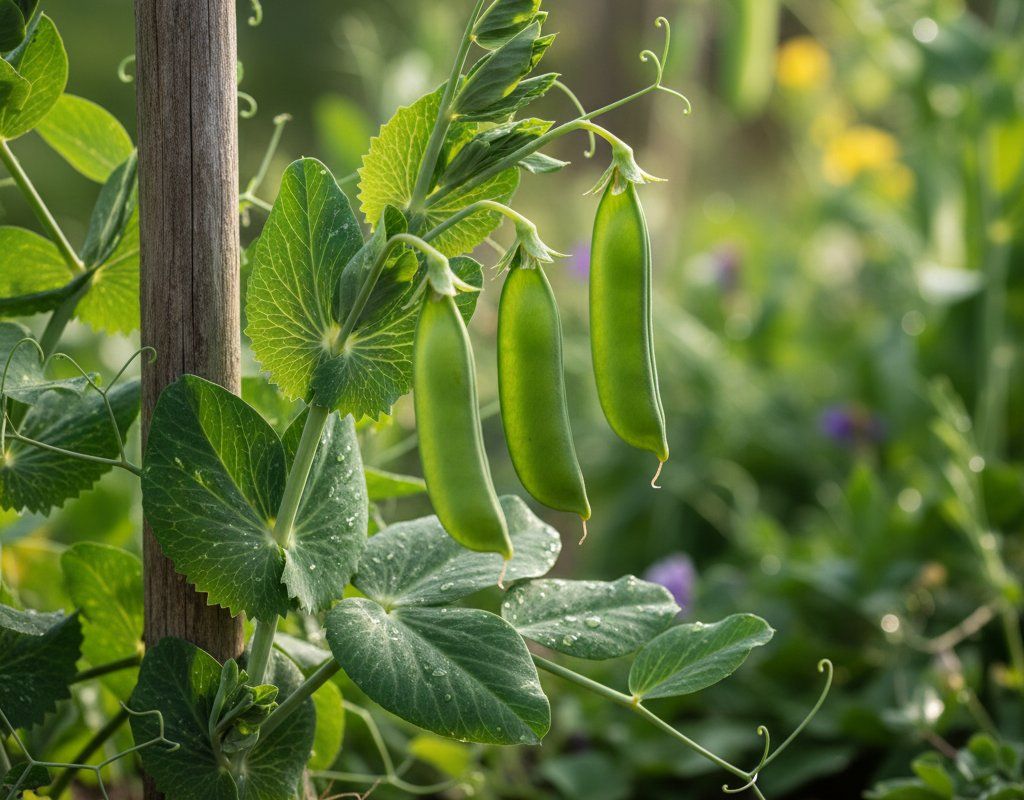
Peas and radishes work well together since peas fix nitrogen that benefits subsequent plantings, while radishes don't compete for the same nutrients. Cucumbers planted nearby benefit from the way radishes naturally loosen compacted soil. Avoid planting near hyssop, which can stunt radish growth and affect flavor development - this aromatic herb seems to inhibit root formation in brassica family plants like radishes.
🌸Best Flowers to Plant with Radish
These flowers protect your Radish from pests and attract pollinators for better harvests.



Get a Reminder When It's Time to Plant
We'll email you when key planting windows open for your zone.