
Carrot in Zone 7B — Pacific Northwest
Daucus carota · Your Complete 2026 Planting Guide
Planning Ahead — Great!
You’re ahead of the season. Here’s when to start.
Mark Your Calendar
How to Plant Carrot in Zone 7B — Pacific Northwest
Here are all your options for getting carrot in the ground, from the easiest method to more advanced approaches.
Direct Sow Seeds
RecommendedEarly April through early August
around April 1
Consider succession planting every 2-3 weeks for continuous harvest.
Carrots have a taproot and don't transplant. Direct sow only.
Buy Starts
Works WellEarly to late April
around April 1
Plant purchased starts after last frost (April 15).
Start Seeds Indoors
ChallengingThis plant is typically not started indoors.
Transplant Outdoors
Timing InfoEarly to late April
around April 1
Can tolerate light frost, but wait for soil to be workable.
You have a nice window — no need to rush.
Fall Planting
Early August through early September
August 23 ideal · Direct sow for fall harvest
Plant a second crop in mid-summer for fall harvest. Carrot actually prefers the cooling temperatures of fall.
Overview
Carrots are a perfect crop for our Pacific Northwest gardens, thriving in our mild summers and cool nights that actually improve their flavor and sweetness. Our long growing season means you can succession plant for continuous harvests from early summer through fall, and the cool nights prevent the woody texture that plagues carrots grown in hotter climates. There's nothing quite like pulling a sweet, crisp carrot from your own soil - especially when our sandy loam soils produce those picture-perfect straight roots.
Our wet springs can delay planting and make germination tricky, but with proper timing and soil preparation, carrots become one of the most reliable crops in Zone 7B. The 193-day growing season gives you plenty of flexibility for multiple plantings, and our mild fall weather lets you keep harvesting well into November when other regions have long since frozen out.
Transplanting Outdoors
Carrots don't transplant well due to their taproot system - any disturbance to the main root causes forking or stunted growth. While the planting window shows early to late April for transplants, this is really only viable for gardeners who start carrots in biodegradable pots that can go directly into the ground.
If you must transplant (perhaps from a nursery purchase), plant the entire biodegradable pot during the early to late April window. Space them 2-3 inches apart and handle with extreme care during our often overcast spring days when plants are adjusting slowly to outdoor conditions.
Given carrots' sensitivity to root disturbance, direct sowing is always the preferred method in the Pacific Northwest. Skip transplanting and go straight to direct seeding for the best results.
Direct Sowing
Direct sowing is the only reliable way to grow carrots since their taproot can't handle transplant shock. Start sowing in early April once soil temperatures reach about 45°F - our cool spring soils warm slowly, so be patient rather than rushing into cold, wet ground. You can continue succession plantings every 2-3 weeks through early August for continuous harvests.
Prepare loose, rock-free soil at least 8-10 inches deep (12 inches for longer varieties). Carrot seeds are tiny and slow to germinate in our cool spring conditions - mix them with sand for easier sowing and plant about 1/4 inch deep. Space rows 12 inches apart and plan to thin seedlings to 2-3 inches apart once they're established.
Keep the soil consistently moist during the 2-3 week germination period, which can be challenging during our typical spring rain-then-dry cycles. A light covering of fine compost or vermiculite helps retain moisture without creating a crust that blocks tiny seedlings from emerging.
Watering Carrot in Zone 7B (Pacific Northwest)
Carrots need consistent, moderate watering throughout their growth cycle, which aligns well with our natural rainfall patterns but requires summer supplementation. During the critical germination period (first 2-3 weeks), keep soil consistently damp - not soaking, but never allowed to dry out completely. This is often the trickiest part in our spring weather.
Once established, carrots prefer about 1 inch of water weekly, including rainfall. Use the finger test: soil should be moist 2 inches deep but not waterlogged. Our mild summer temperatures (rarely above 85°F) mean less evaporation stress compared to hotter regions, but the dry summer months from July through September will require regular irrigation.
Water at soil level rather than overhead to prevent foliar diseases in our humid spring conditions, though our dry summer air reduces this concern later in the season. Inconsistent watering causes split or cracked roots, so maintain steady moisture levels - easier said than done during our transition from wet spring to dry summer.
A 2-inch layer of straw mulch helps maintain consistent soil moisture and keeps carrot shoulders from getting exposed to light (which causes green, bitter tops). In our climate, organic mulches also help moderate soil temperature swings during spring's variable weather.
🧪Fertilizing Carrot
Feeding Schedule
Organic Fertilizer Options
Harvest Time
Your first carrots will be ready for harvest about 70 days after sowing, putting early April plantings ready by early June and continuing through your succession plantings until the first frost in late October. Look for carrot tops that are about 3/4 inch diameter at soil level - you can often see the orange shoulders peeking through the soil surface when they're ready.
Harvest by loosening soil around each carrot with a garden fork first, then pull straight up with a gentle twisting motion to avoid snapping the root. Morning harvests when soil is slightly moist work best - our naturally moist fall conditions make October harvesting particularly easy compared to drier climates.
Carrots actually improve in flavor after a few light frosts, becoming sweeter as starches convert to sugars. You can leave late plantings in the ground through our mild fall weather until hard frost threatens in late October or early November. Just brush off soil and trim greens to 1 inch before storing.
For storage varieties planted in mid-summer, our cool fall weather provides ideal curing conditions. These can often stay in the ground until needed, covered with a thick mulch layer for easy winter digging during our typically mild Zone 7B winters.
Common Problems in Zone 7B (Pacific Northwest)
Forking appears as carrot roots that split into multiple branches or grow in twisted, deformed shapes instead of straight, single roots. This frustrating problem often results from rocky or compacted soil, fresh manure applications, or root damage from pests. In our Pacific Northwest clay-heavy soils, inadequate soil preparation is the usual culprit - carrots need loose, deeply worked earth to develop properly. Improve drainage in raised beds or containers with a loose potting mix, avoid fresh manure (use well-composted materials instead), and choose shorter varieties like Paris Market if your soil tends toward clay.
Carrot rust fly shows up as rusty brown tunnels throughout carrot roots, with small dark flies hovering near plants and foliage wilting despite adequate water. These flies lay eggs near carrot stems during our mild spring weather, and the larvae tunnel into developing roots throughout the growing season. Row covers provide the most reliable protection, especially during peak fly activity in late spring. You can also delay spring plantings until mid-May to avoid the first generation, interplant with onions whose scent confuses the flies, and avoid thinning during fly-active periods since bruised leaves attract them.
Green shoulders occur when the top portions of carrot roots turn green and slightly bitter where they've pushed above soil level and been exposed to sunlight. This is purely cosmetic - green parts are safe to eat - but affects appearance and taste. Hill soil or add mulch around developing carrot tops as they mature, especially important during our long daylight hours in summer. Prompt harvesting prevents extensive greening, and proper spacing reduces competition that forces roots to push upward.
Pacific Northwest Specific Challenges: Our cool, wet springs can slow germination and increase damping-off problems, while late blight pressure (though more of an issue for tomatoes) can create conditions favorable for other fungal issues. Slugs love emerging carrot seedlings during our moist spring weather - use beer traps or copper barriers around seeded areas until plants are established.
Best Companions for Carrot
Plant these nearby for healthier Carrot and better harvests.

Keep Away From
Companion Planting Details
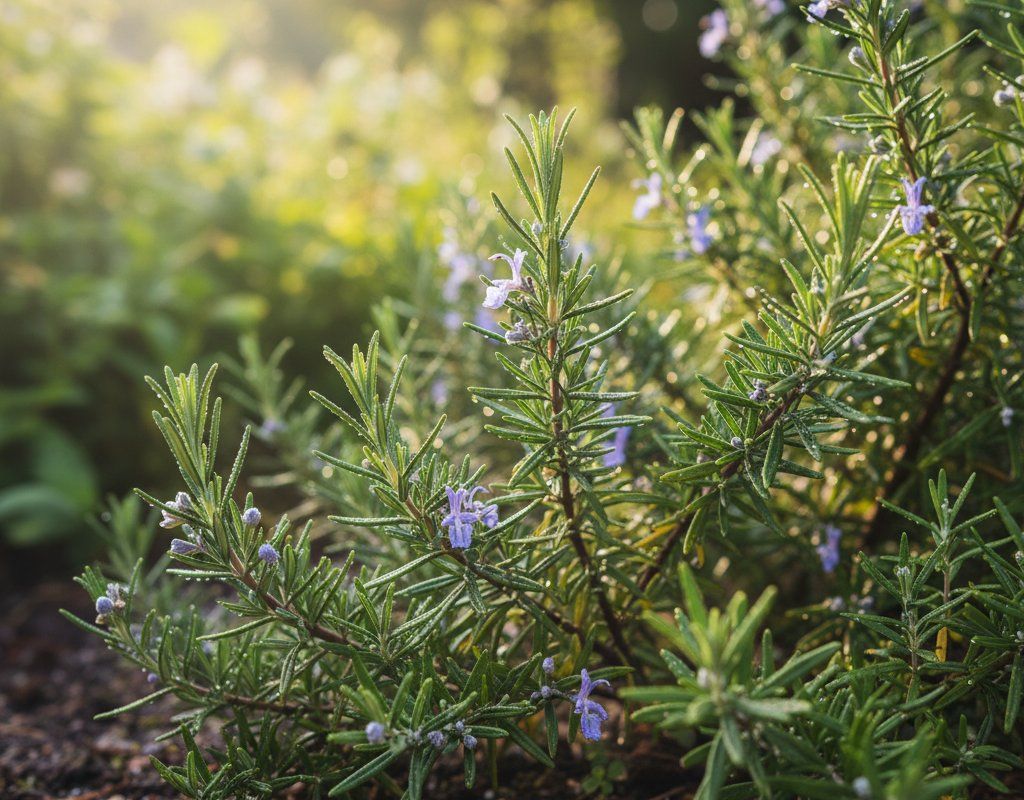
Carrots pair beautifully with lettuce, onions, and rosemary in Pacific Northwest gardens. Lettuce makes an excellent companion because it matures quickly and can be harvested before carrots need the space, plus both crops appreciate consistent moisture during our variable spring weather. Onions help confuse carrot rust flies with their strong scent - particularly valuable given this pest's prevalence in our region - while their upright growth doesn't compete with carrot roots.
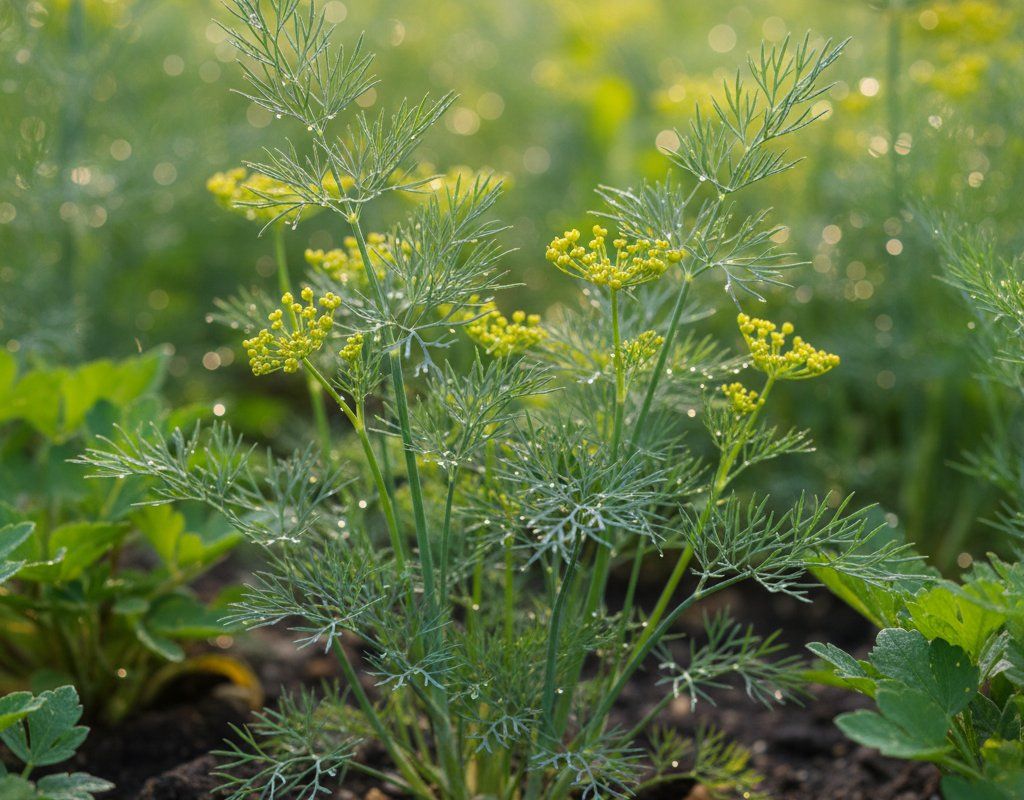
Tomatoes benefit carrots by providing light shade during the hottest part of our mild summers, and rosemary's aromatic oils may help deter various pests while thriving in the same well-draining soil carrots prefer. Avoid planting carrots near dill (attracts similar pests and can cross-pollinate if you're saving seed) or parsnips (same family, similar pest issues, and both are root crops competing for soil space). In our long growing season, you can succession plant carrots between slower-maturing brassicas for efficient space use.
🌸Best Flowers to Plant with Carrot
These flowers protect your Carrot from pests and attract pollinators for better harvests.


Get a Reminder When It's Time to Plant
We'll email you when key planting windows open for your zone.