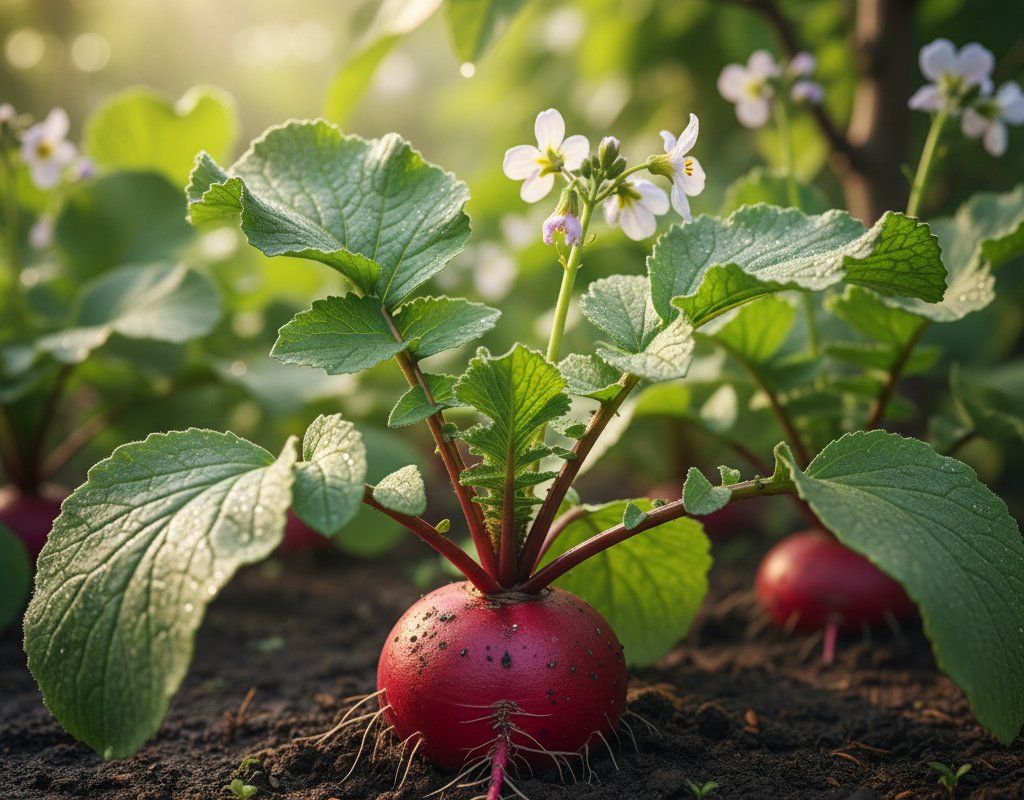
Radish in Zone 7B — Pacific Northwest
Raphanus sativus · Your Complete 2026 Planting Guide
Planning Ahead — Great!
You’re ahead of the season. Here’s when to start.
Mark Your Calendar
How to Plant Radish in Zone 7B — Pacific Northwest
Here are all your options for getting radish in the ground, from the easiest method to more advanced approaches.
Direct Sow Seeds
RecommendedMid March through mid September
around March 18
Consider succession planting every 2-3 weeks for continuous harvest.
Fast-growing and easy. No reason to start indoors.
Buy Starts
Works WellMid March through late April
around March 18
Plant purchased starts after last frost (April 15).
Start Seeds Indoors
ChallengingThis plant is typically not started indoors.
Transplant Outdoors
Timing InfoMid March through late April
around March 18
Can tolerate light frost, but wait for soil to be workable.
You have a nice window — no need to rush.
Fall Planting
Late August through late September
September 13 ideal · Direct sow for fall harvest
Plant a second crop in mid-summer for fall harvest. Radish actually prefers the cooling temperatures of fall.
Overview
Radishes are one of the most rewarding crops for Pacific Northwest gardeners, delivering crisp, peppery roots in just 25 days from seed to harvest. Our mild summers and cool nights create perfect conditions for these cool-season champions, producing radishes with excellent flavor and none of the bitter heat that plagues radishes grown in hotter climates. The extended growing season here means you can enjoy multiple plantings from early spring through late fall.
While our wet springs can slow down early sowings and slugs love tender radish leaves, timing your plantings right makes these challenges completely manageable. With a 193-day growing season, you have plenty of opportunities to succeed with successive plantings that keep your table supplied with fresh radishes from mid-April through early November.
Transplanting Outdoors
Radishes are typically direct-sown rather than transplanted, but if you do start them indoors for an early spring crop, you can transplant them outdoors from mid-March through late April. Since radishes have delicate taproots that don't appreciate disturbance, only transplant if absolutely necessary for timing or protection from pests.
If transplanting, harden off seedlings gradually over a week by increasing their outdoor exposure daily. Plant them 2-4 inches apart in your prepared bed. Our cool, often overcast spring days make hardening off easier than in sunnier regions, but watch for those occasional warm spells that can stress tender seedlings.
The main advantage of transplanting in the Pacific Northwest is getting a jump on the season when our cool soil takes time to warm up in spring. However, direct-sown radishes usually catch up quickly once soil temperatures rise.
Direct Sowing
Direct sowing is absolutely the best method for radishes in the Pacific Northwest. You can sow from mid-March through mid-September, taking advantage of our long, mild growing season. Start as soon as your soil is workable in spring – radishes actually prefer cool soil and will germinate in temperatures as low as 40°F.
Prepare your bed with loose, well-draining soil since radishes need to push through without obstruction. Sow seeds ½ inch deep and 2-4 inches apart, or broadcast and thin later. Our cool spring soil means germination may take 7-10 days initially, but summer sowings pop up in just 3-5 days.
For continuous harvest, make new sowings every 2-3 weeks through summer. The beauty of our mild summers is that radishes rarely bolt to seed like they do in hotter climates, giving you a much longer planting window than gardeners in warmer zones.
Watering Radish in Zone 7B (Pacific Northwest)
Radishes need consistent moisture throughout their short 25-30 day growing cycle – any drought stress will turn them pithy and fiery hot instead of crisp and mildly peppery. In our dry summer months, this means staying on top of watering even though the temperatures remain mild.
During our wet spring season, you'll likely need little to no supplemental watering until late May or June. Once our dry period begins, check soil moisture by inserting your finger 2 inches deep – water when it feels dry at that depth. Radishes need about 1 inch of water per week, applied deeply but less frequently to encourage proper root development.
Water at the base of plants rather than overhead to avoid encouraging our region's persistent slug population. The low humidity of our dry summers means plants dry quickly after watering, reducing disease risk. Yellowing outer leaves often indicate overwatering, while cracking or splitting roots usually means inconsistent moisture.
A thin layer of mulch helps maintain even soil moisture, but keep it light since heavy mulch can harbor slugs in our mild, moist conditions. The key is never letting these fast-growing roots experience the feast-or-famine watering that ruins their texture and flavor.
🧪Fertilizing Radish
Feeding Schedule
Organic Fertilizer Options
Harvest Time
You'll see your first radishes ready from mid-April through early November, depending on when you planted. Most varieties are ready to pull when their shoulders push above the soil surface and they're about 1 inch in diameter for standard spring types. Don't wait too long – radishes become woody and hollow if left in the ground past maturity.
Harvest by gently pulling the entire plant, roots and all. The leaves are edible too and make excellent additions to salads or stir-fries. In our mild fall conditions, you can often leave radishes in the ground a bit longer than in harsher climates, but they'll still decline in quality if forgotten.
Since radishes don't store well once harvested, pick only what you'll use within a few days. Our long, mild fall season means you can continue harvesting fresh radishes until the first hard frost in late October. For the last planting of the season, harvest everything before that first frost hits, as frozen radishes turn mushy and inedible.
As temperatures drop in late fall, row covers can extend your harvest window by a few weeks, taking advantage of our gentle transition into winter compared to more continental climates.
Common Problems in Zone 7B (Pacific Northwest)
Flea Beetles You'll notice tiny round holes scattered across radish leaves like someone used them for target practice with a BB gun. These small, dark beetles jump when disturbed and cause the most damage to young seedlings. In the Pacific Northwest, flea beetles are often worse during warm, dry spells in late spring and summer.
The damage comes from adult beetles feeding on leaf surfaces, which weakens young plants and can stunt growth. Our mild summers actually help since extreme heat stress makes plants more susceptible to beetle damage. Use row covers during the first 2-3 weeks after planting when seedlings are most vulnerable, then remove once plants are established.
Root Maggots White, legless maggots tunneling through your radish roots create brown, corky scars and make the roots inedible. You might not notice the problem until harvest when you discover riddled, damaged roots. Our cool, moist spring conditions are perfect for the flies that lay eggs at the base of plants.
These pests are particularly troublesome in the Pacific Northwest because our extended cool season gives them multiple generations. The adult flies are attracted to freshly disturbed soil, so avoid cultivating around radish plants once they're established. Yellow sticky traps can catch adult flies, and row covers during the egg-laying period provide excellent protection.
Pithy Roots Radishes that look normal from the outside but are dry, spongy, and flavorless inside have gone pithy – usually from inconsistent watering or being left in the ground too long. This is especially common during our transition from wet spring to dry summer when watering schedules need adjustment.
Hot weather typically triggers this problem, but in our mild summers, it's more often caused by irregular moisture or simply leaving radishes unharvested past their prime. The solution is consistent watering and prompt harvesting once radishes reach maturity.
Pacific Northwest Specific Challenges Our region's slug population loves tender radish leaves, especially during the wet spring months. Beer traps and copper barriers work well, or try iron phosphate baits. The cool soil temperatures of early spring can slow germination and growth, but this actually works in our favor by extending the harvest window and preventing the quick bolting that plagues radishes in hotter climates.
Best Companions for Radish
Plant these nearby for healthier Radish and better harvests.


Keep Away From
Companion Planting Details
Radishes make excellent companions for carrots in Pacific Northwest gardens – plant them in the same row since radishes mature quickly and break up the soil for the slower-developing carrots. Lettuce and radishes share similar water and spacing needs, plus the radishes help mark rows of slow-germinating lettuce seeds. Peas work well nearby since they fix nitrogen that feeds leafy crops, and their climbing habit doesn't compete with low-growing radishes.
Plant radishes near cucumbers to help deter cucumber beetles, though keep them far enough apart that the spreading cucumber vines don't shade out sun-loving radishes. Avoid planting near hyssop, which can inhibit radish growth and germination. In our mild climate, these companion relationships tend to be more stable since plants aren't stressed by extreme heat that can intensify competition for resources.
🌸Best Flowers to Plant with Radish
These flowers protect your Radish from pests and attract pollinators for better harvests.



Get a Reminder When It's Time to Plant
We'll email you when key planting windows open for your zone.