
Carrot in Zone 8A — Florida
Daucus carota · Your Complete 2026 Planting Guide
Still Time to Sow!
The sowing window is still open for Carrot.
Sow Seeds Soon
Carrots have a taproot and don't transplant. Direct sow only.
How to Plant Carrot in Zone 8A — Florida
Here are all your options for getting carrot in the ground, from the easiest method to more advanced approaches.
Direct Sow Seeds
RecommendedMid February through mid September
around February 11
Consider succession planting every 2-3 weeks for continuous harvest.
Carrots have a taproot and don't transplant. Direct sow only.
Buy Starts
Works WellMid February through mid March
around February 11
Plant purchased starts after last frost (February 25).
Start Seeds Indoors
ChallengingThis plant is typically not started indoors.
Transplant Outdoors
Timing InfoMid February through mid March
around February 11
Can tolerate light frost, but wait for soil to be workable.
You have a nice window — no need to rush.
Fall Planting
Mid September through mid October
October 3 ideal · Direct sow for fall harvest
Plant a second crop in mid-summer for fall harvest. Carrot actually prefers the cooling temperatures of fall.
Overview
Growing carrots in Zone 8A Florida brings the sweet satisfaction of crunching into homegrown roots that put supermarket varieties to shame. Our subtropical climate allows for nearly year-round carrot production, making them one of the most reliable cool-season crops you can grow. The key is working with Florida's reversed seasons—planting when the rest of the country is winding down, and harvesting through our mild winters when fresh garden vegetables taste their absolute best.
While Florida's extreme humidity and nematode pressure can challenge many crops, carrots actually thrive in our climate when timed correctly. Our 283-day growing season means you can succession plant multiple crops from late winter through early fall, avoiding only the brutal summer heat that stops most vegetable production. The secret is understanding that summer is our gardening off-season here in Florida.
Transplanting Outdoors
Carrots have a long taproot and absolutely hate being transplanted, so this method isn't recommended for Florida gardeners. The stress of transplanting combined with our warm soil temperatures in mid-February through mid-March creates too much shock for successful establishment.
If you must transplant store-bought seedlings, do it only during the coolest part of this window—mid to late February. Harden them off gradually over a full week, starting with just morning sun exposure. Even with perfect technique, expect poor germination rates and potentially forked roots.
Skip the transplant headache and go straight to direct sowing—your carrots will thank you with straighter, healthier roots.
Direct Sowing
Direct sowing is the only reliable method for growing carrots in Florida, and our climate makes it surprisingly forgiving. Plant from mid-February through mid-September, avoiding the peak summer months of June through August when soil temperatures exceed what carrot seeds can handle. Fall plantings from mid-September through mid-October often produce the sweetest roots since they mature during our coolest weather.
Prepare your soil by working it deeply to at least 8 inches—Florida's sandy soil is actually perfect for carrots once you add some compost for nutrition. Sow seeds 1/4 inch deep and about 1 inch apart, then thin to 2-3 inches once seedlings emerge. Carrot seeds are tiny and need consistent moisture to germinate, which usually takes 2-3 weeks in our warm soil.
Consider succession planting every 3-4 weeks during your planting windows for continuous harvest. Shorter varieties like Paris Market or Chantenay work best in Florida's sandy conditions and are less likely to fork.
Watering Carrot in Zone 8A (Florida)
Consistent moisture is absolutely critical for carrot success in Florida's climate. During germination, keep the soil surface damp for 2-3 weeks—this means daily light watering since our heat and humidity can quickly dry out the top inch of soil. Once established, carrots need about 1 inch of water per week, but Florida's wet summers often provide more than enough natural irrigation.
The key challenge in Florida is balancing our abundant summer rainfall with the need for even moisture. During our dry spring months (February through April), you'll need to water 2-3 times per week. Use the finger test: stick your finger 2 inches into the soil, and if it's dry, it's time to water. Our summer rains from May through September usually handle most watering needs, but watch for dry spells that can cause root cracking.
Always water at the base of plants rather than overhead—our extreme humidity combined with wet foliage creates perfect conditions for fungal diseases. A soaker hose or drip irrigation works beautifully for carrot beds. Signs of underwatering include wilting tops and bitter, tough roots, while overwatering shows up as splitting roots and soft, rotting shoulders.
Mulch lightly around plants with pine straw or shredded leaves to maintain even soil moisture and reduce watering frequency. In Florida's sandy soil, organic mulch also helps retain the nutrients that would otherwise leach away with our heavy rainfall.
🧪Fertilizing Carrot
Feeding Schedule
Organic Fertilizer Options
Harvest Time
Your first carrots will be ready from late April through mid-December, typically 70 days from planting. The beauty of Florida carrot growing is this extended harvest window—you can pull sweet roots well into winter when most of the country is done gardening. Fall-planted carrots often taste sweetest since they mature during our coolest months.
Look for carrot shoulders (tops) pushing about 3/4 inch above the soil surface as your main harvest indicator. The tops should be bright green and healthy, and a gentle brush of soil away from the crown will reveal orange color. Test-pull one carrot first—if it snaps off, the soil is too compacted and needs loosening with a garden fork worked alongside the row.
Harvest by grasping the green tops close to the crown and pulling straight up with steady pressure. If carrots resist, loosen the soil first rather than risk snapping the root and leaving the bottom half buried. Morning harvest works best in Florida since the plants are fully hydrated from overnight humidity.
As we approach our first frost in early December, harvest any remaining carrots for storage. Unlike northern climates, Florida's mild winters don't improve carrot sweetness through frost exposure, so there's no benefit to leaving them in the ground once mature.
Common Problems in Zone 8A (Florida)
Forking shows up as carrot roots that split into multiple branches instead of growing straight and smooth. You'll see twisted, deformed roots that look more like mangled fingers than proper carrots. This is incredibly common in Florida because our nematode population attacks developing roots, causing them to fork and branch as they try to grow around the damage. Combat this by choosing nematode-resistant varieties when possible, using raised beds with fresh potting mix, and avoiding fresh manure that attracts these microscopic pests. Shorter carrot varieties like Paris Market handle our sandy soil better and fork less frequently.
Carrot rust fly appears as rusty brown tunnels throughout your carrot roots, making them inedible. You might notice small dark flies hovering around your plants, and the foliage may wilt despite adequate watering. The larvae tunnel into developing roots, creating those characteristic rusty streaks. Row covers provide the best protection in Florida's climate—install them immediately after planting and keep them on until harvest. The flies are most active during our cooler months when you're actually growing carrots, so this timing works perfectly.
Green shoulders happen when the top portion of your carrot root pushes above soil level and turns green from sun exposure. This is especially common in Florida's sandy soil that doesn't hold its shape well around developing roots. The green portions taste bitter but aren't harmful. Prevent this by hilling soil or mulch over any exposed carrot tops as they develop, and harvest promptly once roots reach maturity.
Florida Specific Challenges: Our extreme humidity creates perfect conditions for fungal diseases, while sandy soil drains so quickly that consistent watering becomes critical. Summer heat makes spring and fall the only viable growing seasons, and our notorious nematodes can devastate root crops if you're not prepared with resistant varieties and clean growing media.
Best Companions for Carrot
Plant these nearby for healthier Carrot and better harvests.

Keep Away From
Companion Planting Details
Lettuce makes an excellent companion for carrots in Florida since both crops thrive in our cooler months and have similar water needs. Plant lettuce between carrot rows to maximize space and provide living mulch that helps retain soil moisture during our dry spring weather. Onions are another perfect match—their strong scent helps deter carrot rust flies, and they occupy different soil layers so there's no root competition.
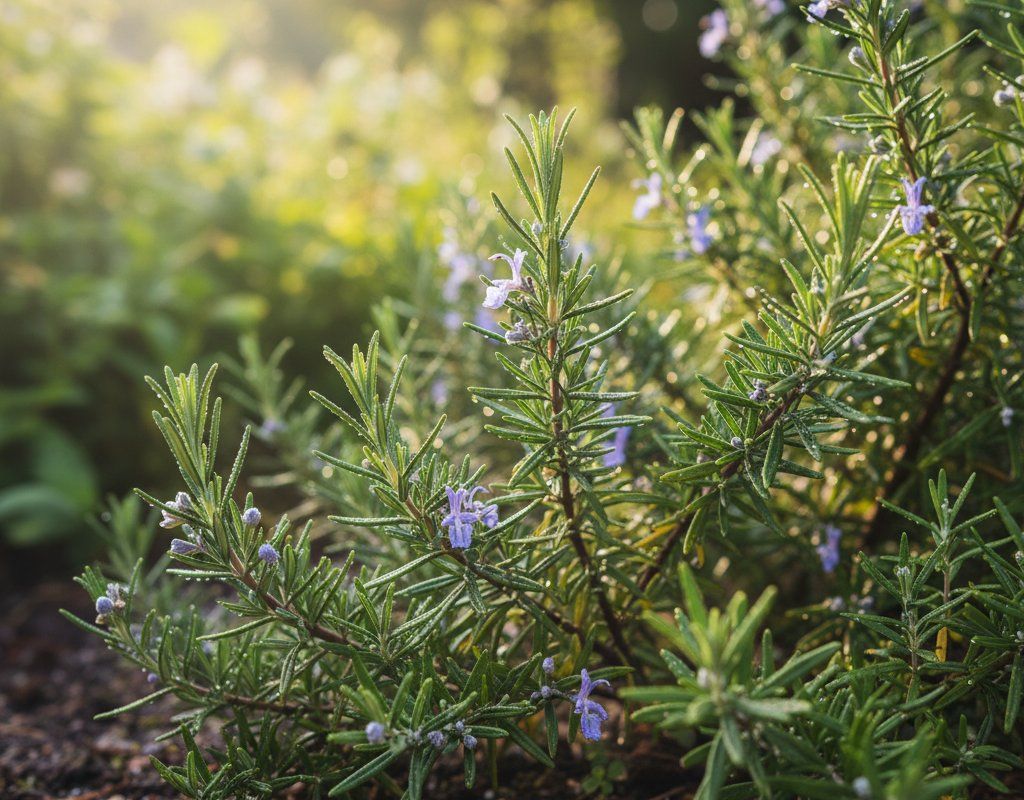
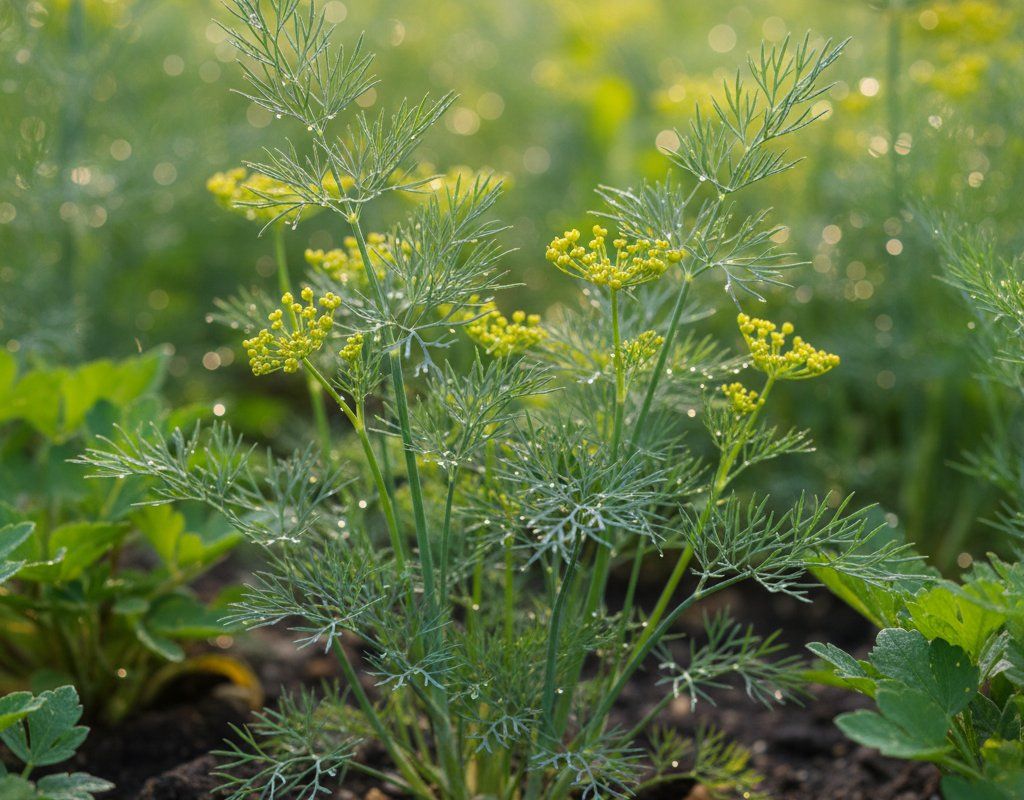
Tomatoes work well as companions during the brief overlap in late winter when you're starting tomatoes and carrots are still growing. The tomato foliage provides light shade that carrots appreciate during our increasingly hot spring days. Rosemary planted nearby helps repel various flying pests with its aromatic oils, though keep it far enough away that its aggressive root system doesn't compete. Avoid planting dill near carrots since it attracts the same pests, and skip parsnips entirely—they're nearly impossible to grow in Florida's heat and share too many disease susceptibilities with carrots.
🌸Best Flowers to Plant with Carrot
These flowers protect your Carrot from pests and attract pollinators for better harvests.


Get a Reminder When It's Time to Plant
We'll email you when key planting windows open for your zone.