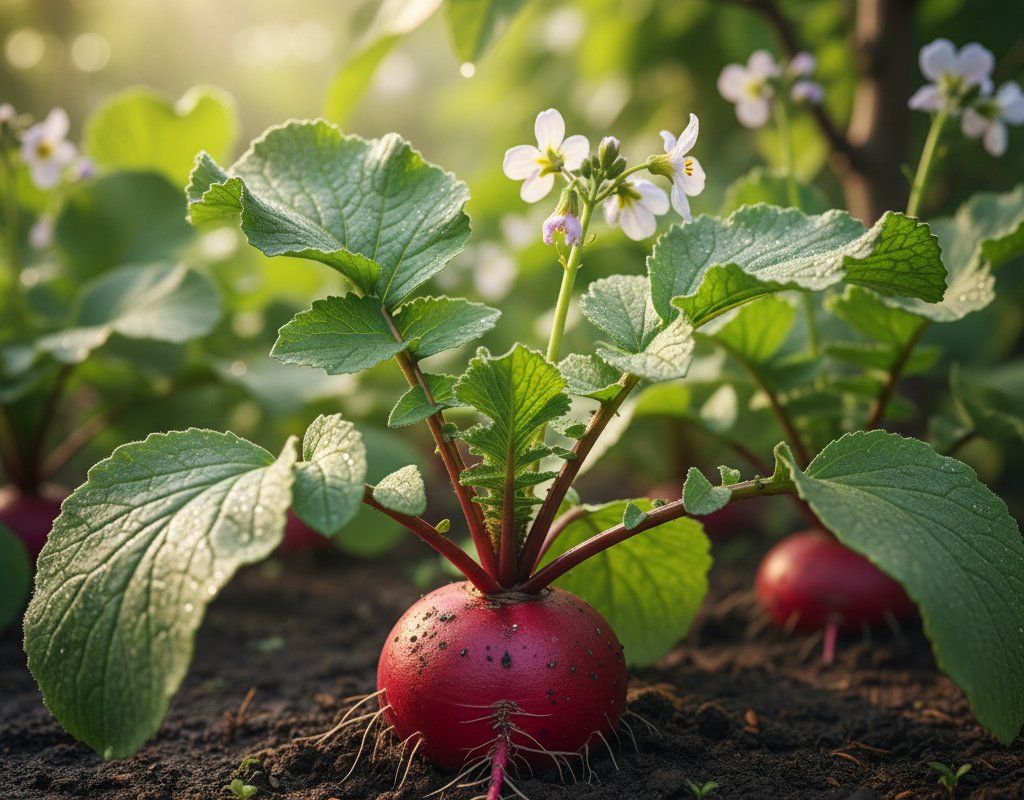
Radish in Zone 8A — Florida
Raphanus sativus · Your Complete 2026 Planting Guide
Harvest Time!
Your Radish should be producing now!
Harvest Tips
Check size by brushing soil away from crown. Pull when ready.
How to Plant Radish in Zone 8A — Florida
Here are all your options for getting radish in the ground, from the easiest method to more advanced approaches.
Direct Sow Seeds
RecommendedLate January through late October
around January 28
Consider succession planting every 2-3 weeks for continuous harvest.
Fast-growing and easy. No reason to start indoors.
Buy Starts
Works WellLate January through mid March
around January 28
Plant purchased starts after last frost (February 25).
Start Seeds Indoors
ChallengingThis plant is typically not started indoors.
Transplant Outdoors
Timing InfoLate January through mid March
around January 28
Can tolerate light frost, but wait for soil to be workable.
You have a nice window — no need to rush.
Fall Planting
Early October through early November
October 24 ideal · Direct sow for fall harvest
Plant a second crop in mid-summer for fall harvest. Radish actually prefers the cooling temperatures of fall.
Overview
Radishes are perfect for Florida gardeners who want quick satisfaction from their beds. These fast-growing roots give you crisp, peppery harvests in just 25 days, and they thrive in our cooler months when many other crops struggle with the transition periods. In Florida's reversed growing calendar, radishes bridge the gap beautifully between summer heat and winter production, offering multiple planting windows from late winter through fall.
Our challenging summer humidity and heat actually work in radishes' favor since they prefer the cooler parts of our 283-day growing season. While other regions struggle with short growing windows, you can plant successive crops from late January clear through late October, giving you nearly year-round radish harvests when timed right.
Transplanting Outdoors
While radishes can be transplanted, it's rarely necessary given how quickly they grow from seed. If you do choose to transplant, the window runs from late January through mid-March when temperatures are mild enough for successful establishment.
Start any transplants indoors about 2-3 weeks before your target transplant date, then harden them off gradually over a full week. Move them outside for progressively longer periods, starting with just an hour in filtered light and building up to full outdoor exposure.
Space transplants 2-4 inches apart in the garden, but honestly, direct seeding is so much easier and more reliable for radishes that most Florida gardeners skip this step entirely.
Direct Sowing
Direct sowing is absolutely the way to go with radishes in Florida. Your planting window stretches from late January through late October, giving you incredible flexibility to work around our weather patterns and fit radishes into garden rotations throughout the year.
Prepare your beds with loose, well-draining soil since radishes need room to expand underground. Our sandy Florida soils actually work in their favor here, though you'll want to add some compost to help with moisture retention. Sow seeds about ½ inch deep and space them 2-4 inches apart - they're small but need room to form proper roots.
The beauty of radishes is their speed. Plant them whenever you have a gap in the garden or want something quick before transitioning to the next season's crops. In Florida's climate, they're particularly valuable as a fall and winter crop when planted from early October through early November.
Watering Radish in Zone 8A (Florida)
Radishes need consistent, moderate moisture to develop those crisp, mild roots we're after. In Florida's high humidity and wet summers, your watering strategy needs to adapt to both our intense rainfall periods and our surprisingly dry winter months.
During our wet summer season, you might not need to water at all if rainfall is adequate, but check soil moisture regularly with the finger test - stick your finger 2 inches down, and if it's dry, it's time to water. Radishes typically need about an inch of water per week, but this fast-growing crop can't handle drought stress even briefly.
When radishes get too dry, they become pithy and develop that burning hot bite that makes them nearly inedible. Since they mature in just 25-30 days, there's no time for them to recover from water stress. Water at soil level rather than overhead - our extreme humidity already creates perfect conditions for fungal problems without adding wet foliage to the mix.
Apply a light mulch around plants to help maintain even soil moisture, especially important during Florida's unpredictable winter dry spells. Watch for yellowing or wilting leaves as signs of water stress, and conversely, if leaves look overly lush with small roots, you may be overwatering.
🧪Fertilizing Radish
Feeding Schedule
Organic Fertilizer Options
Harvest Time
Your first radish harvest typically comes surprisingly early in Florida - you can be pulling roots from late February plantings while gardeners up north are still dealing with snow. With our long growing season, successive plantings give you harvests clear through mid-December.
Start checking your radishes around day 20-25 by gently brushing soil away from the shoulders. When they're about 1 inch in diameter and the shoulders push above the soil surface, they're ready. Don't wait too long - radishes left in the ground become woody and lose their crisp texture, especially as our temperatures start climbing.
Harvest by gripping the leaves close to the root and pulling straight up with a gentle twisting motion. The entire plant comes up easily in our loose, sandy soils. If you hit resistance, loosen the soil around the root with a hand fork first.
As early December approaches and first frost threatens, harvest all remaining radishes regardless of size. Unlike some root crops, radishes won't survive our occasional winter freezes, and they don't improve with cold exposure like some vegetables do.
Common Problems in Zone 8A (Florida)
Flea Beetles You'll see tiny round holes scattered across radish leaves like someone took a miniature shotgun to them. These small, dark beetles jump like fleas when you disturb the plants, and they can quickly damage young seedlings in Florida's warm, humid conditions that they love. The damage looks worst on newly emerged plants when leaves are still tender. Row covers work perfectly during the vulnerable seedling stage, or try kaolin clay as a protective coating. Interplanting with basil or catnip helps deter them naturally.
Root Maggots If your radish roots have brown tunnels through them or the plants suddenly wilt despite adequate water, you likely have root maggots. These are the larvae of small flies that lay eggs near the base of plants, particularly problematic in Florida's humid conditions where the flies thrive. The maggots tunnel through developing roots, making them inedible and causing plants to collapse. Prevent this by using row covers early in the season and rotating your brassica crops to different garden areas each planting.
Pithy Roots When radishes develop a dry, woody texture instead of staying crisp and mild, they've gone pithy - usually from inconsistent watering or being left in the ground too long. Florida's temperature swings between cool nights and warm days can stress plants if moisture isn't steady. This is especially common during our dry winter periods when gardeners forget to water regularly. Harvest promptly when roots reach size, maintain consistent soil moisture, and choose varieties suited to your specific planting time.
Florida Specific Challenges: Our extreme humidity creates perfect conditions for fungal diseases, while sandy soils drain quickly and require more attention to consistent watering. The summer heat is simply too intense for radish growing, but our mild winters and long growing season more than make up for it with extended planting windows other regions can't match.
Best Companions for Radish
Plant these nearby for healthier Radish and better harvests.


Keep Away From
Companion Planting Details
Radishes pair beautifully with carrots in Florida gardens since the quick-growing radishes break up soil for the slower carrots while providing an early harvest from the same space. Lettuce makes another excellent companion, thriving in the same cool-season windows when radishes grow best, and both crops appreciate consistent moisture and some afternoon shade during our warmer periods.
Plant radishes alongside peas and other legumes to take advantage of the nitrogen fixation, and consider them as a living mulch around cucumber hills where they'll help suppress weeds and won't compete significantly with the larger vines. Avoid planting near hyssop, which can stunt radish growth through allelopathic effects - particularly problematic in our intense growing conditions where plants are already stressed by humidity and heat transitions.
🌸Best Flowers to Plant with Radish
These flowers protect your Radish from pests and attract pollinators for better harvests.



Get a Reminder When It's Time to Plant
We'll email you when key planting windows open for your zone.