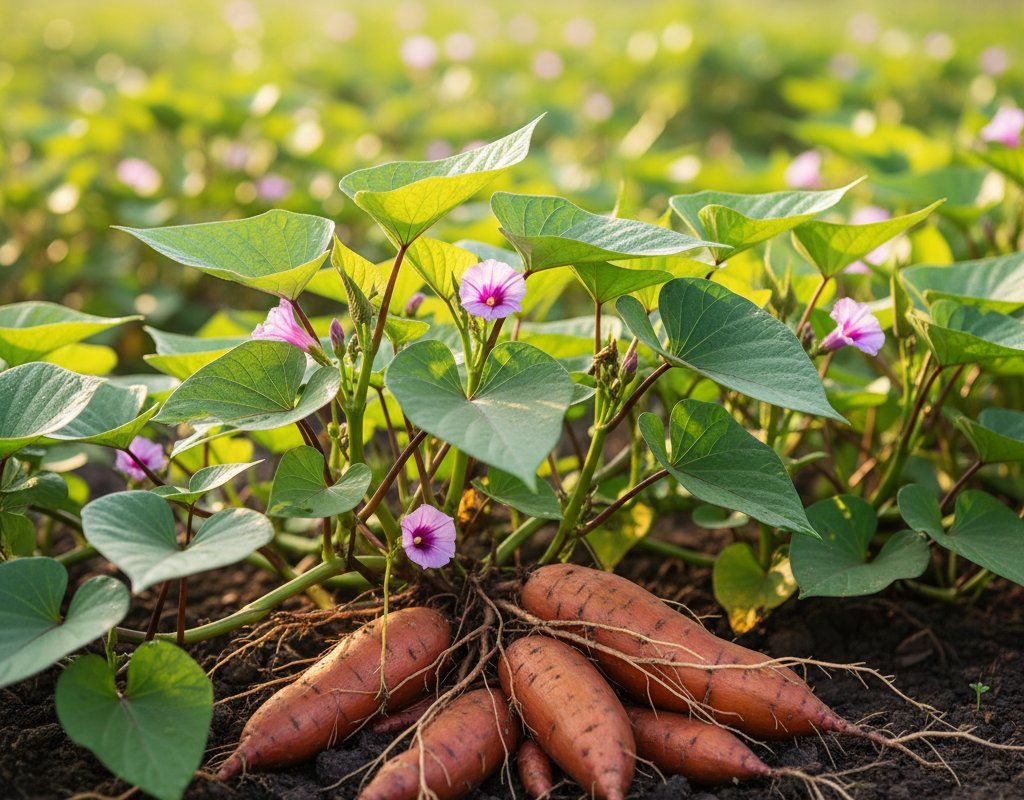
Sweet Potato in Zone 8A — Florida
Ipomoea batatas · Your Complete 2026 Planting Guide
Missed Seed Starting? No Problem!
Wait for starts to become available.
What to Do
Starts will be available at nurseries in 14 days (around March 18).
How to Plant Sweet Potato in Zone 8A — Florida
Here are all your options for getting sweet potato in the ground, from the easiest method to more advanced approaches.
Buy Starts
RecommendedMid March through early April
around March 18
Plant purchased starts after last frost (February 25).
Plant slips (rooted sprouts) after soil is warm. Buy slips or grow your own from a sweet potato.
Start Seeds Indoors
Works WellMid January through early February
around January 21
Then transplant: Mid March through early April
Start seeds 8-10 weeks before transplanting outdoors.
Direct Sow Seeds
ChallengingDirect sowing is not typical for Sweet Potato.
Transplant Outdoors
Timing InfoMid March through early April
around March 18
Wait until nighttime temperatures stay above 50°F.
Plan to transplant within a few weeks of your target date.
Overview
Sweet potatoes are one of Florida's most reliable warm-season crops, giving you nutrient-dense tubers that store beautifully and taste incredible fresh from your own ground. In our subtropical climate, these vining beauties thrive in the spring heat that can stress other vegetables, and they're perfectly suited to our sandy soils and long growing season. The satisfaction of digging up those orange gems after months of watching the vines spread across your garden beds is hard to beat.
While Florida's extreme humidity and summer heat can challenge many crops, sweet potatoes actually love our conditions once established. Our 283-day growing season gives you plenty of time to grow full-sized tubers, and the timing works perfectly - you'll plant slips when the soil warms in spring and harvest before our first frost in early December. The key is getting your timing right with our reversed Florida gardening calendar.
Starting Seeds Indoors
Growing sweet potatoes from seed isn't the typical approach - most Florida gardeners work with slips (rooted sprouts) instead. However, if you want to try starting from seed, you'll need to begin in mid-January through early February, about 8 weeks before your transplant window opens.
Set up seed trays in a warm spot since sweet potato seeds need consistent warmth to germinate properly. Use bottom watering to keep the soil moist without creating the soggy conditions that can lead to fungal problems in our humid climate. You'll need grow lights or a very bright south-facing window.
The reality is that buying certified disease-free slips or growing your own slips from a sweet potato tuber gives you much more reliable results in Florida. Our spring growing season starts when many northern areas are still frozen, so the timing for seed starting can be tricky to coordinate with transplant readiness.
Transplanting Outdoors
Transplant your sweet potato slips outdoors from mid-March through early April when soil temperatures consistently stay above 60°F and nighttime temperatures don't drop below 55°F. In Florida, this timing usually coincides with our last frost around late February, giving you a safe margin.
Before transplanting, harden off your slips gradually over a week by placing them outside for increasing periods daily. Start with 2-3 hours of morning sun and work up to full days. Space slips 12-18 inches apart in rows, burying about two-thirds of the stem to encourage strong root development.
Watch for late cool snaps during transplant season - even though we're past frost danger, a sudden temperature drop can shock young slips. If cool weather threatens, cover plants with row covers or even old sheets overnight. Our spring weather can be unpredictable, but once soil warms consistently, sweet potatoes take off quickly in Florida's climate.
Watering Sweet Potato in Zone 8A (Florida)
Sweet potatoes need moderate water to get established, but they're actually quite drought-tolerant once their root systems develop. In Florida's wet-summer climate, you'll likely need to water regularly during the first month after transplanting, then back off as summer rains arrive.
During establishment, provide about 1 inch of water per week including rainfall. Use the finger test - stick your finger 2 inches deep into the soil near the plants. If it's dry at that depth, it's time to water. Water at the base of plants rather than overhead watering, since our very high humidity already creates perfect conditions for fungal diseases.
Once summer arrives with our typical 50-65 inches of annual rainfall, you'll probably stop supplemental watering entirely. Sweet potato vines actually prefer to dry out slightly between waterings. Watch for signs of stress - wilting during the hottest part of the day is normal, but if leaves stay wilted into evening, they need water.
Reduce watering 3-4 weeks before harvest to help tubers develop better flavor and storage quality. Overwatered sweet potatoes can split or develop poor texture. A 2-3 inch layer of mulch helps maintain consistent soil moisture and keeps those sprawling vines from rooting at every node, which can reduce tuber size.
🧪Fertilizing Sweet Potato
Feeding Schedule
Organic Fertilizer Options
Harvest Time
Your first sweet potatoes will be ready from late June through early August, about 100 days after transplanting. Unlike many root crops, you can't really tell ripeness from above ground - the vines will still look healthy and green when tubers are mature.
Start checking tuber size by carefully digging around one plant when you hit the 90-day mark. Mature sweet potatoes should be 3-4 inches in diameter. The skin should have developed its full color and feel firm when you brush off the soil. If they're still small, give them another week or two.
Harvest by digging carefully with a spading fork, working from about 18 inches away from the plant center to avoid spearing the tubers. Sweet potato skins are thin and damage easily, so handle them gently. Brush off excess soil but don't wash them until you're ready to use them.
Plan your final harvest for before our first frost in early December. Even if frost doesn't kill the vines immediately, cold soil temperatures can damage tubers. After digging, cure sweet potatoes in a warm (80-85°F), humid place for 1-2 weeks to develop their full sweetness and improve storage life.
Common Problems in Zone 8A (Florida)
Sweet Potato Weevils These small, dark beetles create holes in tubers and their white grubs tunnel through the flesh, making sweet potatoes inedible. You'll see small, round holes in the soil-level stems and eventual wilting of vines. In Florida's warm climate, these pests can have multiple generations per season and overwinter successfully. Crop rotation is essential - don't plant sweet potatoes in the same spot for at least 3 years. Remove and destroy any damaged tubers immediately, and clean up all plant debris after harvest. Consider nematode-resistant varieties that often show better overall pest resistance.
Wireworms These thin, yellowish-brown larvae bore perfectly round holes through sweet potato tubers, ruining your harvest. Florida's sandy soils can harbor wireworm populations, and the problem often worsens in areas that were previously in grass or weeds. You'll discover the damage at harvest - small, neat holes that go deep into the flesh. Till soil thoroughly before planting to disrupt their life cycle, and avoid planting sweet potatoes immediately after breaking new ground. Yellow sticky traps placed at soil level can help monitor adult click beetle populations.
Cracking Tubers develop splits or cracks in their skin, which exposes the flesh to rot and makes storage impossible. Heavy watering or rain after a dry spell causes sweet potatoes to absorb water faster than their skin can expand, particularly during the final weeks of growth. Florida's intense summer thunderstorms following dry periods create perfect conditions for this problem. Maintain consistent soil moisture with mulch, and reduce watering 3-4 weeks before harvest. If heavy rains are forecast near harvest time, dig tubers early rather than risk cracking.
Florida Specific Challenges Our extreme humidity and hot summers create ideal conditions for fungal diseases that can affect sweet potato foliage, while our sandy soils drain so quickly that maintaining consistent moisture can be challenging during dry spells. Nematodes are a persistent problem in Florida gardens and can significantly reduce sweet potato yields, making variety selection and crop rotation crucial for success.
Best Companions for Sweet Potato
Plant these nearby for healthier Sweet Potato and better harvests.


Keep Away From
Companion Planting Details
Sweet potatoes work beautifully in traditional Three Sisters plantings with beans and corn. The beans fix nitrogen in the soil that feeds both the corn and sweet potatoes, while the sweet potato vines spread along the ground to suppress weeds and conserve moisture - particularly valuable during Florida's intense summer heat. Corn provides vertical structure that doesn't compete with the sweet potatoes' spreading growth habit.
Squash also makes an excellent companion, since both crops spread along the ground and prefer similar growing conditions. The large leaves help shade the soil and retain moisture, which benefits both plants during our hot summers. Avoid planting sweet potatoes near crops that need frequent cultivation or have shallow root systems, since the spreading vines make it difficult to work around them once established.
🌸Best Flowers to Plant with Sweet Potato
These flowers protect your Sweet Potato from pests and attract pollinators for better harvests.
For Pest Control




Get a Reminder When It's Time to Plant
We'll email you when key planting windows open for your zone.