
Carrot in Zone 8B — Pacific Northwest
Daucus carota · Your Complete 2026 Planting Guide
Planning Ahead — Great!
You’re ahead of the season. Here’s when to start.
Mark Your Calendar
How to Plant Carrot in Zone 8B — Pacific Northwest
Here are all your options for getting carrot in the ground, from the easiest method to more advanced approaches.
Direct Sow Seeds
RecommendedLate March through early August
around March 22
Consider succession planting every 2-3 weeks for continuous harvest.
Carrots have a taproot and don't transplant. Direct sow only.
Buy Starts
Works WellLate March through mid April
around March 22
Plant purchased starts after last frost (April 5).
Start Seeds Indoors
ChallengingThis plant is typically not started indoors.
Transplant Outdoors
Timing InfoLate March through mid April
around March 22
Can tolerate light frost, but wait for soil to be workable.
You have a nice window — no need to rush.
Fall Planting
Mid August through mid September
August 30 ideal · Direct sow for fall harvest
Plant a second crop in mid-summer for fall harvest. Carrot actually prefers the cooling temperatures of fall.
Overview
Carrots thrive in our Pacific Northwest climate, taking full advantage of our mild summers and cool nights to develop exceptional sweetness and crisp texture. Our 210-day growing season gives you multiple planting opportunities from late spring through late summer, letting you enjoy fresh carrots from your garden well into our extended fall season. The cool nights that define our region actually improve carrot flavor by concentrating sugars, giving you roots that taste far superior to anything from the grocery store.
While our cool, wet springs can slow early sowings and our clay-heavy soils present challenges for straight root development, proper timing and soil preparation make carrots quite manageable here. Your biggest advantage is our mild summer heat – carrots struggle in hot climates but flourish in our temperate conditions, rarely stressed by excessive heat during their 70-day growing period.
Transplanting Outdoors
Carrots develop a long taproot and absolutely cannot be transplanted successfully. The taproot breaks easily during transplanting, resulting in stunted, deformed roots that won't develop properly. This is true regardless of how careful you are with the process.
Skip transplanting entirely with carrots. They must be direct-sown where you want them to grow. This actually works to your advantage in the Pacific Northwest, as you can sow successive crops throughout our long growing season without worrying about indoor seed starting space or transplant timing.
Direct Sowing
Direct sowing is your only option for carrots, and it works beautifully in our Pacific Northwest climate. Sow seeds from late March through early August, taking advantage of our extended growing season for continuous harvests. Wait until soil temperatures reach at least 45°F – our cool spring soils often delay this until mid to late March, but the wait ensures better germination.
Prepare loose, well-draining soil by working in compost and removing rocks, clods, and debris that could cause forking. In our region's clay-heavy soils, consider raised beds filled with a light potting mix for the straightest roots. Carrot seeds are tiny and slow to germinate, taking 10-21 days in cool spring conditions.
Sow seeds ¼ inch deep in rows or broadcast over prepared beds. Space final plants 2-3 inches apart, but sow more densely and thin later – carrot germination can be spotty. Keep soil consistently moist during germination by watering gently with a fine spray, as our dry summer months begin just as many spring sowings are establishing.
Watering Carrot in Zone 8B (Pacific Northwest)
Consistent moisture during germination is absolutely critical for carrots – keep the soil surface damp for 2-3 weeks while seeds sprout in our sometimes-slow spring conditions. Once established, carrots need about 1 inch of water per week, which matches well with our dry summer rainfall patterns once you supplement with irrigation.
Water deeply at soil level rather than overhead to prevent foliar diseases and conserve water during our dry summer months. The finger test works perfectly here: check soil moisture 2 inches down, and water when it feels barely moist. In our mild summer heat (typically peaking around 82°F), carrots rarely become heat-stressed, but they do need steady moisture to prevent cracking and splitting.
Uneven watering causes the most problems with carrots – alternating between dry and wet conditions leads to cracked, split roots. This is especially important during our transition from wet spring to dry summer, usually happening in late May or early June. A 2-3 inch layer of straw mulch helps maintain consistent soil moisture and takes advantage of our naturally low summer humidity.
Signs of underwatering include stunted growth and woody, tough roots. Overwatering in our clay soils leads to rot and encourages carrot rust fly problems. During our rainy fall months, reduce supplemental watering but ensure good drainage to prevent root rot as temperatures cool.
🧪Fertilizing Carrot
Feeding Schedule
Organic Fertilizer Options
Harvest Time
Your first carrots will be ready for harvest about 70 days from sowing, typically in late May for early spring plantings or continuing through early November for succession crops. Look for carrot tops that are about ¾ inch in diameter at the soil surface – the shoulders often push up slightly above ground level when mature.
Test harvest a few roots by gently loosening the soil around them with a fork, then pulling straight up by grasping the foliage close to the root. If they snap off, loosen the soil more deeply, especially in our clay soils that can compact around the roots. Properly mature carrots should pull cleanly with their green tops attached.
Carrots actually improve in flavor after a light frost, making them perfect for our mild fall conditions that often extend into November. You can leave roots in the ground and harvest as needed, but be prepared to harvest everything before any hard freeze (rare but possible in our region) or when soil becomes too muddy to work during our wet winter months.
Common Problems in Zone 8B (Pacific Northwest)
Forking: Your carrots develop multiple split roots or grow crooked instead of straight. This happens when roots encounter obstacles like rocks, hard clay layers, or root damage from pests. In our Pacific Northwest clay soils, this is the most common problem. Create loose, deeply worked soil by adding compost and sand, or grow carrots in raised beds with a light potting mix. Choose shorter varieties like Paris Market if you're working with heavy soil.
Carrot Rust Fly: Small dark flies hover around your plants, and harvested carrots show rusty brown tunnels throughout the roots. The adult flies lay eggs near carrot stems, and the larvae tunnel into developing roots. This pest thrives in our mild, moist conditions and is particularly problematic in coastal areas. Use row covers during peak fly activity (late spring and late summer), delay spring plantings until mid-May to avoid the first generation, and interplant with onions whose strong scent confuses the flies. Avoid thinning during active fly periods as damaged foliage attracts them.
Green Shoulders: The top portion of your carrot roots turns green where exposed to light. This happens when carrots push above the soil surface as they develop – completely normal but creates a slightly bitter taste in the green portions. Hill soil or apply mulch over exposed carrot tops as they grow, especially important during our bright summer days despite the mild temperatures. Green portions are safe to eat but may be better peeled away.
Pacific Northwest Specific Challenges: Our cool, wet springs can delay germination and encourage damping-off diseases, while our clay soils contribute to forking problems. However, our mild summer heat rarely stresses carrots, and our dry summer conditions actually reduce many pest and disease pressures compared to more humid regions.
Best Companions for Carrot
Plant these nearby for healthier Carrot and better harvests.

Keep Away From
Companion Planting Details
Carrots pair excellently with lettuce in our Pacific Northwest beds – the lettuce grows quickly in our cool conditions and is harvested before carrots need the space, while providing some shade for carrot seedlings during establishment. Onions make outstanding companions because their strong scent deters carrot rust fly, a significant pest in our region, and their upright growth doesn't compete with carrot root development.
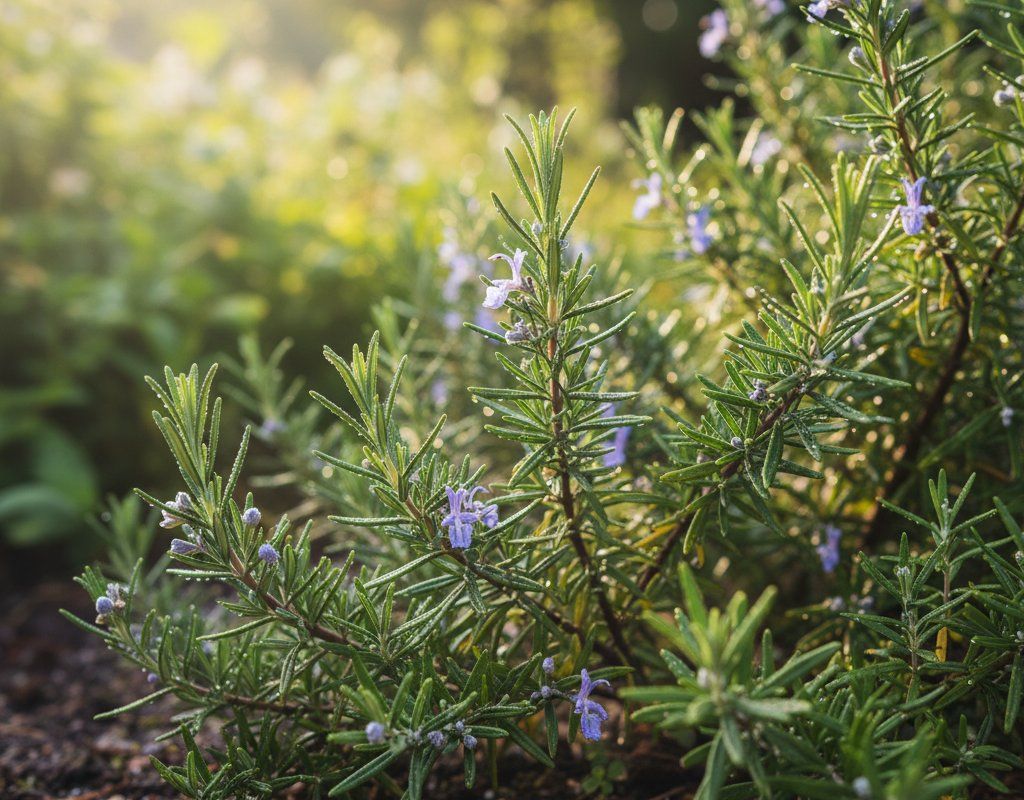
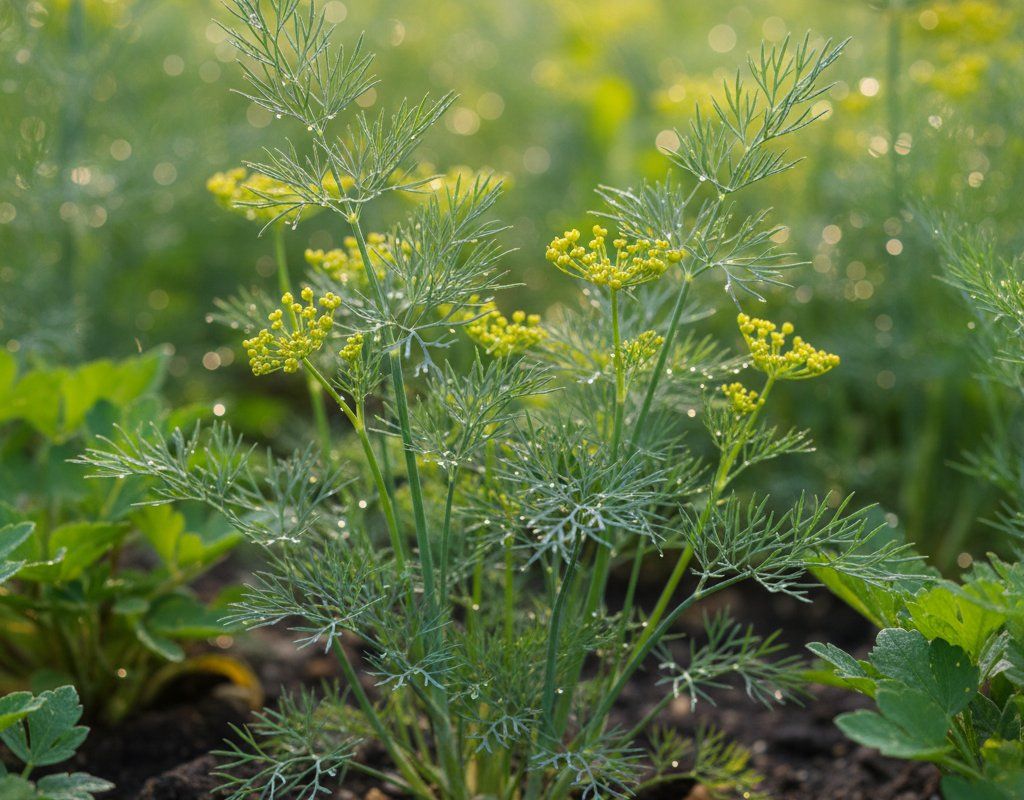
Tomatoes benefit carrots by providing afternoon shade during our (admittedly mild) summer heat, while carrots help break up soil for tomato root development. Rosemary planted nearby repels carrot flies and other pests while thriving in our dry summer conditions. Avoid planting carrots near dill, which can cross-pollinate and reduce carrot flavor, or parsnips, which attract the same pests and diseases while competing for similar soil nutrients and space.
🌸Best Flowers to Plant with Carrot
These flowers protect your Carrot from pests and attract pollinators for better harvests.


Get a Reminder When It's Time to Plant
We'll email you when key planting windows open for your zone.