
Carrot in Zone 9A — Gulf Coast
Daucus carota · Your Complete 2026 Planting Guide
Still Time to Sow!
The sowing window is still open for Carrot.
Sow Seeds Soon
Carrots have a taproot and don't transplant. Direct sow only.
How to Plant Carrot in Zone 9A — Gulf Coast
Here are all your options for getting carrot in the ground, from the easiest method to more advanced approaches.
Direct Sow Seeds
RecommendedLate January through mid September
around January 27
Consider succession planting every 2-3 weeks for continuous harvest.
Carrots have a taproot and don't transplant. Direct sow only.
Buy Starts
Works WellLate January through late February
around January 27
Plant purchased starts after last frost (February 10).
Start Seeds Indoors
ChallengingThis plant is typically not started indoors.
Transplant Outdoors
Timing InfoLate January through late February
around January 27
Can tolerate light frost, but wait for soil to be workable.
You have a nice window — no need to rush.
Fall Planting
Late September through late October
October 8 ideal · Direct sow for fall harvest
Plant a second crop in mid-summer for fall harvest. Carrot actually prefers the cooling temperatures of fall.
Overview
Carrots grown in your Gulf Coast garden deliver sweetness and crunch that store-bought varieties simply can't match. Our long 303-day growing season means you can enjoy fresh carrots from spring through late fall, making them one of the most rewarding root crops for this region. The satisfaction of pulling perfect orange roots from loose soil after months of careful tending never gets old.
While our high humidity and afternoon storms can challenge some crops, carrots actually benefit from our consistent moisture and mild winters. The key is working with our climate patterns rather than fighting them – plant during cooler months and you'll avoid the worst disease pressure while taking advantage of our extended growing windows.
Transplanting Outdoors
Carrots develop long taproots that make transplanting nearly impossible without damaging the root system. Unlike many vegetables, carrots must be direct-sown where you want them to grow – their delicate taproot simply won't survive the transplant process intact.
If you do find carrot seedlings at local nurseries during late January through late February, these are likely specialty varieties in biodegradable pots meant to be planted pot and all. Even then, success rates remain low compared to direct seeding.
Skip the transplant headaches and go straight to direct sowing for the best carrot harvest in your Gulf Coast garden.
Direct Sowing
Direct sowing is the only reliable method for growing carrots, and our Gulf Coast climate gives you an exceptionally long window from late January through mid-September. Start your spring crop in late January when soil temperatures reach 45°F – our mild winters make this possible while northern gardeners wait until April.
Prepare loose, rock-free soil at least 8 inches deep since compacted or rocky ground causes forked, stunted roots. Work in compost but avoid fresh manure, which encourages forking. Sow seeds ¼ inch deep in rows or broadcast over prepared beds. The tiny seeds need consistent moisture to germinate, so keep soil damp for the first 2-3 weeks.
Space plants 2-3 inches apart after germination by thinning excess seedlings – overcrowded carrots develop poorly. For continuous harvest, sow new rows every 3 weeks through your planting window. Fall plantings from late September through late October often produce the sweetest carrots since cool weather concentrates sugars.
Watering Carrot in Zone 9A (Gulf Coast)
Consistent moisture is absolutely critical for carrot success, especially during germination when seeds can fail if the soil surface dries out even briefly. Keep soil evenly damp for the first 2-3 weeks until seedlings establish, checking daily during hot spells. Our Gulf Coast humidity helps, but afternoon storms can be unpredictable.
Once established, carrots need about 1 inch of water weekly, including rainfall. Our 50-65 inches of annual precipitation covers much of this need, but summer gaps between storms require supplemental watering. Use the finger test – if soil feels dry 2 inches down, it's time to water deeply at the base of plants rather than overhead sprinkling.
Inconsistent watering causes several problems in our climate. Too little water during root development leads to woody, bitter carrots, while alternating wet and dry conditions causes roots to crack and split. Our high humidity already stresses many crops, so steady soil moisture helps carrots handle the heat better.
Mulch lightly around plants to maintain even moisture, but keep mulch away from carrot shoulders to prevent pest problems. During our wettest periods, ensure good drainage since waterlogged soil encourages root rot and makes harvesting messy.
🧪Fertilizing Carrot
Feeding Schedule
Organic Fertilizer Options
Harvest Time
Your first carrots will be ready for harvest about 70 days after sowing, putting spring plantings into harvestable territory from early April onward. Fall crops extend your harvest window clear through mid-December before our first frost typically arrives. Look for carrot shoulders pushing above the soil surface and aim for roots about ¾ inch in diameter at the top.
Test harvest a few carrots by gently pulling or loosening soil around the roots first to avoid snapping them off. Mature carrots should pull easily from loose soil with their green tops intact. If roots resist, use a garden fork to carefully loosen the soil around them before lifting.
Unlike tomatoes or peppers, carrots don't continue ripening after harvest, so timing matters. Harvest promptly when roots reach full size – leaving them in the ground too long leads to woody texture and increased pest problems. During our mild Gulf Coast winters, fall-planted carrots can stay in the ground until you need them, actually improving in sweetness after light frosts.
As early December approaches and first frost threatens, harvest remaining carrots and store them in the refrigerator with tops removed. They'll keep for months in proper storage, bridging the gap until your next spring planting.
Common Problems in Zone 9A (Gulf Coast)
Forking appears as carrot roots that split into multiple branches or develop strange, twisted shapes instead of growing straight and tapered. This happens when roots hit obstacles like rocks or compacted soil and divide around them. Our heavy Gulf Coast clay soils make this especially common unless you prepare beds properly. Create raised beds with loose potting mix or work compost deeply into native soil. Avoid fresh manure which can cause forking, and choose shorter carrot varieties if you're working with heavy soil.
Carrot Rust Fly creates rusty brown tunnels throughout carrot roots, making them inedible. Small dark flies hover around plants, and foliage may wilt despite adequate moisture. The fly larvae tunnel into developing roots from late spring through summer. Row covers provide the best protection during peak fly season. Interplant with onions since their strong scent confuses the flies. Avoid thinning carrots during fly active periods since bruised leaves attract egg-laying females.
Green Shoulders show up as green coloring on the upper portions of carrot roots where they've pushed above soil level and been exposed to sunlight. While safe to eat, green areas taste bitter and look unappealing. Hill soil or apply mulch over exposed carrot tops as they develop, checking every few weeks during the growing season. This problem increases during our intense summer sun, so stay vigilant with soil coverage.
Gulf Coast Specific Challenges: Our extreme humidity and frequent afternoon storms create perfect conditions for fungal diseases that can affect carrot foliage, though the roots usually remain unaffected. Good air circulation and avoiding overhead watering help minimize disease pressure. Hurricane season requires securing row covers and being prepared to harvest early if storms threaten. Our year-round moisture means slugs and other pests remain active longer than in drier climates.
Best Companions for Carrot
Plant these nearby for healthier Carrot and better harvests.

Keep Away From
Companion Planting Details
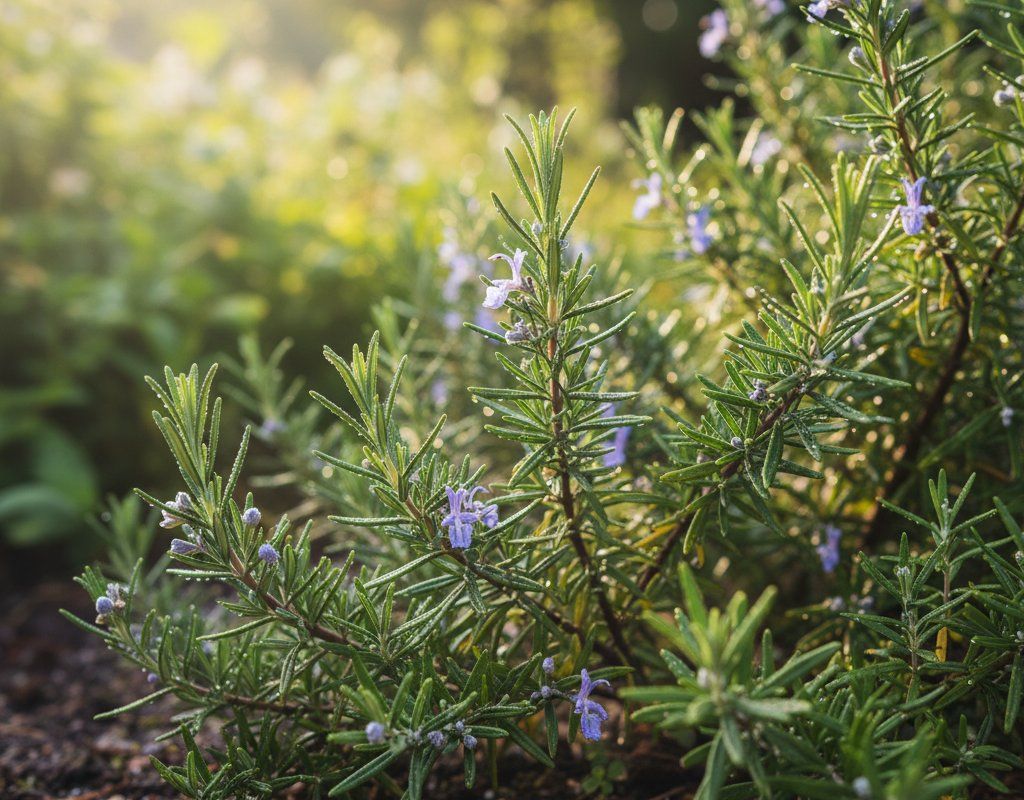
Carrots pair beautifully with lettuce in Gulf Coast gardens since both crops prefer similar growing conditions and lettuce provides living mulch that helps retain soil moisture during our hot spells. Onions make excellent companions too – their strong scent deters carrot rust flies while their upright growth doesn't compete for root space. Plant rosemary nearby to repel various pests with its aromatic oils, and the perennial herb thrives in our climate.
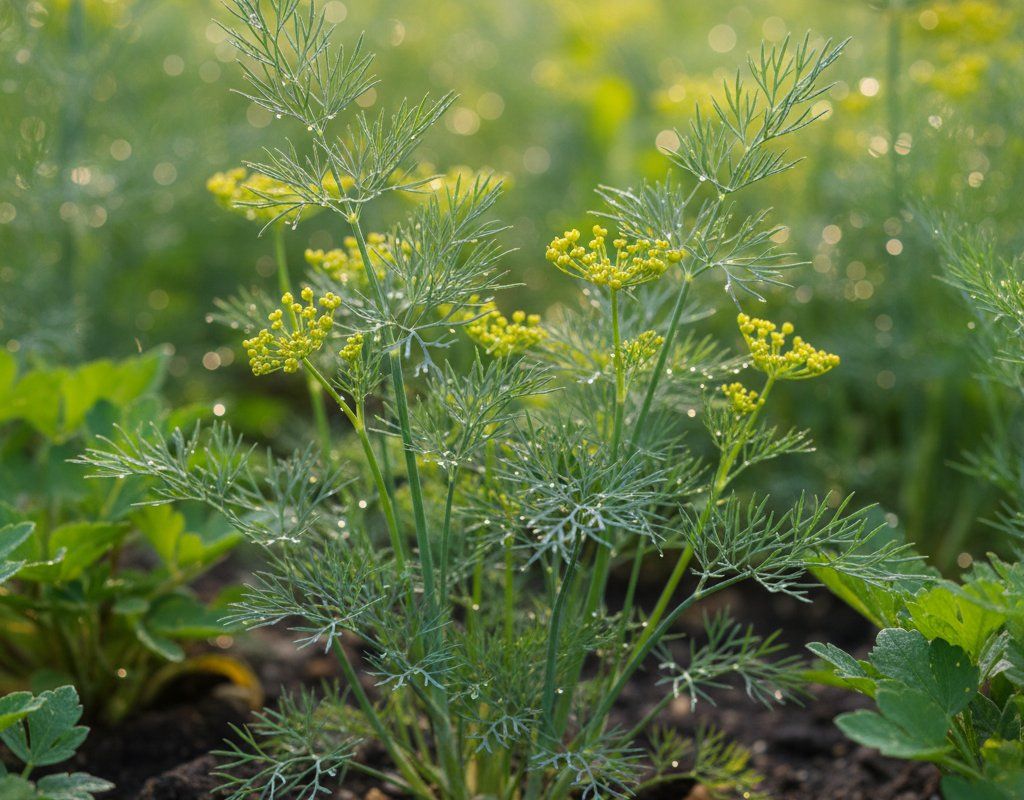
Tomatoes work well with carrots planted at their base, especially since carrots help break up soil for tomato roots while tomatoes provide afternoon shade during our intense summer heat. Avoid planting dill near carrots since it can stunt carrot growth and attracts pests that damage roots. Skip parsnips as companions – they're in the same family and compete for identical soil nutrients while sharing similar pest problems.
🌸Best Flowers to Plant with Carrot
These flowers protect your Carrot from pests and attract pollinators for better harvests.


Get a Reminder When It's Time to Plant
We'll email you when key planting windows open for your zone.