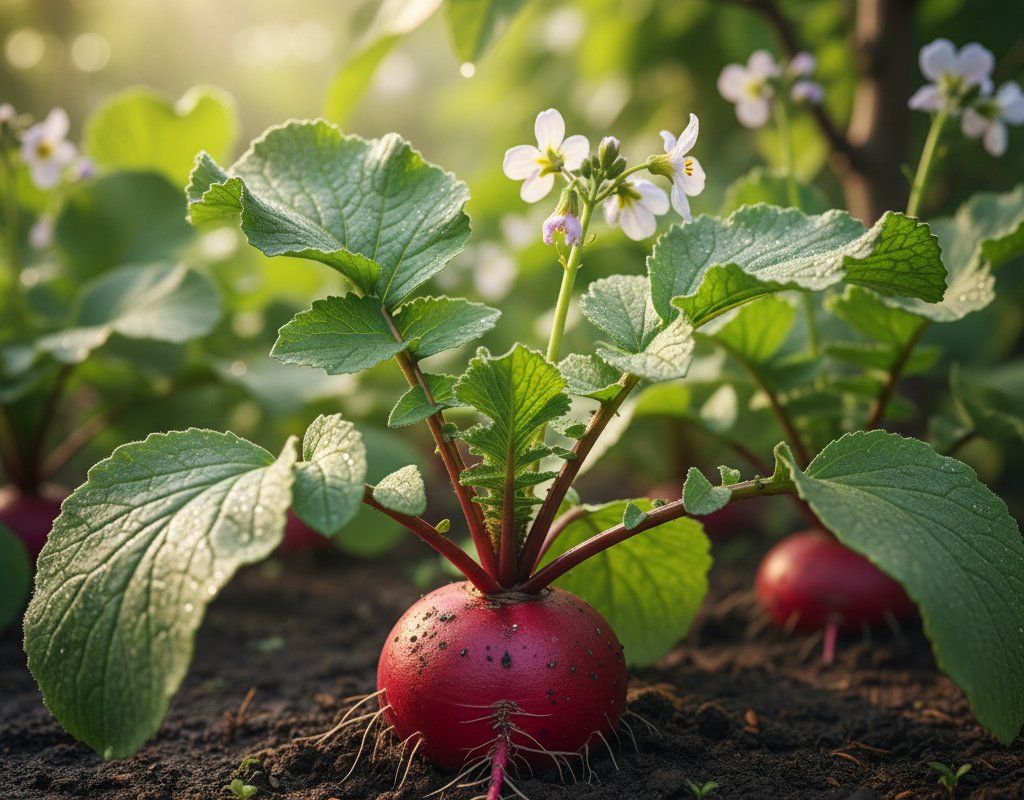
Radish in Zone 9A — Gulf Coast
Raphanus sativus · Your Complete 2026 Planting Guide
Harvest Time!
Your Radish should be producing now!
Harvest Tips
Check size by brushing soil away from crown. Pull when ready.
How to Plant Radish in Zone 9A — Gulf Coast
Here are all your options for getting radish in the ground, from the easiest method to more advanced approaches.
Direct Sow Seeds
RecommendedMid January through early November
around January 13
Consider succession planting every 2-3 weeks for continuous harvest.
Fast-growing and easy. No reason to start indoors.
Buy Starts
Works WellMid January through late February
around January 13
Plant purchased starts after last frost (February 10).
Start Seeds Indoors
ChallengingThis plant is typically not started indoors.
Transplant Outdoors
Timing InfoMid January through late February
around January 13
Can tolerate light frost, but wait for soil to be workable.
You have a nice window — no need to rush.
Fall Planting
Mid October through mid November
October 29 ideal · Direct sow for fall harvest
Plant a second crop in mid-summer for fall harvest. Radish actually prefers the cooling temperatures of fall.
Overview
Radishes are perfect for Gulf Coast gardeners who want quick satisfaction and crisp, peppery flavor in our long growing season. Here in Zone 9A, you can grow these fast-maturing roots for nearly ten months straight, from mid-January through early November. The high humidity that challenges so many crops actually helps keep radish leaves from wilting during our hot afternoons, and their 25-day turnaround means you can squeeze in multiple plantings between our intense summer heat waves.
Our 303-day growing season gives you incredible flexibility with radish timing, though the extreme humidity and disease pressure mean choosing your planting windows wisely. The good news is radishes grow so quickly that you can easily work around hurricane season and take advantage of our mild winters and abundant rainfall to keep fresh radishes coming to your table almost year-round.
Transplanting Outdoors
While you can transplant radish seedlings in the Gulf Coast from mid-January through late February, this method rarely makes sense for such a fast-growing crop. If you do choose to transplant, start seeds indoors about 3-4 weeks before your planned transplant date and harden them off gradually over one week before moving them outside.
Space transplants 2-4 inches apart in prepared soil, being extra gentle with the taproot since radishes don't recover well from root disturbance. During our mild winter transplant window, afternoon storms and temperature swings between 40°F nights and 70°F days can shock young transplants, so consider row covers for the first week after planting.
The reality is that direct sowing works so much better for radishes in our climate that transplanting only makes sense if you're trying to get an extra-early start or dealing with specific pest pressure in your garden beds.
Direct Sowing
Direct sowing is absolutely the way to go with radishes in the Gulf Coast. You can sow seeds from mid-January through early November, though you'll want to time plantings to avoid the worst heat of July and August. Plant seeds ½ inch deep and 1 inch apart, then thin to 2-4 inches once they germinate - usually within 4-7 days in our warm, moist soil.
Prepare your planting area by working compost into loose, well-draining soil. Radishes prefer soil temperatures between 45-85°F, which means you can plant almost year-round here except during our hottest summer weeks. Our abundant rainfall keeps the soil consistently moist for good germination, but make sure your beds drain well since waterlogged soil leads to rotting seeds.
For continuous harvests, plant new rows every 2-3 weeks from late winter through late spring, then again from mid-October through November. This fast crop goes from seed to table in just 25 days, making it perfect for filling gaps between longer-season plantings or teaching kids the joy of quick garden success.
Watering Radish in Zone 9A (Gulf Coast)
Radishes need consistent moisture to develop those crisp, mild roots we're after - let them dry out and you'll get woody, fiery-hot roots that nobody wants to eat. In our Gulf Coast climate with 50-65 inches of annual rainfall, you might think watering isn't a concern, but our wet-dry cycles and intense summer heat require careful attention.
During spring and fall, our natural rainfall often provides enough moisture, but always check soil 2 inches deep with your finger. If it's dry at that depth, water deeply at the base of plants rather than overhead - our very high humidity makes wet foliage a recipe for fungal problems. Aim for about 1 inch of water per week, including rainfall.
Summer plantings need the most attention since 93°F days and warm, humid nights stress these cool-season roots. Water early morning to avoid leaf scorch and reduce disease pressure. Signs of underwatering include wilted leaves and small, hot-tasting roots, while overwatering shows up as yellowing leaves and soft, mushy roots.
A thin layer of organic mulch helps maintain even soil moisture and keeps roots cool during our hot spells, but keep mulch pulled back slightly from the stems to prevent fungal issues in our humid conditions.
🧪Fertilizing Radish
Feeding Schedule
Organic Fertilizer Options
Harvest Time
You can expect your first radish harvest in the Gulf Coast from early February through mid-December, depending on when you planted. Most varieties are ready to pull in just 25 days from seeding, making them one of your quickest garden rewards in our long growing season.
Watch for the radish shoulders pushing up above the soil surface - this is your cue that they're ready. Spring radish varieties are best when they reach about 1 inch in diameter, while winter varieties can grow larger. Pull them up by grasping the leaves close to the root and giving a gentle twist and tug. Don't let them sit too long in the ground once mature, especially during warm weather, or they'll become woody and overly pungent.
Unlike tomatoes or peppers, radishes don't continue ripening after harvest, so timing is everything. In our mild winters, you can often leave fall-planted radishes in the ground until you need them, but once our first frost arrives in early December, harvest any remaining roots and store them in the refrigerator.
The beauty of radishes in the Gulf Coast is that with succession planting every few weeks, you can have fresh, crisp radishes available almost continuously rather than dealing with a single large harvest that might overwhelm your kitchen.
Common Problems in Zone 9A (Gulf Coast)
Flea Beetles These tiny black beetles create characteristic round holes (shot-hole pattern) throughout radish leaves, making them look like they've been peppered with buckshot. You'll see the small, dark beetles jump away when you disturb the plants. Young seedlings suffer the worst damage and can be killed outright by heavy infestations.
Small jumping beetles feed on brassica family plants and love our warm, humid Gulf Coast conditions. They're most problematic in spring and fall when you're trying to establish young radish seedlings, and they overwinter in garden debris and weedy areas.
Row covers provide excellent protection during the vulnerable seedling stage - remove them once plants are established since radishes can outgrow light damage. Kaolin clay coating creates a barrier that deters feeding, and interplanting with basil or catnip helps repel these pests naturally.
Root Maggots You'll discover this problem when you pull up radishes only to find tunnels and holes throughout the roots, often with small white maggots still inside. Affected plants may show yellowing, wilting leaves above ground even with adequate moisture.
The root maggot fly lays eggs at the base of brassica plants, and our mild winters allow these pests to complete multiple generations per year. Heavy organic matter and consistently moist soil - common in our high-rainfall region - create ideal breeding conditions.
Prevention works better than treatment since the damage happens underground. Row covers during egg-laying periods, rotating away from brassica family crops, and avoiding fresh manure help reduce populations. Yellow sticky traps can catch adult flies before they lay eggs.
Pithy Roots Radishes develop tough, fibrous centers with hollow or spongy cores instead of crisp, solid flesh. The roots often taste excessively hot and unpleasant, making them inedible despite looking normal from the outside.
Hot weather, inconsistent watering, and leaving radishes in the ground too long all contribute to pithy roots. Our intense summer heat and humidity cycles stress these cool-season crops, causing them to bolt and develop poor root quality.
Plant during cooler months (fall through spring), maintain consistent soil moisture, and harvest promptly when roots reach maturity. Choose heat-tolerant varieties for summer plantings, and consider growing radishes in partial shade during our hottest months.
Gulf Coast Specific Challenges Our extreme humidity and wet-year-round conditions create perfect breeding grounds for fungal diseases that can quickly devastate radish crops. The combination of hot heat and very high humidity stresses these cool-season roots, while our intense afternoon storms can waterlog beds and promote root rot in poorly-draining soils.
Best Companions for Radish
Plant these nearby for healthier Radish and better harvests.


Keep Away From
Companion Planting Details
Radishes make excellent companions for carrots in Gulf Coast gardens - the quick-growing radishes break up compacted soil for the slower carrots while marking rows before carrot seedlings emerge. Plant lettuce nearby to take advantage of the light shade radish leaves provide during our intense spring sun, and both crops appreciate similar cool-weather growing conditions. Peas work wonderfully as companions since they fix nitrogen that benefits the radishes, and both thrive in our mild winter and early spring weather.
Cucumbers and radishes pair well because radishes mature and clear the space just as cucumber vines need room to spread in late spring. Avoid planting radishes near hyssop, which can inhibit radish growth and flavor - our humid conditions already stress these cool-season roots enough without adding allelopathic competition from incompatible herbs.
🌸Best Flowers to Plant with Radish
These flowers protect your Radish from pests and attract pollinators for better harvests.



Get a Reminder When It's Time to Plant
We'll email you when key planting windows open for your zone.