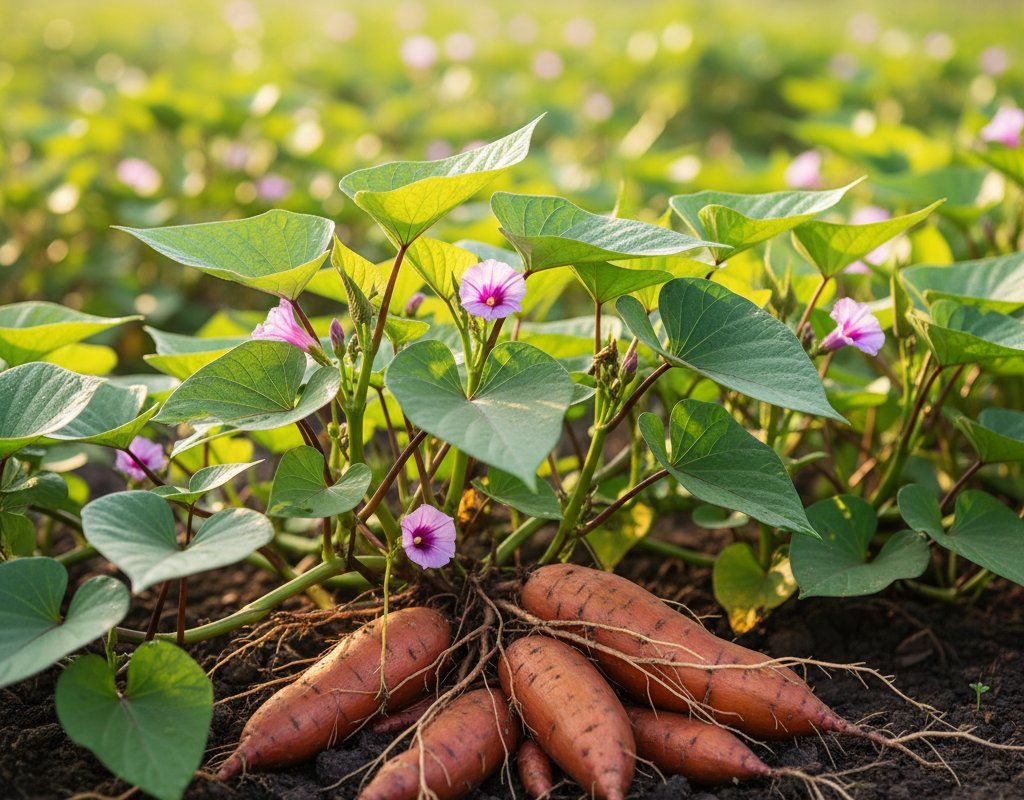
Sweet Potato in Zone 9A — Gulf Coast
Ipomoea batatas · Your Complete 2026 Planting Guide
Time to Buy Starts!
Seed starting window passed, but starts are available now.
Buy Starts Now
Head to your local nursery, Home Depot, or farmers market for transplants.
- Look for stocky plants with dark green leaves
- Avoid leggy seedlings or plants already flowering
- Check that roots aren't circling the pot (rootbound)
How to Plant Sweet Potato in Zone 9A — Gulf Coast
Here are all your options for getting sweet potato in the ground, from the easiest method to more advanced approaches.
Buy Starts
RecommendedEarly to late March
around March 3
Plant purchased starts after last frost (February 10).
Plant slips (rooted sprouts) after soil is warm. Buy slips or grow your own from a sweet potato.
Start Seeds Indoors
Works WellLate December through mid January
around January 6
Then transplant: Early to late March
Start seeds 8-10 weeks before transplanting outdoors.
Direct Sow Seeds
ChallengingDirect sowing is not typical for Sweet Potato.
Transplant Outdoors
Timing InfoEarly to late March
around March 3
Wait until nighttime temperatures stay above 50°F.
Plan to transplant within a few weeks of your target date.
Overview
Sweet potatoes thrive in our Gulf Coast heat and humidity, producing impressive harvests of nutritious, versatile tubers that store beautifully through winter. Unlike many crops that struggle with our intense summer conditions, sweet potatoes actually prefer our long, warm growing season and can handle our unpredictable weather patterns once established.
While our high humidity can encourage fungal issues and afternoon storms can complicate timing, sweet potatoes are remarkably resilient once they get going. With our 303-day growing season, you have plenty of time to work with these heat-loving vines, and proper timing helps you avoid most disease pressure during the critical establishment phase.
Starting Seeds Indoors
Starting sweet potatoes from seed is possible but rarely done since most gardeners use slips (rooted sprouts cut from mature sweet potatoes). If you do start from seed, begin in late December through mid-January, about 8 weeks before you plan to transplant in March.
Set up seed trays in a warm spot around 75-80°F with good light. Sweet potato seeds need consistent warmth and moisture to germinate reliably. Use bottom watering to keep the soil evenly moist without encouraging fungal problems that thrive in our humid conditions.
Most Gulf Coast gardeners skip seed starting entirely and either buy certified disease-free slips in early spring or grow their own slips from store-bought organic sweet potatoes starting in late winter. This approach is more reliable and gives you a head start on the growing season.
Transplanting Outdoors
Plant sweet potato slips outdoors from early to late March, once soil temperatures consistently reach 65°F and nighttime lows stay above 55°F. Our early spring weather gives you flexibility within this window, but avoid rushing if a late cold snap threatens.
Harden off slips gradually over one week if you're growing your own, moving them outside for increasing periods daily. Space plants 12-18 inches apart in loose, well-draining soil. Sweet potatoes prefer slightly elevated beds or mounds, which helps prevent waterlogging during our frequent spring rains.
Plant slips deep, burying about two-thirds of the stem with only the top leaves showing. This encourages strong root development before our summer heat arrives. The vines will spread quickly once established, so give them room to roam or plan to train them within your garden space.
Watering Sweet Potato in Zone 9A (Gulf Coast)
Sweet potatoes need moderate water to get established but become quite drought-tolerant once their extensive root system develops. During the first month after transplanting, water regularly to keep soil evenly moist but not soggy. Use the finger test - if soil feels dry 2 inches down, it's time to water.
Our abundant Gulf Coast rainfall often provides most of what established sweet potatoes need, especially during summer months. In fact, too much water can cause problems like root rot and poor tuber development. Focus watering at the base of plants rather than overhead to minimize fungal issues in our high humidity.
During hot spells when rainfall is scarce, provide about 1 inch of water per week. Watch for signs of stress like wilting during the hottest part of the day, but remember that some afternoon wilting is normal when temperatures hit the mid-90s. Sweet potatoes often perk up in the evening as temperatures cool.
Reduce watering significantly 3-4 weeks before harvest to concentrate sugars and prevent tubers from cracking. A 2-3 inch layer of organic mulch helps maintain consistent soil moisture through our unpredictable weather patterns while keeping weeds at bay.
🧪Fertilizing Sweet Potato
Feeding Schedule
Organic Fertilizer Options
Harvest Time
Your first sweet potatoes will be ready from mid-June through late July, about 100 days from transplanting. Unlike many crops, you can't tell ripeness by looking at the tubers - timing and vine appearance are your best guides. The vines will begin to yellow and die back naturally as tubers mature underground.
Harvest sweet potatoes before our first frost in early December, but you can dig them anytime once they've reached maturity. Use a garden fork to gently lift tubers, starting about 18 inches from the plant center and working inward. Damaged tubers won't store well, so handle them carefully and use any nicked ones first.
After digging, brush off excess soil but don't wash the tubers. Cure them in a warm (80-85°F), humid place for 1-2 weeks - our Gulf Coast garages or covered porches often provide perfect conditions. This curing process converts starches to sugars and toughens the skin for better storage.
Properly cured sweet potatoes will store for months in a cool, dark place around 55-60°F. Since our mild winters rarely provide ideal storage temperatures, consider using them within a few weeks of harvest or processing them for freezing to enjoy your homegrown sweet potatoes through the winter months.
Common Problems in Zone 9A (Gulf Coast)
Sweet Potato Weevils
What it looks like: Small holes in tubers with dark, bitter-tasting tunnels inside. You might see small, dark weevils with metallic blue-green bodies and orange heads on the vines or around storage areas.
What causes it: These pests are particularly problematic in our warm, humid Gulf Coast climate where they can reproduce year-round. Adults lay eggs in sweet potato stems and tubers, and larvae tunnel through the flesh as they develop.
How to fix/prevent it: Use certified disease-free slips from reputable sources and rotate crops annually. Remove all sweet potato debris after harvest and avoid saving tubers from infected plants. Consider covering young plants with row covers during peak egg-laying periods in late spring.
Wireworms
What it looks like: Round holes in tubers with smooth, clean-cut tunnels. You might find hard, shiny, yellow-brown worms up to an inch long when you dig tubers.
What causes it: These are the larval stage of click beetles, which thrive in our moist Gulf Coast soils, especially in areas that were recently in grass or have high organic matter content.
How to fix/prevent it: Avoid planting in freshly turned sod areas. Cultivate soil several times before planting to disrupt wireworm habitat. Trap adults with pieces of potato buried 2-4 inches deep as monitoring tools - check and replace weekly during peak activity in spring and fall.
Cracking
What it looks like: Splits in the sweet potato skin, either as concentric circles around the tuber or radial lines extending from one end. Cracks expose flesh and can lead to rot during storage.
What causes it: Heavy watering or rain after a dry period causes tubers to absorb water faster than the skin can expand. Our unpredictable Gulf Coast weather patterns of drought followed by heavy rainfall make this especially common here.
How to fix/prevent it: Maintain consistent soil moisture with mulch and regular watering rather than letting plants go through wet-dry cycles. Reduce watering 3-4 weeks before harvest, and harvest promptly when tubers are mature rather than leaving them in fluctuating soil conditions.
Gulf Coast Specific Challenges: Our extreme humidity and frequent rainfall create perfect conditions for fungal diseases, while our long warm season allows pest populations to build up over multiple generations. The combination of intense heat and sudden downpours can stress plants and make them more susceptible to problems, but proper soil drainage and consistent care help sweet potatoes thrive despite these challenges.
Best Companions for Sweet Potato
Plant these nearby for healthier Sweet Potato and better harvests.


Keep Away From
Companion Planting Details
Sweet potatoes pair beautifully with the traditional "Three Sisters" combination in Gulf Coast gardens. Plant beans nearby to fix nitrogen in the soil without over-fertilizing the sweet potatoes, which prefer moderate nutrients. Corn provides natural trellising and creates beneficial microclimates, while winter squash can share growing space since both crops spread widely and have similar water needs.
Avoid planting sweet potatoes near heavy feeders or plants that require frequent watering, as sweet potatoes prefer lean soil and moderate moisture once established. The sprawling vines make excellent living mulch for other heat-loving crops, helping suppress weeds and retain soil moisture during our intense summer heat.
🌸Best Flowers to Plant with Sweet Potato
These flowers protect your Sweet Potato from pests and attract pollinators for better harvests.
For Pest Control




Get a Reminder When It's Time to Plant
We'll email you when key planting windows open for your zone.