
Carrot in Zone 9B — Florida
Daucus carota · Your Complete 2026 Planting Guide
Still Time to Sow!
The sowing window is still open for Carrot.
Sow Seeds Soon
Carrots have a taproot and don't transplant. Direct sow only.
How to Plant Carrot in Zone 9B — Florida
Here are all your options for getting carrot in the ground, from the easiest method to more advanced approaches.
Direct Sow Seeds
RecommendedEarly January through early October
around January 6
Consider succession planting every 2-3 weeks for continuous harvest.
Carrots have a taproot and don't transplant. Direct sow only.
Buy Starts
Works WellEarly January through early February
around January 6
Plant purchased starts after last frost (January 20).
Start Seeds Indoors
ChallengingThis plant is typically not started indoors.
Transplant Outdoors
Timing InfoEarly January through early February
around January 6
Can tolerate light frost, but wait for soil to be workable.
You have a nice window — no need to rush.
Fall Planting
Mid October through mid November
October 28 ideal · Direct sow for fall harvest
Plant a second crop in mid-summer for fall harvest. Carrot actually prefers the cooling temperatures of fall.
Overview
Growing carrots in Florida gives you the unique advantage of harvesting these sweet, crisp roots while most of the country is buried under snow. Our year-round growing season means you can enjoy fresh carrots from your garden for most of the year, and there's nothing quite like pulling a perfectly formed carrot from your own sandy soil. The flavor of homegrown carrots far surpasses anything you'll find in the store, especially when you can harvest them at peak sweetness.
Florida's intense summer heat and humidity do present challenges for carrot growing, but our 344-day growing season gives you plenty of flexibility to work around these obstacles. The key is understanding that summer is our slow season for carrots, while fall through spring offers ideal conditions for these cool-weather crops. With proper timing, you'll find carrots surprisingly adaptable to our subtropical climate.
Transplanting Outdoors
Transplanting carrots isn't typically recommended since they develop a long taproot that doesn't handle disturbance well. However, if you're working with seedlings started in deep containers, you have a narrow window from early January through early February to attempt transplanting in Florida.
Harden off any carrot seedlings gradually over a week, starting with just an hour of morning sun and extending exposure daily. The cool January weather in Florida is actually perfect for this process, though watch for those occasional warm spells that can stress young plants.
Space transplants 2-3 inches apart and handle them extremely gently to avoid disturbing the taproot. Keep in mind that direct sowing is strongly preferred for carrots - transplanting often results in stunted or forked roots, especially in our sandy Florida soils.
Direct Sowing
Direct sowing is absolutely the way to go with carrots in Florida, and you have an exceptionally long planting window from early January through early October. The key is avoiding our brutal summer months when soil temperatures exceed what carrot seeds prefer for germination.
Prepare your soil by working it deeply and removing any rocks or debris that could cause forking - this is especially important in Florida where our sandy soils can hide pockets of clay or shell fragments. Carrot seeds need soil temperatures between 55-85°F for best germination, which rules out the hottest summer months but gives you flexibility in fall, winter, and spring.
Sow seeds about 1/4 inch deep and 2-3 inches apart, or scatter them more thickly and thin later. In our sandy soils, seeds can dry out quickly, so keep the soil consistently moist during the 14-21 day germination period. Fall plantings from mid-October through mid-November often perform best, taking advantage of cooler weather and reliable winter moisture.
Watering Carrot in Zone 9B (Florida)
Consistent moisture is absolutely critical for carrot success in Florida, especially during the 2-3 week germination period when you need to keep the soil surface constantly damp. Our intense heat and humidity create unique watering challenges - while summer rainfall can provide too much water, winter dry spells require careful attention to soil moisture.
Use the finger test regularly, checking soil moisture 2 inches deep. Carrots need about 1 inch of water per week, but Florida's wet summers often provide far more than that, while winter months can be surprisingly dry. During our rainy season, focus on drainage rather than irrigation - poorly drained soil leads to rot and disease in our humid climate.
Water at the base of plants rather than overhead whenever possible. Our extreme humidity means wet foliage invites fungal problems, and overhead watering in Florida's heavy air can promote diseases that wouldn't be issues in drier climates. Even watering throughout the growing season prevents root cracking, which is especially important as roots mature.
A light mulch helps maintain consistent moisture and keeps soil temperatures more stable, but don't pile it too thick - Florida's humidity can turn heavy mulch into a breeding ground for problems. Keep mulch pulled back from the plant stems to allow air circulation.
🧪Fertilizing Carrot
Feeding Schedule
Organic Fertilizer Options
Harvest Time
Your first carrots will be ready for harvest about 70 days after planting, which means mid-March harvests for January sowings and continuing through early January for fall plantings. In Florida, you can actually harvest carrots almost year-round if you time your plantings right and protect them during the hottest summer months.
Look for carrot tops to reach about 6-8 inches tall, and you should see the orange tops of the roots beginning to show at the soil surface. The roots should be about 3/4 inch in diameter at the top for most varieties. Don't let them get too large - oversized carrots often lose their sweet flavor and tender texture.
Harvest by gently pulling the entire plant, or loosen the soil around the root first with a garden fork to avoid snapping the carrot. Florida's sandy soils usually make this easier than heavy clay, but be gentle with longer varieties that might break if forced.
As late December approaches and first frost threatens, harvest any remaining carrots and store them properly. While carrots can handle light frost, our occasional hard freezes can damage the roots. Unlike northern gardeners who can leave carrots in the ground all winter, Florida's unpredictable weather patterns make timely harvest more important.
Common Problems in Zone 9B (Florida)
Forking Forked or deformed carrot roots are frustratingly common in Florida gardens. You'll pull up carrots that have split into multiple "legs" or grown in twisted, stubby shapes instead of the straight, tapered roots you expected. Fresh manure, compacted soil, rocks, or nematode damage all cause roots to hit obstacles and divide rather than grow straight down.
In Florida's sandy soils, the solution is often adding organic matter and ensuring deep, loose soil preparation. Avoid fresh manure completely - use only well-composted materials. Consider growing carrots in raised beds filled with quality potting mix, especially if nematodes are a persistent problem in your area. Choose shorter, broader varieties like Paris Market if your soil tends to be challenging.
Carrot Rust Fly Small dark flies hovering around your carrot plants signal trouble - their larvae create rusty brown tunnels throughout the roots, making them inedible. You might also notice plants wilting despite adequate water, which indicates root damage from the tunneling maggots. This pest is particularly problematic during Florida's warm, humid periods when fly activity peaks.
Row covers provide the most reliable protection, especially during active fly periods in spring and fall. Time your plantings to avoid the first generation of flies, and harvest carrots promptly rather than leaving them in the ground. Interplanting with onions helps confuse the flies with competing scents. Avoid thinning during peak fly activity since bruised carrot foliage attracts egg-laying females.
Green Shoulders The top portions of your carrots turn green where they push above the soil surface and get exposed to sunlight. While these green shoulders are safe to eat, they taste bitter and spoil the appearance of your harvest. This is especially common in Florida's sandy soils where roots can easily push through loose soil.
Hill soil or apply mulch over any exposed carrot tops as they develop throughout the growing season. Check your plantings regularly and cover any shoulders that begin showing. Harvest carrots promptly once they reach maturity rather than leaving them to continue growing and pushing further above ground.
Florida Specific Challenges Florida's combination of extreme humidity, intense summer heat, and wet-summer rainfall creates perfect conditions for fungal diseases and root rot in carrots. Nematodes in our sandy soils can cause significant root damage, leading to forking and stunted growth. Plan your carrot growing around our climate realities - focus on fall through spring production and choose nematode-resistant varieties when available.
Best Companions for Carrot
Plant these nearby for healthier Carrot and better harvests.

Keep Away From
Companion Planting Details
Lettuce makes an excellent companion for carrots in Florida since both crops prefer our cooler months and have similar water needs. The lettuce provides some shade for carrot seedlings during warm spells, while carrots' deep roots don't compete with lettuce's shallow root system. Onions planted nearby help deter carrot rust flies with their strong scent and also thrive in Florida's fall-through-spring growing window.
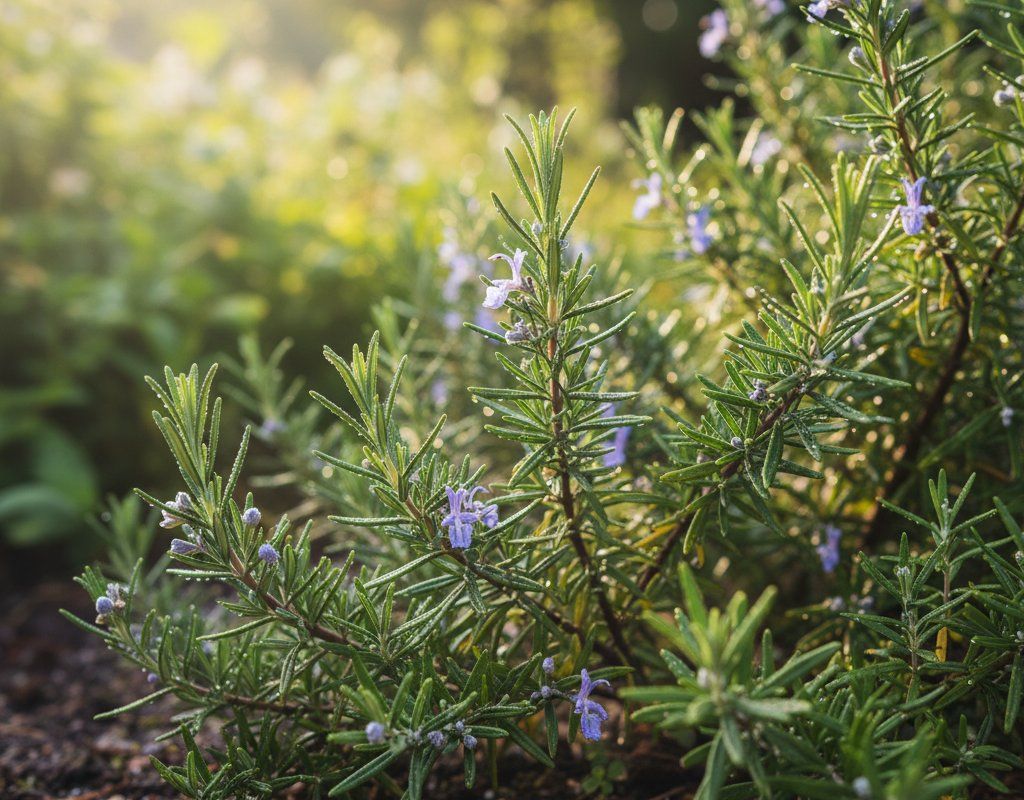
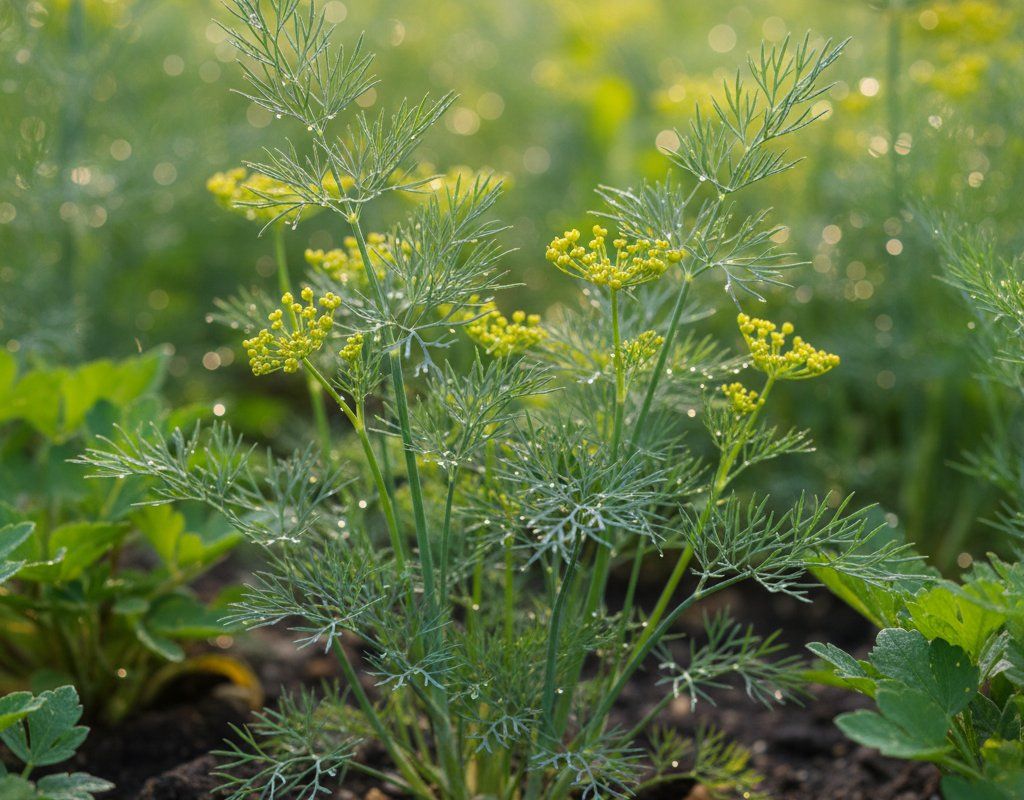
Tomatoes can work as companions if you're growing carrots during their overlap period in early spring, and rosemary planted at the garden edges helps repel various pests with its aromatic oils. Avoid planting carrots near dill, which can attract the same pests and actually reduce carrot flavor, or near parsnips, which compete for the same soil nutrients and growing space while attracting similar pest problems.
🌸Best Flowers to Plant with Carrot
These flowers protect your Carrot from pests and attract pollinators for better harvests.


Get a Reminder When It's Time to Plant
We'll email you when key planting windows open for your zone.