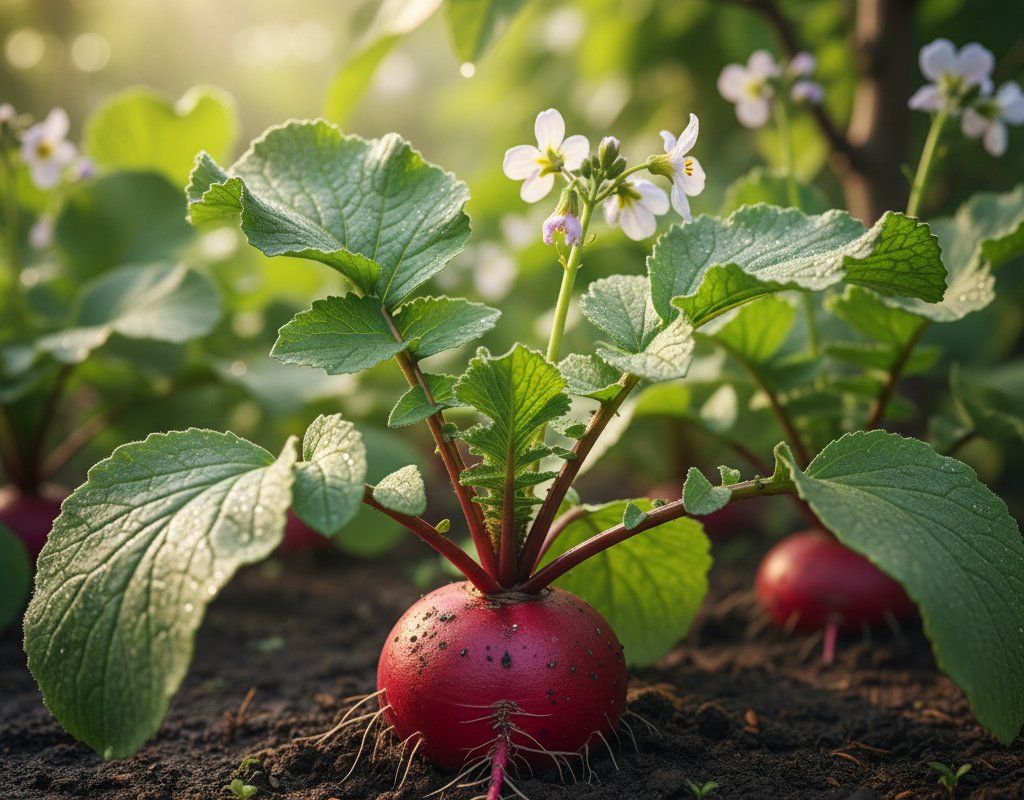
Radish in Zone 9B — Florida
Raphanus sativus · Your Complete 2026 Planting Guide
Harvest Time!
Your Radish should be producing now!
Harvest Tips
Check size by brushing soil away from crown. Pull when ready.
How to Plant Radish in Zone 9B — Florida
Here are all your options for getting radish in the ground, from the easiest method to more advanced approaches.
Direct Sow Seeds
RecommendedLate December through late November
around December 23
Consider succession planting every 2-3 weeks for continuous harvest.
Fast-growing and easy. No reason to start indoors.
Buy Starts
Works WellLate December through early February
around December 23
Plant purchased starts after last frost (January 20).
Start Seeds Indoors
ChallengingThis plant is typically not started indoors.
Transplant Outdoors
Timing InfoLate December through early February
around December 23
Can tolerate light frost, but wait for soil to be workable.
You have a nice window — no need to rush.
Fall Planting
Early November through early December
November 18 ideal · Direct sow for fall harvest
Plant a second crop in mid-summer for fall harvest. Radish actually prefers the cooling temperatures of fall.
Overview
Radishes are perfect for Florida's backwards gardening calendar, giving you crisp, peppery satisfaction while most of the country is bundled up indoors. These quick-growing roots thrive in our mild winter months when cool-season crops finally get their moment to shine. You'll harvest fresh radishes just 25 days after planting, making them ideal for filling gaps between your main crops or getting kids excited about gardening with almost instant results.
Florida's extreme humidity and scorching summers might challenge many crops, but radishes actually benefit from our unique timing. Plant them during our comfortable winter months and you'll avoid the stress that makes radishes woody and overly spicy. With 344 growing days in our zone, you can succession plant radishes throughout the cool season for continuous harvests from winter through early spring.
Transplanting Outdoors
While radishes can be transplanted, it's rarely worth the effort since they mature so quickly from seed. If you do choose to transplant, start seeds indoors during early December and move them outside from late December through early February when they're about 2 weeks old.
Harden off transplants gradually over a week, starting with morning shade and building up to full Florida sun exposure. Space them 2-4 inches apart in rows, giving them room to develop those round or elongated roots without crowding.
Watch for those occasional warm spells we get in January and February that can stress young transplants. A simple shade cloth during the hottest part of the day will help them establish without bolting prematurely in our unpredictable winter weather.
Direct Sowing
Direct sowing is absolutely the way to go with radishes in Florida - it's faster, easier, and gives better results than transplanting. Sow seeds from late December through late November, taking advantage of our long cool season when soil temperatures hover in that perfect 45-65°F range.
Prepare your sandy Florida soil by working in some compost to help retain moisture, since radishes need consistent water to develop properly. Plant seeds ¼ to ½ inch deep, spacing them 2-4 inches apart in rows. The seeds are large enough to handle easily, making this a great crop for beginning gardeners.
Your radishes will germinate within a week in our mild winter conditions. The beauty of this fast crop is that you can succession plant every 2-3 weeks from late December through March, ensuring a steady supply of fresh radishes throughout the cool season when they actually taste their best.
Watering Radish in Zone 9B (Florida)
Radishes need consistent, moderate moisture throughout their short 25-day growing cycle, but Florida's climate patterns make this trickier than it sounds. During our dry winter months when you're growing radishes, rainfall drops significantly compared to our soggy summers, so you'll need to supplement with regular watering.
Check soil moisture by sticking your finger 2 inches down - the soil should feel like a wrung-out sponge. In our sandy soils, this usually means watering every 2-3 days during dry spells, providing about 1 inch of water per week. Water at the base of plants rather than overhead to avoid encouraging fungal issues in our naturally humid environment.
Drought stress is radish enemy number one, causing roots to become pithy, woody, and mouth-searingly hot. On the flip side, overwatering in our clay-amended sandy soils can cause roots to split or rot. You'll know you're overdoing it if leaves turn yellow or roots develop dark, soft spots.
A thin layer of organic mulch helps maintain that even moisture radishes crave while keeping soil temperatures stable during our occasional winter warm snaps. Since these are such a quick crop, consistency is everything - even a few days of stress can ruin the entire harvest.
🧪Fertilizing Radish
Feeding Schedule
Organic Fertilizer Options
Harvest Time
Your first radishes will be ready for harvest from mid to early January, just 25 days after sowing those December seeds. Watch for the telltale sign that they're ready: the shoulders of the radish will push up above the soil surface, giving you a sneak peek of their size and color.
Pull radishes when they reach about 1 inch in diameter for the classic round varieties, or when finger-thick for longer types like daikon. Grab the tops close to the root and pull straight up with a gentle rocking motion. The roots should come up easily in our loose, sandy Florida soil - if you're fighting them, they're probably not quite ready.
Don't leave mature radishes in the ground too long, especially as our weather starts warming up in March and April. Florida's temperature swings can quickly turn a perfect radish woody and inedible. Harvest the entire crop once they're ready rather than trying to stretch the season.
As our last frost date approaches in late December, any radishes still in the ground will likely be fine since they're quite cold-hardy. However, once February arrives and temperatures start climbing, prioritize harvesting before the heat triggers bolting and ruins the roots' texture and flavor.
Common Problems in Zone 9B (Florida)
Flea Beetles These tiny dark beetles create distinctive round holes that look like someone took a shotgun to your radish leaves. You'll see them jump away when you disturb the plants, and the damage is worst on young seedlings when leaves are tender. In Florida's humid conditions, these pests can multiply quickly and devastate a crop within days.
The beetles thrive in warm, humid weather - exactly what we get during those unexpected February warm spells. Row covers are your best defense during the vulnerable seedling stage, though you'll need to remove them once plants are established. Kaolin clay spray provides a physical barrier, while healthy plants grown in good soil usually outgrow the damage once they're past the seedling stage.
Root Maggots Small white maggots tunnel into developing radish roots, leaving brown scarred channels and making them inedible. You'll often find multiple maggots inside a single root, and affected plants may wilt or grow poorly even if the tops look healthy.
These pests are attracted to fresh organic matter and thrive in our moist winter soils. The flies lay eggs near the base of plants, and larvae hatch to feed on roots. Avoid fresh manure in radish beds, and consider using row covers during peak fly activity periods. Crop rotation helps break the cycle, and beneficial nematodes can reduce larvae populations in the soil.
Pithy Roots Radishes develop a dry, spongy interior instead of crisp, juicy flesh, making them unpalatable despite looking normal from the outside. This happens when roots grow too slowly or experience stress during development.
In Florida, this usually results from inconsistent watering during our dry winter months or letting radishes grow too long as temperatures warm up. Our sandy soils dry out quickly between waterings, creating the exact conditions that cause pithiness. Maintain consistent soil moisture and harvest promptly at maturity - don't try to grow giant radishes in our climate.
Florida Specific Challenges Our extreme humidity creates perfect conditions for fungal diseases on radish foliage, especially during warm winter days when humidity stays high. The combination of sandy soil that drains quickly but holds little moisture means you're constantly balancing between drought stress and overwatering, both of which ruin radish quality.
Best Companions for Radish
Plant these nearby for healthier Radish and better harvests.


Keep Away From
Companion Planting Details
Radishes make excellent companions for carrots in Florida winter gardens since they germinate quickly and break up soil for the slower carrot seeds, plus they'll be harvested long before carrots need the space. Plant them with lettuce and other salad greens to create a diverse cool-season bed that maximizes your winter growing space. Peas also pair well since both crops prefer the same cool conditions and radishes will be finished before peas start climbing.
Avoid planting radishes near hyssop, which can inhibit their growth and affect flavor. The strong aromatic oils that make hyssop useful as a pest deterrent can actually slow radish development in our intense growing conditions. Keep cucumbers as companions only during the very early season since they'll quickly outgrow and shade your radishes once Florida's heat kicks in during late spring.
🌸Best Flowers to Plant with Radish
These flowers protect your Radish from pests and attract pollinators for better harvests.



Get a Reminder When It's Time to Plant
We'll email you when key planting windows open for your zone.