
Spinach in Zone 10A — Florida
Spinacia oleracea · Your Complete 2026 Planting Guide
Harvest Time!
Your Spinach should be producing now!
Harvest Tips
Harvest outer leaves for cut-and-come-again, or cut whole head.
How to Plant Spinach in Zone 10A — Florida
Here are all your options for getting spinach in the ground, from the easiest method to more advanced approaches.
Direct Sow Seeds
RecommendedLate to early November
around November 29
Consider succession planting every 2-3 weeks for continuous harvest.
Spinach loves cold soil. Direct sow as soon as ground can be worked.
Start Seeds Indoors
RecommendedEarly to late November
around November 15
Then transplant: Mid December through late January
Start seeds 4-6 weeks before transplanting outdoors.
Buy Starts
Works WellMid December through late January
around December 13
Plant purchased starts after last frost (January 10).
Transplant Outdoors
Timing InfoMid December through late January
around December 13
Can tolerate light frost, but wait for soil to be workable.
You have a nice window — no need to rush.
Fall Planting
Early November through early December
November 19 ideal · Direct sow for fall harvest
Plant a second crop in mid-summer for fall harvest. Spinach actually prefers the cooling temperatures of fall.
Overview
Spinach thrives in Florida's reversed growing season, making it a perfect winter crop when the scorching summer heat finally breaks. While grocery store spinach often lacks flavor and wilts quickly in our humid climate, homegrown varieties like 'Space' and 'Bloomsdale' deliver crisp, nutrient-dense leaves that hold up beautifully in our subtropical conditions. You'll harvest fresh spinach for salads, smoothies, and sautés right through our mild winter months.
Florida's extreme humidity and summer heat make spinach impossible during the warm months, but our 355-day growing season means you can enjoy fresh spinach from late fall through early spring. The key is working with our climate rather than against it—plant when temperatures drop and you'll have success with this cool-season favorite.
Starting Seeds Indoors
Starting spinach seeds indoors isn't the typical approach here in Florida, but it can work well if you want precise timing or live in an area with particularly challenging soil conditions. Sow seeds in seed trays from early to late November, about four weeks before you plan to transplant outdoors.
Set up your seed trays in a cool, bright spot since spinach actually prefers cooler temperatures for germination—around 50-70°F is ideal. Use bottom watering to prevent fungal issues that our high humidity can encourage. This method works especially well if you're dealing with nematode problems in your garden beds and want to give seedlings a strong start before facing soil challenges.
Transplanting Outdoors
Transplant your spinach seedlings outdoors from mid-December through late January, when nighttime temperatures consistently stay below 70°F. Before transplanting, harden off seedlings gradually over a week by exposing them to outdoor conditions for increasingly longer periods each day.
Space transplants 4-6 inches apart to allow good air circulation, which is crucial in our humid climate for preventing fungal diseases. Plant them slightly deeper than they were in their containers to encourage strong root development in our sandy soils. The cooler winter weather during this window gives transplants time to establish before any unexpected warm spells hit.
Direct Sowing
Direct sowing works well for spinach in Florida since this crop actually prefers cool soil temperatures. Sow seeds from late October through early November, as soon as nighttime temperatures drop consistently below 70°F and soil begins to cool.
Prepare your beds with compost or organic matter to help sandy soils retain moisture, then sow seeds ¼ inch deep and 4-6 inches apart. Spinach loves cool soil and will germinate better in the cooler temperatures of late fall rather than trying to establish in warmer conditions. The main advantage of direct sowing is avoiding transplant shock, though you'll need to be patient with germination as seeds wait for optimal conditions.
Watering Spinach in Zone 10A (Florida)
Spinach needs consistent, even moisture but never waterlogged conditions—a tricky balance in Florida's wet-dry climate cycles. During our cooler growing season, aim for about 1-1.5 inches of water per week, checking soil moisture with the finger test by inserting your finger 2 inches deep into the soil.
Water at the base of plants rather than overhead to prevent fungal diseases that thrive in our high humidity. Morning watering is essential here—it allows plants to dry before the humid night air sets in, reducing disease pressure. Even with our 50-65 inches of annual rainfall, winter can bring dry spells that stress spinach quickly.
Watch for signs of stress: wilting during the cooler parts of the day indicates underwatering, while yellowing lower leaves often signals overwatering or poor drainage. In our sandy soils, water drains quickly, so you may need more frequent, lighter waterings rather than deep soakings.
Apply a 2-3 inch layer of organic mulch around plants to help retain moisture and keep roots cool during any unexpected warm spells that can hit our region through winter.
🧪Fertilizing Spinach
Feeding Schedule
Organic Fertilizer Options
Harvest Time
Your first spinach harvest typically arrives in early January, about 40 days after planting in our Florida timeline. Look for outer leaves that reach 3-4 inches long with a deep green color and crisp texture—these are perfect for picking.
Harvest by cutting outer leaves at the base with clean scissors or garden shears, leaving the center growing point intact for continued production. You can also cut the entire rosette about 1 inch above soil level, and the plant will often regrow for a second harvest in our mild winter conditions.
Keep harvesting regularly to encourage new growth and prevent bolting, which can happen quickly if we get an unexpected warm spell. In Florida, you'll typically get 6-8 weeks of good harvest before plants begin to decline as temperatures warm in late February or early March.
Plan your final harvests before our last frost period around late December, though established spinach can often handle light frosts. As spring temperatures begin climbing consistently above 75°F, plants will bolt quickly, so harvest any remaining leaves immediately.
Common Problems in Zone 10A (Florida)
Bolting Spinach suddenly sends up a tall flower stalk with small flowers, and leaves become bitter and tough. The plant shifts all energy from producing tender leaves to making seeds, ending your harvest season abruptly.
Hot weather and long days trigger bolting, which can happen quickly during Florida's unpredictable winter warm spells. Even a few days of 80°F+ temperatures can cause established plants to bolt. Combat this by planting at the right time (late fall), providing afternoon shade during warm spells, and choosing bolt-resistant varieties like 'Space' or 'Tyee'. Keep soil consistently moist since drought stress accelerates bolting.
Downy Mildew Yellow patches appear on leaf tops with fuzzy gray-purple growth on the undersides. Leaves brown and die from the bottom up, often starting with older outer leaves.
This fungal disease thrives in Florida's high humidity combined with cool morning temperatures—perfect conditions during our winter growing season. The pathogen spreads through wind-carried spores and loves moisture on leaf surfaces. Remove affected leaves immediately and bag them (don't compost). Improve air circulation with proper spacing, water only at the base of plants, and apply copper-based fungicide preventatively during humid periods.
Leaf Miners Thin, winding white or brown trails appear inside leaves, created by tiny larvae tunneling between leaf surfaces. Leaves may appear stippled or have small holes where adult flies have fed.
These small flies lay eggs on leaf undersides, and larvae tunnel through leaf tissue, making leaves unmarketable even though they're still edible. Florida's year-round warm temperatures allow multiple generations. Use floating row covers during peak fly activity, remove affected leaves immediately, and encourage beneficial insects with diverse plantings. Yellow sticky traps can help monitor and reduce adult populations.
Florida Specific Challenges Our combination of high humidity and sandy soils creates unique challenges for spinach. The humidity encourages fungal diseases while sandy soils drain quickly, creating uneven moisture that stresses plants. Additionally, our unpredictable winter weather can bring sudden warm spells that trigger bolting, making timing and variety selection critical for success.
Best Companions for Spinach
Plant these nearby for healthier Spinach and better harvests.

Keep Away From
Companion Planting Details
Spinach pairs beautifully with strawberries in Florida winter gardens—the strawberry plants provide light shade that helps prevent bolting during warm spells, while spinach acts as a living mulch that conserves moisture in our sandy soils. Peas and beans make excellent companions since they fix nitrogen that spinach readily uses, and their similar cool-season timing works perfectly with our Florida growing calendar.
Brassicas like lettuce, kale, and cabbage share spinach's preference for cool weather and similar watering needs, making bed management easier during our winter growing season. These plants also face the same pest pressures, so you can apply organic controls like row covers or beneficial insect habitat across the entire bed. There are no significant bad companions for spinach, making it an easy addition to most winter vegetable gardens in our region.
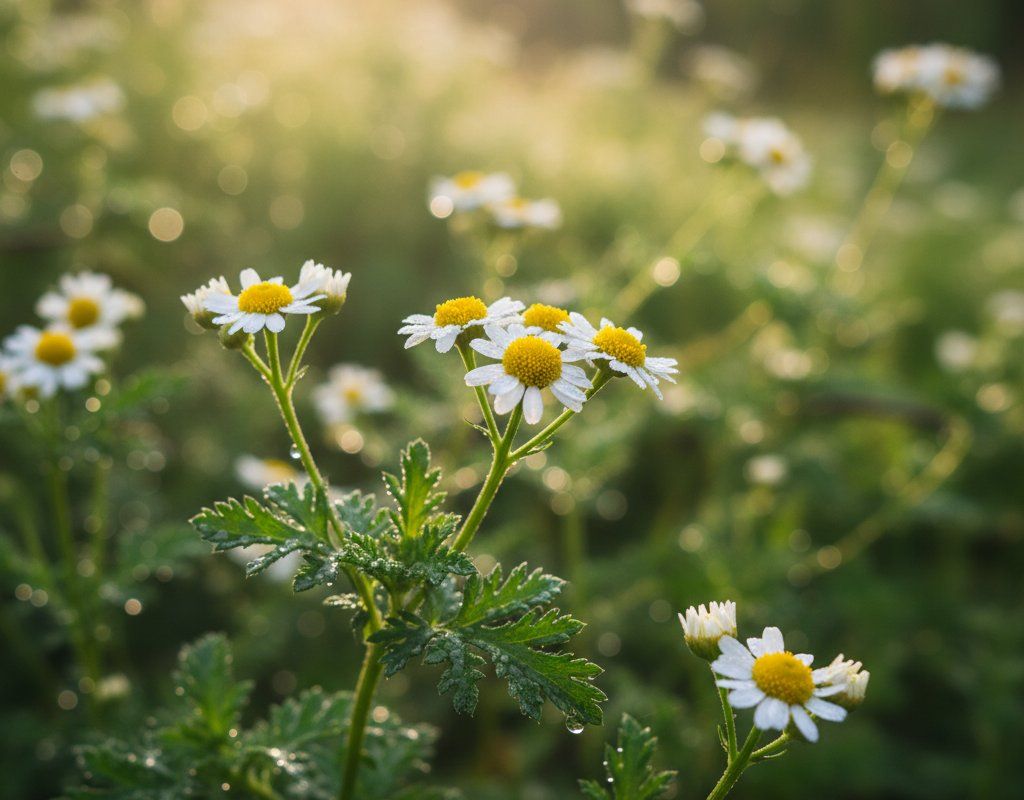
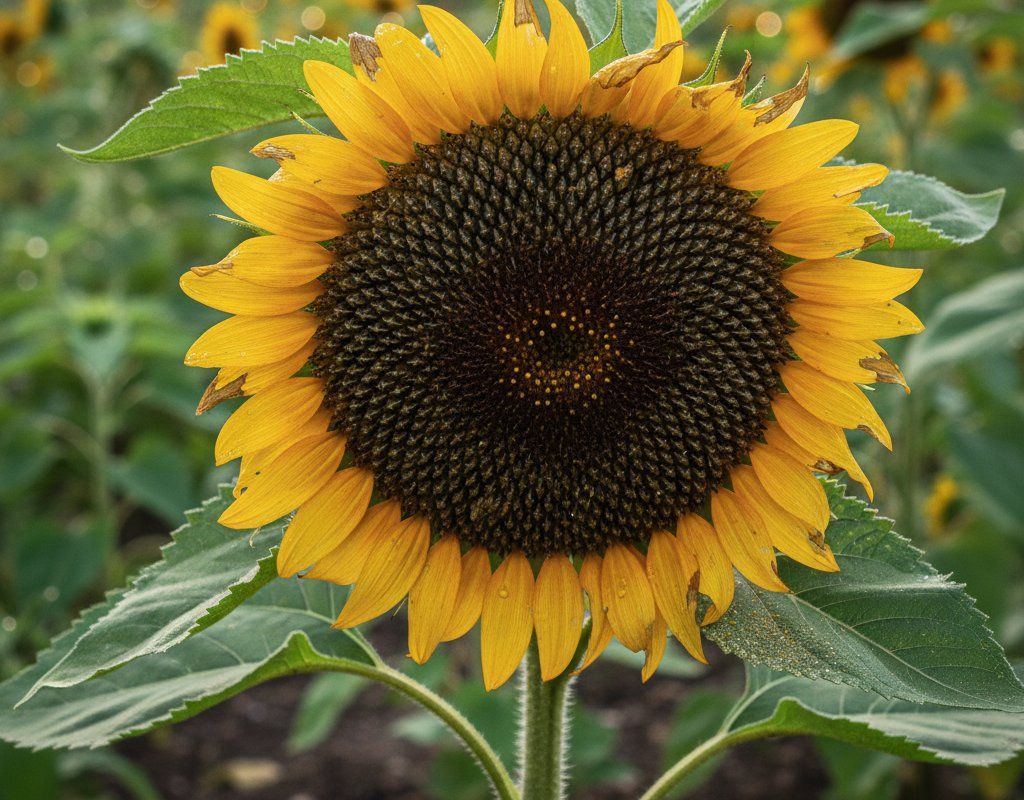
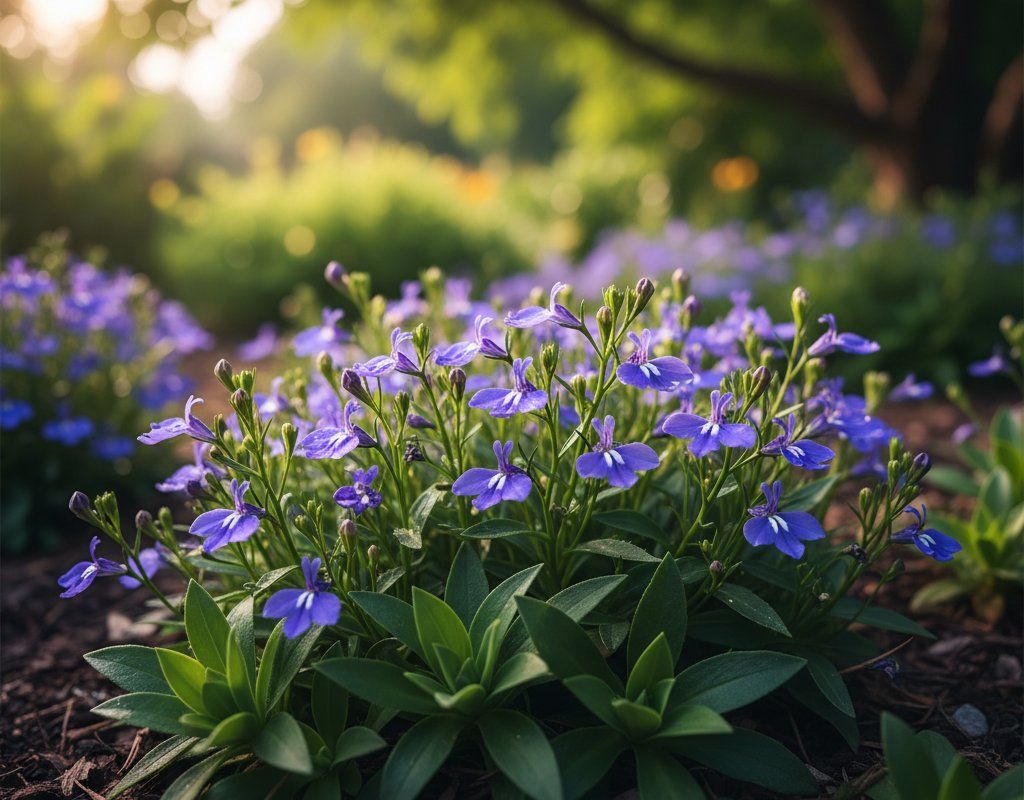
🌸Best Flowers to Plant with Spinach
These flowers protect your Spinach from pests and attract pollinators for better harvests.
For Pest Control


Get a Reminder When It's Time to Plant
We'll email you when key planting windows open for your zone.