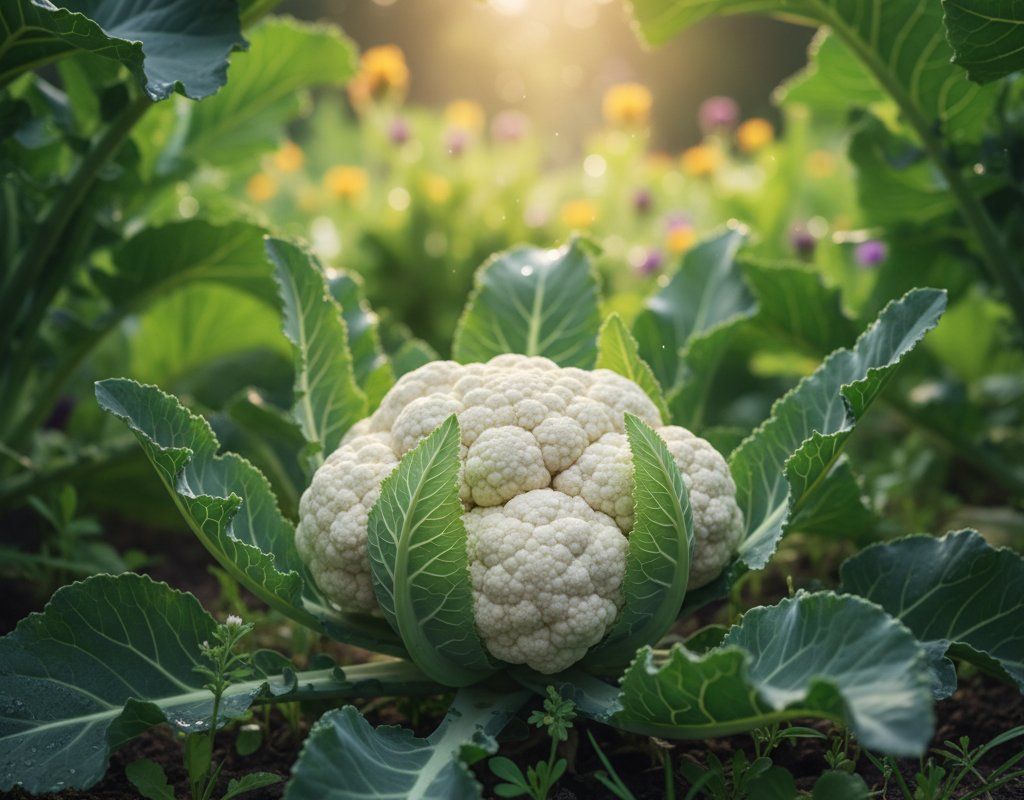
Cauliflower in Zone 5A — Great Plains
Brassica oleracea var. botrytis · Your Complete 2026 Planting Guide
Last Call for Seed Starting!
Indoor seed starting window closes in 10 days.
Start Seeds This Week
Start seeds now for transplanting later.
Or Wait for Starts
If you don’t want to start seeds, starts will be available around April 11.
How to Plant Cauliflower in Zone 5A — Great Plains
Here are all your options for getting cauliflower in the ground, from the easiest method to more advanced approaches.
Start Seeds Indoors
RecommendedLate February through mid March
around February 28
Then transplant: Mid April through early May
Start seeds 6-8 weeks before transplanting outdoors.
Cauliflower is fussy. Starting indoors gives you more control.
Buy Starts
Works WellMid April through early May
around April 11
Plant purchased starts after last frost (April 25).
Direct Sow Seeds
ChallengingDirect sowing is not typical for Cauliflower.
Transplant Outdoors
Timing InfoMid April through early May
around April 11
Can tolerate light frost, but wait for soil to be workable.
You have a nice window — no need to rush.
Fall Planting
Late July through late August
August 8 ideal · Transplant for fall harvest
Plant a second crop in mid-summer for fall harvest. Cauliflower actually prefers the cooling temperatures of fall.
Overview
Cauliflower might seem challenging for Plains gardeners, but those pristine white heads are absolutely worth the effort in our Zone 5A climate. Our intense sunshine and fertile prairie soil create excellent growing conditions once you understand this crop's needs. The mild summer nights help prevent the heat stress that plagues gardeners in hotter regions, and our low disease pressure means fewer fungal problems than more humid areas face.
Yes, cauliflower is particular about timing and water, but that's manageable with our 168-day growing season. The key is getting plants established before our summer heat peaks and protecting them from our notorious wind. Start indoors to sidestep the variable spring weather, and you'll be harvesting those satisfying, dense heads while your neighbors are still buying expensive grocery store versions.
Starting Seeds Indoors
Starting cauliflower indoors is your best bet in the Great Plains, where our variable spring weather can stress young plants into forming tiny, unusable heads. Begin seeding from late February through mid-March, about six weeks before you plan to transplant outdoors. This timing lets you control growing conditions during the critical early weeks.
Set up your seed trays in a warm spot (65-70°F) with good light—a south-facing window works, but grow lights give more consistent results. Plant seeds about ¼ inch deep in quality seed-starting mix. Keep the soil consistently moist using bottom watering; this prevents damping-off disease that can wipe out entire trays.
Cauliflower seedlings are notoriously fussy about temperature swings and dry spells. Our unpredictable Plains spring makes indoor starting even more valuable—you can protect young plants from those sudden cold snaps and late freezes that would otherwise set them back weeks or cause them to bolt prematurely.
Transplanting Outdoors
Plan to move your cauliflower seedlings outdoors from mid-April through early May, after the last hard freeze risk passes but while nights are still cool. These plants actually prefer the cooler weather for establishing strong root systems before summer heat arrives. Time it right, and they'll cruise through our mild spring temperatures.
Harden off seedlings gradually over a full week—start with just an hour or two outside in a protected spot, building up to full days. This is crucial in our windy conditions where sudden exposure can shock tender plants. Choose a calm day for the final transplant if possible.
Space plants 18-24 inches apart in your richest soil with some wind protection. Our prairie winds can stress young transplants, so consider temporary windbreaks or plant near taller crops that can provide shelter. Water thoroughly after planting and keep the soil consistently moist as they establish—stressed transplants often form those disappointing "button" heads later.
Watering Cauliflower in Zone 5A (Great Plains)
Cauliflower demands consistent moisture throughout its growing season, and our variable Plains rainfall means you'll need to supplement regularly. These plants are extremely sensitive to drought stress—even short dry spells can trigger buttoning, where plants form tiny, premature heads instead of the full-sized ones you're after. In our hot, dry summer climate, this becomes your biggest challenge.
Check soil moisture daily by pushing your finger 2 inches deep near the plants. The soil should feel consistently moist but not soggy. During our typical summer heat (reaching into the 90s), cauliflower needs about 1-1.5 inches of water per week. Water deeply at the base of plants rather than overhead—our low to moderate humidity means leaves dry quickly, but consistent soil moisture is what matters.
Watch for early stress signs: leaves turning blue-green or developing a waxy look usually means the plant needs more water. Conversely, yellowing lower leaves often indicate overwatering in our heavy prairie soils. If natural rainfall is sporadic (which it often is here), set up a consistent watering schedule rather than waiting for plants to show stress.
Apply a 2-3 inch layer of organic mulch around plants to retain soil moisture and moderate soil temperature swings. In our windy conditions, use heavier mulches like grass clippings or shredded leaves that won't blow away. This helps maintain the steady moisture cauliflower craves while reducing your watering workload during our intense summer heat.
🧪Fertilizing Cauliflower
Feeding Schedule
Organic Fertilizer Options
Harvest Time
Your first cauliflower heads should be ready from mid-June through early August, about 70 days after transplanting. Look for firm, white heads that measure 6-8 inches across with tight, compact curds. The heads develop quickly once they start forming, so check plants every few days during peak season.
Cut heads with a sharp knife in the morning when plants are fully hydrated, taking about 6 inches of stem with the head. Make your cut cleanly through the main stem below the head but above the lower leaves. Unlike some crops, cauliflower won't produce additional heads after harvest—each plant gives you one main harvest.
Don't wait too long to harvest—once curds begin separating or the head starts turning yellow or purple, quality drops rapidly. In our intense Plains sunshine, heads can deteriorate quickly once past prime. If you notice heads starting to "rice" (curds separating), harvest immediately even if they're slightly smaller than ideal.
As early October approaches and first frost threatens, harvest any remaining heads regardless of size. Cauliflower won't survive our typical fall freezes, and unlike some vegetables, it doesn't improve in cold storage after frost damage. Plan your plantings so heads mature well before our average first frost date.
Common Problems in Zone 5A (Great Plains)
Buttoning (Small, Premature Heads) Small heads forming when plants are still young and leafy indicate stress-induced buttoning. You'll see marble-sized to golf ball-sized white heads appearing on plants that should be growing larger leaf systems first.
This happens when plants experience stress during their early growth—transplant shock, inconsistent watering, or temperature extremes all trigger this response. In our Plains climate, the biggest culprits are drought stress from our variable rainfall and temperature swings during our unpredictable spring weather.
Prevent buttoning by maintaining consistent soil moisture and using windbreaks for young transplants. Start with healthy, unstressed seedlings and time transplanting to avoid the worst spring temperature swings. Once buttoning occurs, there's no fix—harvest the small heads and start over with better timing.
Cabbage Worms Look for irregular holes chewed in leaves, dark green droppings on foliage, and smooth green caterpillars hiding under leaves. You might also notice small white butterflies fluttering around your plants during the day—these are the adults laying eggs.
These are larvae of white cabbage butterflies that can have multiple generations per season. Our warm summers provide ideal conditions for rapid reproduction, and the caterpillars can strip leaves quickly if left unchecked.
Bt spray (Bacillus thuringiensis) works extremely well against cabbage worms and is safe for beneficial insects. Apply in late afternoon to avoid our intense midday sun, which can break down the bacteria. Floating row covers prevent egg-laying but must be removed if you're growing other brassicas nearby that might cross-pollinate.
Heat Stress Plants develop a blue-green or purplish cast to their leaves, growth slows dramatically, and heads may form prematurely or have loose, ricey curds. Leaves might also develop a waxy appearance during extreme heat.
Our summer temperatures regularly hitting the low 90s can stress cauliflower, especially when combined with inconsistent watering or full afternoon sun exposure. Unlike heat-loving crops, cauliflower struggles once temperatures consistently exceed 85°F.
Provide afternoon shade during peak summer heat using shade cloth or taller companion plants. Maintain consistent soil moisture and consider planting in locations that get morning sun but some protection from the harshest afternoon heat. For fall crops, time plantings so heads mature during cooler September weather rather than August heat.
Great Plains Specific Challenges: Our combination of hot summer days, variable rainfall, and persistent winds creates unique stresses for cauliflower. The low to moderate humidity helps prevent many fungal diseases but intensifies drought stress. Success here means paying extra attention to consistent watering and wind protection while timing plantings to avoid the worst summer heat.
Best Companions for Cauliflower
Plant these nearby for healthier Cauliflower and better harvests.


Keep Away From
Companion Planting Details
Plant cauliflower alongside beets and onions for a practical Plains combination. Beets have similar water needs and their deep taproots help break up our sometimes compacted prairie soil without competing for surface nutrients. Onions provide natural pest deterrence—their strong scent helps mask the cruciferous odors that attract cabbage butterflies, plus they take up minimal space between your widely-spaced cauliflower plants.
Celery and spinach work well as companions since they appreciate the consistent moisture cauliflower requires and can provide some wind protection when planted on the windward side. Avoid planting near tomatoes, peppers, or strawberries—these crops have different water and nutrient needs that conflict with cauliflower's requirements. In our variable climate, grouping plants with similar needs makes irrigation management much simpler and more effective.
🌸Best Flowers to Plant with Cauliflower
These flowers protect your Cauliflower from pests and attract pollinators for better harvests.




Get a Reminder When It's Time to Plant
We'll email you when key planting windows open for your zone.