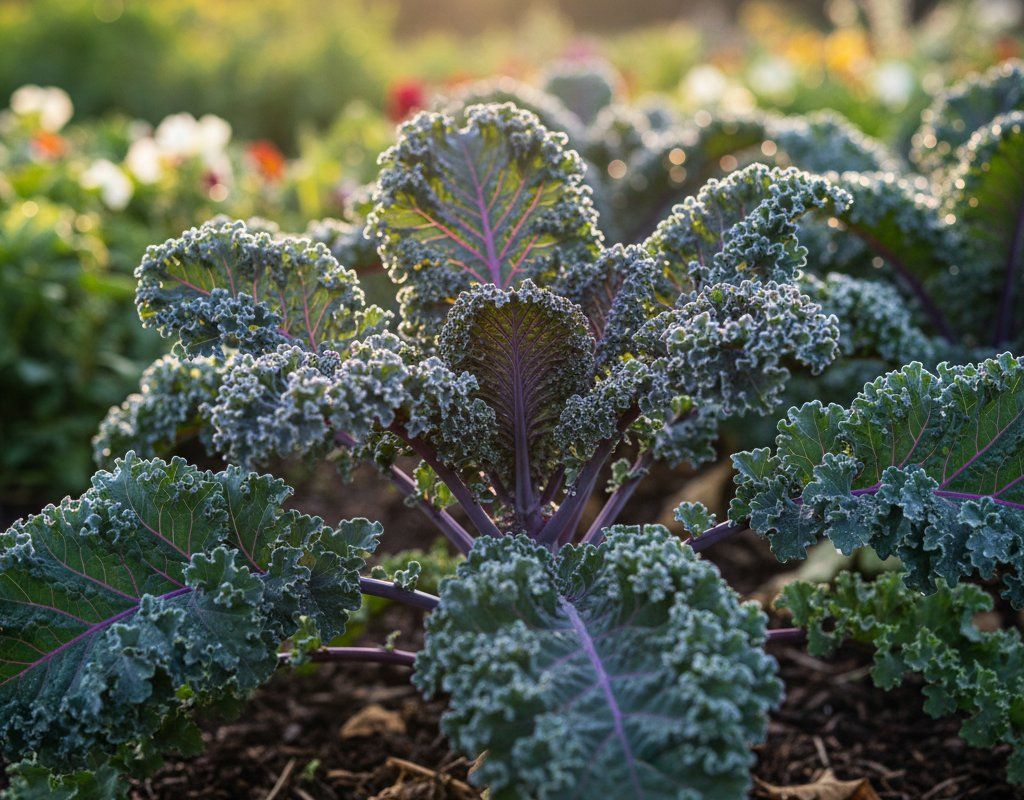
Kale in Zone 5A — Great Plains
Brassica oleracea var. sabellica · Your Complete 2026 Planting Guide
Planning Ahead — Great!
You’re ahead of the season. Here’s when to start.
Mark Your Calendar
How to Plant Kale in Zone 5A — Great Plains
Here are all your options for getting kale in the ground, from the easiest method to more advanced approaches.
Direct Sow Seeds
RecommendedLate March through early August
around March 28
Consider succession planting every 2-3 weeks for continuous harvest.
Hardy and easy to direct sow in spring or late summer for fall harvest.
Start Seeds Indoors
RecommendedEarly to late March
around March 14
Then transplant: Mid April through early May
Start seeds 4-6 weeks before transplanting outdoors.
Buy Starts
Works WellMid April through early May
around April 11
Plant purchased starts after last frost (April 25).
Transplant Outdoors
Timing InfoMid April through early May
around April 11
Can tolerate light frost, but wait for soil to be workable.
You have a nice window — no need to rush.
Fall Planting
Late July through late August
August 8 ideal · Direct sow for fall harvest
Plant a second crop in mid-summer for fall harvest. Kale actually prefers the cooling temperatures of fall.
Overview
Kale thrives in our Great Plains climate, delivering massive harvests of nutrient-dense greens that actually taste better after our early fall frosts. The intense sunshine here produces thick, flavorful leaves, while our low disease pressure means fewer pest problems compared to humid regions. You'll get steady harvests from late spring through hard frost, making it one of the most productive crops for our 168-day growing season.
Our extreme temperature swings and variable precipitation can challenge many crops, but kale's cold hardiness works perfectly with our climate patterns. The key is timing your plantings to avoid the worst summer heat while maximizing our excellent spring and fall growing windows. With proper scheduling, you'll have fresh kale from your first spring harvest through October's first hard freeze.
Starting Seeds Indoors
Starting kale indoors makes sense if you want earlier spring harvests or need to time plantings around our unpredictable spring weather. Sow seeds in seed trays from early to late March, about 4 weeks before you plan to transplant outdoors. The seeds germinate quickly in warm conditions—aim for 65-75°F soil temperature.
Use bottom watering to keep seedlings healthy without encouraging damping-off disease. Place seed trays on heating mats if your house runs cool, and provide bright light once seedlings emerge. Our variable spring weather makes indoor starting worthwhile for getting a head start, especially since you can control timing regardless of late cold snaps.
The main advantage here is flexibility—you can have sturdy transplants ready whenever our spring weather finally settles, rather than waiting for soil conditions to be just right for direct seeding.
Transplanting Outdoors
Move your indoor-started kale seedlings outside from mid-April through early May, after hardening them off for about a week. Gradually expose them to outdoor conditions, starting with a few hours of morning sun and building up to full days outdoors. This prevents transplant shock from our intense Plains sunshine and temperature swings.
Space transplants 12-18 inches apart in well-prepared prairie soil. Our fertile ground gives kale excellent nutrition, but make sure drainage is good since spring can bring heavy rains followed by dry spells. Plant on overcast days when possible, or provide temporary shade cloth if transplanting during sunny, windy weather.
Watch for late cold snaps, though kale handles them well once established. The bigger concern is protecting young transplants from our constant wind until their root systems develop—consider temporary windbreaks or plant near taller companion crops.
Direct Sowing
Direct sowing works exceptionally well for kale in our region, especially for fall crops. Sow seeds from late March through early August, depending on whether you want spring or fall harvests. Spring sowings can go in as soon as soil is workable, while late summer sowings (late July through late August) produce the best-tasting fall kale.
Plant seeds ½ inch deep and space them 12-18 inches apart—our prairie soil warms quickly in spring sunshine, promoting fast germination. For fall plantings, the key is timing your sowing about 10 weeks before expected first frost (early October here). This gives plants time to mature before winter weather hits.
The main advantage of direct sowing is avoiding transplant shock entirely. Kale seeds are hardy enough to handle our spring temperature fluctuations, and fall-sown plants develop excellent cold tolerance as they mature during cooling weather.
Watering Kale in Zone 5A (Great Plains)
Kale needs consistent moisture throughout our hot, often dry summers—about 1-1.5 inches per week including rainfall. Our variable precipitation means you'll need to supplement regularly, especially during those stretches when we get intense heat with no rain for weeks. Check soil moisture by sticking your finger 2 inches deep; water when it feels dry at that depth.
Water at the base of plants rather than overhead to make the most of our low-to-moderate humidity and reduce disease risk. Deep, less frequent watering works better than light daily sprinklings, encouraging roots to grow down into our deep prairie soil where moisture stays more consistent. Early morning watering gives plants time to absorb moisture before the day's heat and wind hit.
Watch for drought stress signs: leaves turning blue-gray, becoming thick and tough, or developing a bitter taste. Once stressed, kale leaves never recover their tender texture. Conversely, overwatered plants in our clay-rich soils develop yellow leaves and weak stems—our intense summer heat combined with wet soil creates root problems quickly.
A 2-3 inch layer of organic mulch helps tremendously in our climate, conserving moisture during hot spells and preventing soil from baking hard during drought periods. Grass clippings or shredded leaves work well and break down to improve our already-fertile soil.
🧪Fertilizing Kale
Feeding Schedule
Organic Fertilizer Options
Harvest Time
Your first kale harvests typically begin in late May from spring plantings, continuing through mid-October until hard frost shuts down growth. Plants reach harvest size about 55 days from seeding, producing 8-10 inch outer leaves while the growing center stays active for continuous production.
Harvest outer leaves when they're 8-10 inches long and still tender—cut or snap them off at the base, leaving the central growing point intact. Take 3-4 leaves per plant each harvest, allowing smaller inner leaves to size up for next time. Regular harvesting encourages new growth and prevents leaves from becoming tough in our summer heat.
The sweetest kale comes after our first light frosts, typically in early October. These leaves lose any bitter edge and develop excellent flavor. Continue harvesting until hard freeze (usually mid-to-late October) finally stops new growth. Plants can often survive temperatures down to the low 20s, especially if gradually acclimated.
For fall harvests, your late summer sowings will be producing prime leaves just as hot weather breaks in September. These plants often provide the best eating of the season, growing vigorously in cooling temperatures with fewer pest pressures.
Common Problems in Zone 5A (Great Plains)
Aphids These tiny, soft-bodied insects cluster on leaf undersides and stems, appearing as green, black, or white specks. You'll notice sticky honeydew residue on leaves and curled or distorted new growth. Our hot summers can trigger population explosions, especially when plants are stressed from heat or irregular watering.
Aphids multiply rapidly in warm weather and are often tended by ant colonies that harvest their honeydew. Blast them off with strong water spray from your hose—this works well in our low humidity since leaves dry quickly. Encourage natural predators like ladybugs by planting diverse flowers nearby. For severe infestations, insecticidal soap or neem oil provides good control without harsh chemicals.
Cabbage Worms Look for smooth green caterpillars on your kale leaves, along with irregular holes chewed through foliage and dark green droppings scattered on leaves. You'll often see white butterflies fluttering around your plants—these are the adults laying eggs that become the problem caterpillars.
These pests can have multiple generations during our long, warm growing season. Bt (Bacillus thuringiensis) spray works excellently and targets only caterpillars, leaving beneficial insects unharmed. Floating row covers prevent the butterflies from laying eggs in the first place. Hand-picking works well for small infestations, and interplanting with aromatic herbs like thyme or sage helps deter them.
Flea Beetles Tiny round holes throughout leaves create a distinctive "shot-hole" pattern, typically worst on young seedlings. The culprits are small, dark beetles that jump like fleas when disturbed—you'll see them hopping around when you approach your plants. Young plants suffer the most damage and can be severely stunted.
These beetles thrive in our hot, dry conditions and are most damaging to small, vulnerable plants. Row covers during the seedling stage provide excellent protection, or delay planting until plants are larger and more resilient. Kaolin clay coating makes leaves less appetizing to beetles, while healthy, vigorous plants typically outgrow the damage as they mature.
Great Plains Specific Challenges Our combination of intense heat, strong winds, and variable moisture creates additional stress that makes plants more susceptible to all pest problems. Drought-stressed kale becomes particularly attractive to flea beetles, while plants struggling with heat stress are more prone to aphid infestations. Consistent watering and wind protection help maintain plant health and natural pest resistance.
Best Companions for Kale
Plant these nearby for healthier Kale and better harvests.

Keep Away From
Companion Planting Details
Plant kale alongside beets and onions for excellent companion benefits in our Plains conditions. Beets make perfect companions since they have similar water needs and help break up clay soil with their taproots, improving drainage for both crops. Onions repel many brassica pests naturally and use different soil nutrients, preventing competition while adding pest protection.
Celery and potatoes also work well with kale—celery benefits from kale's shade during our intense summer heat, while potatoes provide natural wind protection for kale plants. Avoid planting near tomatoes, peppers, or strawberries, which compete heavily for nutrients and water during our already-challenging summer heat. These companions also attract different pest problems that can overwhelm stressed plants in our extreme climate conditions.
🌸Best Flowers to Plant with Kale
These flowers protect your Kale from pests and attract pollinators for better harvests.




Get a Reminder When It's Time to Plant
We'll email you when key planting windows open for your zone.