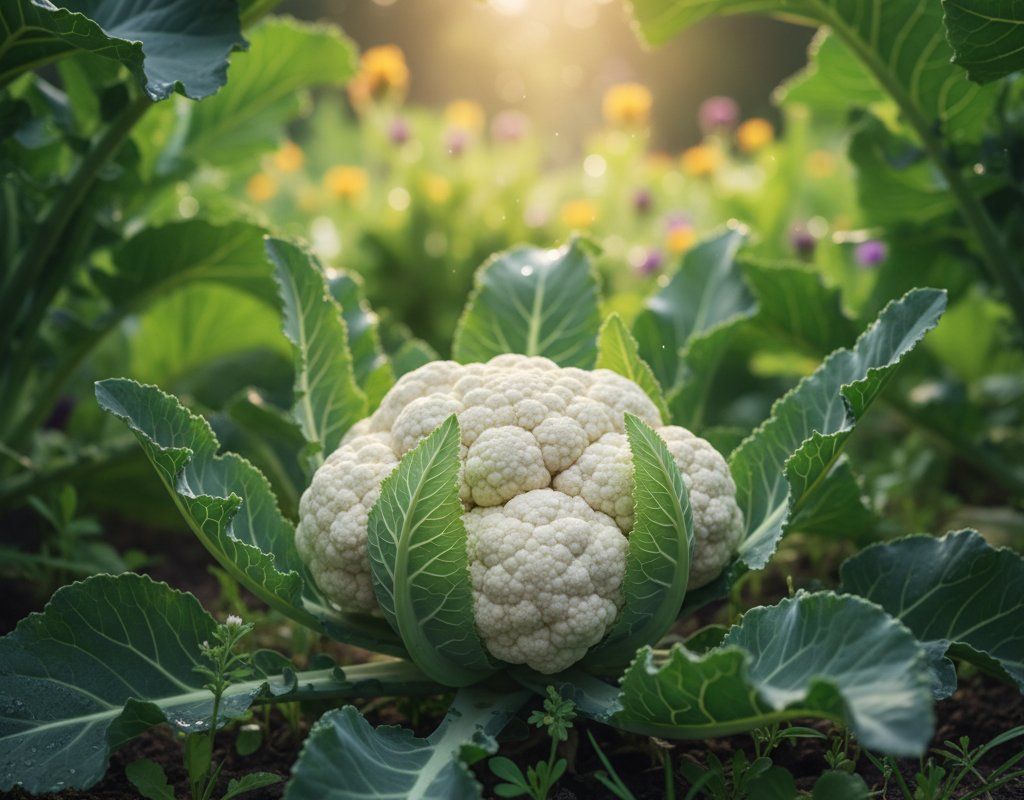
Cauliflower in Zone 6A — Pacific Northwest
Brassica oleracea var. botrytis · Your Complete 2026 Planting Guide
Planning Ahead — Great!
You’re ahead of the season. Here’s when to start.
Mark Your Calendar
How to Plant Cauliflower in Zone 6A — Pacific Northwest
Here are all your options for getting cauliflower in the ground, from the easiest method to more advanced approaches.
Start Seeds Indoors
RecommendedEarly to late March
around March 15
Then transplant: Late April through late May
Start seeds 6-8 weeks before transplanting outdoors.
Cauliflower is fussy. Starting indoors gives you more control.
Buy Starts
Works WellLate April through late May
around April 26
Plant purchased starts after last frost (May 10).
Direct Sow Seeds
ChallengingDirect sowing is not typical for Cauliflower.
Transplant Outdoors
Timing InfoLate April through late May
around April 26
Can tolerate light frost, but wait for soil to be workable.
You have a nice window — no need to rush.
Fall Planting
Mid July through mid August
August 3 ideal · Transplant for fall harvest
Plant a second crop in mid-summer for fall harvest. Cauliflower actually prefers the cooling temperatures of fall.
Overview
Cauliflower thrives in our Pacific Northwest climate, producing dense, sweet heads that put grocery store versions to shame. Our mild summers and cool nights create perfect conditions for this finicky brassica, while the long growing season gives you plenty of time to get the timing right. The flavor difference is remarkable – homegrown cauliflower has a nutty sweetness and crisp texture you simply can't buy.
While cauliflower has a reputation for being temperamental, our PNW climate actually works in your favor. The cool spring conditions can slow early growth, but your 148-day growing season provides ample opportunity for both spring and fall crops. With proper timing and consistent care, you'll harvest beautiful white heads that make the effort worthwhile.
Starting Seeds Indoors
Start your cauliflower seeds indoors from early to late March, about 6 weeks before you plan to transplant them outside. This timing gives seedlings a strong head start while our spring soil is still too cool and wet for direct sowing. Set up seed trays with quality potting mix and keep them at 65-70°F for best germination.
Use bottom watering to prevent damping-off disease – place trays in shallow pans of water rather than watering from above. Once seedlings emerge, provide bright light from a grow light or sunny window. Our overcast spring days often don't provide enough natural light indoors, so supplemental lighting helps produce stocky, strong transplants.
Cauliflower seedlings are particularly sensitive to temperature fluctuations and root disturbance, making indoor starting almost essential in our region. You'll have much better success controlling their environment indoors than trying to direct sow in our unpredictable spring weather.
Transplanting Outdoors
Transplant your cauliflower seedlings outdoors from late April through late May, after the soil has warmed and the worst of the wet spring weather has passed. Start hardening them off a full week before transplanting by gradually increasing their outdoor exposure each day. Begin with just an hour in a protected spot and work up to full days outside.
Space transplants 18-24 inches apart to allow for proper air circulation – this helps prevent fungal issues that can develop in our humid spring conditions. Choose a spot with morning sun and some afternoon protection, as cauliflower appreciates our mild temperatures but can struggle if temperatures spike unexpectedly.
Plant when soil temperature reaches at least 50°F and you're confident the wettest spring weather has passed. The transplants will establish slowly in cool conditions, but they'll develop stronger root systems than rushed plantings.
Watering Cauliflower in Zone 6A (Pacific Northwest)
Consistent moisture is absolutely critical for cauliflower success in our dry-summer climate. Unlike many vegetables that can handle some drought stress, cauliflower will "button" – forming tiny, premature heads – if it experiences any significant water stress. Keep the soil evenly moist but not waterlogged throughout the growing season.
During our dry summer months, provide about 1-1.5 inches of water per week through deep, infrequent watering sessions. Water at the base of plants rather than overhead to keep foliage dry and prevent fungal issues. Check soil moisture by inserting your finger 2 inches deep – if it's dry at that depth, it's time to water.
Watch for signs of water stress: wilting during the heat of the day (even our mild 82°F days), leaves turning blue-green, or stunted growth. Overwatering shows up as yellowing lower leaves and mushy stems. Our naturally dry summer air helps prevent many fungal problems, but consistent soil moisture is non-negotiable.
Apply a 2-3 inch layer of organic mulch around plants to help retain moisture during the dry months. Straw or shredded leaves work well and break down to improve soil structure for future plantings.
🧪Fertilizing Cauliflower
Feeding Schedule
Organic Fertilizer Options
Harvest Time
Your cauliflower heads will be ready for harvest from early July through late August, typically around 70 days from transplanting. Look for firm, compact white heads that are 6-8 inches across with tightly packed curds. The heads should feel dense and heavy when you lift them gently.
Harvest by cutting the main stem about 2 inches below the head with a sharp knife. Don't wait too long – once the curds start to separate or show any yellowing, the window has passed. Unlike some vegetables, cauliflower won't improve after cutting and doesn't continue producing additional heads.
Check your plants daily once heads begin forming, as they can go from perfect to overripe quickly, especially during warmer spells. Morning harvest is best when heads are crisp and full of moisture from cool overnight temperatures.
As our first frost approaches in early October, harvest any remaining heads regardless of size. Even smaller heads are perfectly edible and often more tender than full-sized ones.
Common Problems in Zone 6A (Pacific Northwest)
Buttoning Small, premature heads (1-3 inches) that form instead of full-sized cauliflower. The plant essentially gives up and tries to reproduce early, creating tiny, bitter heads that never develop properly.
This happens when plants experience stress during their early growth phase – inconsistent watering, temperature swings, or being transplanted too early into cold soil. Our cool spring conditions can trigger this if you rush the timing.
Prevent buttoning by maintaining consistent soil moisture, waiting for proper soil temperature before transplanting, and protecting young plants during unexpected cool snaps with row covers.
Cabbage Worms Smooth green caterpillars chewing irregular holes in leaves, often accompanied by dark green droppings on foliage. You'll notice white butterflies hovering around your brassica plants – these are laying eggs that hatch into hungry caterpillars.
Multiple generations occur throughout our growing season, with peak activity during warmer periods. The butterflies are attracted to all brassica family plants and can quickly defoliate young cauliflower.
Apply Bt (Bacillus thuringiensis) spray every 7-10 days when you spot the white butterflies. Row covers prevent egg-laying entirely but must be removed for harvest. Handpick larger caterpillars and encourage beneficial wasps with diverse flowering plants nearby.
Heat Stress While our mild summers rarely cause severe heat stress, unexpected warm spells can cause cauliflower leaves to wilt, heads to develop poorly, or plants to bolt prematurely. Even our typical 82°F highs can stress plants if they're not adequately watered.
Provide afternoon shade during heat waves and maintain consistent soil moisture. Mulching becomes especially important during warmer periods to keep root zones cool. Plant varieties bred for heat tolerance if you're consistently seeing stress symptoms.
Pacific Northwest Specific Challenges: Our dry summer conditions actually help prevent many fungal diseases that plague cauliflower in humid climates, while our mild temperatures create ideal growing conditions. However, the transition from wet springs to dry summers requires careful attention to watering schedules, and our occasional slug problems can damage young transplants during the moist spring months.
Best Companions for Cauliflower
Plant these nearby for healthier Cauliflower and better harvests.


Keep Away From
Companion Planting Details
Plant cauliflower alongside beets and spinach, which have similar water needs and won't compete heavily for nutrients. Onions make excellent border plants, helping deter cabbage worms and other pests while their shallow roots don't interfere with cauliflower's deeper root system. Celery grows well nearby since both crops appreciate consistent moisture and can share watering schedules during our dry summer months.
Avoid planting cauliflower near tomatoes, peppers, or strawberries. These plants have different water requirements and can harbor pests that also attack brassicas. Tomatoes and peppers prefer drier conditions between waterings, which conflicts with cauliflower's need for consistent moisture. The spacing requirements also don't work well together – cauliflower needs its 18-24 inch spacing while these other crops have their own specific needs that don't align well in our PNW growing conditions.
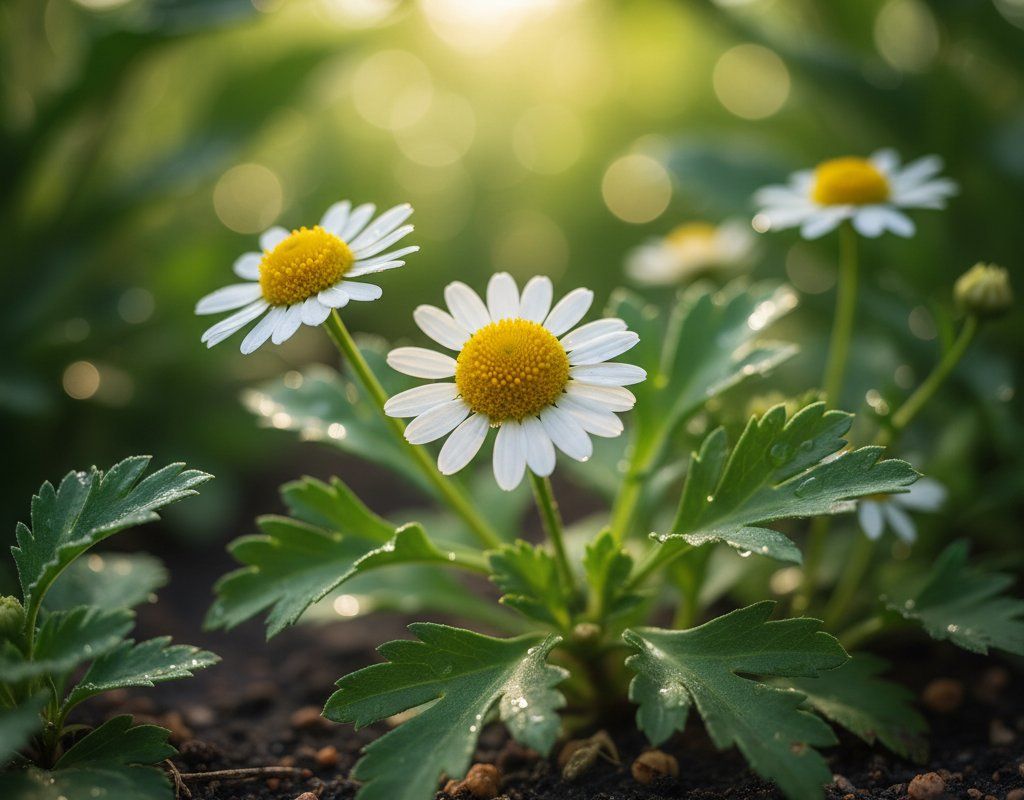
🌸Best Flowers to Plant with Cauliflower
These flowers protect your Cauliflower from pests and attract pollinators for better harvests.



Get a Reminder When It's Time to Plant
We'll email you when key planting windows open for your zone.