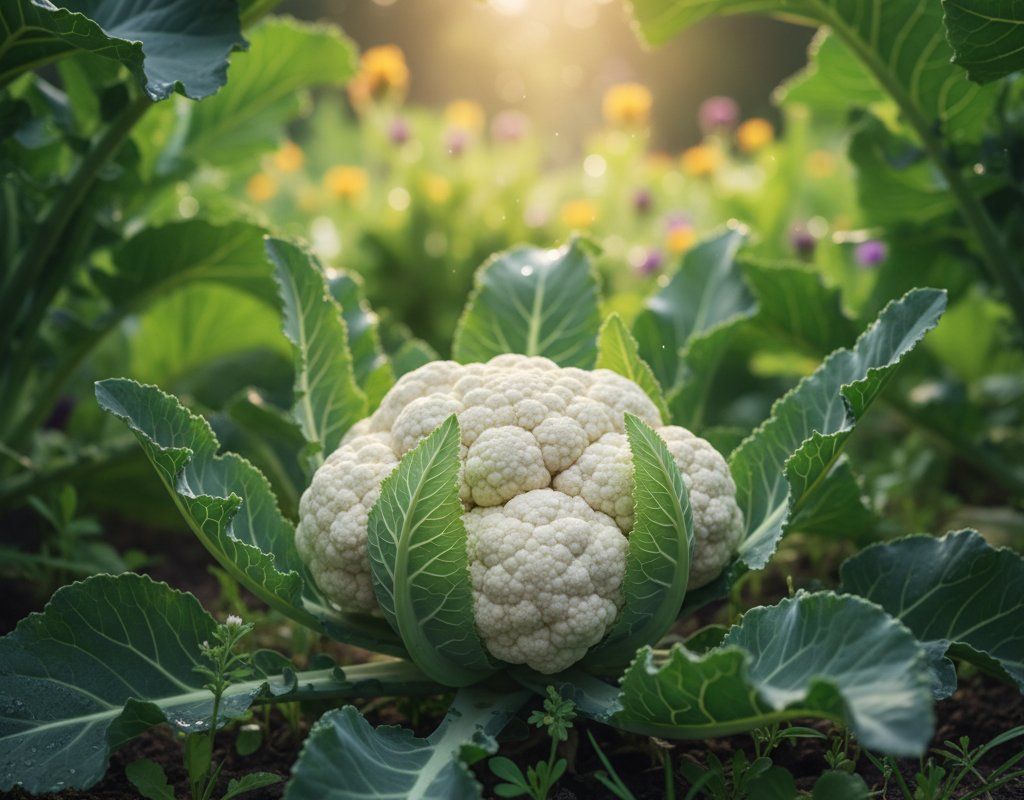
Cauliflower in Zone 7A — Desert Southwest
Brassica oleracea var. botrytis · Your Complete 2026 Planting Guide
Missed Seed Starting? No Problem!
Wait for starts to become available.
What to Do
Starts will be available at nurseries in 7 days (around March 11).
How to Plant Cauliflower in Zone 7A — Desert Southwest
Here are all your options for getting cauliflower in the ground, from the easiest method to more advanced approaches.
Start Seeds Indoors
RecommendedLate January through mid February
around January 28
Then transplant: Mid March through early April
Start seeds 6-8 weeks before transplanting outdoors.
Cauliflower is fussy. Starting indoors gives you more control.
Buy Starts
Works WellMid March through early April
around March 11
Plant purchased starts after last frost (March 25).
Direct Sow Seeds
ChallengingDirect sowing is not typical for Cauliflower.
Transplant Outdoors
Timing InfoMid March through early April
around March 11
Can tolerate light frost, but wait for soil to be workable.
You have a nice window — no need to rush.
Fall Planting
Late August through late September
September 8 ideal · Transplant for fall harvest
Plant a second crop in mid-summer for fall harvest. Cauliflower actually prefers the cooling temperatures of fall.
Overview
Growing cauliflower in the Desert Southwest gives you access to fresh, crisp heads with that perfect nutty-sweet flavor that store-bought versions just can't match. Your homegrown cauliflower will be tender enough to eat raw and versatile enough for roasting, steaming, or turning into cauliflower rice. In our Zone 7A climate, cauliflower thrives during our mild winters when you can grow it without the extreme heat stress that plagues summer vegetables.
Yes, cauliflower has a reputation for being finicky, and our extreme summer heat and alkaline soils do present challenges. But with proper timing and indoor starting, you can absolutely succeed here. Our 230-day growing season gives you flexibility to plant in spring and again in fall, avoiding the brutal summer months when this cool-season crop would struggle. The key is working with our desert climate, not against it.
Starting Seeds Indoors
Starting cauliflower seeds indoors is your best bet for success in the Desert Southwest. Plant seeds from late January through mid-February, about 6 weeks before your planned transplant date. This timing takes advantage of our very early spring character while giving seedlings a protected start during any lingering cool weather.
Set up your seed trays in a spot that stays around 65-70°F. Cauliflower seeds need consistent warmth to germinate well, usually within 7-10 days. Once they sprout, provide bright light from a south-facing window or grow lights. Bottom watering works best to prevent damping off – place your seed trays in a shallow pan of water and let the soil absorb moisture from below.
Cauliflower is notoriously fussy about root disturbance, so start seeds in individual cells or biodegradable pots you can plant directly. This also gives you better control over watering and temperature than direct seeding would in our unpredictable early spring weather.
Transplanting Outdoors
Plan to transplant your cauliflower seedlings from mid-March through early April, after they've developed 3-4 true leaves and any serious cold snaps have passed. Before moving them outside permanently, spend a week hardening them off with gradually increasing outdoor exposure. Start with 2-3 hours of morning sun, then work up to full days.
Space your transplants 18-24 inches apart in both directions. Cauliflower needs room for good air circulation, especially important in our arid climate where plants can stress quickly. Choose a spot that gets full morning sun but some afternoon shade protection – our spring sun can be more intense than these cool-season plants prefer.
Watch the weather during transplant time. Desert Southwest springs can throw unexpected warm spells or late cold fronts. Have some lightweight row covers ready to protect young transplants if temperatures drop below 40°F or spike above 80°F unexpectedly.
Watering Cauliflower in Zone 7A (Desert Southwest)
Cauliflower demands consistent soil moisture throughout its growing season, making water management critical in our arid Desert Southwest climate. These plants are extremely sensitive to watering stress – even a few days of dry soil can trigger "buttoning," where tiny, unusable heads form prematurely. With our low humidity and intense spring sun, maintaining that even moisture takes attention.
Water deeply 2-3 times per week rather than daily shallow watering. Aim for about 1-1.5 inches per week, including any rainfall. Use the finger test: stick your finger 2 inches into the soil near the base of the plant. If it's dry at that depth, it's time to water. Our sandy desert soils drain quickly, so you'll likely need to water more frequently than gardeners in other regions.
Always water at the base of plants rather than overhead. Our arid air means foliar watering evaporates quickly anyway, and wet leaves in our intense sun can lead to scalding. Drip irrigation or soaker hoses work perfectly for maintaining that consistent moisture cauliflower craves. Early morning watering gives plants time to absorb moisture before the day heats up.
Apply a 2-3 inch layer of organic mulch around plants to help retain soil moisture and keep roots cool. In our climate, shredded leaves or grass clippings work better than wood chips, which can tie up nitrogen as they decompose in our alkaline soils.
🧪Fertilizing Cauliflower
Feeding Schedule
Organic Fertilizer Options
Harvest Time
Your first cauliflower heads will be ready from mid-May through early July, roughly 70 days from transplanting. Look for compact, white heads that measure 6-8 inches across with tightly packed curds. The heads should feel firm and heavy when you lift them gently. Don't wait too long – once curds start separating or showing yellow or purple tinges, the window has passed.
Cut the main head with a sharp knife, leaving about an inch of stem. Make your cut early in the morning when heads are crisp and full of moisture from overnight cooling. Unlike broccoli, cauliflower won't produce side shoots after the main harvest, so each plant gives you one head.
As our first frost approaches in early November, any remaining small heads won't have time to size up properly. These baby cauliflowers are still edible and tender – perfect for quick roasting or adding to stir-fries. Don't let them go to waste just because they didn't reach full size.
Plan your harvest timing around our weather patterns. Spring-planted cauliflower often matures right as our extreme heat kicks in. Once daytime temperatures consistently hit the upper 90s, quality deteriorates rapidly, so harvest promptly when heads reach maturity.
Common Problems in Zone 7A (Desert Southwest)
Buttoning shows up as tiny, premature heads forming when plants are still small – maybe just 1-2 inches across instead of the 6-8 inches you want. These miniature heads won't develop further and are essentially useless. This happens when plants experience stress from inconsistent watering, temperature swings, or root disturbance – all common issues in our Desert Southwest climate with its temperature fluctuations and arid conditions. Prevent buttoning by maintaining consistent soil moisture, starting seeds indoors to minimize transplant shock, and providing some afternoon shade during warm spells.
Cabbage worms appear as smooth green caterpillars that chew irregular holes in leaves, leaving dark green droppings behind. You'll often see white butterflies hovering around your plants – they're laying eggs that hatch into these destructive larvae. Multiple generations per season thrive in our warm climate. Bt (Bacillus thuringiensis) spray works excellently against these pests and is organic-approved. Floating row covers prevent the butterflies from laying eggs in the first place, and handpicking caterpillars works for small infestations. Interplanting with aromatic herbs like thyme and sage helps deter the adult butterflies.
Heat stress manifests as wilting during the day even when soil is moist, leaves turning yellow or purple, and heads developing loose, ricey curds instead of tight compact ones. Our intense Desert Southwest sun and low humidity create challenging conditions for this cool-season crop. Once temperatures consistently exceed 85°F, cauliflower struggles significantly. Provide afternoon shade with shade cloth (30-40% works well), ensure consistent deep watering, and consider the timing of your plantings carefully to avoid the worst heat.
Desert Southwest gardeners face the additional challenge of alkaline soils that can limit nutrient uptake, potentially weakening plants and making them more susceptible to stress. Our extreme heat, arid conditions, and intense UV radiation create a hostile environment for cool-season crops like cauliflower, making proper timing and protection strategies essential for success.
Best Companions for Cauliflower
Plant these nearby for healthier Cauliflower and better harvests.


Keep Away From
Companion Planting Details
Plant cauliflower alongside beets, celery, onions, and spinach for a productive Desert Southwest garden. Beets and spinach make excellent companions because they mature quickly and can be harvested before they compete for space, plus they help shade the soil and retain moisture around cauliflower roots. Onions planted nearby help deter cabbage worms and other pests with their strong scent, while celery has similar water needs and benefits from the same consistent moisture schedule.
Avoid planting cauliflower near tomatoes, peppers, or strawberries. These warm-season crops have different watering requirements and will be establishing themselves just as your cauliflower needs consistent attention in spring. Tomatoes and peppers also attract different pests that can complicate your pest management strategy, and they'll shade out your cauliflower once they reach full size during the hot months when you might be attempting a second cauliflower planting.
🌸Best Flowers to Plant with Cauliflower
These flowers protect your Cauliflower from pests and attract pollinators for better harvests.



Get a Reminder When It's Time to Plant
We'll email you when key planting windows open for your zone.