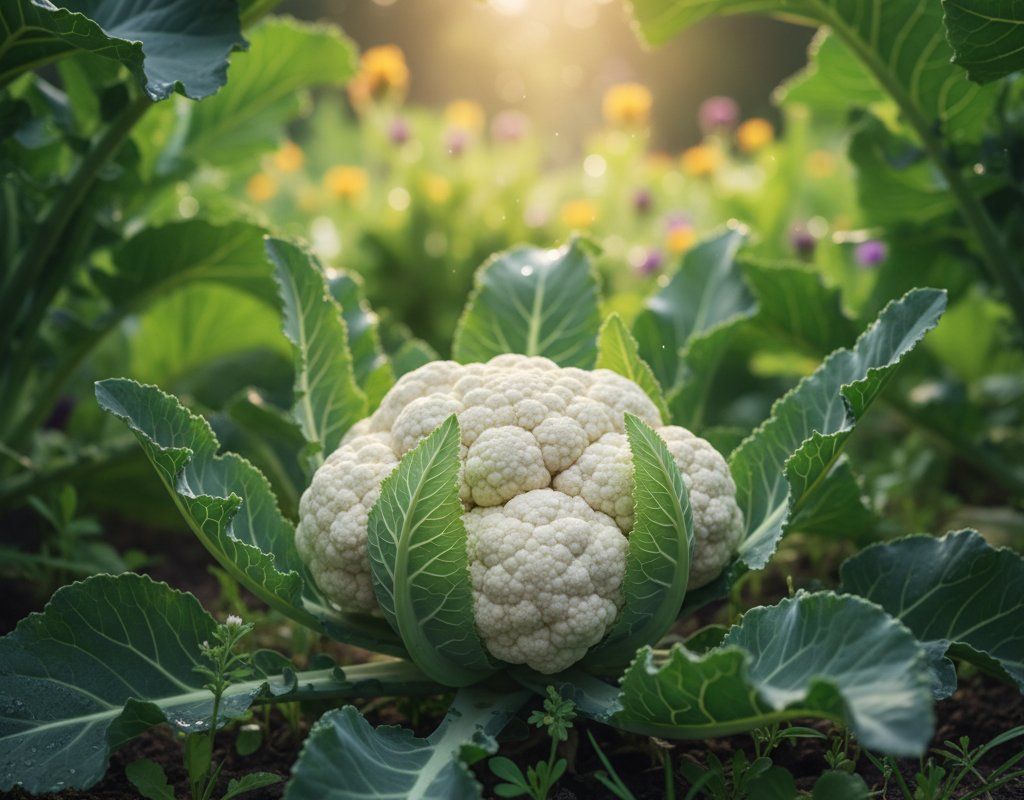
Cauliflower in Zone 9B — Florida
Brassica oleracea var. botrytis · Your Complete 2026 Planting Guide
Check Planting Details Below
See the full planting guide for timing information.
How to Plant Cauliflower in Zone 9B — Florida
Here are all your options for getting cauliflower in the ground, from the easiest method to more advanced approaches.
Start Seeds Indoors
RecommendedMid November through early December
around November 25
Then transplant: Early January through early February
Start seeds 6-8 weeks before transplanting outdoors.
Cauliflower is fussy. Starting indoors gives you more control.
Buy Starts
Works WellEarly January through early February
around January 6
Plant purchased starts after last frost (January 20).
Direct Sow Seeds
ChallengingDirect sowing is not typical for Cauliflower.
Transplant Outdoors
Timing InfoEarly January through early February
around January 6
Can tolerate light frost, but wait for soil to be workable.
You have a nice window — no need to rush.
Fall Planting
Mid October through mid November
October 28 ideal · Transplant for fall harvest
Plant a second crop in mid-summer for fall harvest. Cauliflower actually prefers the cooling temperatures of fall.
Overview
Cauliflower brings that satisfying crunch and mild, nutty flavor that transforms everything from curry to casseroles – and in Florida's 344-day growing season, you can enjoy homegrown heads when most gardeners up north are still planning their spring gardens. There's nothing quite like harvesting your own pristine white cauliflower in March while dealing with none of the woody stems or yellowing you get from store-bought heads that traveled hundreds of miles to reach Florida markets.
Florida's extreme humidity and summer heat make cauliflower tricky, but our reversed growing seasons work perfectly for this cool-weather crop. You'll plant in fall, harvest in winter – exactly when cauliflower thrives in our subtropical climate and when your grocery store selection gets expensive and questionable.
Starting Seeds Indoors
Start your cauliflower seeds indoors from mid-November through early December, about 6 weeks before transplanting. This timing takes advantage of Florida's reversed spring character – while northern gardeners are battling snow, you're getting seedlings ready for prime cool-season growing weather.
Set up seed trays with quality potting mix in a spot that stays around 70-75°F. Cauliflower seeds need consistent moisture but hate being waterlogged, so bottom watering works perfectly here – place your seed trays in shallow pans of water for 15-20 minutes, then let them drain. This keeps the soil evenly moist without creating the soggy conditions that lead to damping off.
Cauliflower is fussier than other brassicas, making indoor starting your best bet for success in Florida. You'll have complete control over moisture, temperature, and protection from our unpredictable weather swings during those critical first weeks. Once your seedlings have their first true leaves, they're ready to start hardening off.
Transplanting Outdoors
Transplant your cauliflower seedlings outdoors from early January through early February, when our cool, dry weather provides ideal growing conditions. Start hardening them off a full week before transplanting – gradually increase their outdoor exposure each day until they're spending full days outside.
Space your transplants 18-24 inches apart in well-draining soil. Florida's January weather can swing from 40°F nights to 75°F days, so keep row covers handy for those occasional cold snaps. Your seedlings can handle light frost once established, but protect them during their first week outdoors.
Plant them slightly deeper than they were in their pots – cauliflower develops a strong taproot that appreciates the extra soil depth. In Florida's sandy soil, this deeper planting also helps with moisture retention during our dry winter months.
Watering Cauliflower in Zone 9B (Florida)
Cauliflower demands consistent moisture more than almost any other vegetable – inconsistent watering causes buttoning, where you get tiny, premature heads instead of the full-sized ones you're after. In Florida's climate, this means paying attention to both our dry winter months and the transition into wet season.
During peak growing season (January through March), aim for about an inch of water per week. Use the finger test – stick your finger 2 inches into the soil near the base of the plant. If it's dry, it's time to water. Our low winter humidity actually helps here, since you can water at soil level without worrying about creating the fungal paradise that overhead watering causes during summer.
Water at the base of plants rather than overhead, especially as we head into the humid months of late spring. Florida's extreme humidity combined with wet leaves creates perfect conditions for fungal diseases. A 2-inch layer of organic mulch helps retain moisture during dry spells and keeps roots cool as temperatures climb toward summer.
Watch for wilting during midday – that's normal in our heat. But if plants stay wilted in evening or show yellow, dropping leaves, you're likely overwatering in our heavy soil.
🧪Fertilizing Cauliflower
Feeding Schedule
Organic Fertilizer Options
Harvest Time
Expect your first cauliflower heads from mid-March through early May, about 70 days after transplanting. You'll know they're ready when the heads are white, firm, and compact – typically 6-8 inches across. The curds should be tight together with no separation or yellowing starting to show.
Cut the entire head with a sharp knife, slicing through the main stem about 2 inches below the head. Don't wait too long – Florida's increasing heat and humidity as we move toward summer will cause the curds to separate and develop an off flavor quickly. Once cut, cauliflower won't continue developing like some crops do.
Harvest in the morning when heads are cool and firm. Florida's spring temperatures can hit the 80s by afternoon, which causes the heads to soften and lose their crisp texture. If you see any yellowing or loosening of the curds, harvest immediately even if the head seems small.
As our first frost approaches in late December, any remaining plants will likely have finished their cycle. Unlike northern gardens where frost ends the season abruptly, Florida cauliflower typically finishes naturally as summer heat stress took its toll months earlier.
Common Problems in Zone 9B (Florida)
Buttoning (Premature Small Heads) What it looks like: Tiny, button-sized heads (1-3 inches) that stop growing, often with loose, separated curds. What causes it: Stress from inconsistent watering, temperature swings, or transplant shock. Florida's variable winter weather – those 40°F nights followed by 80°F days – commonly triggers this. How to fix/prevent it: Maintain consistent soil moisture and use row covers during cold snaps. Transplant when seedlings are young (4-6 weeks old) rather than letting them get root-bound, which increases transplant stress.
Cabbage Worms What it looks like: Irregular holes chewed in leaves, dark green droppings on plants, and smooth green caterpillars hiding on leaf undersides. You'll often see white butterflies hovering around your plants. What causes it: Multiple generations of cabbage white butterflies thrive in Florida's long growing season, laying eggs continuously through our mild winters. How to fix/prevent it: Bt spray works excellently and is organic-approved. Floating row covers prevent egg-laying entirely. Hand-picking works for small infestations – check daily during peak butterfly activity in late winter and early spring.
Heat Stress What it looks like: Yellowing leaves, wilting during midday that doesn't recover overnight, and heads that develop quickly but remain small or develop purple tinges. What causes it: Florida's rapid transition from winter cool to spring heat stresses plants before they finish developing full heads. Once we hit consistent 85°F+ days, cauliflower struggles. How to fix/prevent it: Plant early enough (January transplants) to get full development before heat hits. Provide afternoon shade during late season and maintain consistent moisture as temperatures climb.
Florida Specific Challenges: Our extreme humidity and wet summers create perfect fungal conditions, while sandy soil drains too quickly during dry spells. Hurricane season can destroy late-season plantings, and nematodes in warm soil stress root systems. Success comes from timing plantings for our cool, dry months and avoiding the summer growing season entirely.
Best Companions for Cauliflower
Plant these nearby for healthier Cauliflower and better harvests.


Keep Away From
Companion Planting Details
Plant beets, celery, and onions near your cauliflower for natural pest deterrence and space efficiency. Onions repel many of the insects that target brassicas, while their shallow roots don't compete with cauliflower's deeper taproot. Beets and celery mature at different rates, letting you harvest them before the cauliflower needs full space, and they help break up soil compaction in Florida's sandy earth.
Avoid planting tomatoes, peppers, or strawberries near cauliflower. These warm-season crops have completely different watering and nutrient needs, and they'll be finishing up or going dormant just as your cauliflower hits peak growth. In Florida's climate, this timing mismatch creates management headaches – you'll either overwater the dormant warm-season plants or underwater your actively growing cauliflower.
🌸Best Flowers to Plant with Cauliflower
These flowers protect your Cauliflower from pests and attract pollinators for better harvests.




Get a Reminder When It's Time to Plant
We'll email you when key planting windows open for your zone.