
Celery in Zone 9B — Southern California
Apium graveolens · Your Complete 2026 Planting Guide
Check Planting Details Below
See the full planting guide for timing information.
How to Plant Celery in Zone 9B — Southern California
Here are all your options for getting celery in the ground, from the easiest method to more advanced approaches.
Start Seeds Indoors
RecommendedEarly to late November
around November 16
Then transplant: Late January through late February
Start seeds 10-12 weeks before transplanting outdoors.
Celery is slow and challenging. Start 10-12 weeks early. Seeds need light to germinate.
Buy Starts
Works WellLate January through late February
around January 25
Plant purchased starts after last frost (January 25).
Direct Sow Seeds
ChallengingDirect sowing is not typical for Celery.
Transplant Outdoors
Timing InfoLate January through late February
around January 25
Can tolerate light frost, but wait for soil to be workable.
You have a nice window — no need to rush.
Overview
Celery, with its crisp texture and refreshing flavor, is a rewarding addition to any Southern California garden. Imagine fresh celery sticks dipped in hummus, or finely chopped celery adding a savory crunch to your salads—all harvested straight from your backyard. Plus, growing your own allows you to enjoy varieties you won’t find at the store.
Our semi-arid climate presents challenges, especially with water-hungry crops. But, by starting celery indoors and timing your transplant right, you can enjoy a successful harvest within our long, 334-day growing season. Careful attention to watering will be key, but the reward of homegrown celery is well worth the effort.
Starting Seeds Indoors
Starting celery indoors is the way to go for us here in Southern California. Start your seeds indoors from early to late November, giving them about 10 weeks to get a good head start before transplanting. Celery seeds are tiny and need light to germinate, so don't bury them too deep.
Use seed trays with a good seed-starting mix. Keep the soil consistently moist—bottom watering can help prevent damping off. You’ll want to provide warmth, around 70-75°F, and plenty of light, either from a sunny window or a grow light, since our springs start so early.
Remember, celery can be slow to get going, so be patient. Consistent moisture and warmth are crucial for success.
Transplanting Outdoors
Transplant your celery seedlings outdoors from late January through late February. This timing takes advantage of our mild winters and avoids the worst of the summer heat inland. Before transplanting, harden off your seedlings by gradually exposing them to outdoor conditions for about a week.
Choose a spot that gets full sun to partial shade—especially important as we approach our hotter months. Space your celery plants 8-10 inches apart in well-draining soil. Be mindful of any late-season cold snaps, as this can stress young plants.
Water them in well after transplanting, and keep a close eye on the weather forecast to protect them from any unexpected temperature swings.
Watering Celery in Zone 9B (Southern California)
Celery is a notoriously thirsty plant, and consistent moisture is key to preventing hollow or bitter stalks. In our Southern California climate, with its hot summers and low-to-moderate humidity, watering correctly is crucial. Aim for about 1-2 inches of water per week, especially during the warmer months.
Check the soil moisture regularly using the "finger test"—stick your finger about 2 inches deep into the soil. If it feels dry, it's time to water. Water deeply at the base of the plants to avoid wetting the foliage, which can encourage fungal diseases in our sometimes-humid coastal areas. During hotter periods, you may need to water more frequently, possibly even daily.
Signs of underwatering include wilting leaves and stunted growth. Overwatering can lead to root rot, so make sure your soil is well-draining. Applying a layer of mulch around your celery plants can help retain moisture and regulate soil temperature, which is especially helpful during our hot summers.
🧪Fertilizing Celery
Feeding Schedule
Organic Fertilizer Options
Harvest Time
Your first celery harvest in Southern California will likely be from mid April through early June. Celery is ready to harvest when the outer stalks are at least 8 inches long. You can harvest individual stalks as needed, cutting them from the base of the plant.
Alternatively, you can cut the entire plant at the base when the stalks are 12+ inches long. Blanching the stalks (excluding light) will result in milder flavor. To do this, mound soil or wrap paper around the stalks a week or two before harvest.
Regular harvesting encourages continued production. As late December approaches and the threat of our first frost looms, harvest any remaining celery to enjoy before the cold weather arrives.
Common Problems in Zone 9B (Southern California)
Here are three common problems you might encounter growing celery in Southern California:
Bolting from Temperature Stress
- What it looks like: The plant prematurely sends up a flower stalk, making the stalks bitter and tough.
- What causes it: Fluctuations in temperature, especially early warm spells followed by cooler weather, can trigger bolting.
- How to fix/prevent it: Choose bolt-resistant varieties. Provide consistent watering and mulch to moderate soil temperature. Use shade cloth during periods of extreme heat.
Hollow Stalks
- What it looks like: The inside of the celery stalks are hollow rather than solid.
- What causes it: Inconsistent watering and nutrient deficiencies, especially calcium deficiency.
- How to fix/prevent it: Ensure consistent and deep watering, especially during hot weather. Amend the soil with compost or a calcium supplement.
Stringy Stalks from Heat
- What it looks like: The stalks become tough and stringy, making them less palatable.
- What causes it: High temperatures, especially during the summer heat inland, can cause the stalks to become fibrous.
- How to fix/prevent it: Provide afternoon shade during the hottest part of the day. Ensure adequate watering to keep the plants cool. Choose heat-tolerant varieties.
Southern California Specific Challenges: Our climate, with its combination of drought, water restrictions, and extreme heat inland, presents unique challenges for growing celery. Consistent watering is crucial, but water restrictions may require you to be strategic with your irrigation. Be prepared to provide shade and monitor soil moisture closely to prevent bolting, hollow stalks, and stringy stalks.
Best Companions for Celery
Plant these nearby for healthier Celery and better harvests.



Keep Away From
Companion Planting Details
Companion planting can definitely give your celery a boost here in Southern California.
Good companions include:
- Green beans: They help fix nitrogen in the soil, benefiting celery's growth.
- Cabbage: It can deter some common pests that affect celery.
- Tomatoes: They provide shade and support, creating a microclimate that celery enjoys.
- Onions: Their strong scent can repel pests.
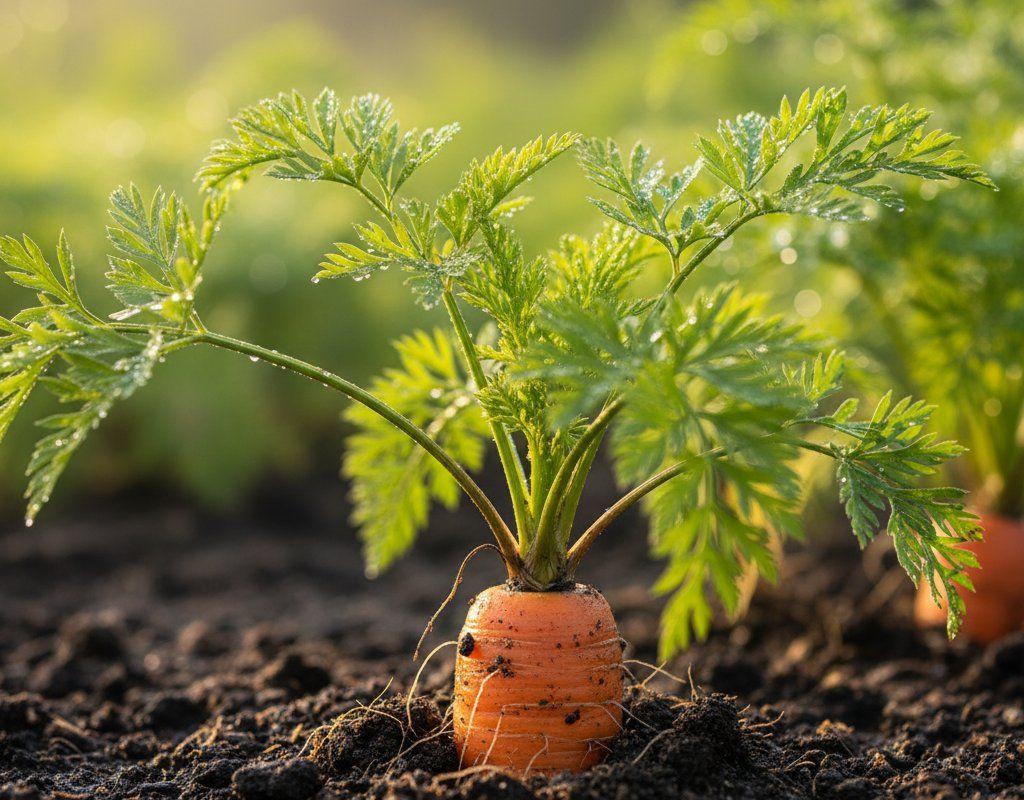
Avoid planting celery near carrots, as they compete for the same nutrients in the soil.
🌸Best Flowers to Plant with Celery
These flowers protect your Celery from pests and attract pollinators for better harvests.
For Pest Control




Get a Reminder When It's Time to Plant
We'll email you when key planting windows open for your zone.