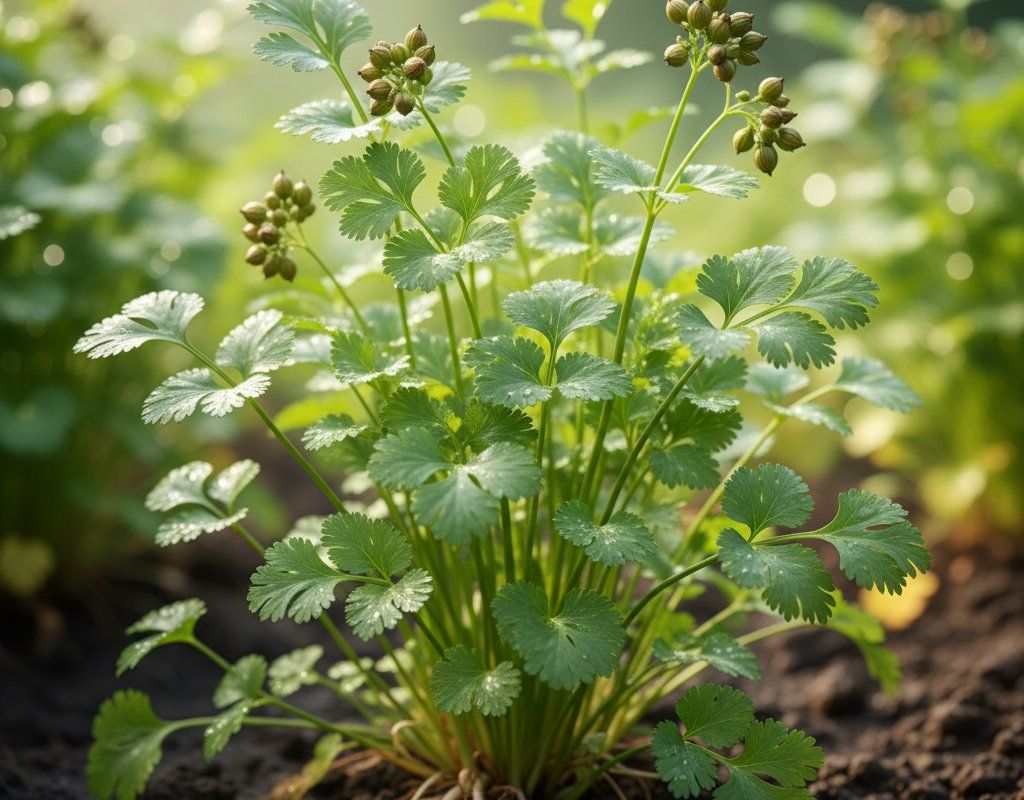
Cilantro in Zone 10B — Southern California
Coriandrum sativum · Your Complete 2026 Planting Guide
Harvest Time!
Your Cilantro should be producing now!
Harvest Tips
Harvest in the morning after dew dries for the best flavor.
How to Plant Cilantro in Zone 10B — Southern California
Here are all your options for getting cilantro in the ground, from the easiest method to more advanced approaches.
Direct Sow Seeds
RecommendedLate December through early November
around December 27
Consider succession planting every 2-3 weeks for continuous harvest.
Cilantro bolts quickly in heat. Direct sow in cool weather for best results.
Start Seeds Indoors
RecommendedEarly to late December
around December 13
Then transplant: Early January through late February
Start seeds 4-6 weeks before transplanting outdoors.
Buy Starts
Works WellEarly January through late February
around January 10
Plant purchased starts after last frost (January 10).
Transplant Outdoors
Timing InfoEarly January through late February
around January 10
Can tolerate light frost, but wait for soil to be workable.
You have a nice window — no need to rush.
Fall Planting
Early November through early December
November 19 ideal · Direct sow for fall harvest
Plant a second crop in mid-summer for fall harvest. Cilantro actually prefers the cooling temperatures of fall.
Overview
Growing cilantro in Southern California's Zone 10B gives you access to this essential herb nearly year-round. The fresh, bright flavor of homegrown cilantro leaves your store-bought bunches in the dust, and with our long 355-day growing season, you can keep a steady supply going with succession plantings. Whether you're making fresh salsa, adding it to tacos, or using it in Asian dishes, having cilantro steps away from your kitchen makes all the difference.
Our mild winters and intense summer heat inland create perfect conditions for cool-season cilantro growth, but timing is everything. The key is working with our climate patterns rather than against them - plant when temperatures are moderate and you'll avoid the dreaded bolting that happens when this herb hits our summer heat. With proper timing and a bit of shade during warmer months, you'll have fresh cilantro through most of the year.
Starting Seeds Indoors
Starting cilantro seeds indoors isn't the most common approach, but it makes sense if you want precise timing or live in an area with unpredictable winter weather. Start seeds from early to late December, about 4 weeks before you plan to transplant outdoors. This gives you a head start during our very early spring season.
Use standard seed trays with good drainage and keep them in a warm spot around 65-70°F. Cilantro seeds are fairly large and easy to handle, so you can place them exactly where you want them. Bottom watering works best - set your seed trays in shallow water and let the soil absorb moisture from below to avoid disturbing the seeds.
The main advantage of indoor starting is control over germination conditions, but cilantro actually prefers to be direct sown since it doesn't love root disturbance. If you do start indoors, be extra gentle during transplanting and don't let the seedlings get too large before moving them outside.
Transplanting Outdoors
If you've started cilantro seeds indoors, transplant them outside from early January through late February when our mild winter weather provides ideal growing conditions. These seedlings are quite hardy and can handle our typical winter lows, but they still need gradual adjustment to outdoor conditions.
Harden off your seedlings over about a week by gradually increasing their outdoor exposure. Start with a few hours of morning sun, then work up to full days outside. This process is especially important during those occasional warm spells we get in winter - you don't want tender indoor-grown plants shocked by a sudden temperature swing.
Space transplants 6-8 inches apart to give them room to develop their upright growth habit. Plant them at the same depth they were growing in their containers, and water them in gently. The mild temperatures during transplant season mean they'll establish quickly without the stress of summer heat.
Direct Sowing
Direct sowing is actually the preferred method for cilantro since it avoids root disturbance that can trigger early bolting. You can direct sow from late December through early November, taking advantage of our cool-season windows. The best timing is during our mild winters and again in fall when temperatures start dropping.
Prepare your soil by working in some compost and ensuring good drainage. Cilantro seeds need soil temperatures around 55-68°F to germinate well, which we typically have during our winter and fall planting windows. Sow seeds about 1/4 inch deep and 6-8 inches apart, or plant more densely and thin later.
The main advantage of direct sowing is stronger root development and less transplant shock. However, be prepared for slower establishment compared to transplants, and keep the soil consistently moist during germination. Direct sowing works especially well for succession plantings every 2-3 weeks to maintain continuous harvest.
Watering Cilantro in Zone 10B (Southern California)
Cilantro needs consistent moisture to prevent the quick bolting that happens in hot, dry conditions - and this is crucial in Southern California's semi-arid climate. During our mild winters, water when the top 2 inches of soil feel dry to your finger. This might mean watering 2-3 times per week, depending on rainfall and temperatures.
As we move into warmer months, you'll need to increase watering frequency significantly. Summer heat inland can quickly stress cilantro, so check soil moisture daily and water deeply when needed. Aim for about 1-1.5 inches of water per week total, adjusting based on our typical 10-20 inches of annual rainfall that comes mainly in winter.
Water at the base of plants rather than overhead to keep leaves dry in our low-to-moderate humidity conditions. This helps prevent leaf spot issues that can develop when moisture sits on foliage. Early morning watering is ideal - it gives plants time to absorb moisture before our heat kicks in.
Apply a 2-3 inch layer of organic mulch around plants to help retain soil moisture and keep roots cool. This is especially important during those stretches of extreme heat inland and when Santa Ana winds create extra-dry conditions. Watch for signs of water stress like wilting or premature flowering - both signals to increase your watering schedule immediately.
🧪Fertilizing Cilantro
Feeding Schedule
Organic Fertilizer Options
Harvest Time
Your first cilantro harvest will be ready from early February through early January, depending on your planting timing - typically about 45 days from seeding. Look for plants that have reached 6+ inches tall with several sets of true leaves. The leaves should be bright green and aromatic when you brush against them.
Harvest by cutting outer stems at the base, leaving the center growing point intact for continued production. Use clean, sharp scissors or garden shears to make clean cuts that won't damage the plant. Take no more than one-third of the plant at any single harvest to keep it productive.
Cilantro is a cut-and-come-again crop, so regular harvesting actually encourages more leaf growth. Pick frequently during our mild weather to prevent the plant from bolting to seed. Once you see a flower stalk forming in the center, the leaves will become bitter and tough - harvest everything immediately when this happens.
Plan succession plantings every 2-3 weeks during optimal growing periods to maintain a continuous supply. As your first frost approaches around late December, harvest heavily and consider preserving excess cilantro by freezing in ice cubes with olive oil or making pesto to extend your harvest through the brief winter gap.
Common Problems in Zone 10B (Southern California)
Bolting is the biggest challenge with cilantro in Southern California, especially as we move toward summer heat. You'll see the plant suddenly send up a thick flower stalk from the center, and the leaves will quickly become bitter and tough. This premature flowering happens when plants experience heat stress, long day lengths, or drought conditions - all common during our intense inland summers. Prevent bolting by timing plantings for cooler weather, providing afternoon shade during warmer months, and maintaining consistent soil moisture. Choose bolt-resistant varieties when possible, and plan succession plantings rather than trying to keep one planting going through temperature extremes.
Aphids show up as clusters of tiny green, black, or white insects on stems and leaf undersides, often leaving sticky honeydew residue behind. You'll notice curled or distorted new growth where they've been feeding. These sap-sucking pests multiply rapidly in our warm weather and are often tended by ant colonies that farm them for their sweet secretions. Knock them off with a strong spray from your hose, encourage natural predators like ladybugs and lacewings, and use insecticidal soap for heavy infestations. Avoid over-fertilizing with nitrogen, which creates the tender growth aphids love.
Leaf spot appears as brown or black spots on leaves, often with yellow halos around the affected areas. This fungal issue develops when moisture sits on foliage, which can happen during our occasional winter rains or from overhead watering. Prevent leaf spot by watering at soil level rather than overhead, ensuring good air circulation around plants, and avoiding working with wet plants. Remove affected leaves immediately and dispose of them in the trash, not your compost pile.
Southern California's combination of hot summers, low-to-moderate humidity, and winter-wet rainfall creates specific challenges for cilantro. The rapid temperature swings between seasons can trigger bolting, while our dry air and intense sun stress plants quickly. Focus on timing your plantings for our mild periods and providing protection during temperature extremes to keep your cilantro productive.
Best Companions for Cilantro
Plant these nearby for healthier Cilantro and better harvests.

Keep Away From

Companion Planting Details
Cilantro makes an excellent companion for tomatoes, helping repel aphids and other pests while adding beneficial diversity to your garden bed. Plant it near peppers as well - the cilantro's flowers attract beneficial insects that help with pepper pollination and pest control. Spinach and cilantro work well together since they prefer similar cool-season growing conditions and can share space efficiently in our limited mild weather windows.
Beans make good neighbors for cilantro because they fix nitrogen in the soil, providing gentle fertilization that won't trigger the excessive leaf growth that leads to aphid problems. However, keep cilantro well away from fennel - these two plants have an antagonistic relationship that will stunt both plants' growth and reduce your harvest quality significantly.
🌸Best Flowers to Plant with Cilantro
These flowers protect your Cilantro from pests and attract pollinators for better harvests.



Get a Reminder When It's Time to Plant
We'll email you when key planting windows open for your zone.