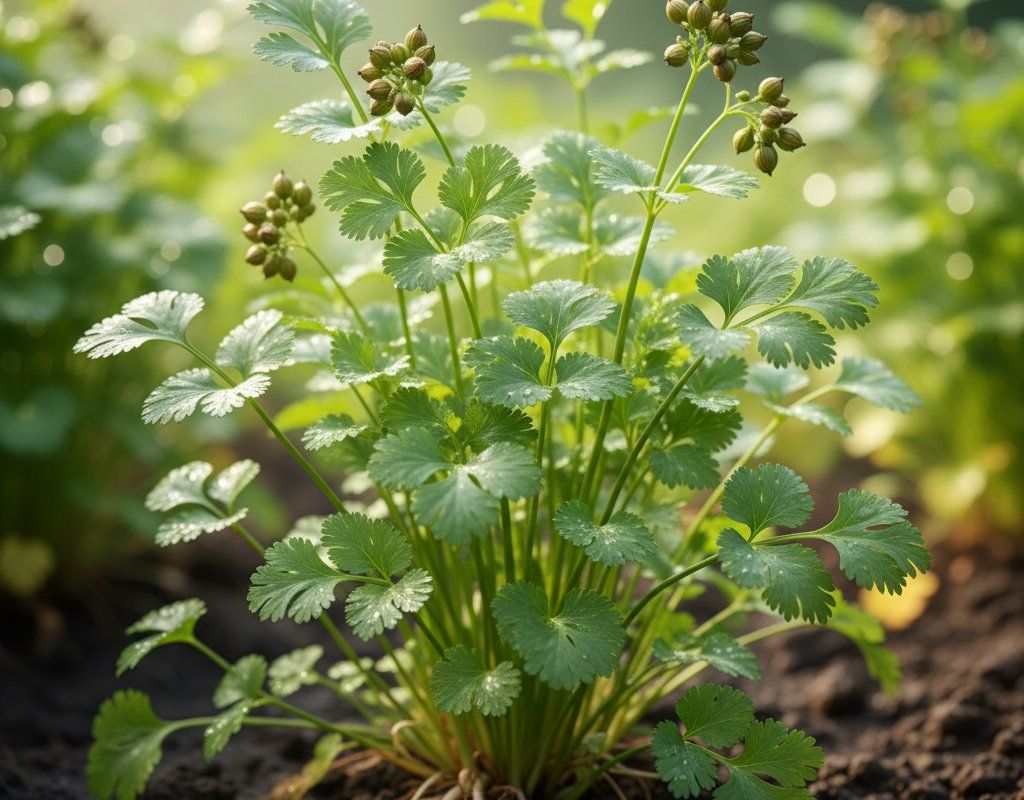
Cilantro in Zone 4B — Mountain West
Coriandrum sativum · Your Complete 2026 Planting Guide
Planning Ahead — Great!
You’re ahead of the season. Here’s when to start.
Mark Your Calendar
How to Plant Cilantro in Zone 4B — Mountain West
Here are all your options for getting cilantro in the ground, from the easiest method to more advanced approaches.
Direct Sow Seeds
RecommendedEarly May through late July
around May 1
Consider succession planting every 2-3 weeks for continuous harvest.
Cilantro bolts quickly in heat. Direct sow in cool weather for best results.
Start Seeds Indoors
RecommendedEarly April through early May
around April 17
Then transplant: Mid May through late June
Start seeds 4-6 weeks before transplanting outdoors.
Buy Starts
Works WellMid May through late June
around May 15
Plant purchased starts after last frost (May 15).
Transplant Outdoors
Timing InfoMid May through late June
around May 15
Can tolerate light frost, but wait for soil to be workable.
You have a nice window — no need to rush.
Fall Planting
Late July through late August
August 9 ideal · Direct sow for fall harvest
Plant a second crop in mid-summer for fall harvest. Cilantro actually prefers the cooling temperatures of fall.
Overview
Cilantro thrives in our Mountain West climate, where cool nights and intense sun create perfect growing conditions for this versatile herb. Unlike gardeners in hotter regions who struggle with bolting, our moderate summer temperatures at altitude keep cilantro productive longer, while our low humidity reduces disease pressure that plagues cilantro elsewhere. The herb's quick 45-day maturity fits beautifully into our 128-day growing season, allowing multiple succession plantings from late spring through late summer.
Our high altitude and short season do require some timing awareness, but cilantro's hardy nature handles our temperature swings well. The key is working with our late spring start and potential for early fall frost, but the payoff is fresh cilantro that stays tender and flavorful through most of our growing season.
Starting Seeds Indoors
Starting cilantro indoors makes sense mainly for getting an extra-early harvest or if you want precise control over your first planting. Sow seeds in late March through early April, about 4 weeks before you plan to transplant outdoors. Our late Mountain spring means indoor starting gives you a head start when outdoor conditions are still too cold.
Use standard seed-starting trays with quality potting mix, keeping soil consistently moist through bottom watering. Cilantro seeds need warmth to germinate (around 65-70°F), so a heat mat helps in our cool spring conditions. Once seedlings emerge, they need bright light but don't require the intense supplemental lighting that some crops demand.
Most Mountain gardeners find direct sowing more practical for cilantro since it grows so quickly, but indoor starting works well if you're eager for that first harvest or want to time multiple successions precisely through our short season.
Transplanting Outdoors
Transplant your indoor-started cilantro seedlings from mid-May through late June, after our last frost risk passes. In the Mountain West, this timing captures our prime cool-weather growing period before summer heat triggers bolting. Space plants 6-8 inches apart to allow good air circulation in our low-humidity environment.
Harden off seedlings gradually over one week, starting with a few hours of morning sun and building up to full outdoor exposure. Our intense UV at altitude can shock tender seedlings, so this gradual transition is crucial. Watch for temperature swings during this period - our cool nights even in late spring can stress young transplants.
Choose a location with morning sun and afternoon shade if possible, especially as we move into summer. Our intense mountain sunlight combined with heat stress is what triggers premature bolting in cilantro, so some protection during peak sun hours extends your harvest window significantly.
Direct Sowing
Direct sowing works excellently for cilantro in our Mountain climate and is often the preferred method. Sow seeds from early May through late July, taking advantage of our cool nights and moderate daytime temperatures. Early sowings catch our spring conditions, while later sowings benefit from summer's stable weather before fall's quick arrival.
Prepare soil by loosening to 6 inches deep and working in compost to improve moisture retention - crucial in our dry climate. Sow seeds ¼ inch deep and 6-8 inches apart, or broadcast more densely and thin later. Seeds germinate best when soil temperature reaches 55°F, which typically happens by early May in most Mountain locations.
The main advantage of direct sowing is avoiding transplant shock, which can trigger bolting in stressed plants. However, succession plant every 2-3 weeks through late July to ensure continuous harvest, since cilantro's bolt-prone nature means individual plantings have a limited window before flower stalks appear.
Watering Cilantro in Zone 4B (Mountain West)
Cilantro needs consistent moisture throughout our dry Mountain growing season, requiring about 1-1.5 inches of water weekly. Our low humidity and intense sun dry soil quickly, making regular watering essential to prevent the drought stress that triggers immediate bolting. Check soil moisture with the finger test - if dry at 2 inches deep, it's time to water.
Water at soil level rather than overhead to avoid leaf diseases, though our low humidity makes foliar issues less common than in other regions. Deep, thorough watering 2-3 times weekly works better than daily light watering, encouraging deeper root growth that handles our temperature fluctuations better. Early morning watering allows plants to hydrate before facing our intense midday sun.
Watch for wilting during our occasional heat waves - cilantro shows stress quickly and needs immediate attention. Yellowing leaves often indicate overwatering in our alkaline soil, while rapid bolting usually signals underwatering combined with heat stress. Our typical 10-20 inches of annual rainfall means you'll need to supplement irrigation consistently throughout the growing season.
A 2-inch layer of straw mulch helps retain soil moisture and moderate temperature swings, but keep it light in our low-humidity environment to prevent any moisture-related issues. The combination of consistent watering and mulching extends your cilantro harvest window significantly in our challenging Mountain climate.
🧪Fertilizing Cilantro
Feeding Schedule
Organic Fertilizer Options
Harvest Time
Expect your first cilantro harvest from mid-June through late September, depending on planting timing. In our 128-day growing season, multiple succession plantings allow continuous fresh leaves until our first frost arrives in mid-September. Begin harvesting when plants reach 6+ inches tall, typically 6-7 weeks after direct sowing or 45 days from transplant.
Cut outer stems at the base rather than pinching individual leaves, encouraging the plant to produce more foliage from the center. Harvest regularly - every few days during peak growth - to delay bolting and maintain tender leaf quality. Our cool nights help keep leaves from becoming bitter as quickly as they would in hotter climates.
Once cilantro sends up its characteristic flower stalk (bolting), leaf production essentially stops and flavor becomes harsh. However, you can harvest the flowers for cooking and let some plants go to seed for coriander spice. Plan your final succession planting by late July to ensure mature leaves before our first frost typically arrives in mid-September.
Morning harvest after our cool nights but before intense midday sun provides the best flavor and leaf quality. Cut stems store well in water in the refrigerator, giving you fresh cilantro for several days even from a single harvest.
Common Problems in Zone 4B (Mountain West)
Bolting Premature flower stalk development is cilantro's biggest challenge, appearing as a central tall stem with small white flowers. In our Mountain climate, bolting typically occurs during hot spells combined with our intense UV, even though our summers are more moderate than lower elevations. Long daylight hours in summer also trigger this response.
Plant in locations with morning sun and afternoon shade to reduce heat stress. Maintain consistent soil moisture since drought stress accelerates bolting dramatically in our dry climate. Choose slow-bolt varieties when available, and succession plant every 2-3 weeks to ensure continuous harvest when individual plants bolt.
Aphids Small clusters of green or black soft-bodied insects appear on stem tips and leaf undersides, leaving sticky honeydew residue. Our low humidity actually helps reduce aphid problems compared to other regions, but they can still appear during warm periods. Look for curled or distorted new growth as an early warning sign.
Strong water sprays work well in our dry climate since moisture doesn't linger and cause other problems. Encourage beneficial insects like ladybugs by avoiding broad-spectrum insecticides. For heavy infestations, insecticidal soap applied in early morning or evening prevents leaf burn from our intense sun.
Leaf Spot Brown or black spots appear on leaves, though this is less common in our low-humidity environment. When it does occur, it's usually related to overhead watering or unusually wet weather combined with our cool nights creating extended leaf wetness.
Water at soil level and ensure good air circulation between plants. Remove affected leaves immediately and avoid working in the garden when plants are wet. Our naturally dry air usually prevents serious leaf spot issues if you follow proper watering practices.
Mountain West Specific Challenges Our combination of intense UV, alkaline soil, and temperature swings creates unique stress points for cilantro. The intense sun can cause leaf scorch if plants lack adequate moisture, while our alkaline soil sometimes limits nutrient uptake. Cool nights followed by warm days can shock plants, but generally work in cilantro's favor by slowing bolting compared to consistently hot climates.
Best Companions for Cilantro
Plant these nearby for healthier Cilantro and better harvests.

Keep Away From

Companion Planting Details
Cilantro pairs excellently with tomatoes and peppers in our Mountain gardens, providing ground cover that helps retain soil moisture in our dry climate while potentially deterring pests with its strong scent. Plant cilantro around the base of these warm-season crops to take advantage of the partial shade they provide during our intense summer sun. The cilantro's quick growth and harvest cycle also allows you to clear the space as tomatoes and peppers expand later in the season.
Spinach and other cool-season greens make ideal companion plantings since they share similar growing requirements and timing in our short season. Both appreciate consistent moisture and benefit from afternoon shade during our summer heat. Bush beans also work well, as their nitrogen-fixing ability helps feed heavy-feeding cilantro in our often nutrient-poor alkaline soil. Avoid planting cilantro near fennel, which can cross-pollinate and create off-flavored seeds, and may compete for the same nutrients in our challenging growing conditions.
🌸Best Flowers to Plant with Cilantro
These flowers protect your Cilantro from pests and attract pollinators for better harvests.



Get a Reminder When It's Time to Plant
We'll email you when key planting windows open for your zone.