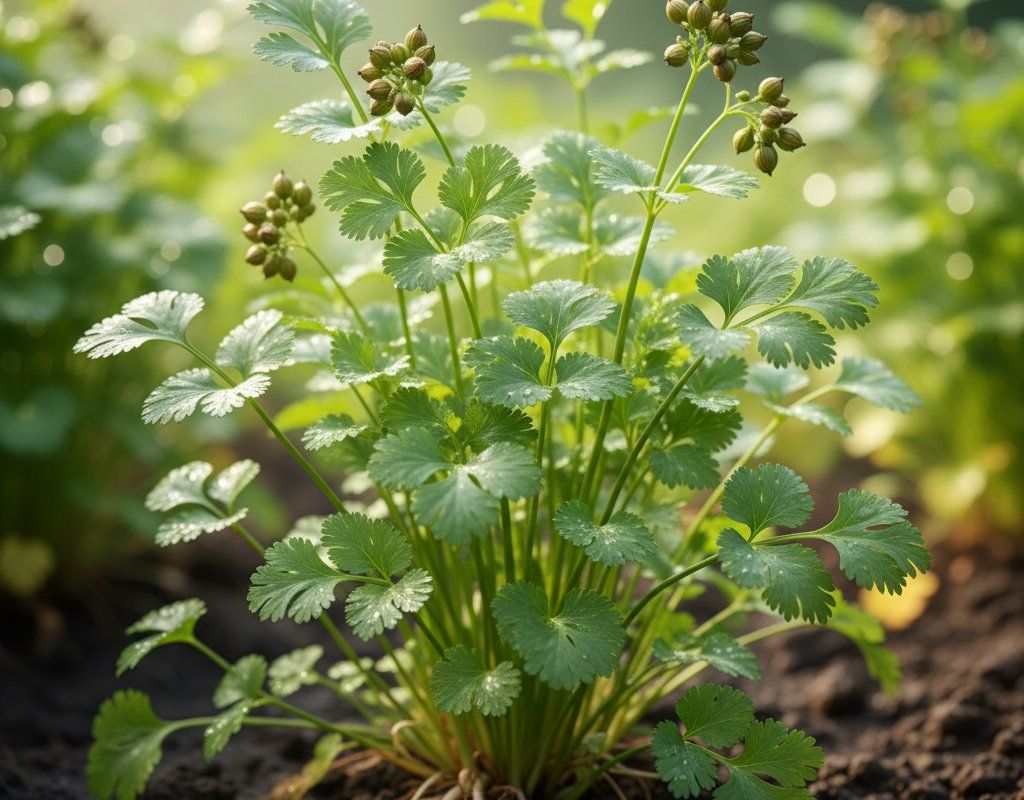
Cilantro in Zone 5B — Northeast
Coriandrum sativum · Your Complete 2026 Planting Guide
Planning Ahead — Great!
You’re ahead of the season. Here’s when to start.
Mark Your Calendar
How to Plant Cilantro in Zone 5B — Northeast
Here are all your options for getting cilantro in the ground, from the easiest method to more advanced approaches.
Direct Sow Seeds
RecommendedMid April through mid August
around April 11
Consider succession planting every 2-3 weeks for continuous harvest.
Cilantro bolts quickly in heat. Direct sow in cool weather for best results.
Start Seeds Indoors
RecommendedLate March through mid April
around March 28
Then transplant: Late April through early June
Start seeds 4-6 weeks before transplanting outdoors.
Buy Starts
Works WellLate April through early June
around April 25
Plant purchased starts after last frost (April 25).
Transplant Outdoors
Timing InfoLate April through early June
around April 25
Can tolerate light frost, but wait for soil to be workable.
You have a nice window — no need to rush.
Fall Planting
Mid August through mid September
August 29 ideal · Direct sow for fall harvest
Plant a second crop in mid-summer for fall harvest. Cilantro actually prefers the cooling temperatures of fall.
Overview
Cilantro brings fresh, citrusy flavor to your Northeast garden that no store-bought bunch can match. In our Zone 5B climate, this cool-season herb actually thrives better than it does in hotter regions—our moderate summers and naturally humid conditions help prevent the rapid bolting that plagues Southern gardeners. You'll harvest tender, flavorful leaves from late May through fall, perfect for everything from fresh salsa to Asian stir-fries.
Our Northeast climate presents the usual challenges—that short 168-day growing season, late spring warmth, and early October frost—but cilantro's quick 45-day maturity and cold tolerance work in your favor. The key is understanding that cilantro loves our cool spring and fall weather but needs succession planting through summer to keep you in steady supply.
Starting Seeds Indoors
Starting cilantro indoors makes sense when you want an early harvest or need transplants for succession planting. Sow seeds in late March through mid-April, about four weeks before your planned transplant date. Our late Northeast spring means indoor starting gives you a head start on the season.
Use standard seed trays with good drainage and keep the soil consistently moist through bottom watering—cilantro seeds need steady moisture to germinate well. Place trays in a warm spot (65-70°F) with bright light once seedlings emerge. The upright growth habit means seedlings don't sprawl, making them easier to manage indoors.
Transplanting Outdoors
Move your cilantro seedlings outdoors from late April through early June, timing it with our typical last frost window. Harden off transplants gradually over a week—start with a few hours of morning sun and work up to full outdoor exposure. This gradual transition prevents shock from our sometimes dramatic spring temperature swings.
Space transplants 6-8 inches apart in prepared beds. Choose a spot with morning sun and afternoon shade if possible, as this helps prevent bolting during those warmer summer days. Plant when nighttime temperatures consistently stay above 40°F—cilantro handles light frost, but young transplants establish better with stable cool weather.
Direct Sowing
Direct seeding works well for cilantro in the Northeast, especially for succession crops. Sow from mid-April through mid-August, focusing on the cooler months for best results. Our moderate summer temperatures mean you can successfully direct sow through early summer, unlike hotter regions where spring is the only option.
Prepare a loose seedbed—work compost into rocky New England soil to improve drainage and tilth. Scatter seeds and cover lightly with about ¼ inch of soil. Space rows 6-8 inches apart or broadcast in blocks. Keep soil consistently moist until germination, which takes 7-14 days in cool weather.
The beauty of direct sowing cilantro is continuous harvest. Sow new rows every 2-3 weeks from spring through mid-August. This gives you fresh leaves even as earlier plantings bolt during summer heat.
Watering Cilantro in Zone 5B (Northeast)
Cilantro needs consistent moisture to prevent bolting, and our Northeast climate makes this manageable without overdoing it. With 40-50 inches of annual rainfall spread fairly evenly, you won't battle the extreme dry spells common in other regions, but summer dry periods still require attention.
Water deeply once or twice weekly, providing about an inch of water including rainfall. Check soil moisture by inserting your finger 2 inches down—cilantro soil should feel like a wrung-out sponge. During hot spells (even our moderate 82°F summer highs), increase watering frequency rather than amount to keep soil consistently moist.
Our moderate-to-humid conditions mean you can water at the base or use overhead sprinklers without major disease concerns. Morning watering is still preferable to allow leaves to dry, but don't stress over perfect timing. Watch for signs of water stress: wilting during the day that doesn't recover by evening, or leaves turning yellow-green.
A light mulch of straw or shredded leaves helps retain moisture during those inevitable summer dry weeks. This is especially important for succession plantings started in mid-summer, when consistent moisture determines whether you get tender leaves or immediate bolting.
🧪Fertilizing Cilantro
Feeding Schedule
Organic Fertilizer Options
Harvest Time
Your first cilantro harvest comes 45 days after planting, typically late May through mid-October depending on when you started. Look for plants about 6 inches tall with several sets of true leaves—the distinctive serrated cilantro shape rather than the oval seed leaves.
Cut outer stems at the base, leaving the center growing point intact for continued production. Take stems rather than individual leaves for the best regrowth. Each plant continues producing for 4-6 weeks before bolting, so harvest regularly—about once a week—to encourage new growth.
Once flower stalks appear, leaves become bitter and tough. Don't fight it; let early plantings go to seed (coriander is valuable too) and rely on your succession plantings for fresh leaves. Your fall plantings, started in mid-August, provide the sweetest cilantro as cool September and early October weather prevents bolting.
Plan your final harvest before that first hard frost in early October. Cool weather actually improves cilantro's flavor, so those last weeks of the season often produce the best leaves of the year.
Common Problems in Zone 5B (Northeast)
Bolting shows up as a tall flower stalk shooting from the center of your plant, followed by rapid decline in leaf quality. Leaves become bitter, smaller, and tough as the plant shifts energy to seed production. In the Northeast, bolting typically happens during mid-summer heat waves or when spring plantings hit the long days of late June.
Heat and long days trigger bolting, but drought stress accelerates it dramatically. Our moderate summers help, but those 82°F days combined with dry soil spell disaster for cilantro. Keep soil consistently moist and provide afternoon shade during the hottest weeks. Succession plant every 2-3 weeks so you always have young plants coming along.
Aphids appear as clusters of tiny green or black insects on leaf undersides and new growth, leaving sticky honeydew residue and causing leaves to curl or distort. These soft-bodied pests love cilantro's tender growth and multiply rapidly during warm, humid weather—exactly what we get in Northeast summers.
Strong water spray knocks aphids off effectively, and our natural humidity means they don't immediately return like in dry climates. Encourage ladybugs and lacewings by planting native flowers nearby. For heavy infestations, insecticidal soap works well in our moderate temperatures without burning leaves.
Leaf spot creates brown or yellow spots on leaves, often with a water-soaked appearance that progresses to holes. Our moderate humidity and evening moisture create perfect conditions for fungal diseases, especially on crowded plantings or when overhead watering late in the day.
Improve air circulation by proper spacing and avoid overhead watering in evening. Remove affected leaves promptly and compost them away from the garden. Copper-based fungicides help in severe cases, but prevention through good spacing and morning watering works better long-term.
Northeast Specific Challenges: Our moderate-to-humid summers with evening dew create disease-friendly conditions, while the short growing season demands succession planting for continuous harvest. However, these same humid conditions and cool nights actually help prevent the rapid bolting that torments gardeners in hotter, drier climates.
Best Companions for Cilantro
Plant these nearby for healthier Cilantro and better harvests.

Keep Away From

Companion Planting Details
Plant cilantro near tomatoes and peppers—the herb's strong scent helps deter aphids and other pests that commonly attack these warm-season crops. In our Northeast gardens, this pairing works especially well since cilantro provides early and late season harvests when tomatoes aren't producing. Spinach makes an excellent companion for succession planting, as both thrive in cool weather and have similar water needs.
Bush beans and cilantro work well together in the moderate humidity of Northeast summers. The beans' nitrogen fixation benefits the cilantro, while the herb's pest-deterrent properties protect the beans from aphids. Avoid planting cilantro near fennel—both plants belong to the same family and compete for nutrients while potentially cross-pollinating, which affects seed quality if you're saving coriander.
🌸Best Flowers to Plant with Cilantro
These flowers protect your Cilantro from pests and attract pollinators for better harvests.



Get a Reminder When It's Time to Plant
We'll email you when key planting windows open for your zone.