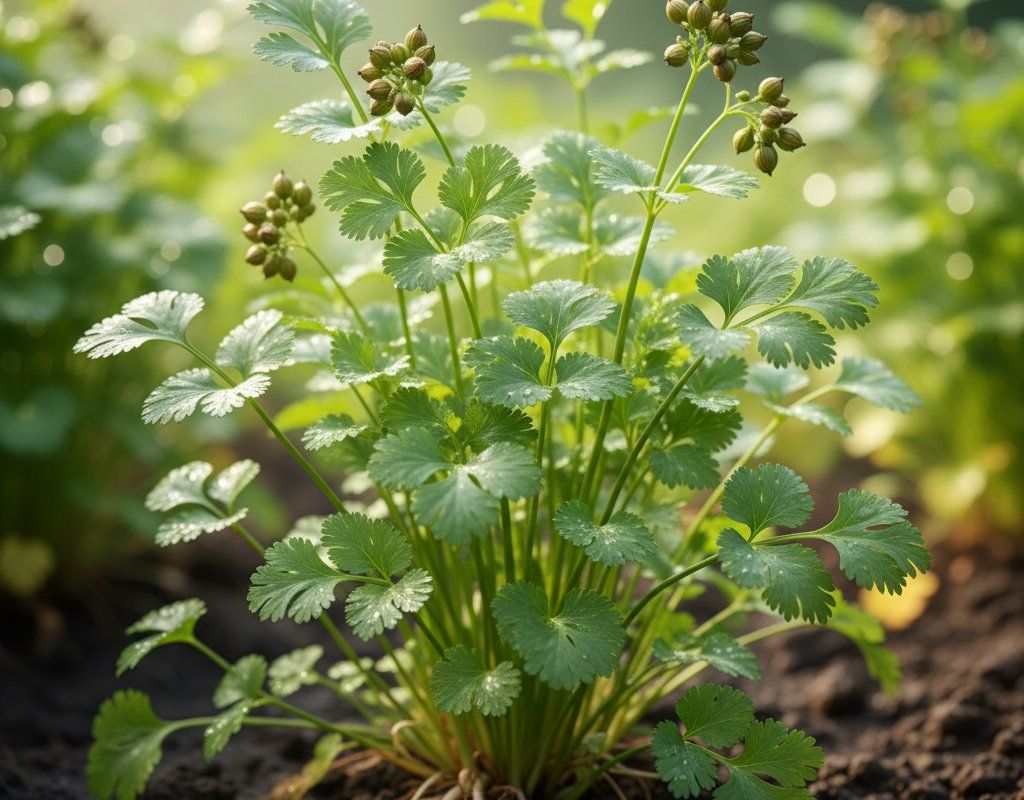
Cilantro in Zone 6A — Mid-Atlantic
Coriandrum sativum · Your Complete 2026 Planting Guide
Planning Ahead — Great!
You’re ahead of the season. Here’s when to start.
Mark Your Calendar
How to Plant Cilantro in Zone 6A — Mid-Atlantic
Here are all your options for getting cilantro in the ground, from the easiest method to more advanced approaches.
Direct Sow Seeds
RecommendedEarly April through late August
around April 1
Consider succession planting every 2-3 weeks for continuous harvest.
Cilantro bolts quickly in heat. Direct sow in cool weather for best results.
Start Seeds Indoors
RecommendedMid March through early April
around March 18
Then transplant: Mid April through late May
Start seeds 4-6 weeks before transplanting outdoors.
Buy Starts
Works WellMid April through late May
around April 15
Plant purchased starts after last frost (April 15).
Transplant Outdoors
Timing InfoMid April through late May
around April 15
Can tolerate light frost, but wait for soil to be workable.
You have a nice window — no need to rush.
Fall Planting
Late August through late September
September 8 ideal · Direct sow for fall harvest
Plant a second crop in mid-summer for fall harvest. Cilantro actually prefers the cooling temperatures of fall.
Overview
Cilantro thrives in our Mid-Atlantic climate, giving you fresh herbs from spring through fall in our 188-day growing season. The distinctive flavor transforms everything from salsa to curry, and unlike store-bought cilantro that wilts within days, homegrown leaves stay crisp and flavorful for weeks when harvested properly. Our four distinct seasons and reliable rainfall create ideal conditions for multiple plantings throughout the year.
While cilantro can be finicky about heat and our humid summers challenge cool-season herbs, proper timing makes all the difference here in Zone 6A. Plant during our cooler spring and fall periods, and you'll have continuous harvests from mid-May through late October without fighting the summer heat stress that causes premature bolting.
Starting Seeds Indoors
Starting cilantro indoors works well in the Mid-Atlantic when you want an early spring harvest or better control over germination. Sow seeds in seed trays from mid-March through early April, about 4 weeks before your planned transplant date. Our moderate spring weather gives you flexibility with timing, unlike regions with harsh temperature swings.
Set up seed trays in a warm spot (65-70°F) with good light once seedlings emerge. Use bottom watering to keep the soil consistently moist without creating fungal problems in our naturally humid climate. The seedlings develop quickly in our spring conditions, usually ready for hardening off within 3-4 weeks.
Indoor starting makes most sense when you want precise timing for succession plantings or when our variable spring weather makes direct sowing risky. However, cilantro transplants somewhat reluctantly due to its taproot, so handle seedlings gently and expect a brief adjustment period after transplanting.
Transplanting Outdoors
Transplant your indoor-started cilantro seedlings from mid-April through late May, after our last frost risk passes in mid-April. Start hardening off seedlings a full week before transplanting—our spring temperature swings can shock tender plants if you rush this process. Gradually increase their outdoor exposure each day until they're spending full days outside.
Space transplants 6-8 inches apart in well-draining soil, since cilantro's taproot doesn't tolerate wet feet in our clay-heavy soils. Plant on a calm, overcast day if possible, as our spring can bring unexpected warm spells that stress newly transplanted seedlings. Water thoroughly at planting, then maintain consistent moisture as plants establish.
Watch for late frost warnings through early May—even hardy cilantro can suffer damage from unexpected cold snaps. Keep row covers handy during the transition period, especially if transplanting on the earlier side of the window.
Direct Sowing
Direct sowing works beautifully for cilantro in our Mid-Atlantic climate, especially for fall crops when soil temperatures are more consistent. Sow seeds from early April through late August, though your best results come from spring plantings (April-May) and late summer sowings (August-September) that avoid our peak summer heat.
Prepare your soil by loosening our typical clay to about 6 inches deep and working in compost for drainage. Plant seeds ¼ inch deep and 6-8 inches apart, keeping soil consistently moist until germination in 7-14 days. Cool soil temperatures (50-65°F) give the best germination rates—wait until soil feels cool to the touch rather than planting too early in cold, wet spring soil.
Direct sowing gives you stronger plants with better-developed taproots, but timing is crucial. Cilantro bolts quickly once daytime temperatures consistently hit the upper 80s, so avoid direct sowing during our hottest months (July through early August) unless you can provide afternoon shade.
Watering Cilantro in Zone 6A (Mid-Atlantic)
Cilantro needs consistent moisture throughout our growing season, requiring about 1 inch of water weekly between rain and irrigation. Our even rainfall pattern (40-50 inches annually) helps, but summer dry spells combined with moderate-to-hot temperatures (typical highs around 88°F) stress plants quickly without supplemental watering. Check soil moisture using the finger test—stick your finger 2 inches deep, and water when it feels dry at that depth.
Water at the base of plants rather than overhead, especially during our humid summers when wet foliage invites fungal problems. Early morning watering works best, giving plants time to dry before evening humidity settles in. Deep, less frequent watering encourages strong root development in our clay soils, though young plants need more frequent attention until established.
Watch for signs of water stress during heat waves—wilting leaves, yellowing, or premature flowering all signal drought stress. Cilantro bolts extremely quickly when hot and dry, so maintaining soil moisture during warm spells extends your harvest window significantly. Conversely, overwatering in our naturally moisture-retentive soils causes yellowing lower leaves and weak, spindly growth.
A 2-inch layer of organic mulch around plants helps retain moisture and keeps roots cool during summer heat. Straw or shredded leaves work well in our climate, breaking down slowly while suppressing weeds and moderating soil temperature fluctuations that stress cool-season herbs like cilantro.
🧪Fertilizing Cilantro
Feeding Schedule
Organic Fertilizer Options
Harvest Time
Your first cilantro harvest typically begins in mid-May from spring plantings, continuing through late October with successive sowings. Plants reach harvestable size about 45 days from seed, when leaves are 6 inches tall with full flavor development. Look for bushy, leafy growth before any signs of flowering—once flower stalks appear, leaf flavor becomes bitter and production slows dramatically.
Cut outer stems at the base using clean scissors or garden shears, leaving the central growing point intact for continued production. Harvest in the morning when leaves are crisp and full of moisture, before our humid afternoons cause wilting. Regular harvesting every few days encourages new growth and delays bolting, especially important during our warm late spring and early fall periods.
Continue harvesting until plants bolt or until first frost arrives in mid-October. As temperatures cool in fall, growth slows but flavor intensifies, making autumn cilantro particularly flavorful. Plants that bolt can still provide coriander seeds if you let the flowers mature, giving you a second harvest from the same plant.
For continuous production in our long growing season, succession plant every 2-3 weeks from spring through late summer. This ensures fresh cilantro even when individual plants bolt during hot spells or reach the end of their productive cycle.
Common Problems in Zone 6A (Mid-Atlantic)
Bolting appears as tall flower stalks shooting up from the center of the plant, usually accompanied by leaves becoming bitter and tough. Once bolting starts, leaf production essentially stops as the plant shifts energy to seed production. Our Mid-Atlantic heat and humidity, combined with long summer days, trigger bolting in cilantro faster than in most other herbs.
This happens when plants experience heat stress, drought, or simply reach maturity during warm weather. Cilantro is particularly sensitive to temperature swings and day length changes common in our variable spring weather. Keep soil consistently moist, provide afternoon shade during hot spells, and choose bolt-resistant varieties when available. Most importantly, time plantings for cooler weather—spring and fall sowings perform much better than summer attempts.
Aphids show up as clusters of tiny green, black, or white soft-bodied insects on stems and leaf undersides, often leaving sticky honeydew residue behind. You'll notice curled or distorted new growth and a general decline in plant vigor. Our warm, humid summers create perfect conditions for rapid aphid reproduction, and populations can explode quickly.
These sap-sucking insects multiply rapidly in warm weather and are often tended by ant colonies that harvest their honeydew. Knock them off with a strong water spray in the morning, allowing plants to dry before humid evenings. Encourage natural predators like ladybugs and lacewings by planting diverse flowers nearby. For heavy infestations, use insecticidal soap or neem oil, and avoid high-nitrogen fertilizers that create the tender growth aphids prefer.
Leaf spot appears as brown or black spots on leaves, often with yellow halos around the margins. Spots may start small but can enlarge and merge, eventually causing leaves to yellow and drop. Our humid summers create ideal conditions for fungal leaf spot diseases, especially when plants stay wet for extended periods.
This develops in warm, humid conditions with poor air circulation—exactly what we experience during Mid-Atlantic summers. Water at soil level rather than on leaves, space plants properly for air movement, and avoid working around wet plants. Remove affected leaves immediately and clean up plant debris that can harbor fungal spores over winter.
Mid-Atlantic Specific Challenges: Our combination of moderate-to-hot summers, high humidity, and variable spring weather creates unique challenges for cilantro. The humid conditions promote fungal diseases, while temperature fluctuations trigger bolting. However, our reliable rainfall and long growing season allow for multiple plantings that work around these issues when timed properly.
Best Companions for Cilantro
Plant these nearby for healthier Cilantro and better harvests.

Keep Away From

Companion Planting Details
Cilantro grows excellently alongside tomatoes, which provide beneficial afternoon shade during our hot summers while cilantro's strong scent may help deter some tomato pests. Plant cilantro near spinach for efficient space use—both prefer cooler weather and similar watering schedules, making spring and fall care simpler. Peppers also make good neighbors, as cilantro's quick growth fills space early in the season before pepper plants expand, and some gardeners report cilantro improving pepper flavor.
Beans fix nitrogen that cilantro can use, while cilantro's taproot helps break up our clay soils without competing directly with bean roots. Avoid planting cilantro near fennel, as these two herbs can cross-pollinate and affect seed quality if you're saving seeds, plus fennel's allelopathic properties may inhibit cilantro growth in our already challenging clay soils.
🌸Best Flowers to Plant with Cilantro
These flowers protect your Cilantro from pests and attract pollinators for better harvests.



Get a Reminder When It's Time to Plant
We'll email you when key planting windows open for your zone.