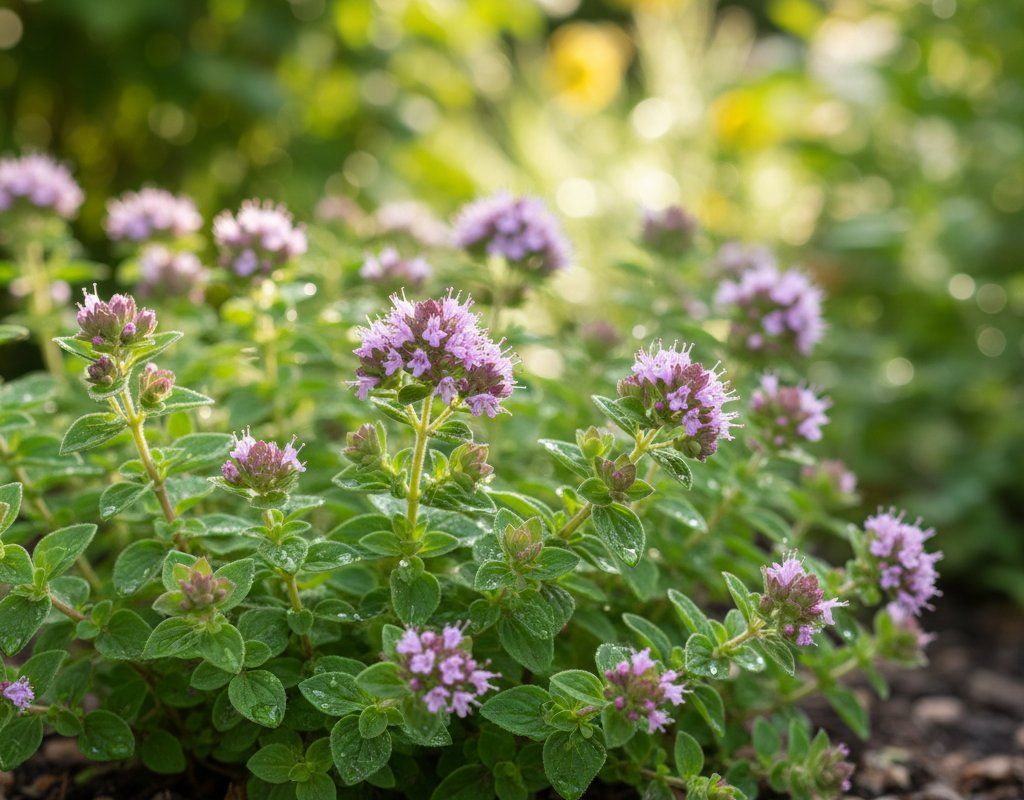
Oregano in Zone 6A — Mid-Atlantic
Origanum vulgare · Your Complete 2026 Planting Guide
Missed Seed Starting? No Problem!
Wait for starts to become available.
What to Do
Starts will be available at nurseries in 42 days (around April 15).
How to Plant Oregano in Zone 6A — Mid-Atlantic
Here are all your options for getting oregano in the ground, from the easiest method to more advanced approaches.
Buy Starts
RecommendedMid April through late May
around April 15
Plant purchased starts after last frost (April 15).
Easy from seed but slow. Starts give faster results.
Start Seeds Indoors
Works WellMid February through early March
around February 18
Then transplant: Mid April through late May
Start seeds 8-10 weeks before transplanting outdoors.
Direct Sow Seeds
Works WellMid April through late August
around April 15
Consider succession planting every 2-3 weeks for continuous harvest.
Transplant Outdoors
Timing InfoMid April through late May
around April 15
Can tolerate light frost, but wait for soil to be workable.
You have a nice window — no need to rush.
Overview
Oregano is a Mid-Atlantic garden superstar that thrives in our humid summers and delivers intense flavor that store-bought herbs can't match. In our four-season climate with reliable rainfall, oregano establishes quickly and becomes a low-maintenance powerhouse that keeps producing through October. You'll get months of fresh harvests from plants that actually prefer our clay soil once it drains well, and the flavor intensifies during our warm summer nights.
Our variable spring weather and occasional late frosts can challenge tender herbs, but oregano's hardy nature makes timing straightforward in Zone 6A. With your 188-day growing season, you have plenty of flexibility to start seeds indoors, direct sow, or transplant — and once established, these drought-tolerant plants handle our humid summers without the watering demands of more finicky herbs.
Starting Seeds Indoors
Starting oregano seeds indoors makes sense if you want multiple plants or specific varieties not available as transplants. Sow seeds mid-February through early March, about 8 weeks before your last frost, giving them time to develop into sturdy transplants for spring planting. Our moderate spring start means you don't need to rush this process.
Set up seed trays with a quality seed-starting mix and keep them consistently warm (65-70°F works well). Oregano seeds are tiny and slow to germinate, often taking 10-14 days. Bottom watering works better than overhead watering since the seeds are so small — place your seed trays in a shallow pan of water and let the soil absorb moisture from below.
Once seedlings develop their second set of true leaves, provide bright light or grow lights for 12-14 hours daily. These slow growers benefit from patience — don't expect rapid development like you'd see with basil or other quick herbs.
Transplanting Outdoors
Transplant oregano outdoors from mid-April through late May, after your last frost risk passes and soil warms consistently. In our Mid-Atlantic springs, weather can swing dramatically, so wait until nighttime temperatures stay above 40°F consistently before moving plants outside permanently.
Harden off transplants gradually over one week by placing them outside for increasing periods daily, starting with 2-3 hours of morning sun and building up to full days. This gradual exposure prevents shock from our variable spring conditions. Space plants 12-18 inches apart — oregano spreads as it matures, and good air circulation helps prevent issues in our humid climate.
Choose a sunny spot with well-draining soil, especially important if you're dealing with our region's clay. Oregano grows slowly from seed but transplants give you a significant head start, often producing harvestable stems by late May or early June.
Direct Sowing
Direct sowing oregano works well from mid-April through late August, giving you flexibility throughout the growing season. Spring sowings (mid-April through May) establish strong root systems before summer heat, while later sowings (June through August) can fill gaps or provide fall harvests.
Prepare your planting area by working compost into the soil to improve drainage — this is crucial in clay soil areas common throughout the Mid-Atlantic. Oregano seeds need soil temperatures around 65°F to germinate reliably, which typically happens by late April in Zone 6A. Scatter seeds lightly and barely cover them, as they need some light to germinate.
Space plantings 12-18 inches apart, though you can sow more densely and thin later. Direct-sown oregano takes longer to reach harvest size than transplants — expect 8-10 weeks from seed to first meaningful harvest, compared to 4-5 weeks from transplants.
Watering Oregano in Zone 6A (Mid-Atlantic)
Oregano thrives with minimal water once established, preferring to dry out between waterings rather than staying consistently moist. In our Mid-Atlantic climate with 40-50 inches of annual rainfall, you'll rarely need supplemental watering after the first month, except during unusually dry spells.
Water deeply but infrequently — about 1 inch per week during establishment, then reduce to watering only when the top 2 inches of soil feel dry to your finger. Our humid summers actually work against oregano if you overwater, as excess moisture dilutes the essential oils that give the herb its intense flavor and can promote root rot in our heavier soils.
Always water at the base of plants rather than overhead, especially important in our humid climate where wet leaves can encourage fungal issues. During typical Mid-Atlantic summers with afternoon thunderstorms, natural rainfall often provides all the water oregano needs. Signs of overwatering include yellowing leaves and weak, leggy growth, while properly stressed plants develop more concentrated flavors.
Apply a light layer of mulch around plants to conserve moisture and suppress weeds, but keep mulch 2-3 inches away from plant stems to ensure good air circulation in our humid conditions.
Pruning & Maintaining Oregano
Oregano needs minimal pruning beyond occasional trimming to keep plants compact and productive. Cut back plants by about one-third in midsummer (typically July) to prevent them from becoming woody and to encourage fresh, tender growth that has better flavor than older stems.
Regular harvesting acts as natural pruning — snip stems just above a pair of leaves to encourage branching. Remove any flower buds as they appear to keep the plant's energy focused on leaf production, though you can let some plants flower late in the season for kitchen decoration or to attract beneficial insects.
In late fall, after your first frost (usually mid-October in Zone 6A), cut plants back to about 2 inches above ground level. This cleanup helps prevent pest overwintering and allows plants to put energy into root storage for next year's growth.
🧪Fertilizing Oregano
Feeding Schedule
Organic Fertilizer Options
Harvest Time
Expect your first oregano harvest in late May through early June if you planted transplants, or by early July from direct-sown seeds. Once plants reach 4 inches tall with several sets of leaves, you can begin harvesting — this typically happens about 45 days from transplanting in our Mid-Atlantic growing conditions.
The best flavor comes from harvesting just before the plant flowers, usually in early morning after dew dries but before the day's heat builds. Cut stems 4-6 inches long just above a pair of leaves to encourage branching. The plant will quickly produce new growth from these cut points.
Harvest continuously throughout the growing season by taking what you need and letting the plant regenerate. In our 188-day growing season, you'll get steady production from late May through late October. The flavor actually intensifies during our warm summer nights, making mid-season harvests particularly potent.
As your first frost approaches in mid-October, harvest heavily to preserve the season's final flush. You can dry entire stems by hanging them in bundles, or strip leaves and freeze them in ice cube trays with olive oil for winter use.
Common Problems in Zone 6A (Mid-Atlantic)
Root rot shows up as yellowing leaves that start from the bottom of the plant, stunted growth, and eventually plant collapse. The stems near soil level turn dark and mushy. This fungal problem thrives in our clay soils when drainage is poor, especially during periods of heavy rainfall common in the Mid-Atlantic. Prevent it by improving soil drainage with compost and avoiding overwatering. If caught early, you can sometimes save plants by reducing watering and improving air circulation, but severely affected plants should be removed.
Aphids appear as clusters of tiny green, black, or white insects on stems and leaf undersides, often leaving sticky honeydew residue and causing new growth to curl or distort. Our warm, humid summers provide ideal conditions for rapid aphid reproduction, and ant colonies often farm them in garden beds. Knock them off with a strong spray from your hose daily for a week. Encourage natural predators like ladybugs and lacewings by avoiding broad-spectrum pesticides. For heavy infestations, use insecticidal soap or neem oil, and avoid excess nitrogen fertilizer that attracts them.
Spider mites create fine stippling on leaves (tiny white dots), produce fine webbing on leaf undersides, and cause leaves to turn bronze or yellow. These tiny arachnids explode in population during hot, dry periods, even in our typically humid climate. Combat them with daily strong water sprays for a week to physically remove mites and increase humidity around plants. Neem oil or insecticidal soap helps with severe infestations. Avoid broad-spectrum pesticides that kill the predatory insects that naturally control mites.
Mid-Atlantic Specific Challenges: Our combination of moderate-to-hot summers, high humidity, and clay soil creates perfect conditions for root rot if drainage isn't addressed. However, the same humid conditions that challenge some plants actually help control spider mites naturally, and our reliable rainfall means you're less likely to stress plants into pest problems through drought.
Best Companions for Oregano
Plant these nearby for healthier Oregano and better harvests.

Keep Away From
Companion Planting Details
Oregano makes an excellent companion for peppers, tomatoes, squash, and beans in Mid-Atlantic gardens. Plant it near peppers and tomatoes — its strong scent helps deter common pests like aphids and spider mites, while its low water needs complement these heat-loving crops perfectly. The spreading habit of oregano creates living mulch around taller plants, helping retain soil moisture during our variable summer rainfall and suppressing weeds in the process.
Oregano and beans work well together since oregano's drought tolerance matches beans' preference for not being overwatered, and the herb's pest-repelling properties benefit the beans. Near squash, oregano's aromatic oils may help confuse cucumber beetles and squash bugs. There are no significant bad companions for oregano — its easygoing nature and beneficial properties make it welcome throughout most vegetable gardens in our Mid-Atlantic climate.
🌸Best Flowers to Plant with Oregano
These flowers protect your Oregano from pests and attract pollinators for better harvests.
For Pest Control



Get a Reminder When It's Time to Plant
We'll email you when key planting windows open for your zone.