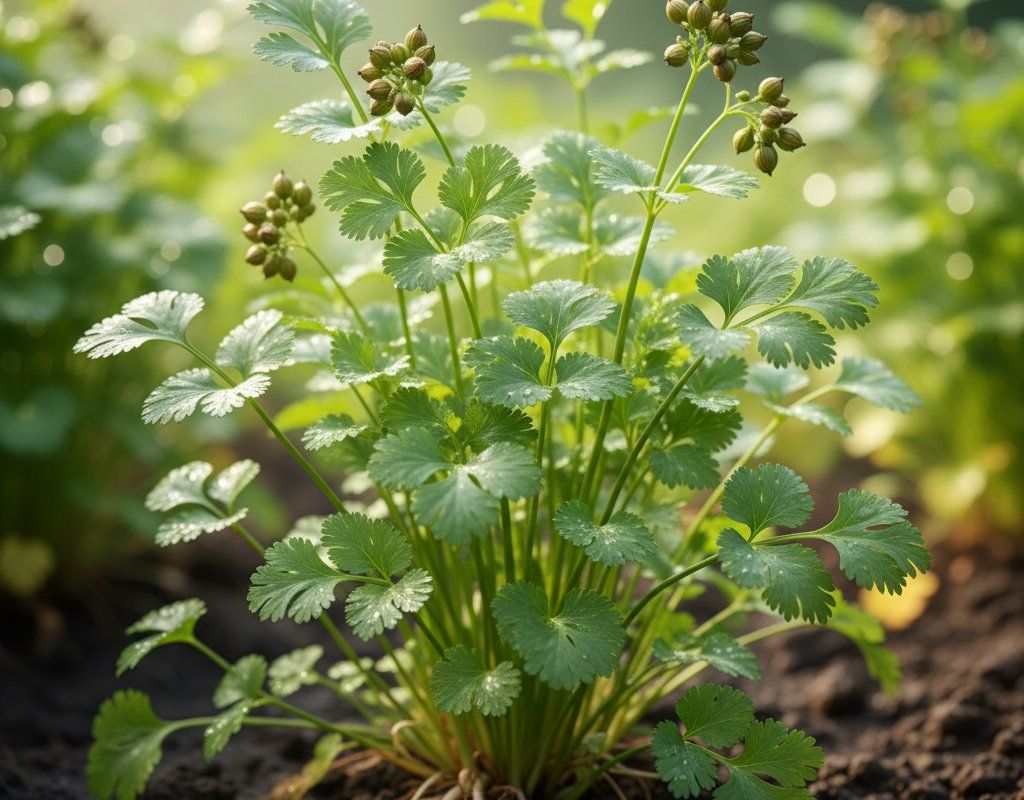
Cilantro in Zone 6B — Northeast
Coriandrum sativum · Your Complete 2026 Planting Guide
Planning Ahead — Great!
You’re ahead of the season. Here’s when to start.
Mark Your Calendar
How to Plant Cilantro in Zone 6B — Northeast
Here are all your options for getting cilantro in the ground, from the easiest method to more advanced approaches.
Direct Sow Seeds
RecommendedEarly April through mid August
around April 1
Consider succession planting every 2-3 weeks for continuous harvest.
Cilantro bolts quickly in heat. Direct sow in cool weather for best results.
Start Seeds Indoors
RecommendedMid March through early April
around March 18
Then transplant: Mid April through late May
Start seeds 4-6 weeks before transplanting outdoors.
Buy Starts
Works WellMid April through late May
around April 15
Plant purchased starts after last frost (April 15).
Transplant Outdoors
Timing InfoMid April through late May
around April 15
Can tolerate light frost, but wait for soil to be workable.
You have a nice window — no need to rush.
Fall Planting
Mid August through mid September
September 3 ideal · Direct sow for fall harvest
Plant a second crop in mid-summer for fall harvest. Cilantro actually prefers the cooling temperatures of fall.
Overview
Cilantro thrives in our Northeast climate, where cool nights and moderate summers create perfect conditions for this fast-growing herb. Unlike gardeners in hot regions who struggle with bolting, we can grow multiple crops throughout our 183-day season, taking advantage of spring coolness and fall's return to ideal temperatures. The fresh, bright flavor of homegrown cilantro far surpasses anything you'll find in stores, and in our moderate summers, the leaves stay tender longer.
Our short growing season and late spring actually work in cilantro's favor since this cool-weather crop despises heat. While our rocky New England soil and deer browsing can pose challenges, proper timing and succession planting will keep your kitchen stocked with fresh cilantro from late spring through hard frost.
Starting Seeds Indoors
Starting cilantro indoors makes sense if you want the earliest possible harvest, though direct sowing often works just as well in our climate. Start seeds from mid-March through early April, about 4 weeks before you plan to transplant outside. Our late springs mean you're not racing against time like gardeners in warmer zones.
Use seed trays with good drainage and keep soil consistently moist through bottom watering—this prevents the delicate seedlings from getting knocked over by overhead watering. A warm spot near a south-facing window works fine, though a grow light ensures stockier plants. The seeds germinate quickly in 7-10 days at room temperature.
Since cilantro doesn't love transplanting, consider using biodegradable pots you can plant directly in the ground. This reduces root disturbance and gives you more success with your indoor starts.
Transplanting Outdoors
Transplant your indoor-started cilantro from mid-April through late May, once soil temperatures stay consistently above 45°F and the worst of our spring temperature swings have passed. In our zone, this timing usually coincides with when you can safely plant other cool-season crops like lettuce and spinach.
Harden off seedlings gradually over a week, starting with 2-3 hours outside in a protected spot and increasing daily exposure. Our spring winds can be harsh on tender plants, so choose a calm day for the final transplant. Space plants 6-8 inches apart—closer spacing actually helps prevent bolting by creating a slightly cooler microclimate.
Plant transplants on a cloudy day or in late afternoon to reduce shock. Water thoroughly after planting and keep soil consistently moist for the first week while roots establish in our often-rocky soil.
Direct Sowing
Direct sowing works beautifully for cilantro in our Northeast climate, especially since this herb doesn't love being transplanted. Sow seeds from early April through mid-August, timing your plantings with our naturally cool periods for best results. The soil should be workable and temperatures consistently above 40°F at night.
Prepare your planting area by working in compost to improve our typically rocky soil and ensure good drainage. Sow seeds ¼ inch deep and 6-8 inches apart, or broadcast more thickly and thin later. The seeds germinate best in cool, moist conditions—exactly what our spring and fall provide naturally.
For continuous harvest, sow new rows every 2-3 weeks through mid-August. Summer sowings may bolt quickly during our occasional heat waves, but succession planting ensures you'll always have tender young plants coming along. Fall sowings from mid-August through early September often produce the most flavorful crops.
Watering Cilantro in Zone 6B (Northeast)
Cilantro needs consistent moisture to prevent bolting, especially during our occasional summer heat spells when temperatures climb into the 80s. In our climate with 40-50 inches of annual rainfall, you'll supplement natural precipitation rather than provide all the water. Check soil moisture by inserting your finger 2 inches deep—if it's dry, it's time to water.
During our moderate summers, cilantro typically needs about 1 inch of water per week, including rainfall. Water at the base of plants rather than overhead to prevent leaf spot diseases that thrive in our moderate-to-humid conditions. Morning watering allows leaves to dry before evening, reducing disease pressure.
Watch for signs of stress: drooping leaves in afternoon heat (even with moist soil) is normal, but persistent wilting indicates underwatering. Yellowing lower leaves often signal overwatering in our clay-heavy soils that don't drain well. Mulch lightly around plants to retain moisture and keep roots cool, but avoid thick mulch that holds too much moisture in our humid climate.
Summer succession plantings benefit from shade cloth during heat waves, which helps maintain soil moisture and prevents premature bolting. In fall, reduce watering frequency as temperatures drop and rainfall typically increases.
🧪Fertilizing Cilantro
Feeding Schedule
Organic Fertilizer Options
Harvest Time
Your first cilantro harvest will be ready from mid-May through late October, depending on planting time. Plants mature quickly—just 45 days from seed to full harvest size. Start harvesting when plants reach 6 inches tall, cutting outer stems at the base rather than pinching individual leaves.
Cut stems cleanly with scissors or a sharp knife, taking the entire stem down to about an inch above soil level. This encourages the plant to bush out and produce more stems. Harvest frequently—every few days during peak growing season—to keep plants productive and delay bolting. The more you cut, the longer the plant will keep producing tender leaves.
Watch for the telltale sign that harvest time is ending: when the plant sends up a central flower stalk, leaf production stops and existing leaves become bitter. In our climate, this typically happens during summer heat waves or as day length increases in late June. Once plants bolt, harvest any remaining good leaves and let some plants go to seed for coriander spice.
As our first frost approaches in mid-October, harvest entire plants by cutting at ground level. You can also pot up small plants to bring indoors for winter growing on a sunny windowsill, extending your harvest season beyond our outdoor limits.
Common Problems in Zone 6B (Northeast)
Bolting appears as a thick central stem shooting up from the plant's center, often with small white flowers. Leaves become smaller and more bitter once this flower stalk emerges. In our Northeast climate, bolting typically triggers during late June heat waves or when we get those sudden temperature jumps from cool spring to summer heat. Plant early varieties for spring harvest and wait until late summer for fall crops. Provide afternoon shade during heat spells and keep soil consistently moist to delay bolting.
Aphids show up as clusters of tiny green, black, or white insects on stem tips and leaf undersides, leaving behind sticky honeydew residue. New growth becomes curled and distorted. Our moderate summers with occasional humid periods create ideal aphid breeding conditions, especially on plants stressed by heat or inconsistent watering. Knock them off with a strong spray from the hose, or use insecticidal soap for heavier infestations. Encourage beneficial insects like ladybugs by growing yarrow and dill nearby.
Leaf spot appears as brown or black circular spots on leaves, often with yellow halos around them. This fungal disease thrives in our moderate-to-humid summers, especially when leaves stay wet from overhead watering or dense plantings with poor air circulation. Water at soil level in the morning so leaves dry quickly, space plants properly for air flow, and remove affected leaves immediately. Avoid working around wet plants, which spreads the spores.
Northeast Specific Challenges: Our moderate heat and humid summers mean disease pressure is higher than in drier climates, while our rocky soil can cause drainage issues that stress plants. However, our naturally cool nights and even rainfall actually favor cilantro over many other regions, making timing more critical than intensive management.
Best Companions for Cilantro
Plant these nearby for healthier Cilantro and better harvests.

Keep Away From

Companion Planting Details
Cilantro makes an excellent companion for tomatoes and peppers, providing natural pest control as its strong scent confuses insects looking for these warm-season crops. Plant it around the edges of tomato beds where it gets some afternoon shade from the larger plants. The cilantro will be finishing its spring run just as tomatoes are hitting their stride in our short summer season.
Cool-season companions like spinach and beans work well for succession planting—as your early cilantro bolts in summer heat, spinach planted in the same area will appreciate the slight shade and cooling effect. Avoid planting cilantro near fennel, as these two herbs inhibit each other's growth and the fennel's strong root system will outcompete cilantro in our often-rocky soil conditions.
🌸Best Flowers to Plant with Cilantro
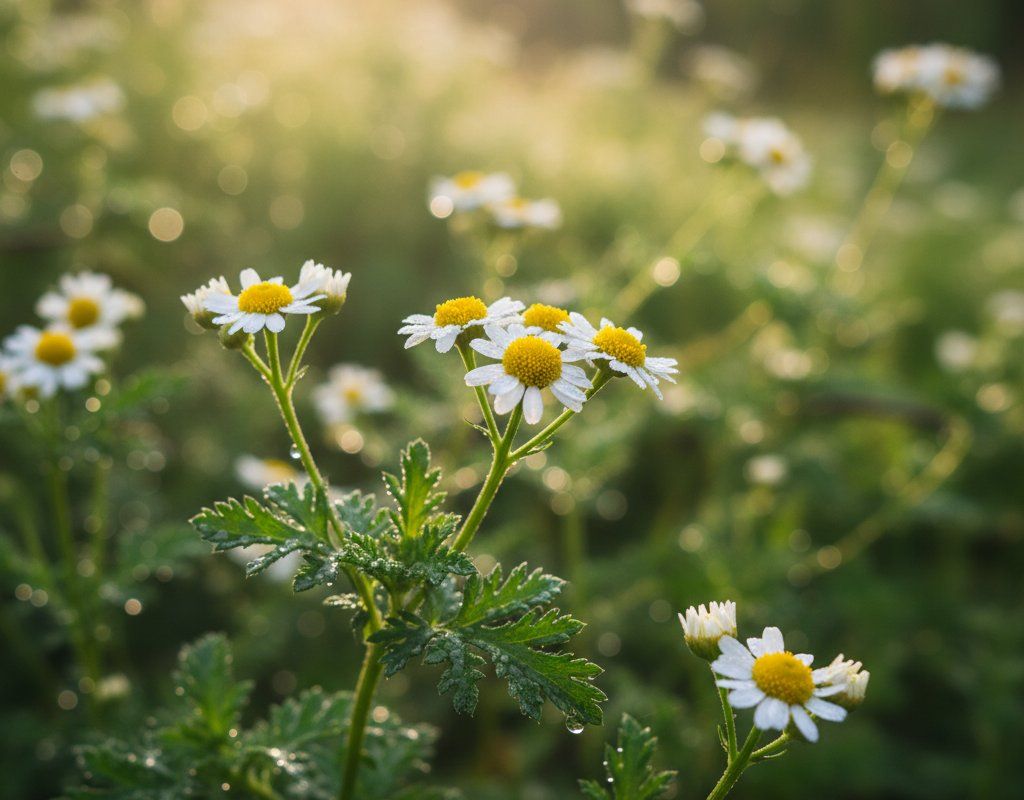
These flowers protect your Cilantro from pests and attract pollinators for better harvests.



Get a Reminder When It's Time to Plant
We'll email you when key planting windows open for your zone.