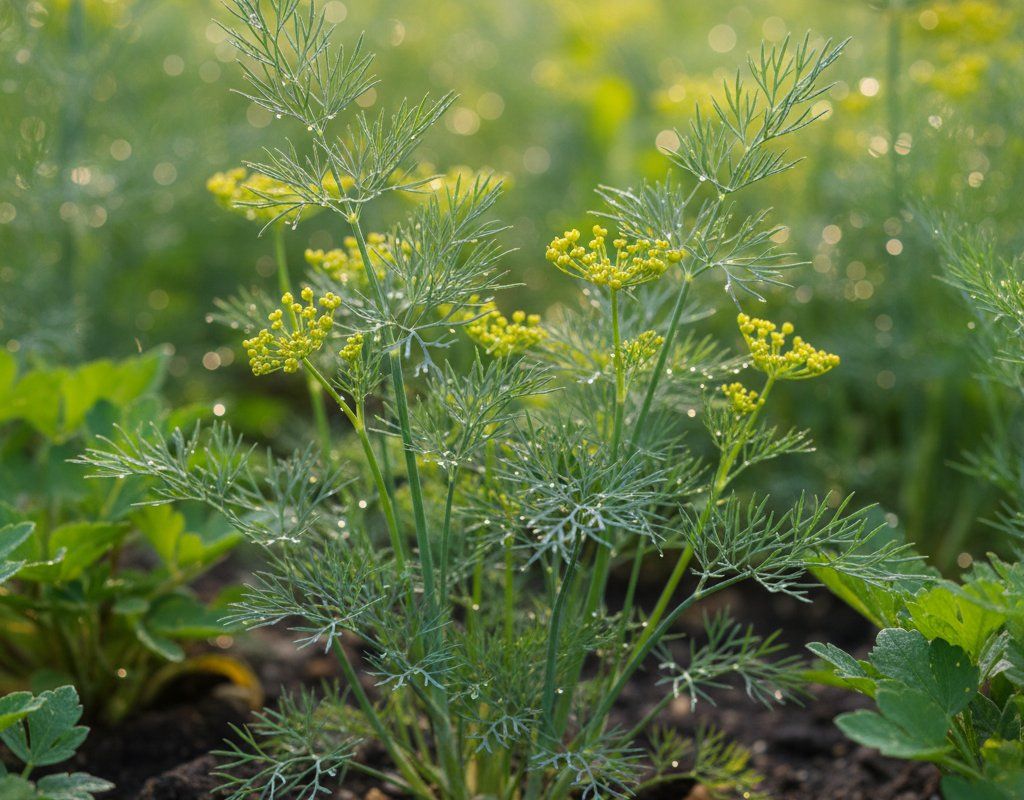
Dill in Zone 6B — Northeast
Anethum graveolens · Your Complete 2026 Planting Guide
Planning Ahead — Great!
You’re ahead of the season. Here’s when to start.
Mark Your Calendar
How to Plant Dill in Zone 6B — Northeast
Here are all your options for getting dill in the ground, from the easiest method to more advanced approaches.
Direct Sow Seeds
RecommendedMid April through late August
around April 15
Consider succession planting every 2-3 weeks for continuous harvest.
Dill has a taproot and prefers direct sowing, but transplants work if handled carefully.
Start Seeds Indoors
RecommendedMid March through early April
around March 25
Then transplant: Late April through early June
Start seeds 4-6 weeks before transplanting outdoors.
Buy Starts
Works WellLate April through early June
around April 22
Plant purchased starts after last frost (April 15).
Transplant Outdoors
Timing InfoLate April through early June
around April 22
Can tolerate light frost, but wait for soil to be workable.
You have a nice window — no need to rush.
Fall Planting
Mid August through mid September
September 3 ideal · Direct sow for fall harvest
Plant a second crop in mid-summer for fall harvest. Dill actually prefers the cooling temperatures of fall.
Overview
Dill thrives in our Northeast climate, making the most of our cool nights and moderate summers to develop that intense, aromatic flavor that store-bought just can't match. Here in Zone 6B, dill's feathery foliage and delicate flowers add texture to your garden while providing fresh herbs for pickles, fish dishes, and summer salads throughout our 183-day growing season.
Our short growing season and tendency toward late spring frost might seem challenging for herb growing, but dill's hardy nature works perfectly with our Northeast timing. Plant it right, and you'll have continuous harvests from late spring through fall, with succession sowings extending your supply well into autumn.
Starting Seeds Indoors
Starting dill indoors isn't the most common approach, but it works well if you want an earlier harvest or better control over spacing. Start seeds indoors from mid-March through early April, about 4 weeks before you plan to transplant outside.
Use seed trays with good drainage and keep them warm (65-70°F) for germination. Once seedlings emerge, they need bright light - a south-facing window or grow lights work well. Bottom watering prevents damping off, which can be an issue with our late spring humidity.
Since our Northeast springs tend to start late and swing unpredictably between warm and cold, indoor starting gives you more flexibility to time your transplants around those last frost surprises that often hit in mid to late April.
Transplanting Outdoors
Move your indoor-started dill seedlings outside from late April through early June, after soil temperatures reach 60°F consistently. Harden them off gradually over a week - start with an hour outside, then increase daily until they're spending full days outdoors.
Space transplants 12 inches apart in well-draining soil, since our rocky New England soil can hold too much moisture around the roots. Dill has a taproot that doesn't love disturbance, so transplant when seedlings are still small (3-4 inches tall) and handle the root ball gently.
Watch the weather during transplant season - those late April cold snaps can still damage young plants. Have row covers ready if temperatures threaten to drop below 40°F, especially on clear nights when radiative cooling hits hardest.
Direct Sowing
Direct sowing is actually dill's preferred method since it develops a long taproot that resents transplanting. Sow seeds from mid-April through late August, giving you multiple harvests through our growing season.
Wait until soil warms to at least 60°F - usually by mid-April in most Northeast areas. Work compost into your rocky soil to improve drainage, then sow seeds ¼ inch deep and thin to 12 inches apart once seedlings emerge. The seeds need consistent moisture for germination, which works well with our typically reliable spring rains.
For continuous harvest, succession sow every 2-3 weeks through late August. This timing works perfectly with our climate since dill prefers cooler weather and will bolt quickly during July heat waves.
Watering Dill in Zone 6B (Northeast)
Dill needs consistent moisture but never waterlogged conditions - perfect for our Northeast climate with its moderate humidity and regular rainfall. During our typical 40-50 inch annual rainfall pattern, you'll mainly need to supplement during dry spells rather than water constantly.
Check soil moisture with the finger test - stick your finger 2 inches down, and water when it feels dry at that depth. Aim for about 1 inch of water per week, including rainfall. Our moderate summer humidity means watering at the base works better than overhead watering, which can promote fungal issues on the feathery foliage.
Mulch around plants with 2 inches of organic matter to retain moisture and keep roots cool during our occasional 80°F+ summer days. This is especially important since dill bolts quickly in heat - consistent soil moisture helps prevent that premature flowering.
Watch for signs of stress: drooping indicates underwatering, while yellowing lower leaves often signal overwatering in our sometimes-heavy clay soils. Adjust your watering schedule as our weather patterns shift from wet springs to drier summers.
🧪Fertilizing Dill
Feeding Schedule
Organic Fertilizer Options
Harvest Time
Your first dill harvest typically starts in late May if you started early, continuing through late October until our first frost hits. With dill's 40-day maturity, you'll see harvestable foliage surprisingly quickly after planting.
Harvest feathery leaves anytime they're large enough to use - pinch or cut stems just above a leaf joint to encourage bushier growth. For fresh use, harvest in early morning when oils are strongest. The plant keeps producing new growth as long as you prevent flowering.
For dill seed, let the flower heads form and mature until they turn brown and dry - usually 90 days from planting. Cut the entire seed head and shake it into a paper bag to collect the seeds. You can hang bundles of seed heads to dry in a well-ventilated area.
Keep succession sowings going every 2-3 weeks through late August to maintain continuous harvests. As our mid-October first frost approaches, harvest heavily and preserve what you can't use fresh - dill freezes beautifully and maintains most of its flavor through our long winters.
Common Problems in Zone 6B (Northeast)
Bolting Dill sends up flower stalks prematurely, making leaves bitter and stopping leaf production. You'll see tall central stems shooting up with umbrella-like flower clusters, especially during hot spells in July.
Heat stress triggers bolting, along with drought conditions and long summer days. Our moderate Northeast summers help, but even 80°F+ stretches can push dill into flowering mode. Keep soil consistently moist and consider light shade during the hottest part of summer. Choose early-maturing varieties and succession plant every 2-3 weeks rather than trying to keep one planting going all season.
Aphids Look for clusters of tiny green, black, or white insects on new growth and stem tips, often with sticky honeydew coating the leaves. New growth may curl or distort, and you might notice ants farming the aphids for their sweet secretions.
These soft-bodied pests multiply rapidly during warm, humid weather - exactly what our Northeast summers provide. Encourage natural predators like ladybugs and lacewings, which thrive in our moderate climate. A strong spray from the hose knocks most aphids off, or use insecticidal soap for heavy infestations. Avoid high-nitrogen fertilizers that create tender growth aphids love.
Caterpillars Various caterpillars, particularly parsley worms (black swallowtail butterfly larvae), chew holes in dill foliage and can defoliate plants quickly. These green caterpillars with black stripes and yellow spots are actually beneficial butterfly larvae.
Northeast Specific Challenges Our moderate humidity and even rainfall create perfect conditions for fungal issues if dill stays too wet, while our rocky soil requires amendment for proper drainage. The good news? Our cool nights and moderate heat reduce many pest pressures compared to hotter regions, and dill's preference for cooler weather aligns perfectly with our Northeast climate patterns.
Best Companions for Dill
Plant these nearby for healthier Dill and better harvests.


Keep Away From
Companion Planting Details
Dill makes an excellent companion for cabbage family crops, helping repel cabbage worms and flea beetles that often plague these cool-season vegetables in our Northeast gardens. Plant it near cucumbers too - dill attracts beneficial insects that prey on cucumber beetles, while the cucumber vines provide afternoon shade that helps prevent dill from bolting during July heat.
Lettuce and onions also pair well with dill, since they all prefer similar cool conditions and moderate moisture. Avoid planting dill near carrots (they can cross-pollinate and affect flavor) or tomatoes (dill can stunt tomato growth). Our Northeast growing conditions - with cool nights and moderate summers - make these companion relationships even more effective since plants aren't stressed by extreme heat.
🌸Best Flowers to Plant with Dill
These flowers protect your Dill from pests and attract pollinators for better harvests.
For Pest Control




Get a Reminder When It's Time to Plant
We'll email you when key planting windows open for your zone.