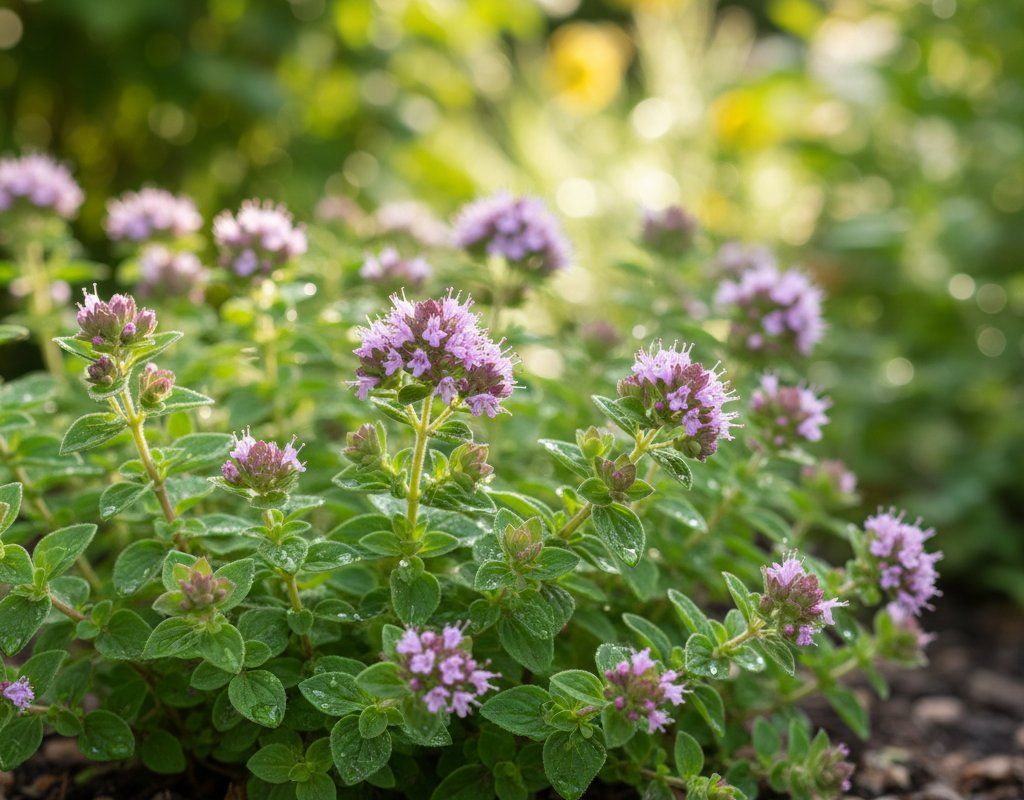
Oregano in Zone 6B — Northeast
Origanum vulgare · Your Complete 2026 Planting Guide
Missed Seed Starting? No Problem!
Wait for starts to become available.
What to Do
Starts will be available at nurseries in 42 days (around April 15).
How to Plant Oregano in Zone 6B — Northeast
Here are all your options for getting oregano in the ground, from the easiest method to more advanced approaches.
Buy Starts
RecommendedMid April through late May
around April 15
Plant purchased starts after last frost (April 15).
Easy from seed but slow. Starts give faster results.
Start Seeds Indoors
Works WellMid February through early March
around February 18
Then transplant: Mid April through late May
Start seeds 8-10 weeks before transplanting outdoors.
Direct Sow Seeds
Works WellMid April through mid August
around April 15
Consider succession planting every 2-3 weeks for continuous harvest.
Transplant Outdoors
Timing InfoMid April through late May
around April 15
Can tolerate light frost, but wait for soil to be workable.
You have a nice window — no need to rush.
Overview
Fresh oregano from your own garden has an intensity that makes store-bought seem like pale sawdust. Here in the Northeast, oregano thrives in our moderate summers and actually benefits from our cool nights, which concentrate the essential oils that give it that authentic Mediterranean punch. This hardy perennial handles our rocky New England soil beautifully and once established, will provide continuous harvests through our entire 183-day growing season.
Our short growing season and late spring frosts can seem challenging, but oregano's hardy nature makes timing straightforward. Unlike tender herbs that demand perfect conditions, oregano tolerates our temperature swings and actually prefers the well-drained conditions that our rocky soil naturally provides.
Starting Seeds Indoors
Starting oregano from seed indoors makes sense if you want multiple plants or specific varieties that aren't available as transplants. Begin seeds in mid-February through early March, about 8 weeks before you can safely transplant outside. Our late spring means you'll have plenty of time for strong seedlings to develop under grow lights.
Set up seed trays with good drainage and keep soil consistently moist using bottom watering—oregano seeds are tiny and surface watering can wash them away. They need warmth to germinate (70-75°F), so consider a heat mat if your indoor space runs cool during our lingering winter months.
The main downside is that oregano grows slowly from seed, taking 45 days to reach harvestable size. Unless you're growing unusual varieties, purchasing transplants often gives better results in our compressed growing season.
Transplanting Outdoors
Transplant oregano outdoors from mid-April through late May, after our soil has warmed and the risk of hard frost has passed. Our springs can be unpredictable with late cold snaps, so watch the forecast and be ready to cover plants if temperatures drop below 32°F unexpectedly.
Harden off transplants gradually over a week, starting with a few hours of morning sun and gradually increasing exposure. Space plants 12-18 inches apart—oregano spreads as it matures and needs good air circulation in our moderate-to-humid summers.
Plant in the sunniest spot you have, as oregano needs 6-8 hours of direct sunlight to develop its best flavor. Our rocky soil is actually perfect since oregano prefers well-drained conditions over rich, moisture-retentive soil.
Direct Sowing
Direct sowing oregano works well from mid-April through mid-August, giving you flexibility to fill garden gaps throughout the season. The soil temperature should be at least 55°F—use a soil thermometer rather than guessing, as our spring soil warms slowly despite warming air temperatures.
Prepare the seedbed by working in some compost if your soil is particularly rocky or clay-heavy. Oregano seeds are tiny, so create a fine seedbed and barely cover them—just press gently into the soil surface. Space seeds about 12 inches apart since not all will germinate, and thin later if needed.
The main advantage of direct sowing is avoiding transplant shock, but germination can be spotty and slugs love the tender seedlings. In our climate, transplants often give more reliable results, especially early in the season when cool, damp conditions favor seedling diseases.
Watering Oregano in Zone 6B (Northeast)
Oregano is wonderfully drought-tolerant once established, making it perfect for our sometimes-dry summers. However, our Northeast climate with 40-50 inches of annual rainfall means you'll need to adjust your watering approach compared to drier regions. The key is providing consistent moisture during establishment, then backing off significantly.
For the first month after planting, water when the top 2 inches of soil feel dry—use the finger test rather than a schedule. In our moderate-to-humid conditions, this might be twice a week early in the season, less as plants establish. Mature plants rarely need supplemental water except during extended dry spells, which are uncommon in our region.
Always water at the base of plants rather than overhead. Our humid summers can promote fungal diseases when foliage stays wet, and oregano's essential oils are actually more concentrated when the plant experiences mild water stress. Overwatering dilutes flavor and can cause root rot in our sometimes heavy soils.
A light mulch of shredded leaves or straw helps maintain consistent soil moisture while preventing weeds, but keep it pulled back from plant stems to ensure good air circulation around the base.
Pruning & Maintaining Oregano
Oregano needs minimal pruning, but a few strategic cuts keep plants productive and compact. In midsummer—usually late July in our region—cut back stems by about one-third to prevent flowering and encourage fresh, tender growth. This also keeps plants from getting leggy in our moderate summer heat.
Regular harvesting serves as natural pruning, so if you're cutting sprigs frequently, you may not need the midsummer cutback. Always cut just above a leaf pair to encourage branching rather than making random cuts along stems.
After our first frost in mid-October, cut plants back to about 2 inches above ground level. This perennial will return next spring, often spreading to form a nice clump that you can divide and share with neighbors.
🧪Fertilizing Oregano
Feeding Schedule
Organic Fertilizer Options
Harvest Time
You can start harvesting oregano sprigs once plants reach 4 inches tall, typically by late May if you planted transplants in mid-April. The beauty of oregano is continuous harvest—the more you cut, the more it produces throughout our growing season until that first hard frost in mid-October.
For the best flavor, harvest in the morning after dew has dried but before the day gets hot. Cut stems just above a leaf pair, which encourages branching and keeps plants bushy. The most intense flavor comes just before plants flower, usually in midsummer, but you can harvest anytime the plant looks healthy.
Take no more than one-third of the plant at any one time to keep it vigorous. If you notice flower buds forming, pinch them off immediately—once oregano flowers, the leaves become bitter and lose their culinary value.
As fall approaches and that first frost threatens, harvest heavily and dry what you can't use fresh. A hard frost will kill the aboveground growth, but the roots will survive our winters to return next spring.
Common Problems in Zone 6B (Northeast)
Root Rot Yellowing leaves that start from the bottom up, musty smell from soil, and plants that wilt despite moist soil all signal root rot. In our Northeast climate with heavy spring rains and sometimes poorly draining soil, this is oregano's biggest threat. Our clay or rocky soils can hold too much moisture, especially during wet springs. Improve drainage by working in coarse sand or planting in raised beds. Once root rot sets in, there's no cure—prevention through proper siting and drainage is essential.
Aphids Look for clusters of tiny green, black, or white insects on stem tips and leaf undersides, plus sticky honeydew residue that attracts ants. Our moderate summers can trigger aphid population explosions, especially on plants stressed by overwatering or too much nitrogen. A strong spray from the hose knocks them off effectively—repeat daily for a week. Encourage beneficial insects like ladybugs by planting yarrow and dill nearby. For heavy infestations, insecticidal soap works well in our humid conditions.
Spider Mites Fine white stippling on leaves and tiny webs between stems indicate spider mites, which thrive during hot, dry periods. While less common in our generally humid Northeast climate, they can appear during drought stress or on plants in very sunny, sheltered spots. Increase humidity around plants by mulching and ensure adequate spacing for air circulation. Daily water sprays work better than chemicals—spider mites hate moisture.
Northeast Specific Challenges Our moderate heat and moderate-to-humid conditions actually favor oregano compared to hotter, drier regions, but watch for fungal issues during especially wet periods. The main regional challenge is our short season—get plants established early to maximize harvest time before fall frost arrives.
Best Companions for Oregano
Plant these nearby for healthier Oregano and better harvests.

Keep Away From
Companion Planting Details
Oregano makes an excellent companion for tomatoes, peppers, and squash in the Northeast garden. Plant it near tomatoes and peppers to help repel aphids and flea beetles—the strong aromatic oils seem to confuse these pests. The low-growing oregano also provides living mulch around taller plants, helping retain soil moisture during our occasionally dry summer spells.
Beans are another good companion since oregano's spreading habit helps suppress weeds around bean plants, and neither competes for nutrients. Avoid planting oregano near plants that need consistently moist soil, as oregano's preference for drier conditions means you'll be constantly adjusting your watering schedule to accommodate both plants' needs.
🌸Best Flowers to Plant with Oregano
These flowers protect your Oregano from pests and attract pollinators for better harvests.
For Pest Control



Get a Reminder When It's Time to Plant
We'll email you when key planting windows open for your zone.