Cilantro in Zone 7A — Midwest
Coriandrum sativum · Your Complete 2026 Planting Guide
Planning Ahead — Great!
You’re ahead of the season. Here’s when to start.
Mark Your Calendar
How to Plant Cilantro in Zone 7A — Midwest
Here are all your options for getting cilantro in the ground, from the easiest method to more advanced approaches.
Direct Sow Seeds
RecommendedLate March through late August
around March 27
Consider succession planting every 2-3 weeks for continuous harvest.
Cilantro bolts quickly in heat. Direct sow in cool weather for best results.
Start Seeds Indoors
RecommendedEarly to late March
around March 13
Then transplant: Early April through late May
Start seeds 4-6 weeks before transplanting outdoors.
Buy Starts
Works WellEarly April through late May
around April 10
Plant purchased starts after last frost (April 10).
Transplant Outdoors
Timing InfoEarly April through late May
around April 10
Can tolerate light frost, but wait for soil to be workable.
You have a nice window — no need to rush.
Fall Planting
Late August through late September
September 8 ideal · Direct sow for fall harvest
Plant a second crop in mid-summer for fall harvest. Cilantro actually prefers the cooling temperatures of fall.
Overview
Cilantro thrives in our Zone 7A Midwest climate, giving you fresh leaves for salsas, curries, and summer dishes when grocery store herbs are wilted and overpriced. Our moderate-to-hot summers and fertile soil create perfect conditions for multiple plantings throughout the season, and you'll appreciate having homegrown cilantro that hasn't traveled hundreds of miles to reach your kitchen.
The Midwest's variable spring weather and summer heat spells can challenge cilantro since it bolts quickly in hot conditions, but smart timing makes all the difference. With our 193-day growing season, you have plenty of opportunities to succession plant for continuous harvests from late spring through fall.
Starting Seeds Indoors
Starting cilantro seeds indoors makes sense when you want an early harvest or precise timing, though direct sowing works just as well for most Midwest gardeners. Sow seeds in seed trays from early to late March, about 4 weeks before you plan to transplant outdoors after our last frost risk passes.
Set up your seed trays with quality potting mix and keep them at 65-70°F for best germination. Bottom watering works better than overhead watering since cilantro seedlings can be prone to damping off in our moderate-to-humid spring conditions. Provide bright light once seedlings emerge - our moderate-to-late spring means indoor lighting often helps bridge the gap.
Since cilantro doesn't love root disturbance, consider starting seeds in individual cells or biodegradable pots you can plant directly in the ground. This method works well when you want to time your harvest precisely or get a jump start on the season.
Transplanting Outdoors
Transplant your cilantro seedlings outdoors from early April through late May, after hardening them off gradually over a week. Our variable spring weather means you'll want to watch the forecast - even though cilantro handles light frost, newly transplanted seedlings need time to establish before facing temperature swings.
Space transplants 6-8 inches apart in fertile, well-draining soil. Our Midwest clay can hold too much moisture, so work in compost if your soil is heavy. Choose a spot with morning sun and afternoon shade during late spring plantings, since our warming temperatures can trigger bolting once we hit consistent 80°F days.
Start hardening off seedlings when nighttime temperatures stay above 35°F consistently. Our spring can surprise you with a warm spell followed by a cool snap, so keep row covers handy for protection during the transition period.
Direct Sowing
Direct sowing cilantro works beautifully in our Midwest climate from late March through late August, giving you flexibility for succession plantings every 2-3 weeks. Sow seeds ¼ inch deep and 6-8 inches apart once soil temperatures reach 50°F and can be worked without creating muddy clumps.
Our fertile Midwest soil gives cilantro exactly what it needs, but prepare your planting area by loosening clay soil with compost for better drainage. Cool-weather sowings in early spring and late summer produce the best leaf quality since cilantro bolts quickly once temperatures consistently hit the mid-80s.
For continuous harvests, plant small sections every few weeks rather than one large planting. Our summer heat spells can cause entire plantings to bolt simultaneously, so staggered sowings ensure you always have tender leaves ready. Late summer sowings from late August through early September often produce the best fall crops.
Watering Cilantro in Zone 7A (Midwest)
Cilantro needs consistent moisture to prevent bolting, especially important during our Midwest summer heat spells when temperatures can jump from comfortable to stressful quickly. Aim for about 1 inch of water per week, including rainfall - our wet summers often provide much of this naturally, but check soil moisture regularly during dry periods.
Use the finger test by sticking your finger 2 inches into the soil near your plants. If it feels dry at that depth, it's time to water deeply at the base of plants rather than overhead sprinkling. Our moderate-to-humid conditions can encourage fungal problems when water sits on leaves, particularly during our muggy summer nights.
During our typical 30-40 inches of annual rainfall, you'll mainly need to supplement during dry weeks in summer. However, cilantro stressed by drought will bolt immediately when hot weather hits, so maintaining even soil moisture is crucial. Water early morning so plants have moisture for the day ahead.
A thin layer of organic mulch around plants helps retain moisture and keeps roots cool during heat spells. This is particularly valuable in our clay soils, which can crack when dry and then repel water rather than absorbing it gradually.
🧪Fertilizing Cilantro
Feeding Schedule
Organic Fertilizer Options
Harvest Time
Expect your first cilantro harvest from mid-May through late October, depending on when you planted. Plants reach harvestable size about 45 days from seed, producing leaves when they're 6+ inches tall with several sets of true leaves developed.
Harvest by cutting outer stems at the base with clean scissors or garden shears, leaving the center growing point intact for continued production. Take no more than one-third of the plant at each harvest to keep it productive. Fresh morning harvest gives you the best flavor before our warm days concentrate the oils.
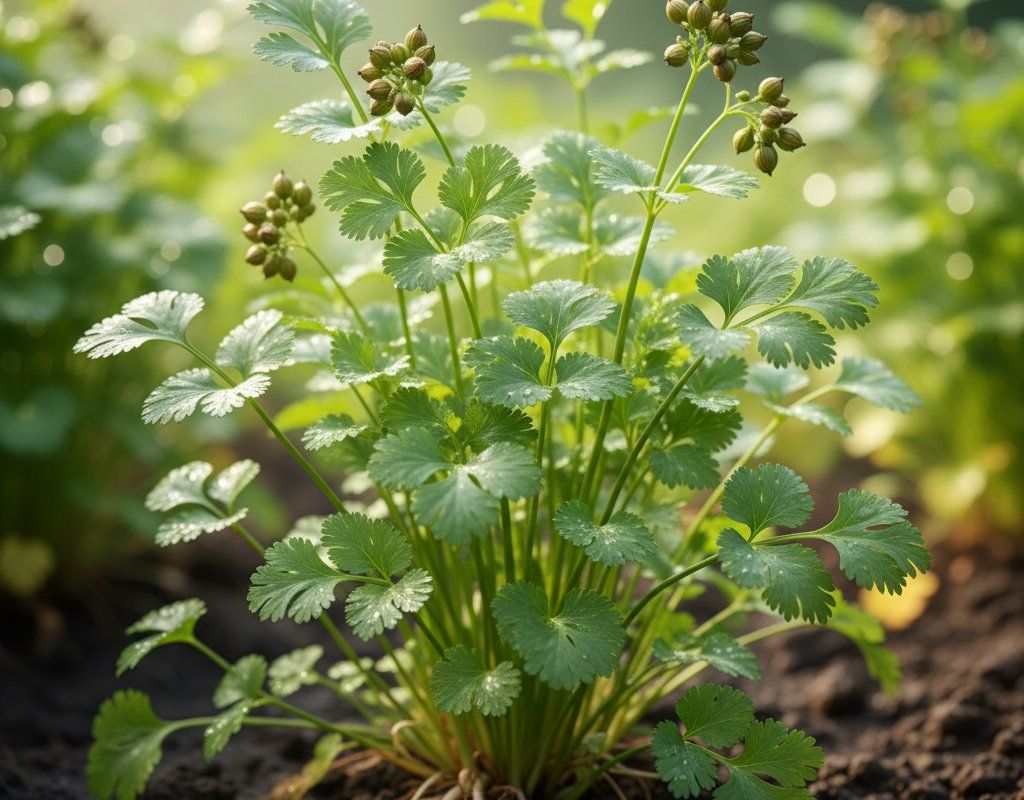
Watch for the flower stalk (bolting) that signals the end of good leaf production - once cilantro sends up its central flowering stem, leaves become bitter and tough. Our summer heat spells can trigger bolting quickly, so harvest generously when you see signs of stress. The flowers are edible and attract beneficial insects to your garden.
As our first frost approaches in mid-October, harvest heavily since cilantro won't survive freezing temperatures. You can succession plant through late August for fresh leaves right up until frost, giving you homegrown cilantro for fall cooking when store prices peak.
Common Problems in Zone 7A (Midwest)
Bolting shows up as a thick central stem shooting up from the plant's center, often with small white flowers forming quickly. The leaves become smaller, tougher, and bitter once this flowering process starts. Our Midwest summer heat spells and longer June days commonly trigger premature bolting, especially when plants face drought stress combined with temperatures consistently above 85°F. Keep soil consistently moist, provide afternoon shade during hot periods, and choose slower-bolting varieties like 'Slow Bolt' or 'Leisure'. Succession plant every 2-3 weeks so you always have young plants coming along.
Aphids appear as clusters of tiny green, black, or white soft-bodied insects on stem tips and leaf undersides, leaving sticky honeydew residue that attracts ants. New growth becomes curled and distorted as these sap-suckers multiply rapidly during our warm, humid summer conditions. Blast them off with a strong water spray from your hose, or use insecticidal soap for heavy infestations. Encourage natural predators like ladybugs by planting diverse flowers nearby, and avoid excess nitrogen fertilizer which creates the tender growth aphids prefer.
Leaf spot creates brown or black spots with yellow halos on cilantro leaves, often starting on lower, older foliage first. Our moderate-to-humid summer conditions combined with overhead watering or dense plantings create perfect conditions for these fungal diseases to spread. Water at soil level rather than on leaves, ensure good air circulation between plants, and remove affected leaves immediately. Avoid working around wet plants, and consider copper-based organic fungicides for severe cases.
Midwest Specific Challenges: Our moderate-to-hot summers with moderate-to-humid conditions and wet-summer rainfall create a challenging balance for cilantro - it needs consistent moisture but excess humidity and standing water encourage disease problems while heat stress triggers immediate bolting.
Best Companions for Cilantro
Plant these nearby for healthier Cilantro and better harvests.

Keep Away From

Companion Planting Details
Cilantro pairs beautifully with tomatoes and peppers in Midwest gardens, where its strong scent helps repel aphids and other pests that commonly attack these warm-season crops during our humid summers. Plant cilantro around the base of pepper plants for natural pest control, and use it as a living mulch that provides ground cover while producing harvests. The cilantro's quick maturity means you can harvest it before larger plants need the space.
Spinach and other cool-season greens make excellent companions since they share similar water needs and growing preferences in our spring and fall conditions. Beans fix nitrogen in the soil, benefiting cilantro's growth, while cilantro's flowers attract beneficial insects that help with bean pollination. Avoid planting cilantro near fennel, which can cross-pollinate and create off-flavors, and which tends to inhibit cilantro's growth through allelopathic effects.
🌸Best Flowers to Plant with Cilantro
These flowers protect your Cilantro from pests and attract pollinators for better harvests.



Get a Reminder When It's Time to Plant
We'll email you when key planting windows open for your zone.