
Parsley in Zone 7A — Midwest
Petroselinum crispum · Your Complete 2026 Planting Guide
Missed Seed Starting? No Problem!
Wait for starts to become available.
What to Do
Starts will be available at nurseries in 23 days (around March 27).
How to Plant Parsley in Zone 7A — Midwest
Here are all your options for getting parsley in the ground, from the easiest method to more advanced approaches.
Direct Sow Seeds
RecommendedLate March through late July
around March 27
Consider succession planting every 2-3 weeks for continuous harvest.
Parsley is slow to germinate (2-4 weeks). Soaking seeds helps.
Start Seeds Indoors
RecommendedLate January through mid February
around January 30
Then transplant: Late March through late April
Start seeds 8-10 weeks before transplanting outdoors.
Start indoors 8-10 weeks early due to slow germination.
Buy Starts
Works WellLate March through late April
around March 27
Plant purchased starts after last frost (April 10).
Transplant Outdoors
Timing InfoLate March through late April
around March 27
Can tolerate light frost, but wait for soil to be workable.
You have a nice window — no need to rush.
Fall Planting
Early August through early September
August 18 ideal · Direct sow for fall harvest
Plant a second crop in mid-summer for fall harvest. Parsley actually prefers the cooling temperatures of fall.
Overview
Fresh parsley transforms everything from our famous Midwest casseroles to summer tomato dishes, bringing that bright, herbaceous flavor you simply can't get from the dried stuff. Here in Zone 7A, you can harvest parsley from early June well into October, making the most of our fertile soil and adequate summer rainfall to grow thick, flavorful leaves that'll make you wonder why you ever bought those plastic containers from the store.
While our variable spring weather and occasional summer heat spells might seem challenging, parsley is actually quite forgiving once you get the timing right. This hardy herb can handle our late frosts better than most tender crops, and with our generous 193-day growing season, you have plenty of flexibility to start it when conditions are right for your schedule.
Starting Seeds Indoors
Starting parsley seeds indoors makes sense if you want an earlier harvest or prefer the control of a protected environment during our unpredictable Midwest spring. Start seeds in late January through mid-February, about 8-10 weeks before your planned transplant date - parsley is notoriously slow to germinate, often taking 2-3 weeks even under ideal conditions.
Set up your seed trays in a warm spot (65-70°F works well) with good light, and use bottom watering to keep the soil consistently moist without disturbing the tiny seeds. The extra time indoors gives you transplants ready to go when our spring weather stabilizes, typically in late March through late April.
Given our moderate-to-late spring character, indoor starting helps you sidestep those temperature swings that can stress direct-sown seeds. Just remember that parsley doesn't love being transplanted, so handle those seedlings gently when the time comes.
Transplanting Outdoors
Move your indoor-started parsley seedlings outdoors from late March through late April, timing it with our last frost period and when nighttime temperatures consistently stay above 40°F. Before planting, harden them off gradually over a week - start with just an hour outside, then increase daily until they're spending full days in outdoor conditions.
Space transplants 6-10 inches apart in your prepared beds, giving them room to develop their characteristic rosette growth habit. Plant them at the same depth they were growing in their containers, and water them in well with our typically reliable spring rainfall backing you up.
Watch the weather during transplant season - those late April warm spells can stress newly transplanted parsley, so be ready to provide some afternoon shade if temperatures jump unexpectedly. Our fertile Midwest soil gives them a good foundation, but they need a few weeks to establish before handling our summer heat.
Direct Sowing
Direct sowing works well for parsley in our zone, especially if you're patient with germination. Sow seeds from late March through late July, with the sweet spot being mid-April through mid-May when soil temperatures reach 50-60°F consistently. Your second opportunity comes in early August through early September for a fall crop.
Prepare your soil by working in some compost - our clay soil benefits from the organic matter, and parsley appreciates the improved drainage. Soak seeds overnight before planting to speed up that slow 2-4 week germination period. Plant seeds about ¼ inch deep and 6-10 inches apart, or sow more thickly and thin later.
Keep the soil consistently moist during germination, which can be tricky during dry spells despite our generally wet summers. Once seedlings emerge, they'll handle our climate well, but those first few weeks require attention to watering if spring rains don't cooperate.
Watering Parsley in Zone 7A (Midwest)
Parsley needs consistent, moderate moisture throughout the growing season, which plays well with our typical 30-40 inches of annual rainfall. During our wet summers, you might find yourself watering less than gardeners in drier regions, but don't assume rain alone will do the job - check soil moisture regularly using the finger test about 2 inches deep.
Aim for about 1 inch of water per week, including rainfall, adjusting for our summer heat spells when temperatures climb into the 90s. Water at the base of plants rather than overhead, especially during our humid summer months when wet foliage can invite fungal problems. Early morning watering gives plants time to dry before the heat of the day.
Watch for signs of stress during hot stretches - wilting despite moist soil often means the plant needs more consistent moisture rather than more water at once. Conversely, yellowing lower leaves in our sometimes-soggy summers might indicate overwatering or poor drainage in clay soil.
A 2-3 inch layer of organic mulch around plants helps maintain consistent soil moisture and keeps roots cool during heat waves. Just keep mulch a few inches away from the stem base to prevent crown rot issues that can develop in our humid conditions.
🧪Fertilizing Parsley
Feeding Schedule
Organic Fertilizer Options
Harvest Time
Your first parsley harvest typically arrives in early June, about 70 days from seeding, and continues through late October until our first frost shuts things down. Look for outer stems with at least three fully developed leaf segments - these are mature enough to cut while leaving the growing center intact.
Harvest by cutting individual stems at the base near soil level, not just pinching the tips. This encourages the plant to produce new growth from the center crown, keeping your harvest coming all season long. Take the largest outer stems first, working your way around the plant rather than cutting from just one side.
Regular harvesting keeps plants productive through our long growing season, but don't take more than one-third of the plant at once. During summer heat spells, parsley may slow production temporarily, but cooler September weather often brings a second surge of fresh growth perfect for preserving before frost.
As October approaches and first frost threatens, harvest heavily and preserve what you can't use fresh. Parsley is biennial, so second-year plants will focus energy on flowering rather than leaf production - treat it as an annual for best results.
Common Problems in Zone 7A (Midwest)
Slow Germination Parsley seeds can take 2-4 weeks to germinate, leaving you wondering if anything's happening underground. The seeds have a hard coat that naturally inhibits quick sprouting, and cool soil temperatures slow things further. Soak seeds overnight before planting to soften the seed coat, and ensure soil temperatures stay consistently above 50°F. Keep soil evenly moist during the entire germination period - drying out even once can kill emerging seedlings.
Carrot Rust Fly Small dark flies hovering around plants, followed by wilting foliage despite adequate moisture, signal carrot rust fly problems. You'll see rusty brown tunnels in any root crops nearby, as this pest targets the entire carrot family including parsley. Row covers provide the best protection, especially during peak fly activity in late spring. Interplant parsley with onions whose scent confuses the flies, and avoid thinning plants during active periods since bruised foliage attracts them.
Crown Rot Blackened, mushy stems at soil level indicate crown rot, often following periods of wet weather combined with poor air circulation. The entire plant may collapse suddenly, especially in heavy clay soil that holds moisture. Improve drainage by working organic matter into clay soil, and space plants properly for good air circulation. Water at soil level rather than overhead, and avoid working around wet plants during our humid summer periods.
Midwest Specific Challenges Our moderate-to-humid summers create perfect conditions for fungal issues, while clay soil can hold too much moisture around plant crowns. The combination of summer heat spells followed by heavy rainfall stresses plants and opens the door for disease problems that wouldn't occur in drier climates.
Best Companions for Parsley
Plant these nearby for healthier Parsley and better harvests.
View Full Companion Planting Chart →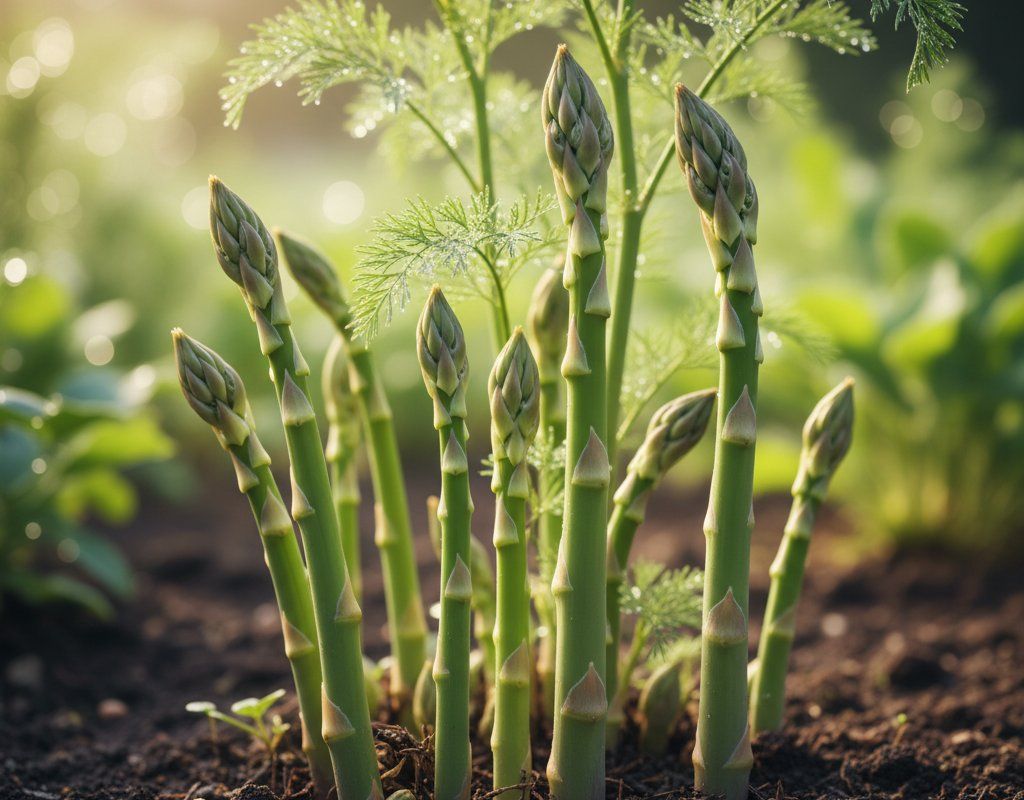



Companion Planting Details
Plant parsley near tomatoes, where it helps repel aphids and hornworms while the tomatoes provide light afternoon shade during summer heat spells. Asparagus makes another excellent companion - the ferny asparagus foliage and parsley's low rosette use space efficiently, and both appreciate similar moisture levels in our fertile soil. Corn provides natural windbreak protection during severe weather events, while parsley's flowers attract beneficial insects that help with corn pollination.
Avoid planting parsley near lettuce, which creates too much competition for consistent moisture in our clay soil, or mint, which can quickly overrun the slower-growing parsley and hog nutrients. Both these companions also prefer different watering schedules than parsley needs for best growth in our Midwest climate.
🌸Best Flowers to Plant with Parsley
These flowers protect your Parsley from pests and attract pollinators for better harvests.
For Pest Control




Get a Reminder When It's Time to Plant
We'll email you when key planting windows open for your zone.