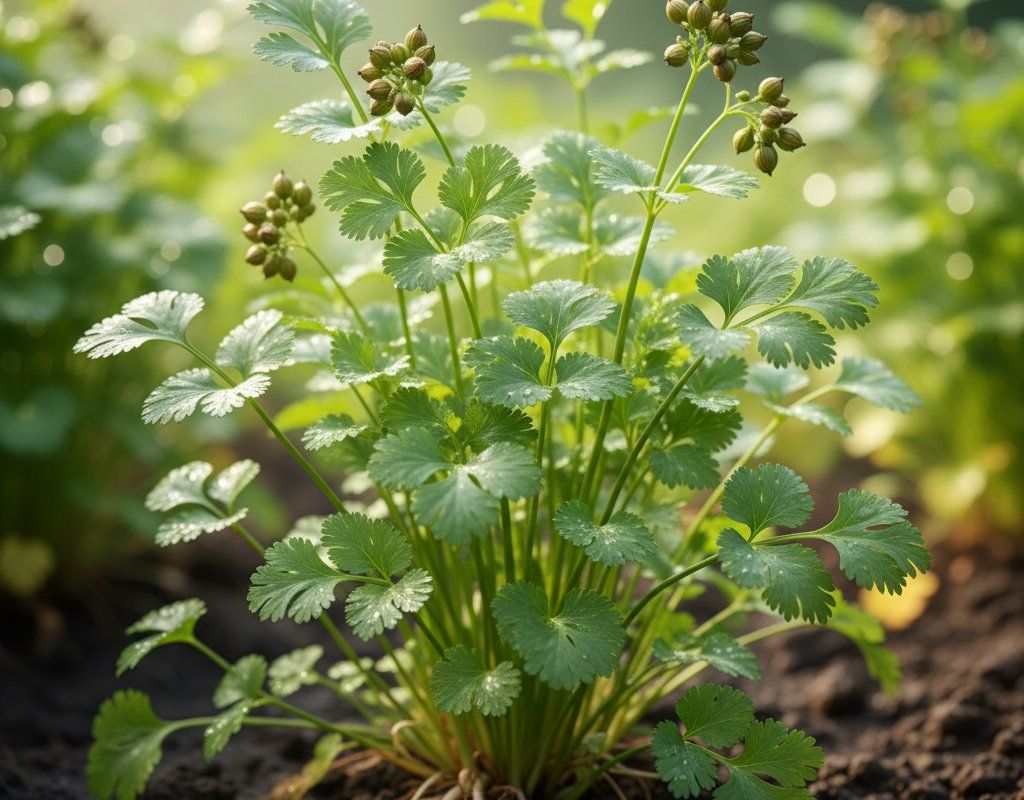
Cilantro in Zone 7A — Pacific Northwest
Coriandrum sativum · Your Complete 2026 Planting Guide
Planning Ahead — Great!
You’re ahead of the season. Here’s when to start.
Mark Your Calendar
How to Plant Cilantro in Zone 7A — Pacific Northwest
Here are all your options for getting cilantro in the ground, from the easiest method to more advanced approaches.
Direct Sow Seeds
RecommendedEarly April through late August
around April 6
Consider succession planting every 2-3 weeks for continuous harvest.
Cilantro bolts quickly in heat. Direct sow in cool weather for best results.
Start Seeds Indoors
RecommendedMid March through early April
around March 23
Then transplant: Mid April through early June
Start seeds 4-6 weeks before transplanting outdoors.
Buy Starts
Works WellMid April through early June
around April 20
Plant purchased starts after last frost (April 20).
Transplant Outdoors
Timing InfoMid April through early June
around April 20
Can tolerate light frost, but wait for soil to be workable.
You have a nice window — no need to rush.
Fall Planting
Late August through late September
September 8 ideal · Direct sow for fall harvest
Plant a second crop in mid-summer for fall harvest. Cilantro actually prefers the cooling temperatures of fall.
Overview
Cilantro thrives in our Pacific Northwest climate, making it one of the most rewarding herbs to grow in Zone 7A. Our mild summers and cool nights create perfect conditions for this heat-sensitive herb, while the long growing season means you can succession plant from spring through late summer for continuous harvests. The fresh, bright flavor of homegrown cilantro beats anything you'll find in stores, and it's essential for so many cuisines from Mexican to Thai.
While our wet springs can slow early growth and the dry summer months require consistent watering, cilantro is surprisingly adaptable to our regional conditions. Your 183-day growing season gives you multiple opportunities to get it right, and once you dial in the timing, you'll have fresh cilantro from late spring through the first frost in mid-October.
Starting Seeds Indoors
Starting cilantro indoors isn't essential in the Pacific Northwest, but it can give you a head start during our slow springs. Sow seeds mid-March through early April, about four weeks before you plan to transplant outdoors. Our overcast spring days mean you'll need a grow light or very bright windowsill to prevent leggy seedlings.
Use seed trays with good drainage and keep the soil consistently moist through bottom watering. Cilantro seeds can be slow to germinate, taking 7-14 days even with consistent moisture. The main advantage of indoor starting here is getting past that cool soil period when direct-sown seeds might sit dormant for weeks.
Since cilantro doesn't love transplant shock and our growing season is long enough for direct sowing, only start indoors if you want the earliest possible harvest or are dealing with particularly wet spring soil conditions.
Transplanting Outdoors
Transplant your cilantro seedlings mid-April through early June, timing it for after our last frost risk passes in mid-April. Spend a full week hardening off your seedlings gradually – our spring weather swings can shock tender indoor-grown plants even when temperatures seem mild.
Space plants 6-8 inches apart in prepared beds. Choose a location that gets morning sun but some afternoon protection, especially as we move into the dry summer months. Our mild temperatures mean you don't need to rush the transplant timing like gardeners in hotter zones do.
Watch for late cold snaps during transplant season. While cilantro is fairly hardy, newly transplanted seedlings are more vulnerable than established plants. Have row cover ready if overnight temperatures threaten to drop below 35°F.
Direct Sowing
Direct sowing works beautifully for cilantro in our Pacific Northwest climate and is often the preferred method. Sow seeds early April through late August, taking advantage of our long, mild growing season. The key is timing your sowings to avoid the hottest part of summer when cilantro bolts quickly.
Prepare your soil by working in compost and ensuring good drainage – our wet springs can cause seeds to rot in poorly draining soil. Sow seeds ¼ inch deep and 6-8 inches apart. In our cool spring soil, germination takes 10-14 days, so be patient.
For continuous harvest, succession plant every 2-3 weeks through summer. During July and August, choose locations with afternoon shade since even our mild summers can stress cilantro enough to cause premature bolting. Resume full-sun sowings in late August for excellent fall harvests.
Watering Cilantro in Zone 7A (Pacific Northwest)
Cilantro needs consistent moisture but not waterlogged conditions – a balance that's particularly important in our Pacific Northwest climate. During our dry summer months, plan to water 1-1.5 inches per week, checking soil moisture with the finger test about 2 inches deep. The soil should feel like a wrung-out sponge.
In spring, our natural rainfall often provides enough moisture, but watch for those unexpected dry spells that can stress young plants. Summer watering becomes critical since cilantro bolts quickly when stressed by drought, even in our relatively mild heat. Water at soil level rather than overhead to prevent leaf diseases in our humid morning conditions.
Apply a thin layer of straw mulch around plants to retain moisture during the dry summer months. This is especially important for succession plantings that establish during July and August. As fall rains return, reduce watering frequency but maintain consistency – sudden moisture swings can still trigger bolting even in cool weather.
Signs of underwatering include wilting during the day and yellowing lower leaves. Overwatering shows up as yellowing from the base up and potentially root rot in our clay-heavy soils.
🧪Fertilizing Cilantro
Feeding Schedule
Organic Fertilizer Options
Harvest Time
Your first cilantro harvest typically arrives late May through late October, about 45 days from seeding. Harvest when plants reach 6+ inches tall with several sets of true leaves – the distinctive serrated cilantro shape rather than the smooth cotyledon leaves.
Cut outer stems at the base rather than picking individual leaves, which encourages continued growth from the center. Take no more than one-third of the plant at each harvest to keep it productive. In our mild climate, properly managed plants can produce for 8-10 weeks before bolting.
Watch for the telltale flower stalk emerging from the center – once cilantro bolts, leaf production stops and flavor becomes bitter. This happens faster during warm spells, even in our mild summers. Pinch flower buds immediately if you notice them forming to extend the harvest window.
As first frost approaches in mid-October, harvest entire plants and freeze leaves in ice cube trays with water or oil. Our long mild fall means late-season plantings often produce right up until frost, giving you fresh cilantro well into autumn.
Common Problems in Zone 7A (Pacific Northwest)
Bolting shows up as a thick central flower stalk shooting up from the plant center, often accompanied by leaves that taste increasingly bitter. In our Pacific Northwest climate, this typically happens during warm spells even when temperatures only reach the low 80s. The combination of longer day length and any heat stress triggers this premature flowering.
Plant cilantro during cooler months and provide afternoon shade during summer plantings. Keep soil consistently moist during our dry summer months, as drought stress accelerates bolting. Choose slow-bolt varieties like 'Slow Bolt' or 'Calypso' for summer sowings, and succession plant every 2-3 weeks rather than trying to keep one planting going all season.
Aphids appear as clusters of tiny green, black, or white insects on leaf undersides and new growth, often leaving sticky honeydew residue. Our mild summers create perfect breeding conditions for these rapid-reproducing pests, and they're particularly drawn to the tender new growth of succession-planted cilantro.
Blast them off with a strong water spray from your hose – this is often enough in our climate since beneficial insects like ladybugs are active. For heavier infestations, use insecticidal soap every 3-4 days. Avoid high-nitrogen fertilizers which create the lush growth aphids prefer. Encourage beneficial insects with nearby flowers like sweet alyssum or calendula.
Leaf spot appears as brown or black spots with yellow halos on leaves, often starting on older foliage. Our wet springs and morning dew create ideal conditions for fungal diseases, especially when cilantro is crowded or has poor air circulation.
Space plants properly at 6-8 inches apart and avoid overhead watering during our humid morning conditions. Remove affected leaves immediately and dispose in garbage, not compost. Improve air circulation by avoiding dense plantings and consider raised beds if your soil stays soggy during spring. Copper-based organic fungicides can help if caught early.
Pacific Northwest Specific Challenges: Our combination of wet springs and dry summers means cilantro faces fungal pressure early in the season, then drought stress later. The key is managing moisture consistently – not too wet in spring, not too dry in summer – while taking advantage of our naturally mild temperatures that make cilantro much easier to grow than in hotter climates.
Best Companions for Cilantro
Plant these nearby for healthier Cilantro and better harvests.
Keep Away From

Companion Planting Details
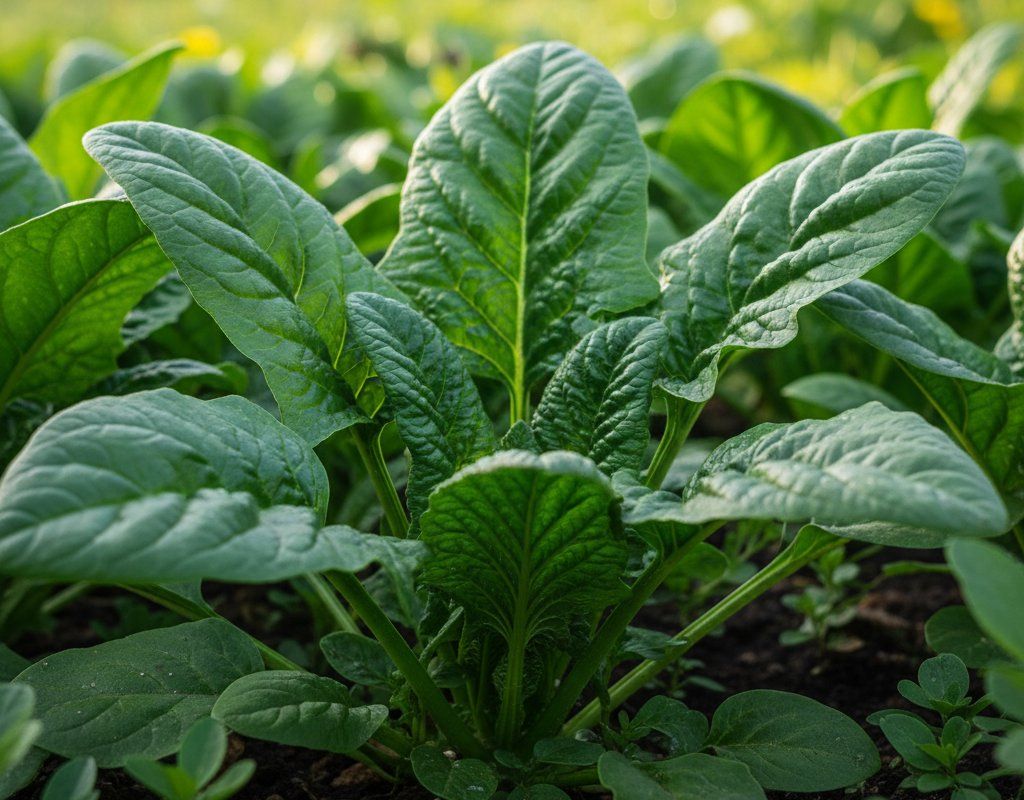
Cilantro pairs beautifully with tomatoes in our Pacific Northwest gardens, providing natural pest deterrent while thriving in the partial shade that tomato plants create during our mild summers. Plant it alongside spinach and other cool-season greens that share similar water needs and benefit from afternoon shade during warmer months. The timing works perfectly since both can be succession planted through our long growing season.
Peppers and beans also make excellent companions, with cilantro's flowers (if you let some bolt) attracting beneficial insects that help with pest control on these crops. The upright growth habit means it won't compete for space. However, keep cilantro well away from fennel, which releases compounds that inhibit cilantro's growth and can cause premature bolting even in our cool climate.
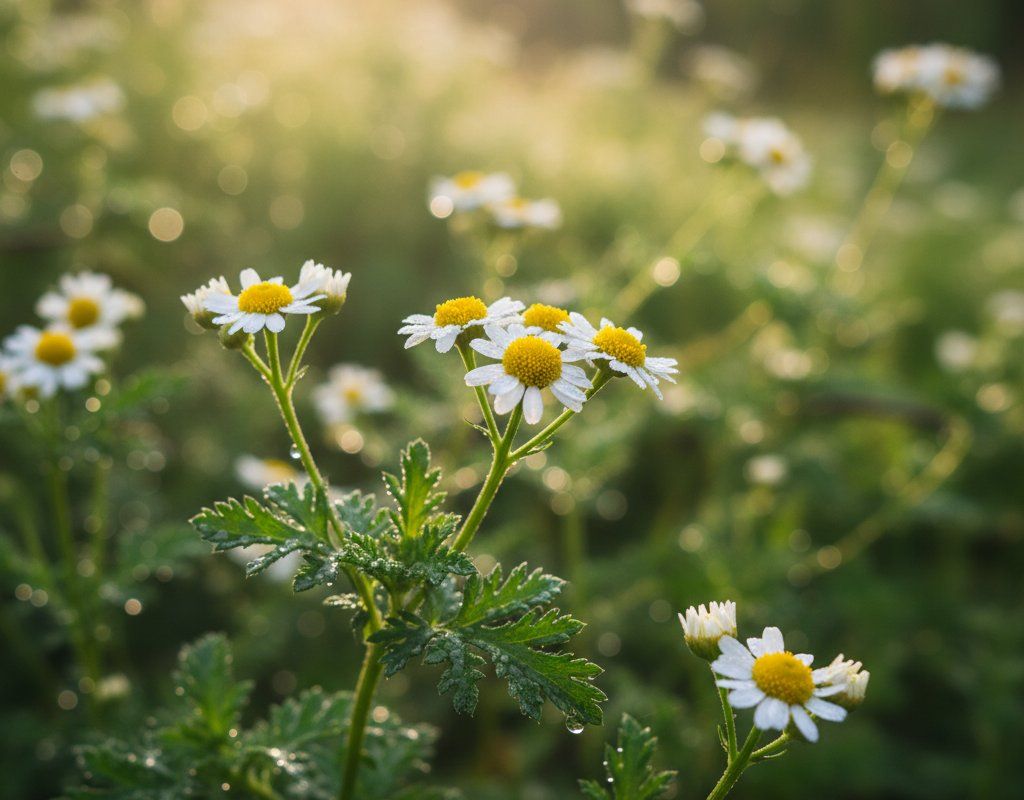
🌸Best Flowers to Plant with Cilantro
These flowers protect your Cilantro from pests and attract pollinators for better harvests.



Get a Reminder When It's Time to Plant
We'll email you when key planting windows open for your zone.