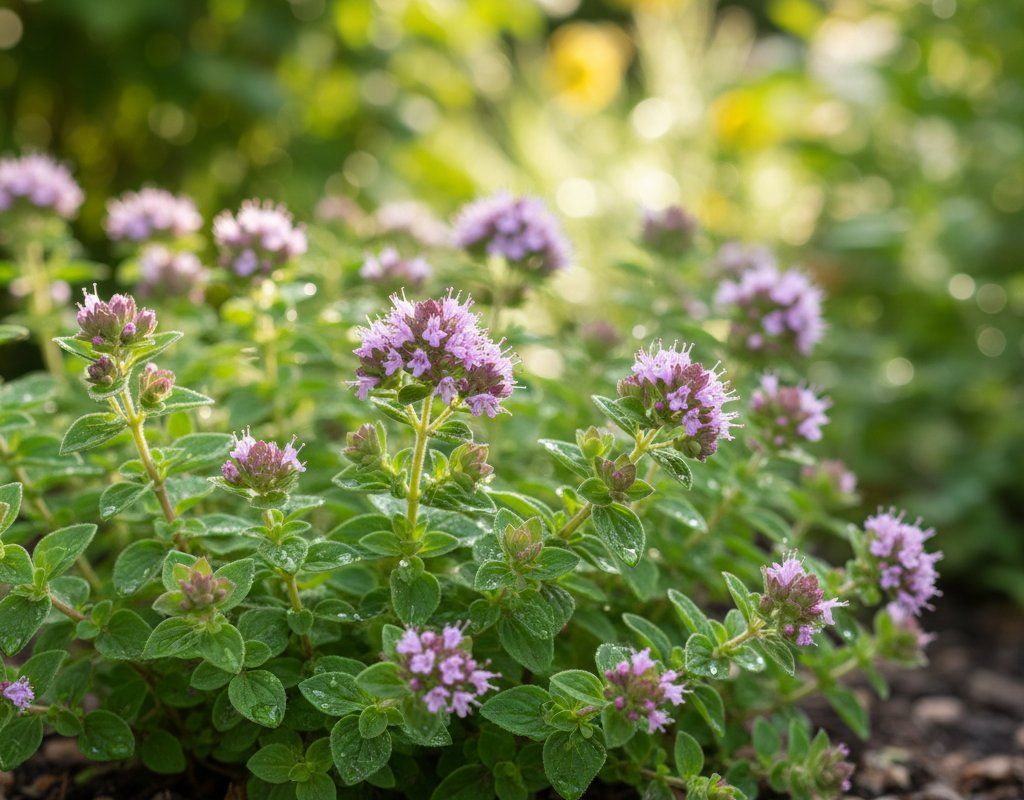
Oregano in Zone 7A — Pacific Northwest
Origanum vulgare · Your Complete 2026 Planting Guide
Last Call for Seed Starting!
Indoor seed starting window closes in 5 days.
Start Seeds This Week
Start seeds now for transplanting later.
Or Wait for Starts
If you don’t want to start seeds, starts will be available around April 20.
How to Plant Oregano in Zone 7A — Pacific Northwest
Here are all your options for getting oregano in the ground, from the easiest method to more advanced approaches.
Buy Starts
RecommendedMid April through early June
around April 20
Plant purchased starts after last frost (April 20).
Easy from seed but slow. Starts give faster results.
Start Seeds Indoors
Works WellMid February through early March
around February 23
Then transplant: Mid April through early June
Start seeds 8-10 weeks before transplanting outdoors.
Direct Sow Seeds
Works WellMid April through late August
around April 20
Consider succession planting every 2-3 weeks for continuous harvest.
Transplant Outdoors
Timing InfoMid April through early June
around April 20
Can tolerate light frost, but wait for soil to be workable.
You have a nice window — no need to rush.
Overview
Oregano is a perfect herb for our Pacific Northwest gardens, thriving in our mild summers and appreciating the dry conditions our region offers from late June through September. This hardy Mediterranean herb actually develops more intense flavor in our cool nights, and once established, it practically takes care of itself through our drought-prone summer months.
While our wet springs can challenge some herbs with root rot, oregano's timing works beautifully with our 183-day growing season. You can start harvesting by early summer and continue right through our long, mild fall until the first frost arrives in mid-October. The key is simply getting your planting timing right for our cool spring soil conditions.
Starting Seeds Indoors
Starting oregano seeds indoors makes sense if you want an early harvest, though it's not essential in our climate. Sow seeds in mid-February through early March, about 8 weeks before you plan to transplant outdoors. This timing works well with our slow spring warm-up.
Use seed trays with good drainage and keep them warm (around 70°F) for germination. Once seedlings emerge, they need bright light – a south-facing window works, though grow lights give more consistent results during our overcast spring days. Bottom watering prevents damping-off issues that can plague herbs in containers.
The seedlings will be ready to harden off by mid-April when soil temperatures finally start rising consistently. While starting from seed is satisfying, buying starts from the nursery often gives faster results in our region.
Transplanting Outdoors
Transplant oregano starts outdoors from mid-April through early June, once soil temperatures reach about 50°F consistently. This timing aligns perfectly with our last frost date around mid-April, though oregano can handle light frosts without damage.
Harden off your seedlings gradually over a week, starting with just a few hours outdoors in a protected spot and increasing exposure daily. Space plants 12-18 inches apart to allow for their spreading growth habit – they'll fill in nicely by midsummer. Choose a spot with excellent drainage since our wet spring conditions can cause root problems in heavy soils.
Plant on a dry day if possible, as our spring weather can stay soggy for weeks. The plants may look small initially, but once our soil warms up in late May, they'll take off quickly.
Direct Sowing
Direct sowing oregano works well in our region from mid-April through late August, giving you multiple planting opportunities. The key is waiting until soil temperatures reach at least 50°F – usually by late April in most areas. You can make succession plantings every 3-4 weeks through summer for continuous harvests.
Prepare the soil by working in some compost for drainage, especially important given our wet spring conditions. Scatter seeds lightly and barely cover them – oregano seeds need light to germinate. Keep the soil consistently moist but not waterlogged during our potentially rainy spring weather.
Space plantings 12-18 inches apart, thinking ahead to their mature spread. Direct-sown oregano will be slower to establish than transplants, but it often develops stronger root systems better adapted to your specific soil conditions.
Watering Oregano in Zone 7A (Pacific Northwest)
Once established, oregano is remarkably drought-tolerant and actually prefers our dry summer conditions. During the wet spring months, focus on ensuring good drainage rather than adding water – oregano roots will rot in soggy soil. By late June when our dry season begins, established plants need minimal supplemental watering.
Water deeply but infrequently, checking soil moisture with your finger 2 inches down. In our mild summers (typical highs around 82°F), mature oregano plants often need just one thorough watering per week, or about 1 inch total. Water at the base of plants rather than overhead – this prevents fungal issues and makes the most of our dry summer air.
Overwatering actually dilutes the essential oils that give oregano its flavor, so err on the dry side once plants are established. Yellow lower leaves often indicate too much water rather than too little. During August and September, our driest months, even drought-stressed oregano will perk up quickly with one good soaking.
A thin layer of organic mulch helps retain what moisture you do provide, but keep it a few inches away from the stem base. This is especially important in our region where slug pressure can be significant in moist conditions.
Pruning & Maintaining Oregano
Oregano needs minimal pruning but benefits from a midsummer trim to stay productive. Cut plants back by about one-third in mid-July to encourage fresh, tender growth and prevent them from becoming woody. This timing works well in our climate since new growth will have plenty of time to mature before fall.
Pinch off flower buds as they appear if you want to maintain the best leaf flavor, though the flowers are edible and attractive to beneficial insects. Regular harvesting naturally keeps plants bushy and productive throughout our long growing season.
In late fall, around early to mid-October before our first frost, cut plants back to about 2 inches above ground level. This helps prevent winter damage and ensures vigorous spring growth. The roots are hardy enough to survive our mild winters and will send up new shoots once soil warms in spring.
🧪Fertilizing Oregano
Feeding Schedule
Organic Fertilizer Options
Harvest Time
You can begin harvesting oregano sprigs once plants reach 4+ inches tall, typically by early June if you started with transplants. The best flavor comes from young, tender leaves just before the plant flowers – usually in mid to late summer in our climate. Cut stems just above a pair of leaves to encourage branching and continued growth.
For the most intense flavor, harvest in the morning after dew evaporates but before the heat of the day. In our mild Pacific Northwest summers, this timing window is quite forgiving since we rarely see temperatures that stress the plants. Cut stems can be used fresh immediately or hung to dry in our low-humidity summer air.
Oregano produces continuously through our long growing season, so harvest regularly to keep plants productive. Take no more than one-third of the plant at any single harvest to maintain vigor. The plants will continue producing well into October, even through light frosts.
As our first frost approaches in mid-October, harvest heavily for drying and preserving. The flavor will be at its peak after a full summer of growth, and you'll have plenty to last through winter until fresh growth returns next spring.
Common Problems in Zone 7A (Pacific Northwest)
Root Rot Yellowing leaves starting from the bottom, wilting despite moist soil, and black or mushy roots are classic signs of root rot. This problem often shows up during our wet spring months when cool, saturated soil prevents proper drainage. The roots literally suffocate and decay in waterlogged conditions.
Our heavy clay soils and prolonged spring rains create perfect conditions for this issue. Improve drainage by amending planting areas with compost or coarse sand, and consider raised beds if your soil stays wet. Plant oregano on slight slopes or mounds to help excess water drain away. Once root rot sets in, it's usually fatal – prevention through good drainage is key.
Aphids Look for clusters of tiny, soft-bodied insects (green, black, or white) on stems and leaf undersides, often accompanied by sticky honeydew residue and curled or distorted new growth. These sap-sucking insects multiply rapidly during warm weather, and ant colonies often farm them for their sweet secretions.
In our mild summer climate, aphid populations can explode quickly but respond well to simple controls. Blast them off with a strong water spray from your hose – this is often all you need. Encourage natural predators like ladybugs and lacewings by planting diverse flowers nearby. For heavy infestations, insecticidal soap or neem oil work well. Avoid excess nitrogen fertilizer, which makes plants more attractive to aphids.
Spider Mites Fine stippling on leaves (tiny white dots), delicate webbing on leaf undersides and between stems, and leaves turning bronze or yellow indicate spider mite damage. These tiny arachnids thrive in hot, dry conditions and can quickly build damaging populations during drought stress.
While our mild summers don't usually create severe spider mite pressure, they can appear during August and September when conditions are driest. Daily strong water sprays for a week often eliminate light infestations. Increase humidity around plants by watering nearby areas. For persistent problems, neem oil or insecticidal soap help, and you can purchase predatory mites online. Avoid broad-spectrum pesticides that kill beneficial predators.
Pacific Northwest Specific Challenges: Our region's combination of wet springs and dry summers creates unique timing challenges for oregano. The key is ensuring excellent drainage during establishment while taking advantage of our naturally dry summer conditions. Slug pressure during wet periods can also damage young plants, so use organic slug bait or copper strips around new plantings if needed.
Best Companions for Oregano
Plant these nearby for healthier Oregano and better harvests.

Keep Away From
Companion Planting Details
Oregano makes an excellent companion for heat-loving crops like tomatoes, peppers, and squash, where it can help repel aphids and other soft-bodied insects with its strong essential oils. Plant it along the edges of these beds where it won't compete for root space but can still provide pest protection. The herb also pairs well with beans, as both prefer well-drained soil and the oregano's deep roots won't interfere with nitrogen-fixing nodules.
In our Pacific Northwest climate, oregano's drought tolerance makes it perfect for transitional areas between regular watering zones and drier sections of the garden. Avoid planting it directly with moisture-loving crops like lettuce or shallow-rooted vegetables that need frequent summer watering – the oregano will suffer from overwatering while the other plants may not get enough moisture in our dry summer months.
🌸Best Flowers to Plant with Oregano
These flowers protect your Oregano from pests and attract pollinators for better harvests.
For Pest Control




Get a Reminder When It's Time to Plant
We'll email you when key planting windows open for your zone.