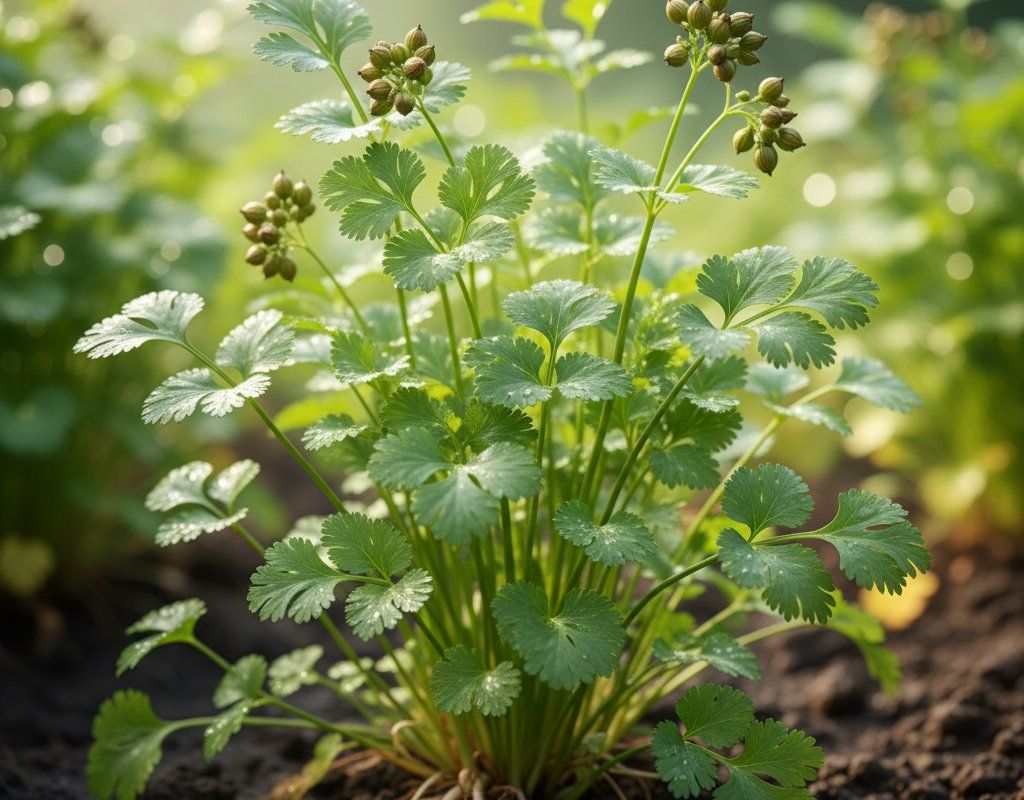
Cilantro in Zone 7B — Desert Southwest
Coriandrum sativum · Your Complete 2026 Planting Guide
Missed Seed Starting? No Problem!
Wait for starts to become available.
What to Do
Starts will be available at nurseries in 11 days (around March 15).
How to Plant Cilantro in Zone 7B — Desert Southwest
Here are all your options for getting cilantro in the ground, from the easiest method to more advanced approaches.
Direct Sow Seeds
RecommendedEarly March through mid September
around March 1
Consider succession planting every 2-3 weeks for continuous harvest.
Cilantro bolts quickly in heat. Direct sow in cool weather for best results.
Start Seeds Indoors
RecommendedEarly February through early March
around February 15
Then transplant: Mid March through late April
Start seeds 4-6 weeks before transplanting outdoors.
Buy Starts
Works WellMid March through late April
around March 15
Plant purchased starts after last frost (March 15).
Transplant Outdoors
Timing InfoMid March through late April
around March 15
Can tolerate light frost, but wait for soil to be workable.
You have a nice window — no need to rush.
Fall Planting
Mid September through mid October
October 4 ideal · Direct sow for fall harvest
Plant a second crop in mid-summer for fall harvest. Cilantro actually prefers the cooling temperatures of fall.
Overview
Cilantro brings fresh, bright flavor to your Desert Southwest garden when most herbs struggle with our extreme heat. This fast-growing herb thrives in our mild winters and cooler spring temperatures, giving you fresh leaves for salsas, Mexican dishes, and Asian cuisine right when you want them most. Unlike store-bought cilantro that wilts quickly in our arid climate, homegrown plants stay crisp and flavorful when harvested fresh.
Growing cilantro in the Desert Southwest means working with our temperature swings and intense summer heat, but the timing makes it completely manageable. With our 245-day growing season, you can enjoy multiple plantings from early spring through fall, avoiding the brutal summer months when this cool-season crop would bolt immediately.
Starting Seeds Indoors
Starting cilantro seeds indoors makes sense if you want an early jump on the season or better control over germination. Start seeds in early February through early March, about 4 weeks before you plan to transplant outdoors. Use seed trays filled with quality potting mix and keep them in a warm spot around 65-70°F.
Since cilantro doesn't love root disturbance, consider biodegradable peat pots that can go directly into the ground. Bottom watering works best to avoid disturbing the delicate seedlings. Our very-early spring character means you can get transplants outside sooner than most regions, making indoor starting less critical than in colder climates.
Keep your indoor setup simple with basic grow lights or a sunny windowsill. The goal is sturdy seedlings ready for our mild March weather, not forcing rapid growth that creates weak plants.
Transplanting Outdoors
Transplant your cilantro seedlings outdoors from mid-March through late April, once nighttime temperatures stay above 40°F consistently. This timing catches our sweet spot before the extreme heat arrives. Harden off seedlings gradually over a week, starting with just an hour of morning sun and increasing daily exposure.
Space plants 6-8 inches apart to allow good air circulation in our arid climate. Our spring weather can swing dramatically, so be ready with row covers if an unexpected cold snap threatens young transplants. The key is getting them established during our mild spring temperatures.
Choose a location with morning sun and afternoon shade, especially for late April transplants. Full desert sun will stress young transplants, even in spring. Transplants generally establish faster than direct-sown seeds and give you better control over spacing.
Direct Sowing
Direct sowing works well for cilantro if you time it right for our Desert Southwest climate. Sow seeds from early March through mid-September, focusing on the cooler months for best results. The soil should be around 55-65°F for good germination, which happens naturally during our spring and fall windows.
Prepare your soil by working in compost to improve moisture retention in our arid conditions. Plant seeds ¼ inch deep and space them 6-8 inches apart, or sow more densely and thin later. Our alkaline soil can slow germination, so keep the seedbed consistently moist during the 7-14 day germination period.
Direct sowing works best for spring and fall plantings when temperatures stay moderate. Summer sowings are possible but require shade cloth and extra attention to watering. Remember that cilantro bolts quickly once temperatures hit the 80s consistently, so spring direct-sowing gives you the longest harvest window.
Watering Cilantro in Zone 7B (Desert Southwest)
Cilantro needs consistent moisture to prevent bolting in our arid Desert Southwest climate. Keep soil evenly moist but not waterlogged, checking daily during our hot spring days when temperatures start climbing toward summer. The finger test works well - if soil feels dry 2 inches down, it's time to water.
During spring growing season, plan on about 1 inch of water per week, adjusting for our minimal rainfall and high evaporation rates. Water at soil level rather than overhead to avoid fungal issues and water waste in our arid conditions. Early morning watering allows plants to hydrate before facing our intense afternoon sun and low humidity.
Watch for wilting during warm afternoons, which signals the need for immediate watering and possibly shade protection. Underwatered cilantro bolts almost immediately in our climate, while overwatered plants in our heavy clay soils develop root problems. A thin layer of organic mulch helps retain moisture without creating overly wet conditions.
Summer watering requires daily attention if you're growing cilantro under shade cloth. Our monsoon moisture from July through September can provide relief, but don't count on it for consistent irrigation. Drip irrigation or soaker hoses work perfectly for cilantro's moderate water needs while conserving our precious water resources.
🧪Fertilizing Cilantro
Feeding Schedule
Organic Fertilizer Options
Harvest Time
Expect your first cilantro harvest from mid-April through late November, with plants ready about 45 days from seeding. Harvest begins when plants reach 6+ inches tall and have developed several sets of true leaves. The leaves should look bright green and smell intensely fragrant when you brush them.
Cut outer stems at the base rather than picking individual leaves, which encourages continued growth from the center. Take what you need for immediate use since cilantro doesn't store well in our dry climate. Regular harvesting keeps plants productive longer and delays bolting during warm weather.
Once cilantro sends up its flower stalk (bolting), leaf production stops and flavor turns bitter. This happens quickly during our temperature swings, so harvest aggressively when you see the first signs of flowering. You can let some plants go to seed (coriander) for cooking or saving seeds for next season.
As our first frost approaches in mid-November, harvest remaining plants completely. Cilantro won't survive freezing temperatures, but you can dry the leaves or make cilantro paste to preserve your harvest through winter until spring planting time returns.
Common Problems in Zone 7B (Desert Southwest)
Bolting appears as a tall flower stalk shooting up from the center of the plant, with leaves becoming bitter and tough. This shifts the plant from leaf production to seed production, ending your fresh harvest. Our extreme heat and long spring days trigger bolting quickly, especially when combined with drought stress. Plant during cooler months (March-April, September-October), provide afternoon shade during warm spells, keep soil consistently moist, and succession plant every 2-3 weeks for continuous harvest.
Aphids show up as clusters of tiny green, black, or white insects on stems and leaf undersides, leaving sticky honeydew residue and causing curled new growth. These sap-sucking pests multiply rapidly in our warm spring weather, and ant colonies often farm them in our desert gardens. Knock them off with strong water spray, encourage natural predators like ladybugs, use insecticidal soap for heavy infestations, and avoid excess nitrogen fertilizer which attracts them.
Leaf spot appears as brown or black spots on leaves, often with yellow halos, progressing to leaf drop and plant decline. Fungal diseases develop when overhead watering creates humid conditions around plants, especially problematic during our monsoon season. Water at soil level, ensure good air circulation with proper spacing, remove affected leaves immediately, and avoid working with wet plants to prevent spreading spores.
Desert Southwest Specific Challenges: Our extreme heat and arid conditions create unique stress for cilantro. The combination of intense sun, low humidity, and temperature swings means bolting happens faster than in other climates. Afternoon shade becomes essential by late spring, and consistent moisture is critical since our dry air pulls water from plants rapidly.
Best Companions for Cilantro
Plant these nearby for healthier Cilantro and better harvests.

Keep Away From

Companion Planting Details
Cilantro pairs beautifully with tomatoes in Desert Southwest gardens, providing natural pest control while the tomatoes offer afternoon shade during warm weather. Plant cilantro around peppers to deter aphids and other soft-bodied insects, plus both crops enjoy similar watering schedules. Spinach makes an excellent companion for fall plantings since both prefer cooler weather and similar soil conditions.
Beans work well with cilantro since the legumes add nitrogen to soil that cilantro uses readily, and the upright bean plants can provide some shade protection. Avoid planting cilantro near fennel, as fennel inhibits cilantro's growth and can cause premature bolting. Keep cilantro away from hot-weather herbs like basil or oregano that have different water and temperature needs in our desert climate.
🌸Best Flowers to Plant with Cilantro
These flowers protect your Cilantro from pests and attract pollinators for better harvests.



Get a Reminder When It's Time to Plant
We'll email you when key planting windows open for your zone.